Reading comprehension Two-step Word Problems Worksheets for Ages 3-4
5 filtered results
-
From - To
Unlock young minds with our Reading Comprehension Two-Step Word Problems Worksheets designed for ages 3-4. These engaging printables blend playful activities with early math concepts, enhancing critical thinking and problem-solving skills. Combining reading comprehension exercises with beginner-level arithmetic challenges, these worksheets foster cognitive development and encourage a love for learning. Perfect for preschoolers, they cater to varied learning styles, ensuring each child grasps fundamental concepts at their own pace. Ideal for parents and teachers, our thoughtfully crafted resources stimulate curiosity and provide a strong educational foundation. Boost your little one's reading and math proficiency today!
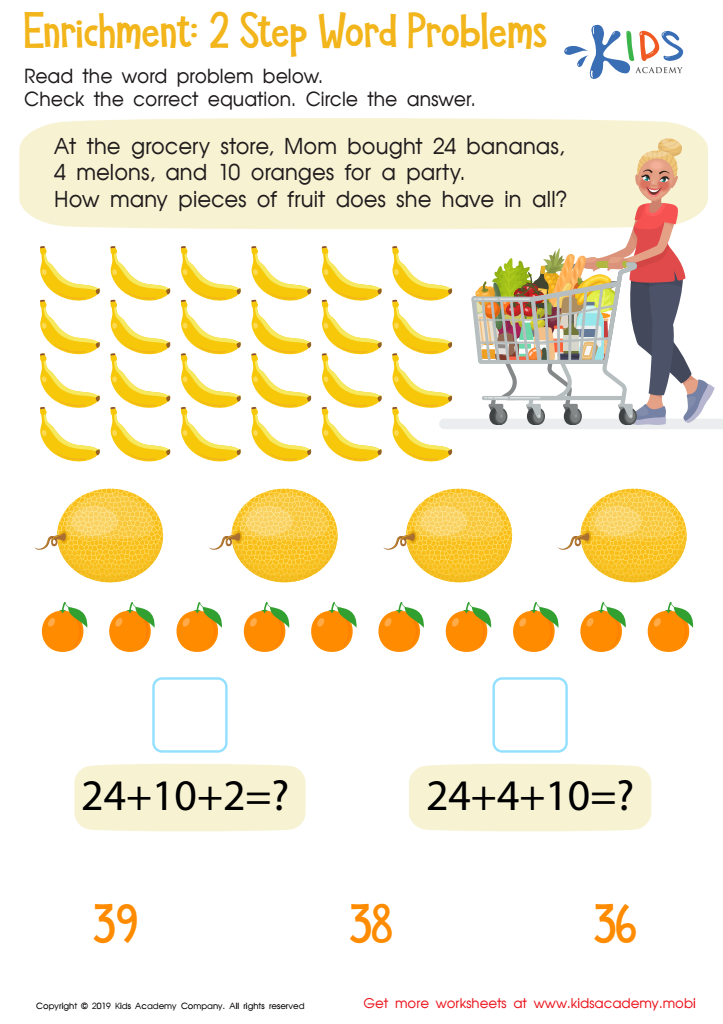
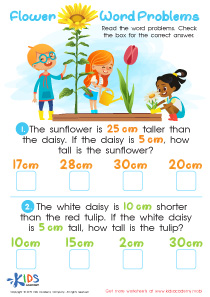
Enrichment -2 Step Word Problems Worksheet
 Assign to My Students
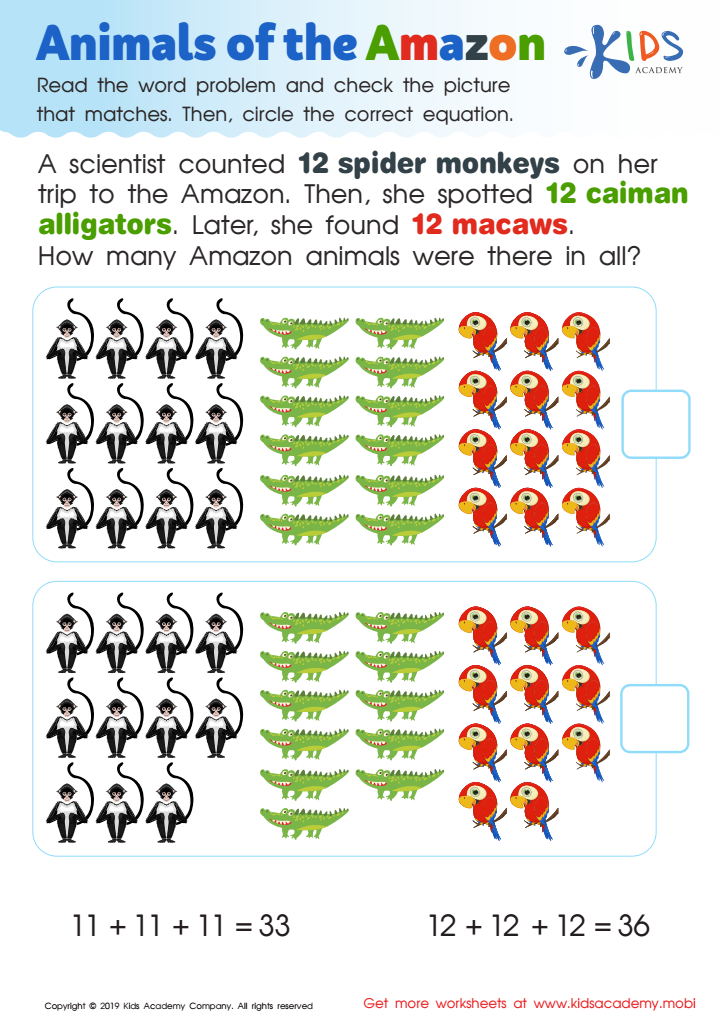
Animals of Amazon Worksheet
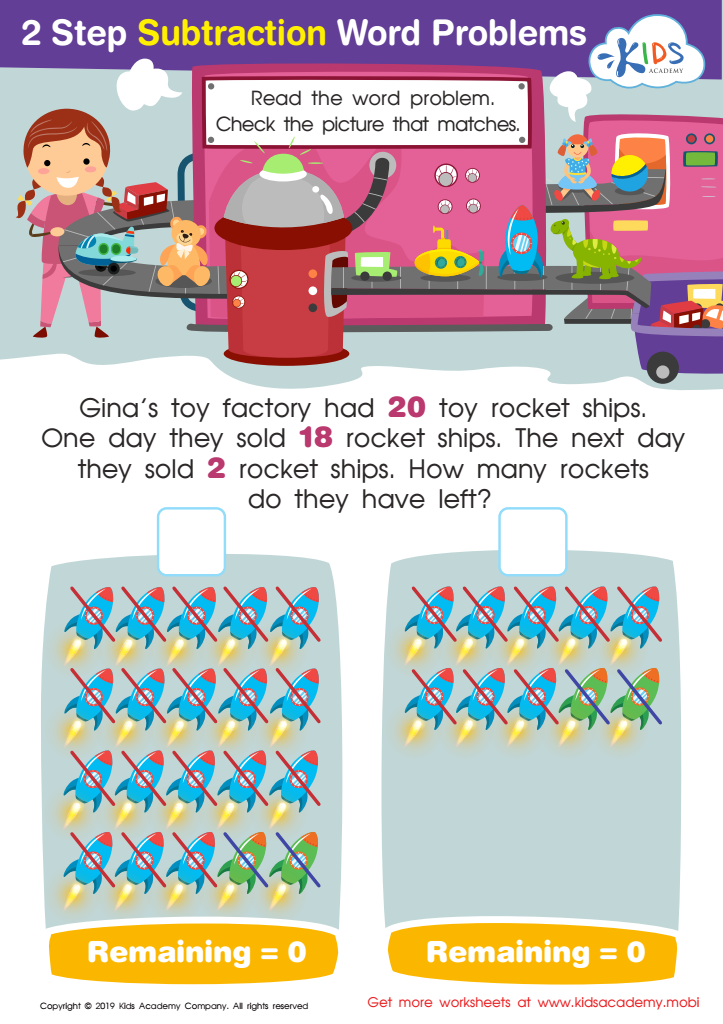
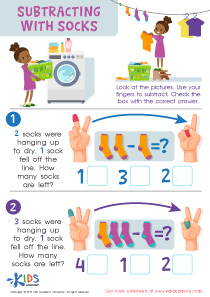
Step Subtraction Word Problems Worksheet
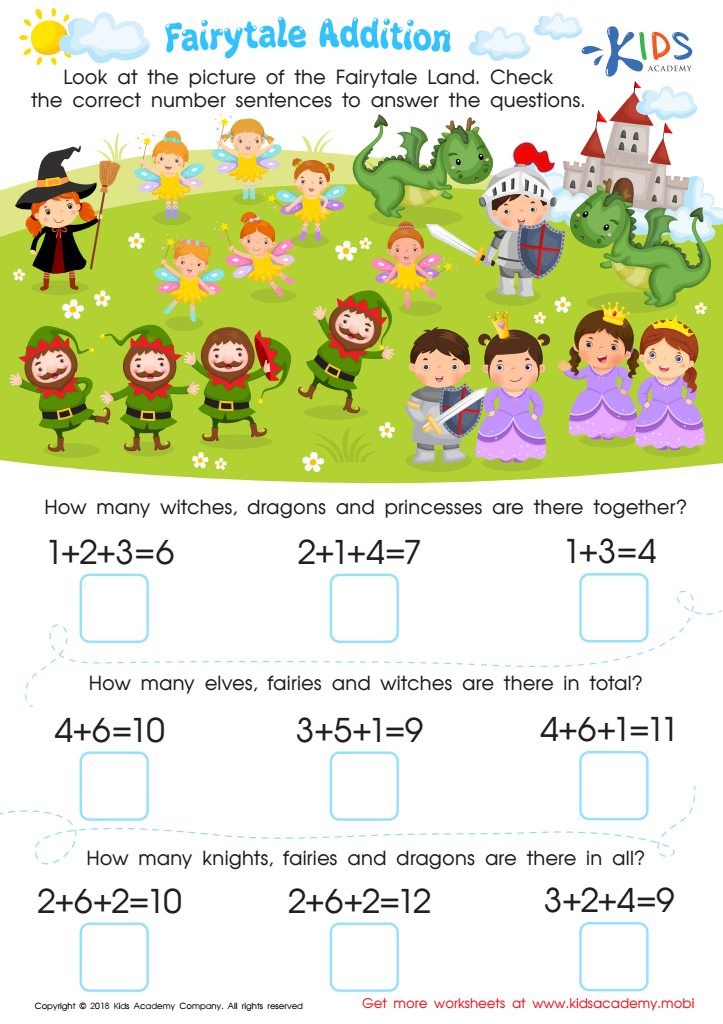
Fairytale Addition Worksheet
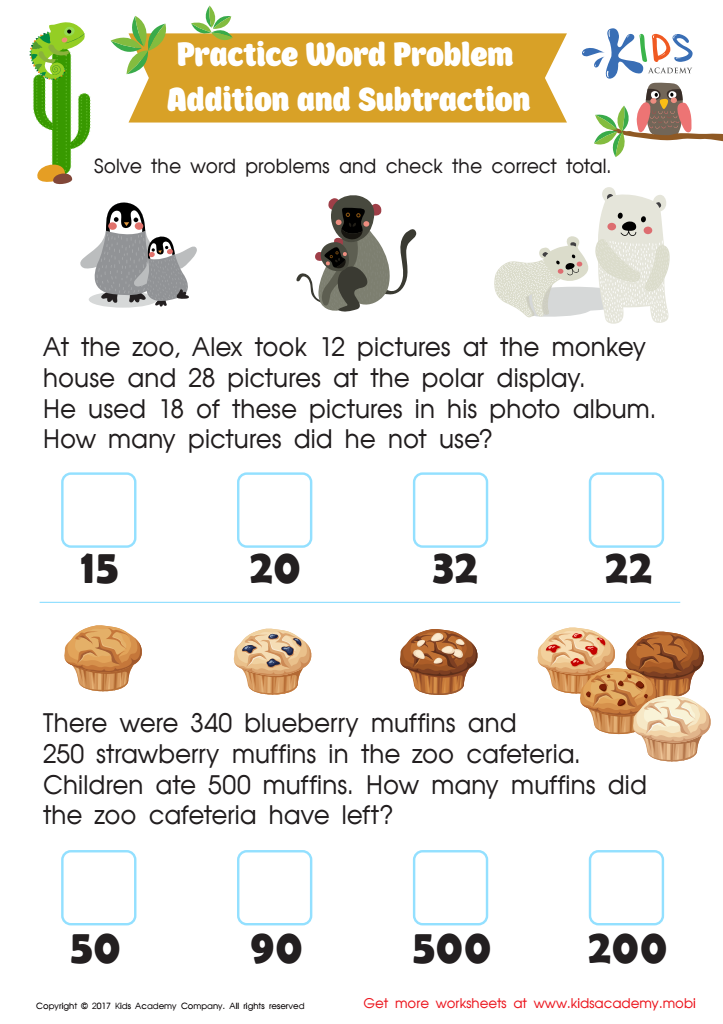
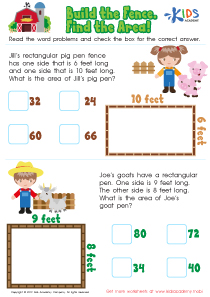
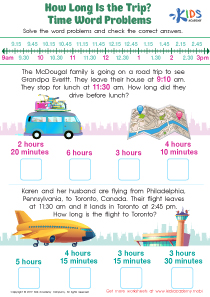
Addition and Subtraction: Word Problems Worksheet



Understanding the importance of reading comprehension in young children, especially ages 3-4, sets a significant foundation for their cognitive and academic growth. By integrating Two-step Word Problems, both parents and teachers can nurture essential skills such as critical thinking, pattern recognition, and problem-solving from an early age. During these formative years, children are particularly receptive to learning languages and concepts that underpin future academic success.
Two-step word problems require children to follow a sequence and understand relationships between numbers and real-world scenarios. This not only improves their ability to decode and comprehend complex sentences but also enhances their ability to think logically and sequentially. At ages 3-4, presenting problems in a playful, engaging manner can stimulate curiosity and encourage a love for learning. This exercises the brain and promotes the development of executive functions, such as working memory and cognitive flexibility.
Additionally, early mastery of these problems can build confidence in their mathematical abilities, reducing anxiety toward the subject later on. Therefore, caring about reading comprehension and teaching Two-step Word Problems enriches cognitive abilities, fosters a positive learning attitude, and ultimately prepares children for more challenging tasks in their educational journey. Incorporating these elements into a child's learning environment is an investment in their long-term academic and personal success.