Counting skills Building Vocabulary Worksheets for Ages 3-4
12 filtered results
-
From - To
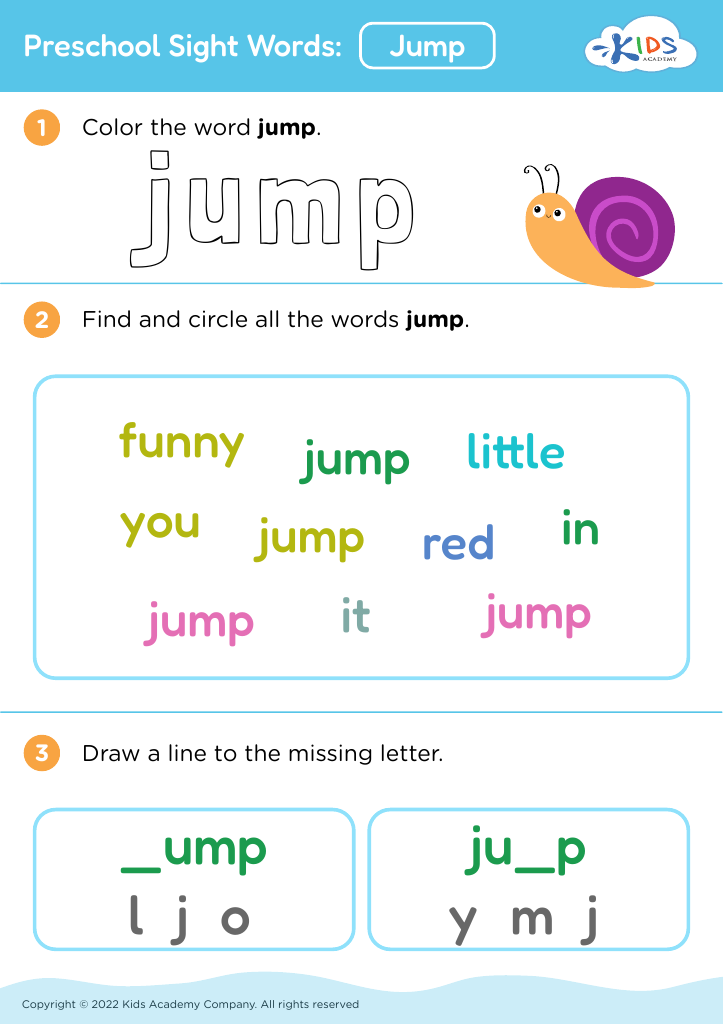
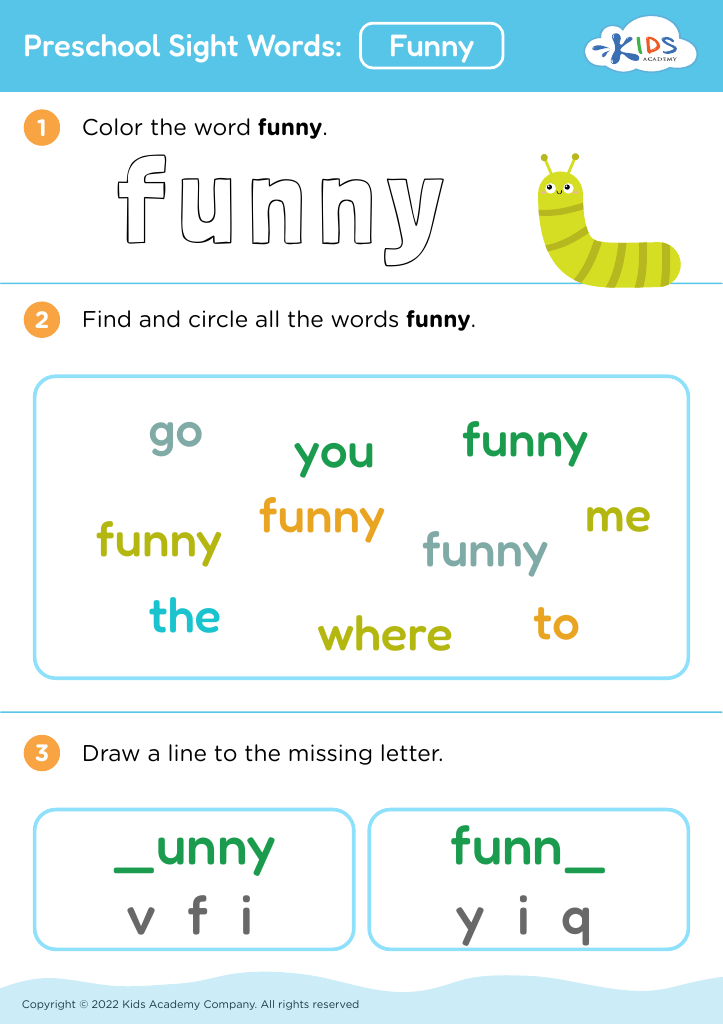
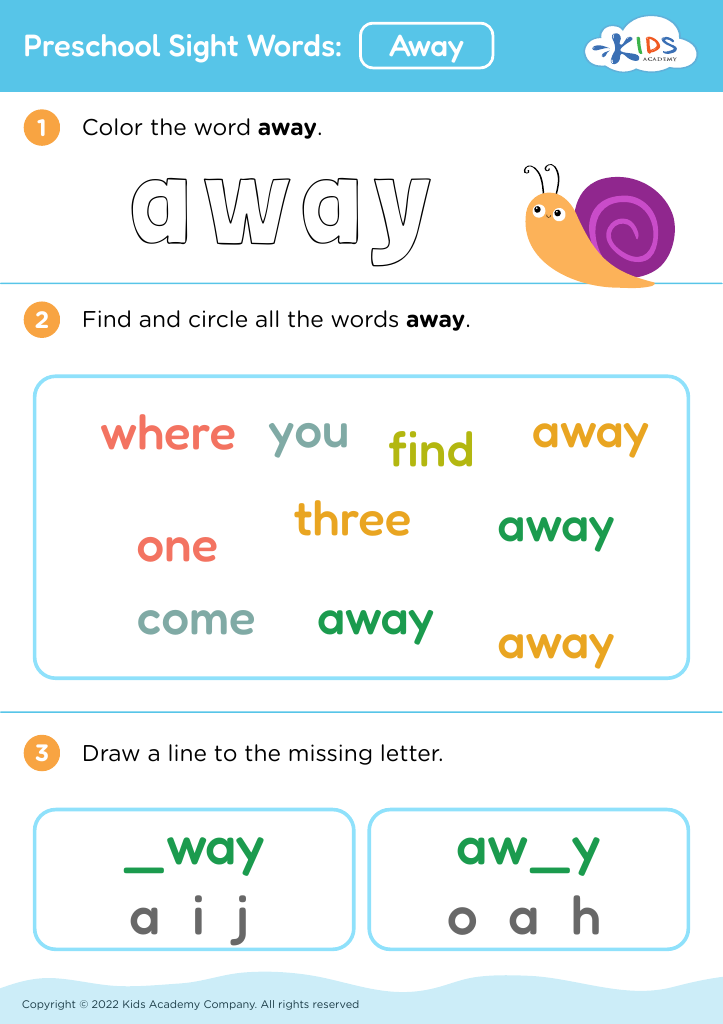
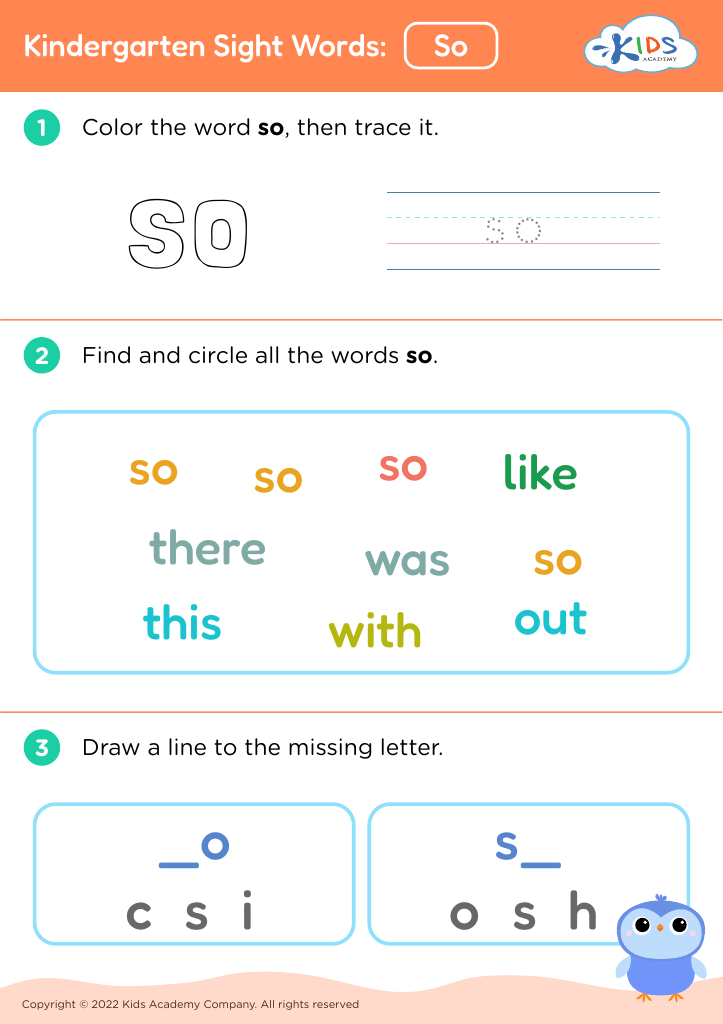
Discover our engaging Counting Skills Building Vocabulary Worksheets designed specifically for children aged 3-4. These fun, interactive worksheets help little ones develop their counting abilities while simultaneously enhancing their vocabulary. Colorful illustrations and age-appropriate activities keep young learners motivated and excited about learning. Each worksheet encourages children to practice counting objects, reinforcing number recognition while integrating related vocabulary. Perfect for home or classroom use, our resources support early learning, helping children build foundational skills essential for future success. Download today and watch your child's confidence and knowledge grow as they explore the world of numbers and words!
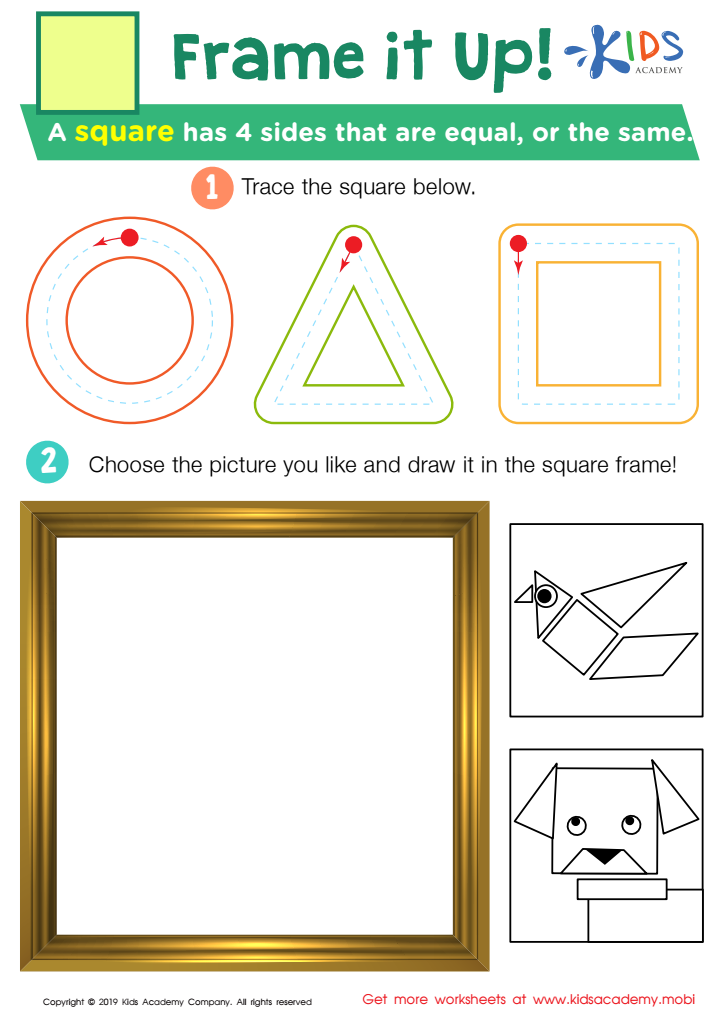
Frame it Up Worksheet
 Assign to My Students











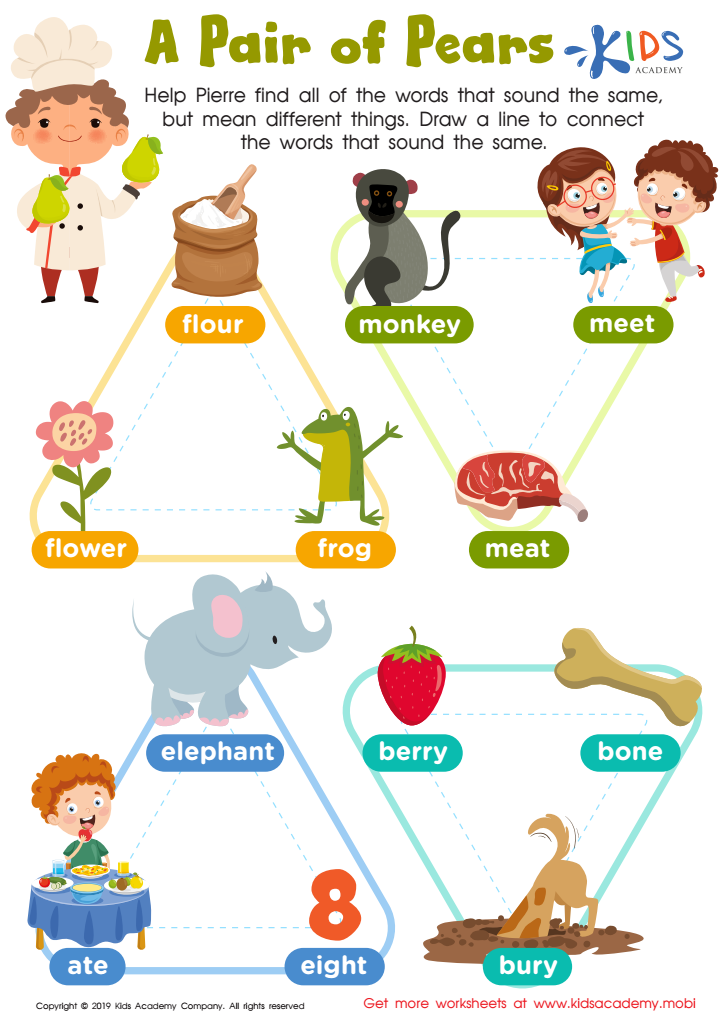
Pair Pears Worksheet
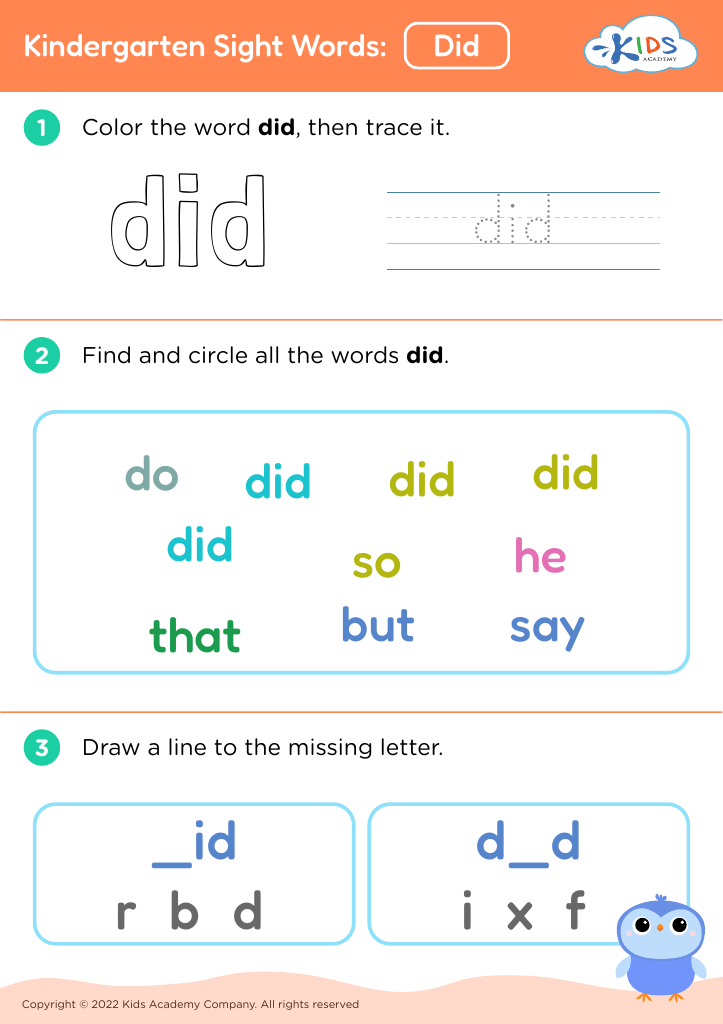
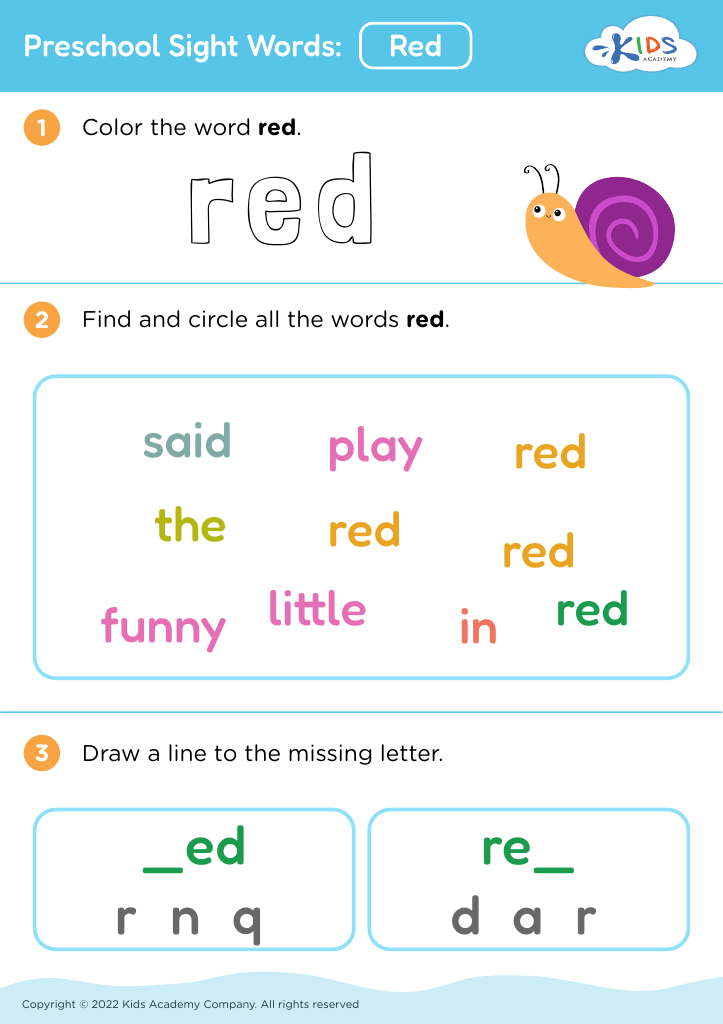



.jpg)




Counting skills and vocabulary building are crucial for children aged 3-4, as they lay the foundation for future academic success and overall cognitive development. During this formative stage, children are naturally curious, and engaging them in counting activities encourages mathematical thinking. Understanding numbers and their relationships enhances problem-solving skills and boosts confidence in handling math concepts later on.
In addition to counting, developing a robust vocabulary is essential for children's language and communication skills. At this age, children are rapidly expanding their vocabulary and learning how to express their thoughts clearly. A rich vocabulary correlates with better reading and writing abilities in later years, which are critical for academic achievement.
Parents and teachers play a vital role in fostering these skills through playful activities, such as counting games or storytelling that incorporates new words. This not only supports a child's cognitive growth but also enhances their social skills as they interact and communicate with peers.
By caring about counting skills and vocabulary building, adults help cultivate a child’s love for learning and equip them with the essential tools to navigate the world around them, setting a positive trajectory for their educational journey.








