Fine Motor Skills Building Vocabulary Worksheets for Ages 3-4
11 filtered results
-
From - To
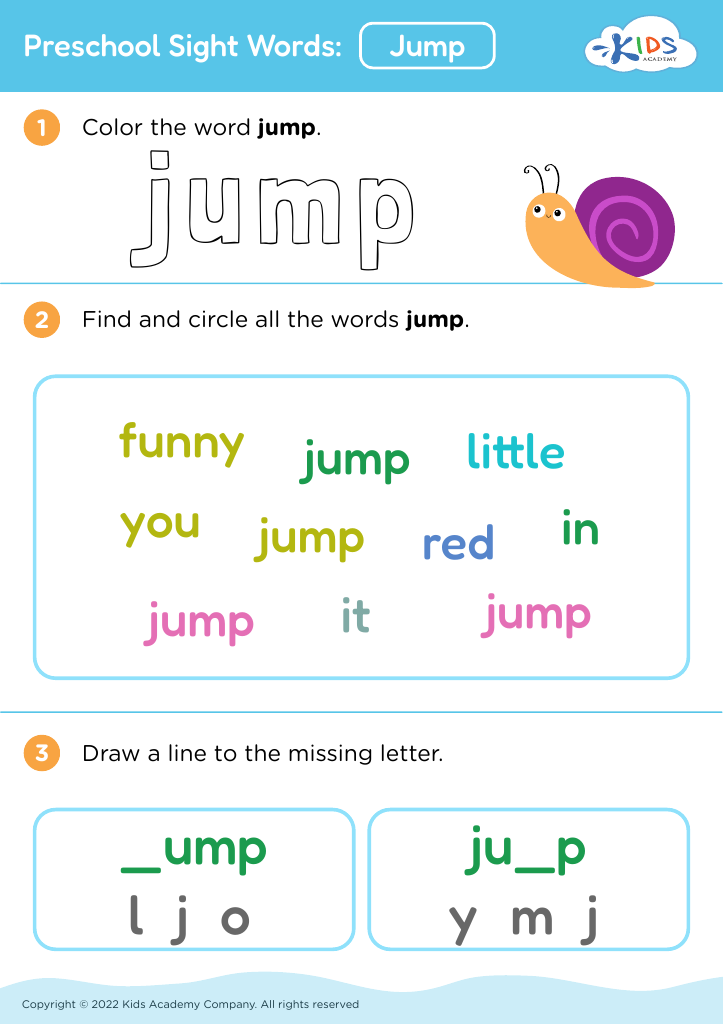
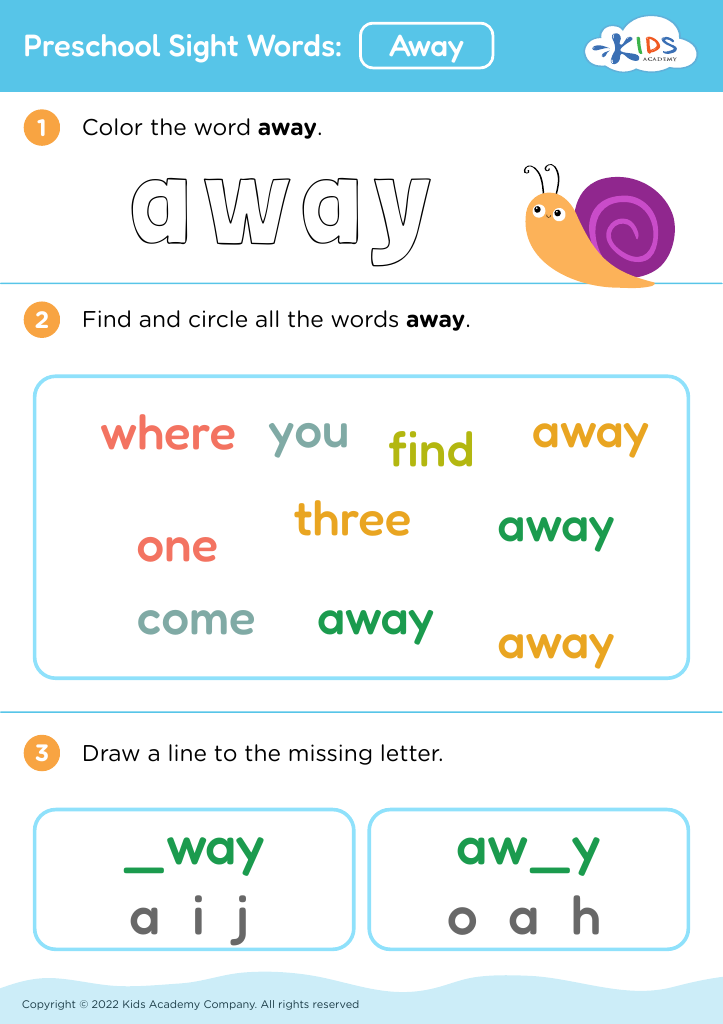
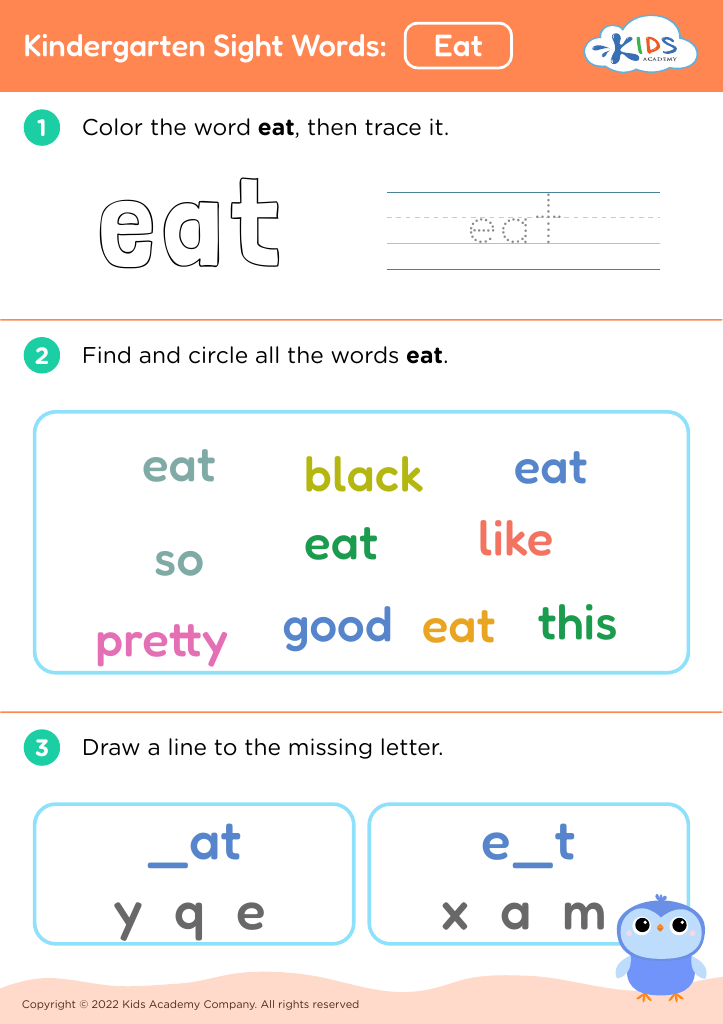
Enhance your child's language and dexterity with our "Fine Motor Skills Building Vocabulary Worksheets for Ages 3-4." Each worksheet is expertly designed to develop young learners' vocabularies while simultaneously refining their fine motor capabilities. Through engaging activities like tracing, matching, and coloring, children will expand their word knowledge and hand-eye coordination. Perfect for preschoolers, these exercises blend educational content with fun, ensuring kids stay captivated and motivated. Ideal for use at home or in the classroom, our worksheets provide the solid foundation necessary for fluent reading and confident writing. Start your child's learning adventure today!
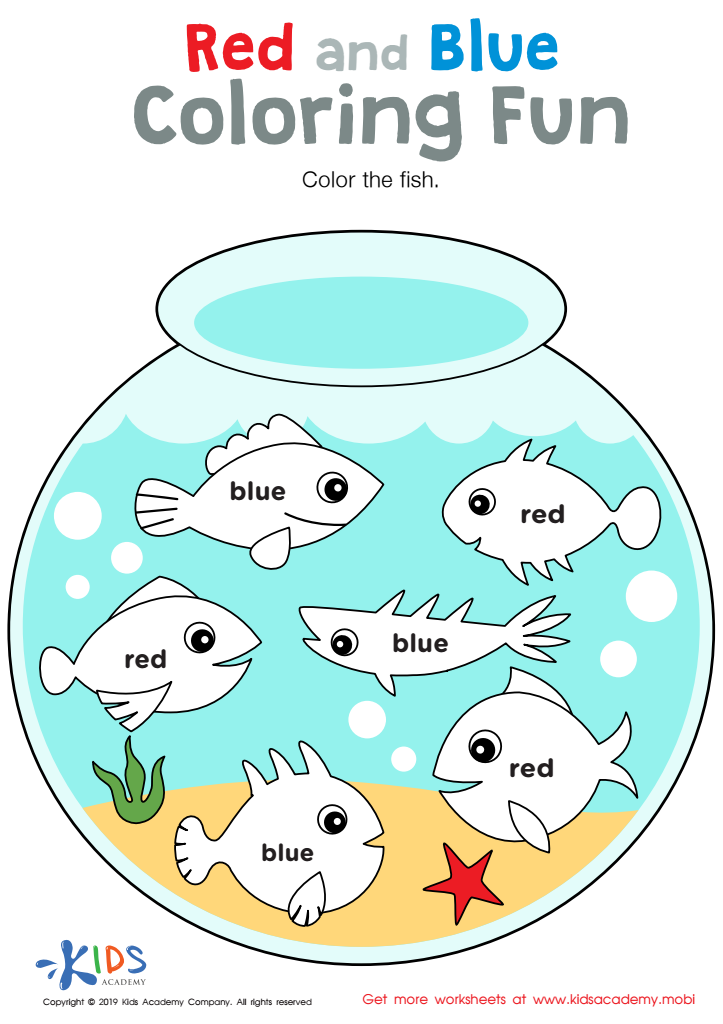
Red and Blue Coloring Fun Worksheet
 Assign to My Students











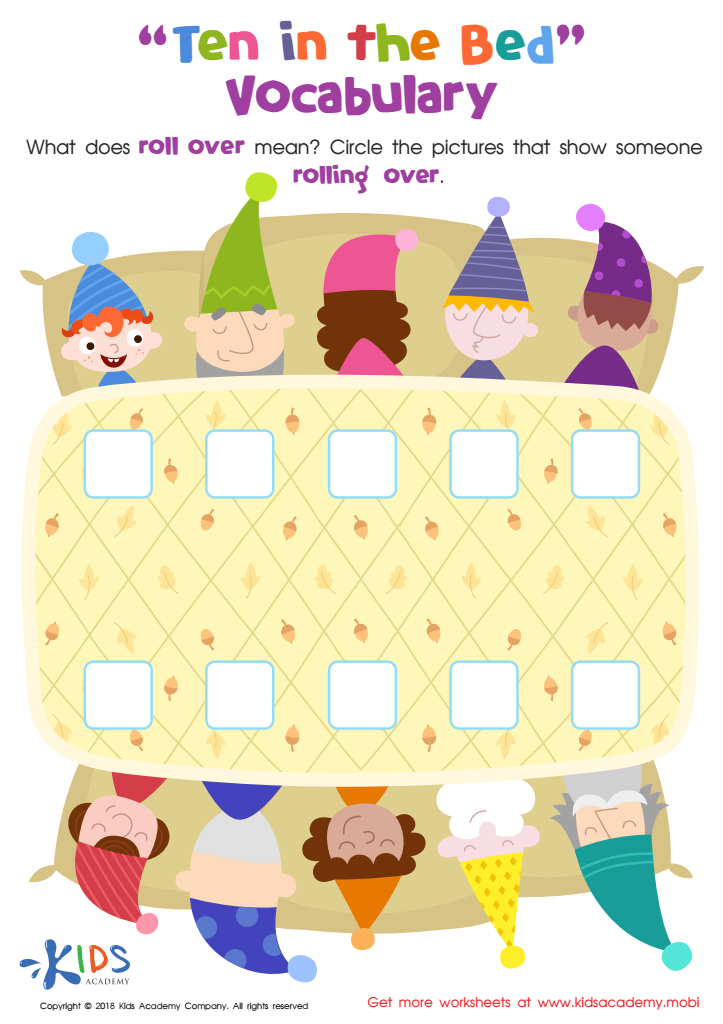
Ten in the Bed: Vocabulary Worksheet
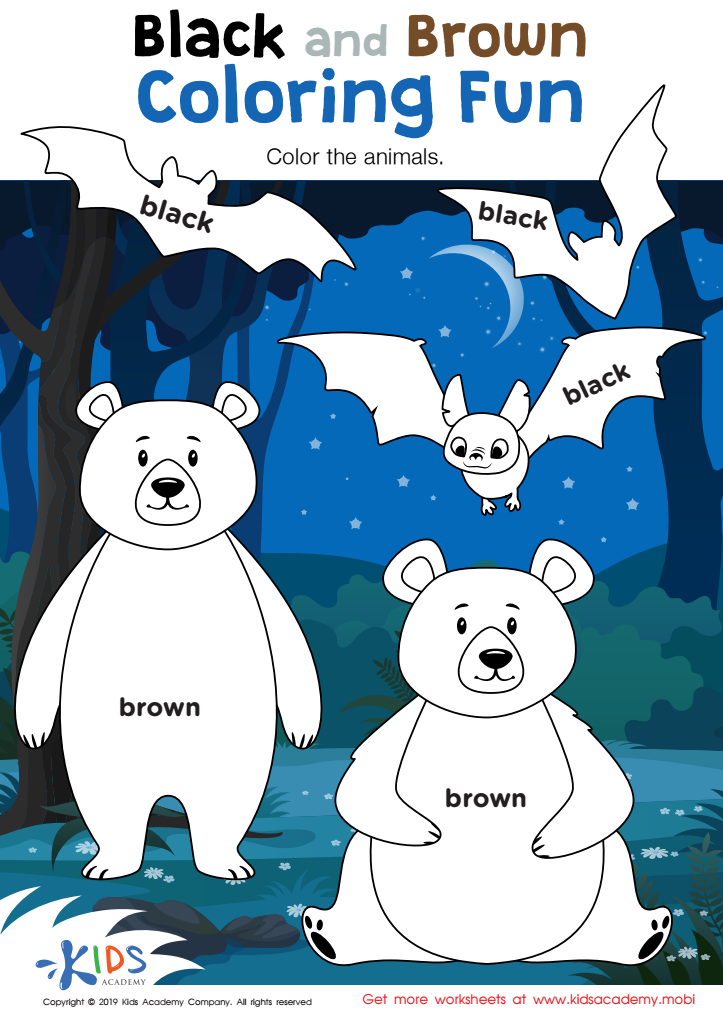
Black and Brown Coloring Fun Worksheet
Assign to My Students
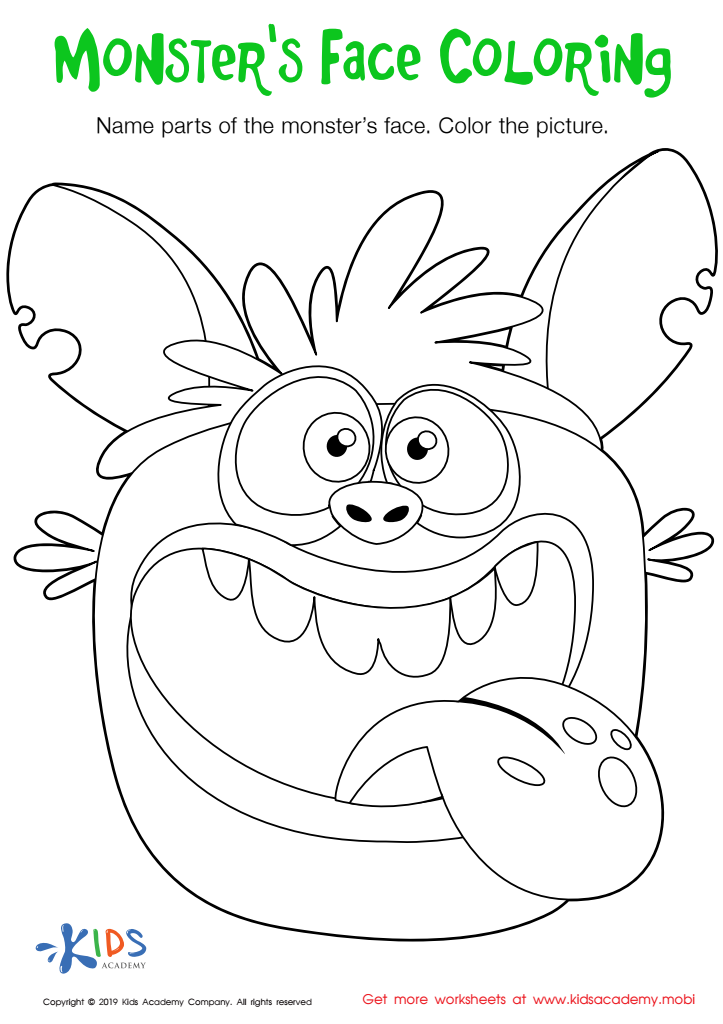
Monster's Face Coloring Worksheet
Assign to My Students
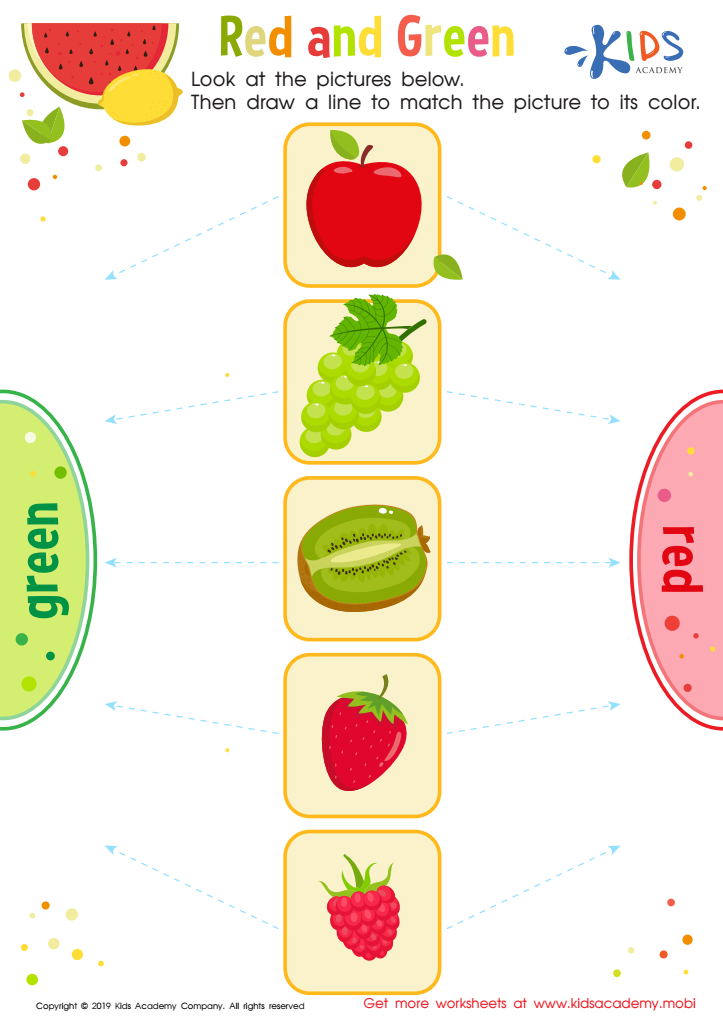
Red and Green Worksheet
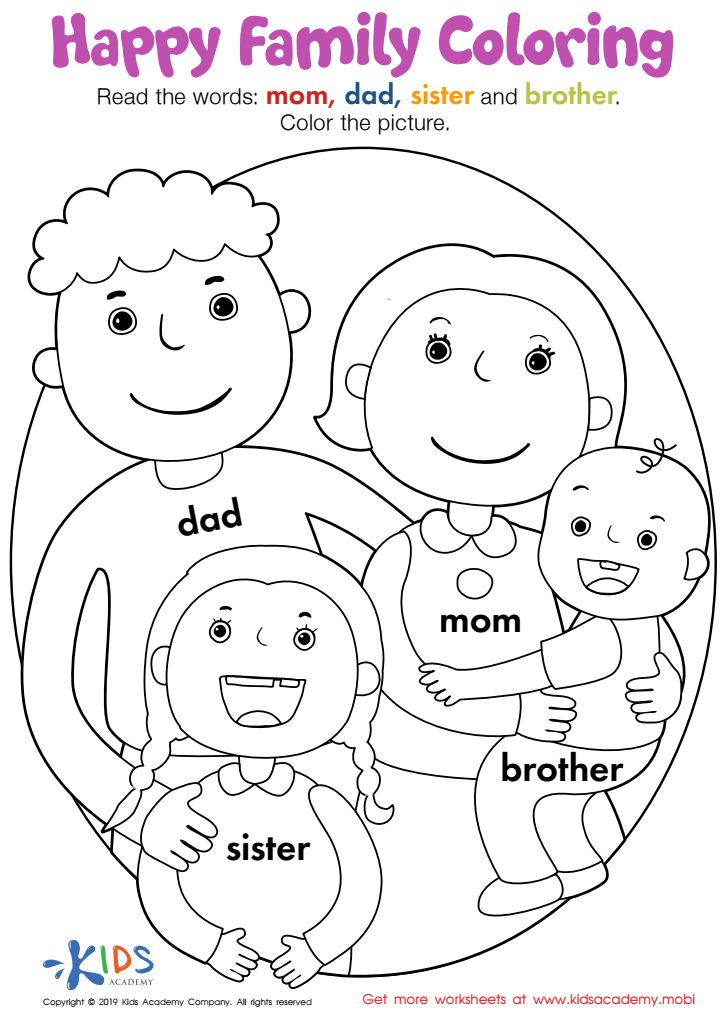
Happy Family Coloring Worksheet
Assign to My Students
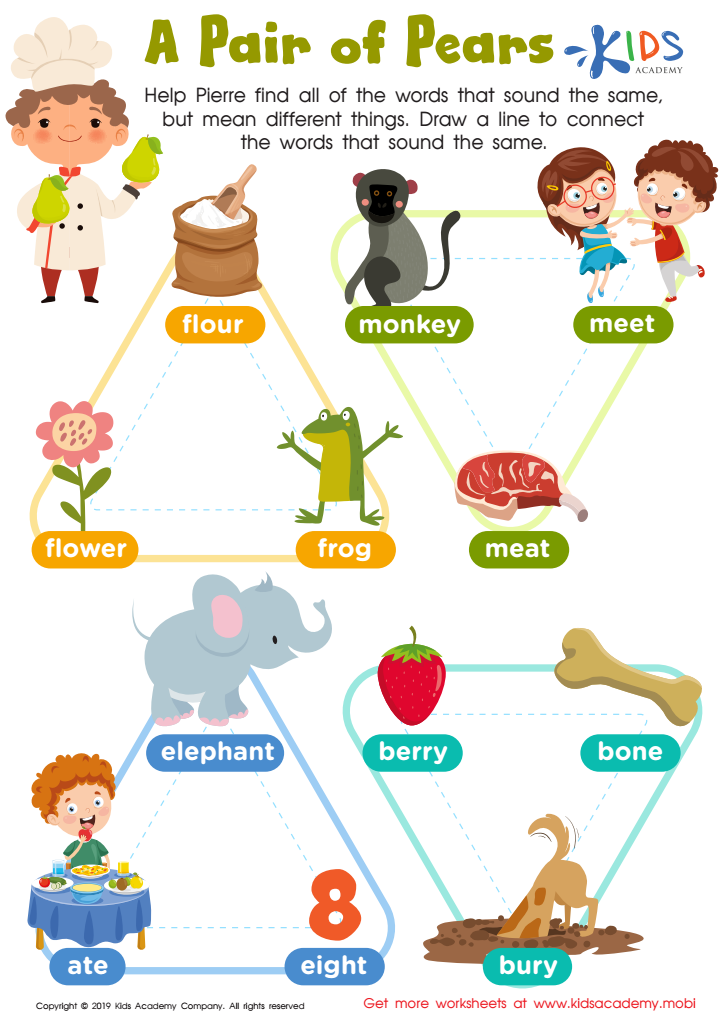
Pair Pears Worksheet
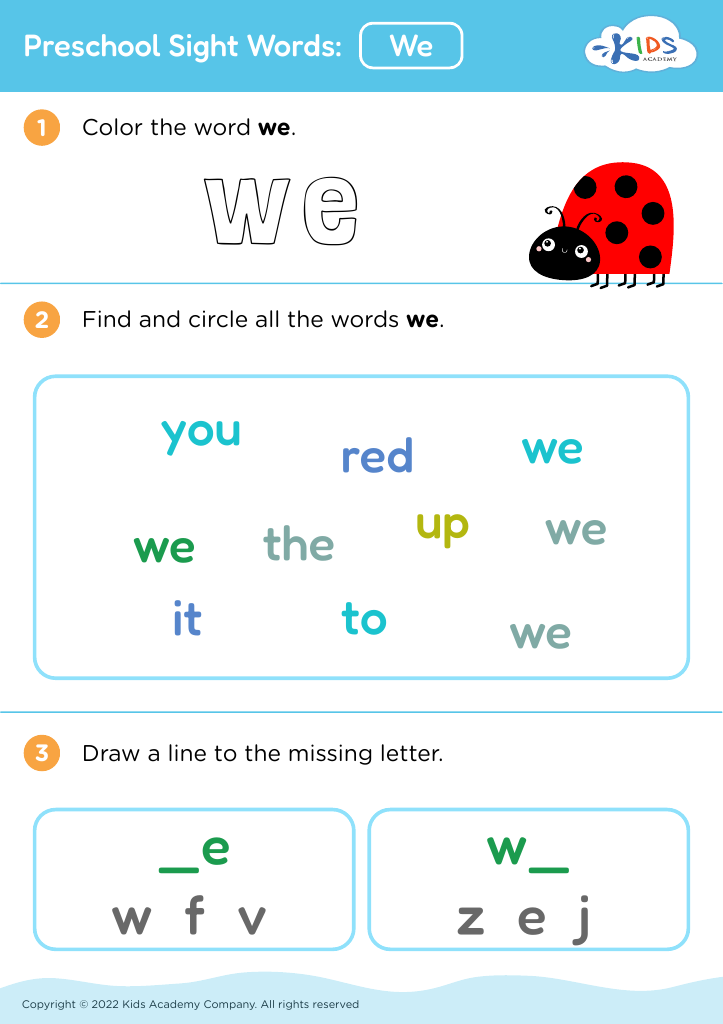







Fine motor skills refer to the use of small muscles in the hands and fingers, enabling tasks such as writing, buttoning, or using utensils. For children aged 3-4, developing these skills is crucial because they lay the foundation for later academic and daily life activities. Parents and teachers need to invest in building fine motor skills to ensure a child's overall growth and readiness for school.
At this age, children are in a critical period of learning, where they rapidly absorb new information and develop essential skills. Fine motor skills directly impact a child's ability to manipulate objects, which is integral for tasks like coloring, cutting shapes, and eventually writing letters and numbers. Strong fine motor skills can also bolster a child's independence and confidence in completing everyday tasks, like dressing, feeding themselves, or playing with small toys.
Moreover, building fine motor skills helps in strengthening hand-eye coordination, enabling a child to perform tasks requiring precision. This skill development also contributes to neural connections in the brain, facilitating cognitive and language development.
Incorporating activities, such as sorting small objects, playing with clay, or using tweezers, can greatly benefit fine motor skills at this formative age, setting a solid groundwork for future educational and personal success. Therefore, parents and teachers should prioritize fine motor skill development, recognizing its long-term significance in a child’s growth.








