
Fraction simplification Building Vocabulary Worksheets for Ages 3-4
5 filtered results
Difficulty Level
Grade
Age
-
From - To
Subject
Activity
Standards
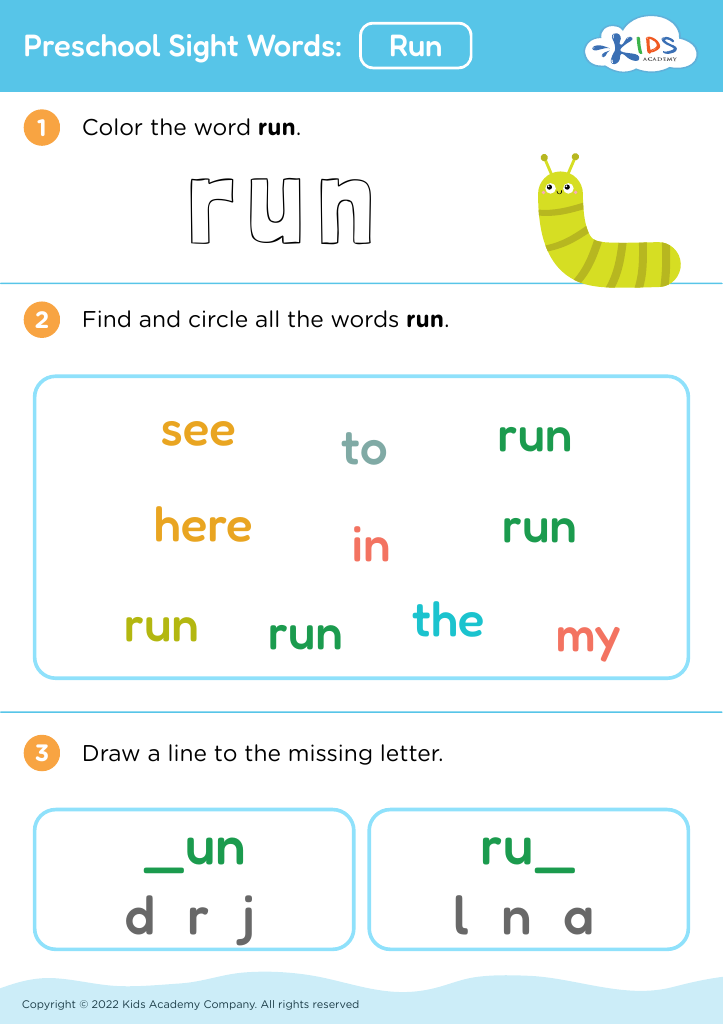
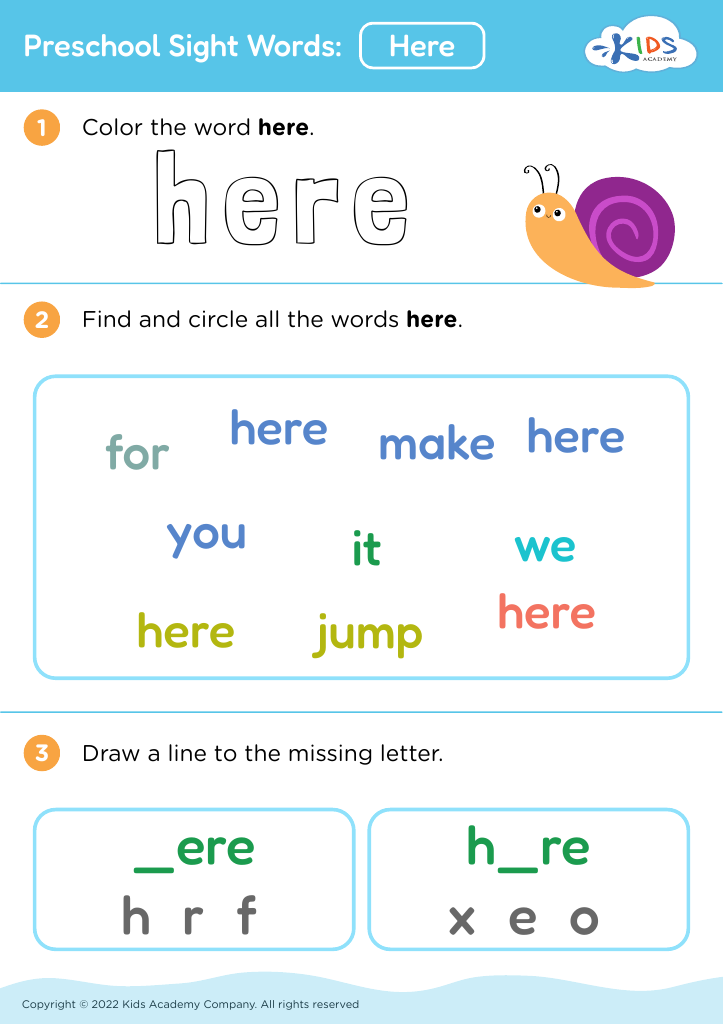
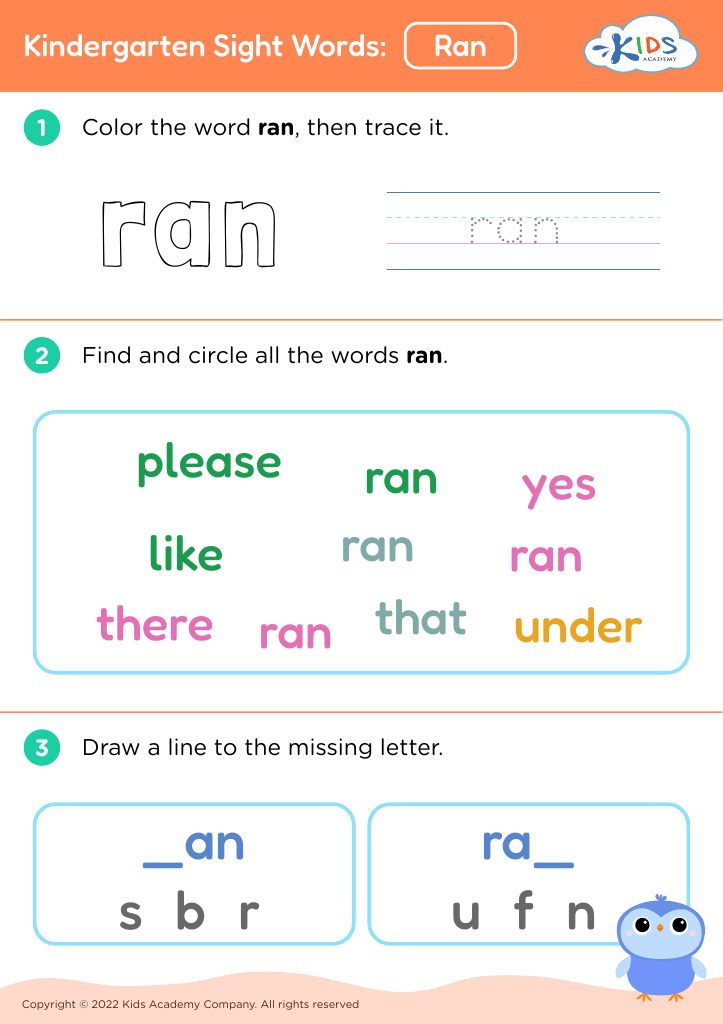
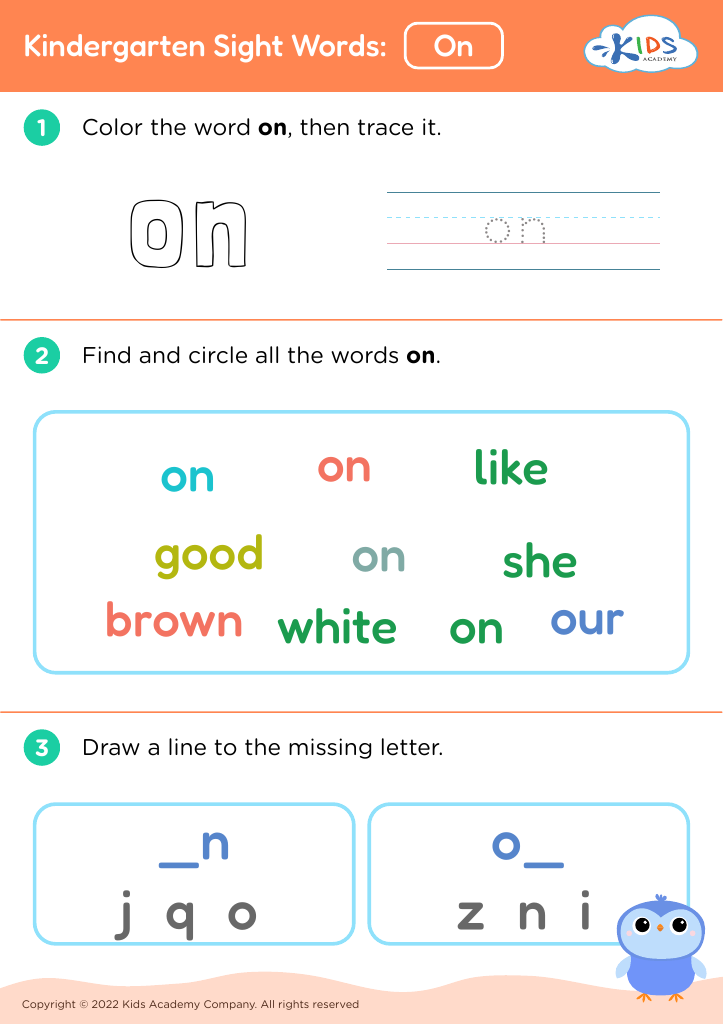
Introduce your young learners to the exciting world of fractions with our "Fraction Simplification Building Vocabulary Worksheets for Ages 3-4." Designed to make early math fun and engaging, these printable worksheets help children grasp basic fraction concepts while building essential vocabulary. Our activities are crafted to simplify fraction learning through colorful visuals, simple instructions, and interactive tasks that stimulate curiosity and foster foundational math skills. Perfect for preschoolers and kindergartners, these worksheets offer an enjoyable and effective way to develop young minds and set them on a path to academic success. Explore today and watch your child's confidence grow!
Favorites
With answer key
Interactive











Join Kids Academy for Free
Who is primarily going to use this learning content?








While fractions and vocabulary might seem advanced for ages 3-4, introducing foundational concepts can significantly enhance a child's early cognitive and language development. At this formative stage, children are particularly receptive to learning, and engaging them through simplified versions of these concepts can have long-term benefits.
Fraction simplification at this age isn't about complex arithmetic, but about instilling a sense of number relationships and parts of a whole in a playful and intuitive manner. Concepts like sharing equally, using terms like "half" or “whole,” can lay the groundwork for more formal math learning later on. Activities involving dividing snacks or toys can make these ideas tangible and fun, paving the way for future mathematical problem-solving skills.
Simultaneously, building vocabulary is crucial since language is the primary medium through which children understand the world, communicate, and learn new concepts. A rich vocabulary helps children express themselves more clearly, follow instructions, and engage more deeply with their environment. Simple, interactive activities, such as storytelling, singing songs, and playing naming games, enhance linguistic skills.
Together, these early lessons not only make learning more holistic and integrated but also nurture critical thinking, cooperation, and communication abilities. By caring about such foundational aspects, parents and teachers can give children a head start on the path to academic success and everyday competence.








