Identifying shapes Building Vocabulary Worksheets for Ages 3-4
5 filtered results
-
From - To
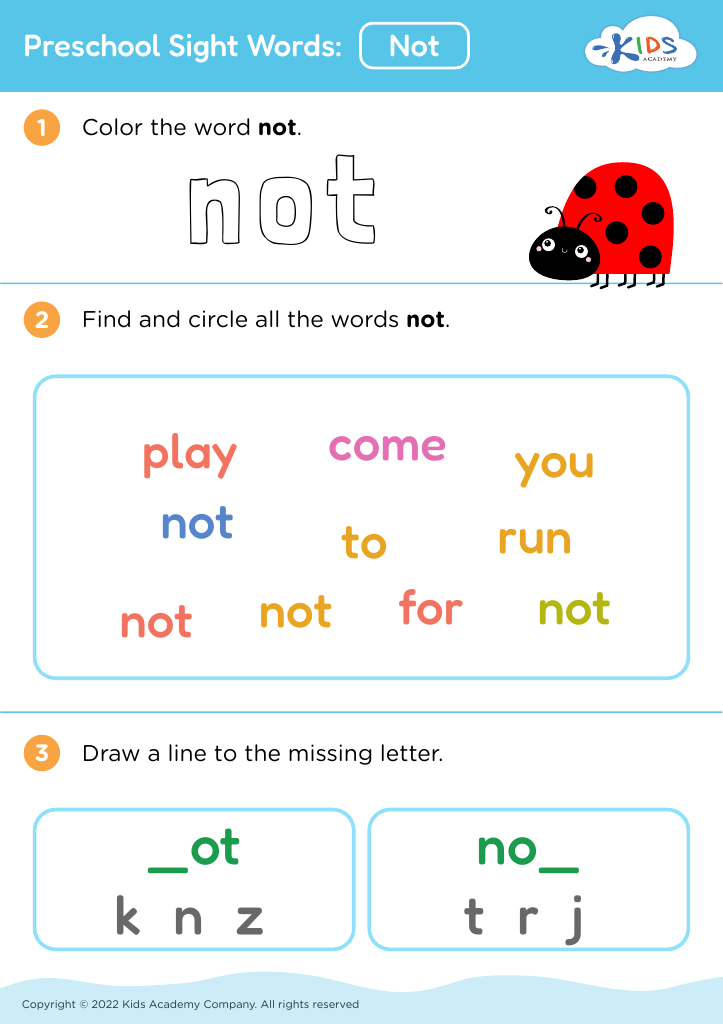
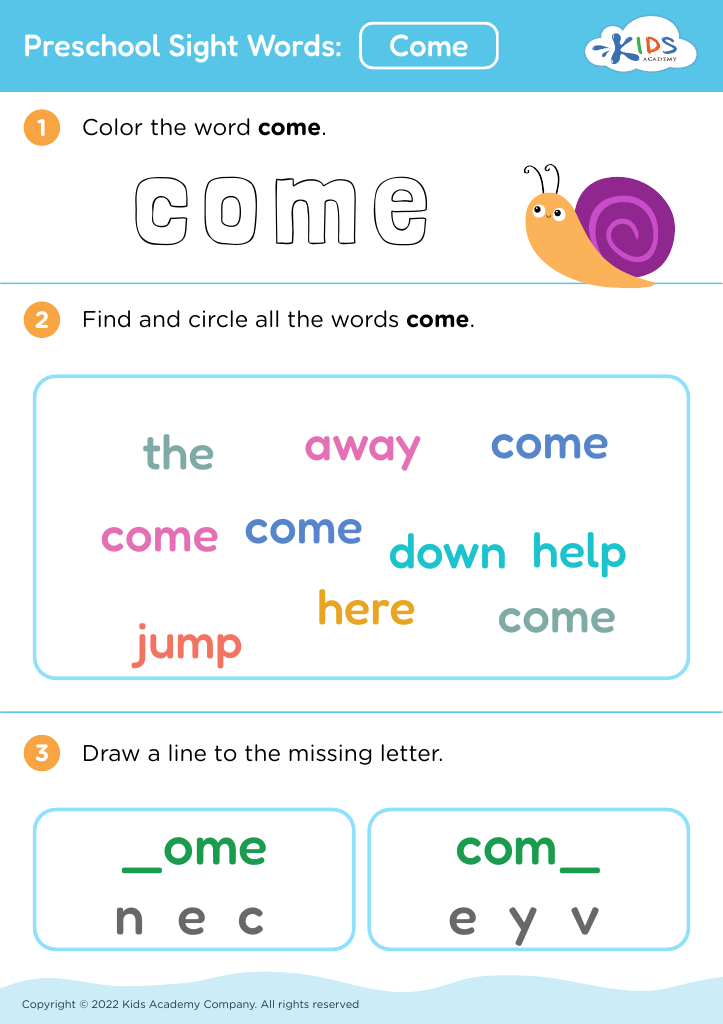
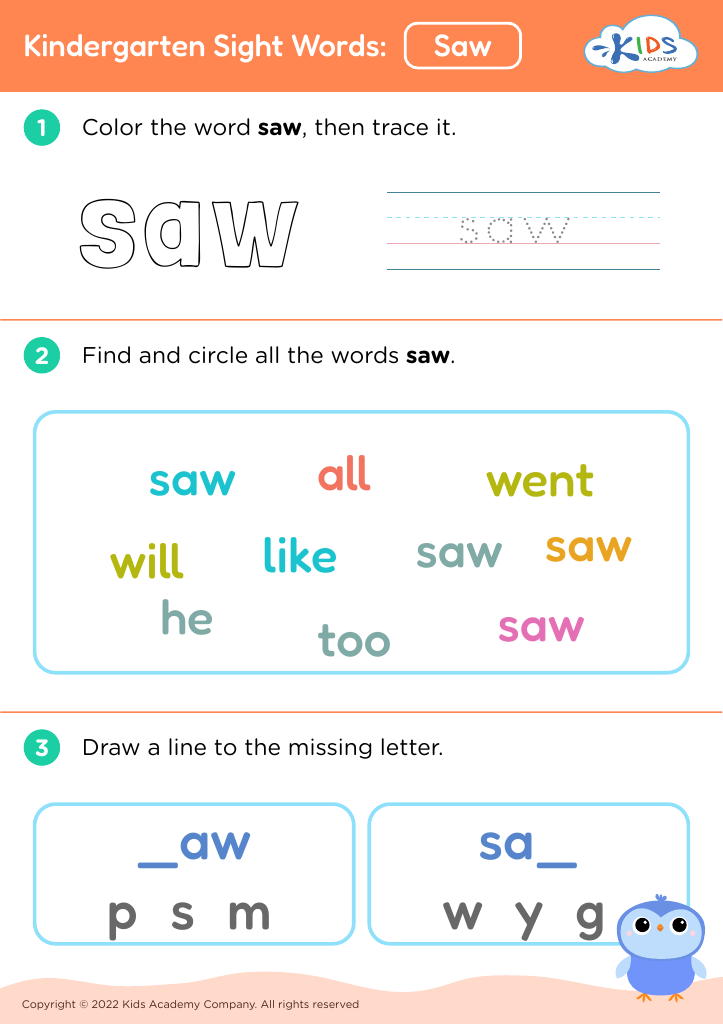
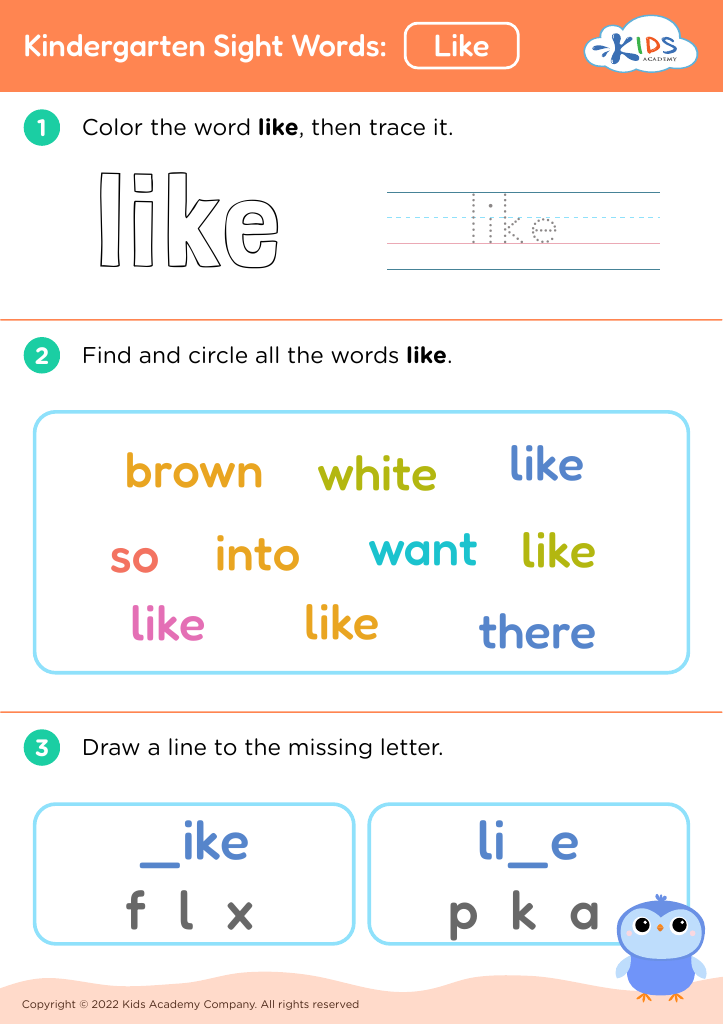
Introduce your little ones to the fascinating world of shapes and vocabulary with our expertly crafted worksheets for ages 3-4. These engaging, printable activities seamlessly blend fun and learning, helping children identify and name basic shapes while building essential vocabulary skills. Perfect for young learners, our worksheets feature colorful illustrations and simple instructions that capture their interest and boost their confidence. Ideal for both classroom and at-home use, these resources foster early learning development, visual recognition, and language improvement. Start the journey of discovery with our Identifying Shapes and Building Vocabulary Worksheets, designed to make learning enjoyable and effective!


















.jpg)
Identifying shapes and building vocabulary are crucial components of early childhood development, particularly for children aged 3-4. Understanding shapes forms a fundamental basis for later mathematical concepts, contributing to skills like geometry, spatial awareness, and pattern recognition. When children learn to identify and name shapes, they are not only recognizing visual properties but also developing their analytical thinking and problem-solving abilities. For example, understanding that a square has four equal sides helps them grasp more complex ideas down the road, such as symmetry and measurement.
Simultaneously, building vocabulary at this tender age enriches children's linguistic skills and enhances their ability to communicate effectively. A robust vocabulary facilitates better understanding of instructions, storytelling, and social interactions, laying a strong foundation for reading and writing skills. It also bolsters cognitive development as children learn to categorize and describe their world more accurately.
Moreover, integrating shape identification with vocabulary building creates a multi-dimensional learning experience. For instance, a teacher might say, "This is a triangle; it has three sides," combining geometric and descriptive language. This interconnection not only cements both concepts but also makes learning engaging and practical.
Thus, attention to these areas ensures a well-rounded early education, preparing children for future academic successes and everyday interactions.








