Improve counting skills Building Vocabulary Worksheets for Ages 3-4
3 filtered results
-
From - To
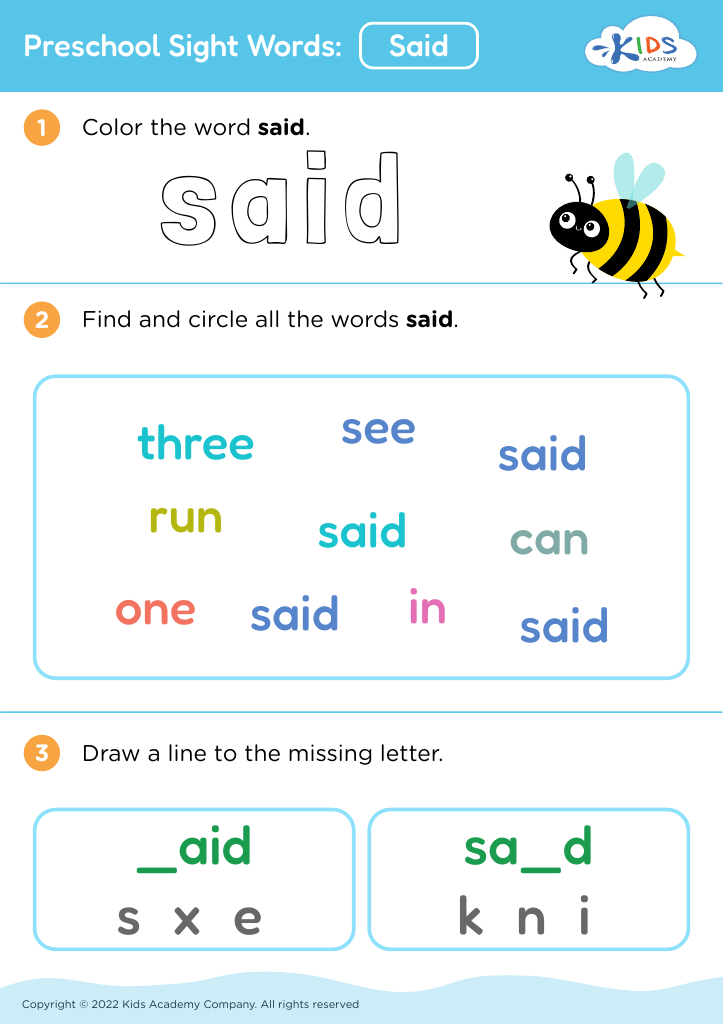
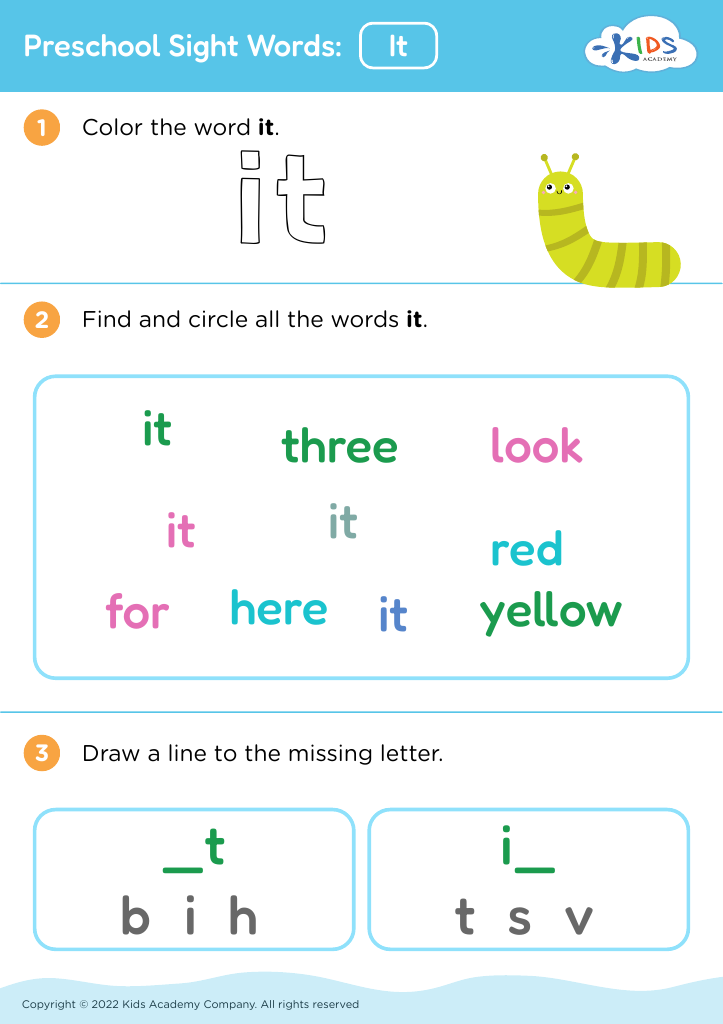
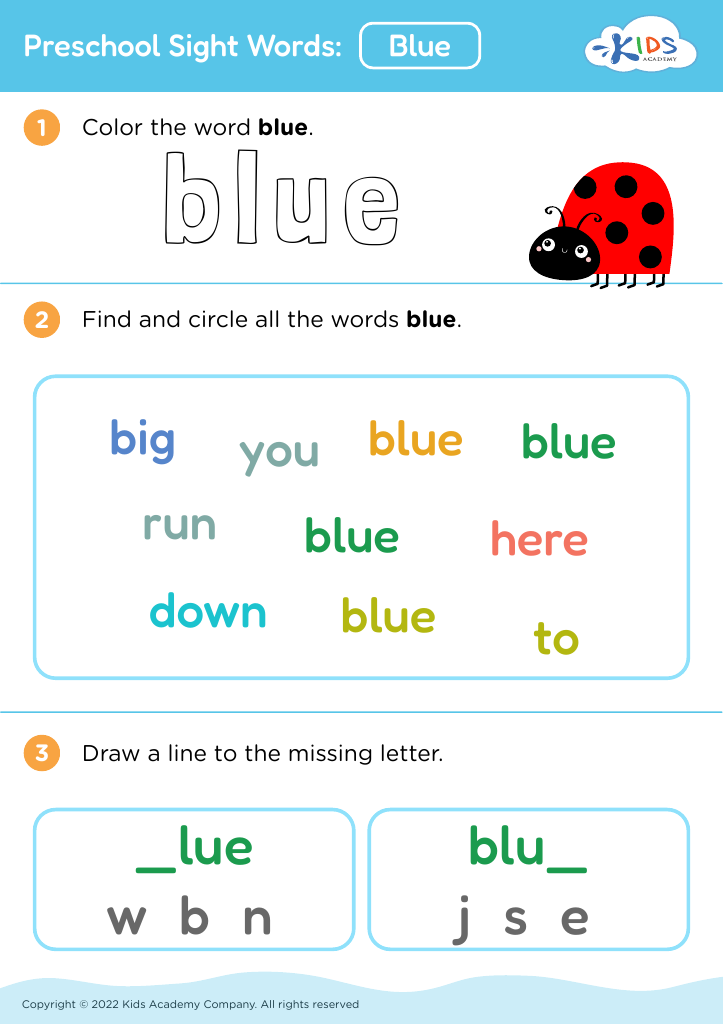
Boost your child's counting abilities with our engaging Counting Skills Worksheets designed specifically for ages 3-4! These interactive worksheets not only help children master essential counting concepts but also enhance their vocabulary through playful activities. Children will delight in counting objects, matching numbers, and exploring colorful visuals that make learning fun. Our thoughtfully crafted exercises encourage early numeracy skills while fostering a love for words. Perfect for home or classroom use, these worksheets provide a solid foundation for future math and language success. Watch your little learners thrive as they build confidence and competence with numbers and vocabulary!
















.jpg)


Parents and teachers should prioritize improving counting skills and building vocabulary for children ages 3-4 because these foundational abilities play a crucial role in early childhood development. Proficient counting skills foster a child's mathematical readiness, setting the stage for higher-level math concepts in the future. By engaging in counting activities through daily routines—like counting toys or steps—children develop one-to-one correspondence, numeral recognition, and an understanding of quantity, which are vital for problem-solving and critical thinking.
Simultaneously, vocabulary development is equally essential at this age. Expanding a child’s vocabulary enhances their ability to communicate effectively, express emotions, and engage socially. A rich vocabulary supports reading comprehension and introduces children to the world around them, encouraging curiosity and learning. Techniques such as reading to children, engaging in conversations, and introducing varied vocabulary through songs and rhymes can significantly boost language skills.
Together, improved counting skills and vocabulary building lay the groundwork for academic success, fostering confidence and enthusiasm for learning. Investing time and resources into these areas not only benefits children in school but also shapes well-rounded individuals who is prepared to tackle the challenges of the future.








