Logical Reasoning Building Vocabulary Worksheets for Ages 3-4
7 filtered results
-
From - To
Unlock your child's potential with our "Logical Reasoning Building Vocabulary Worksheets" designed specifically for ages 3-4. These engaging and educational worksheets from Kids Academy blend fun activities with key vocabulary-building exercises. Enhance your preschooler’s logical thinking, reading, and language skills through creatively themed, hands-on tasks. Our expertly crafted materials foster cognitive development, encouraging young learners to make connections and understand relationships between words. Perfect for at-home learning or classroom use, these worksheets provide a solid foundation for your child’s academic journey. Help your little one advance their reasoning abilities while expanding their vocabulary seamlessly!
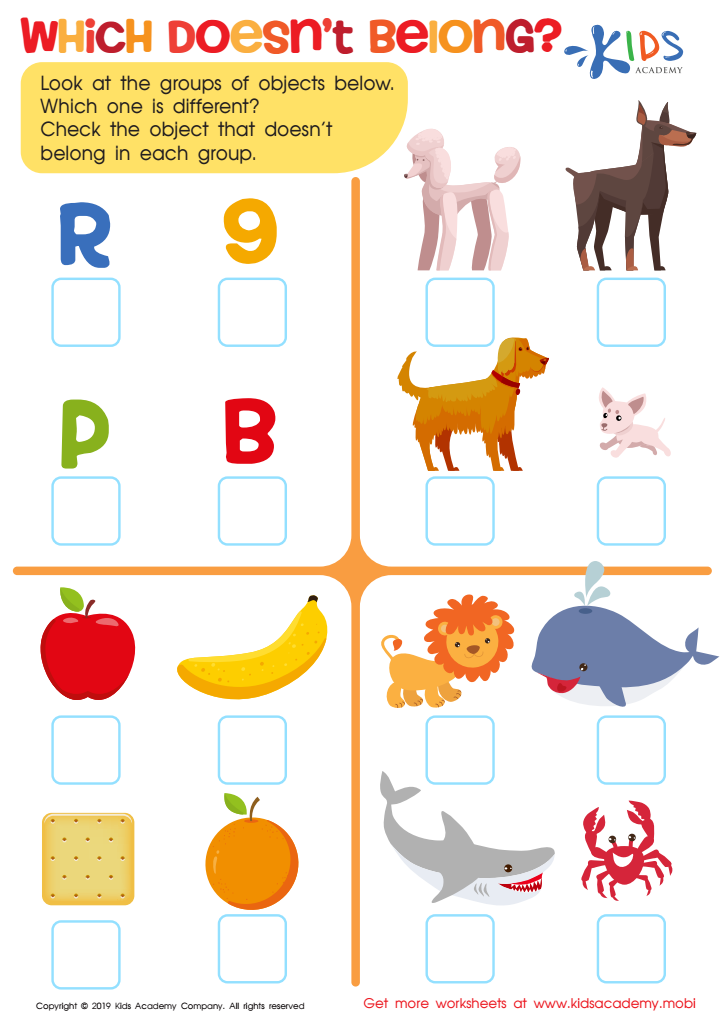
Which Doesn't Belong? Worksheet
 Assign to My Students











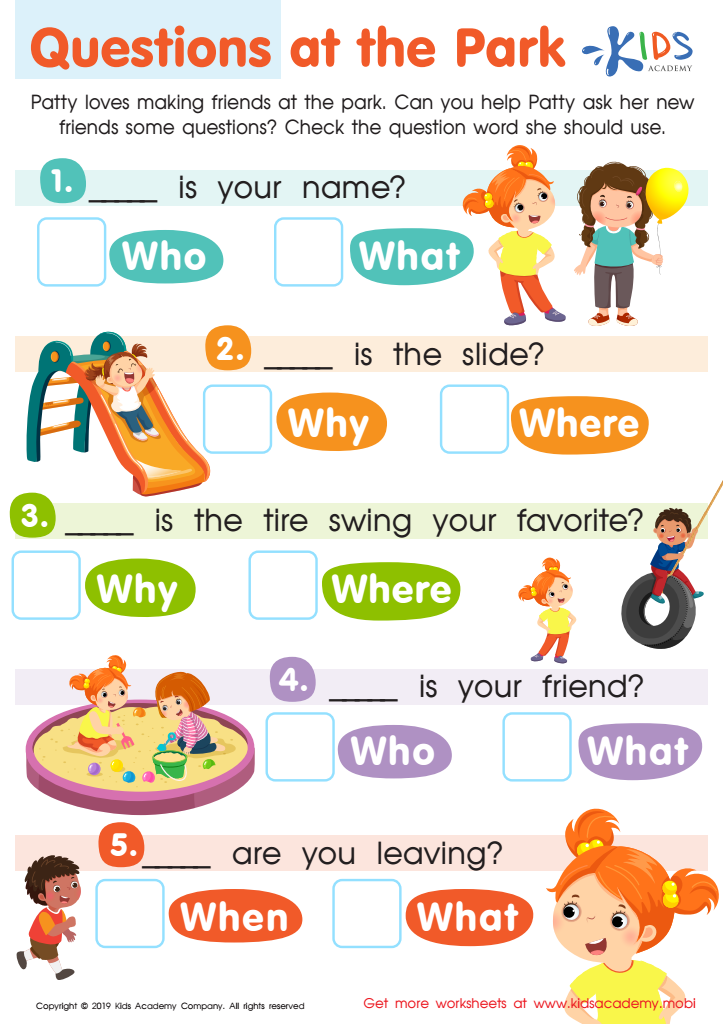
Questions at the Park Worksheet
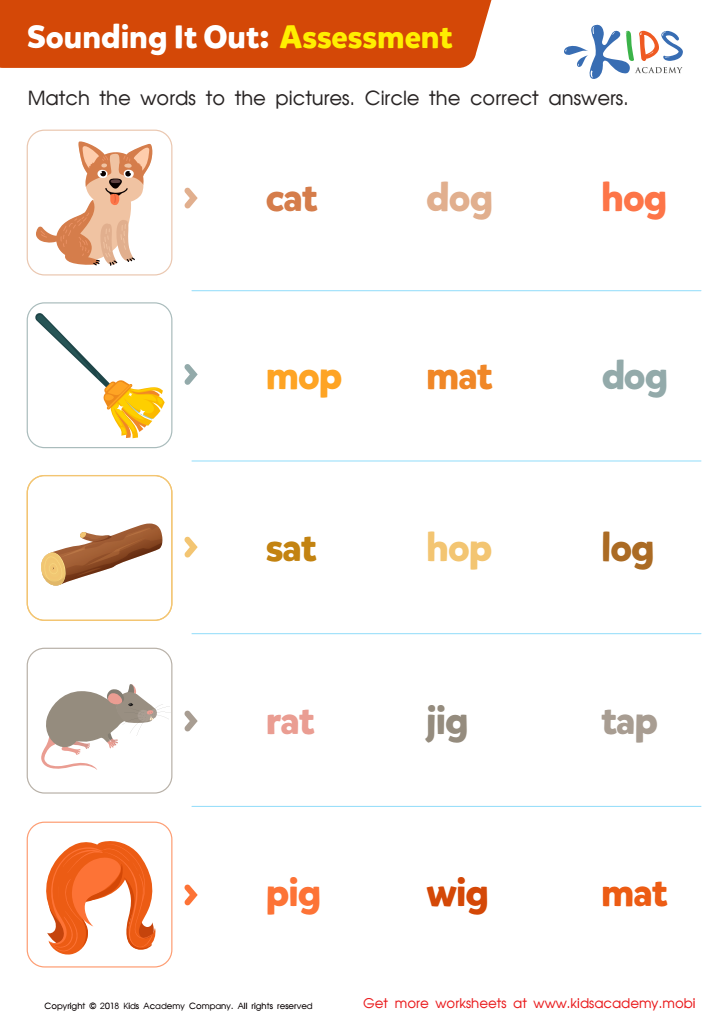
Sounding it Out: Assessment Worksheet
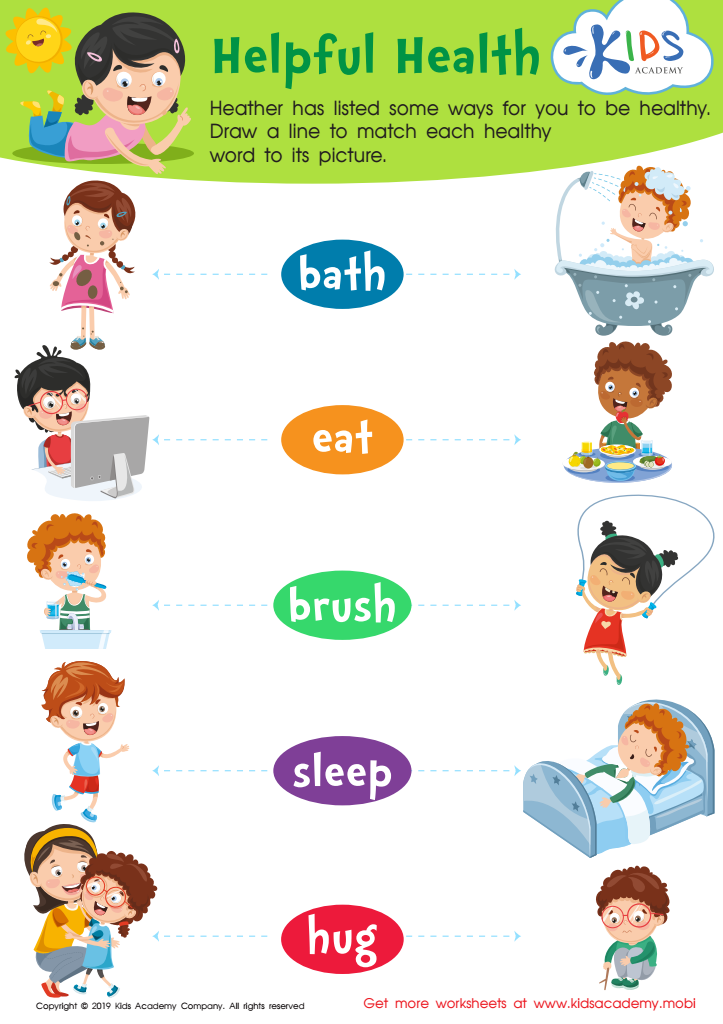
Helpful Health Worksheet
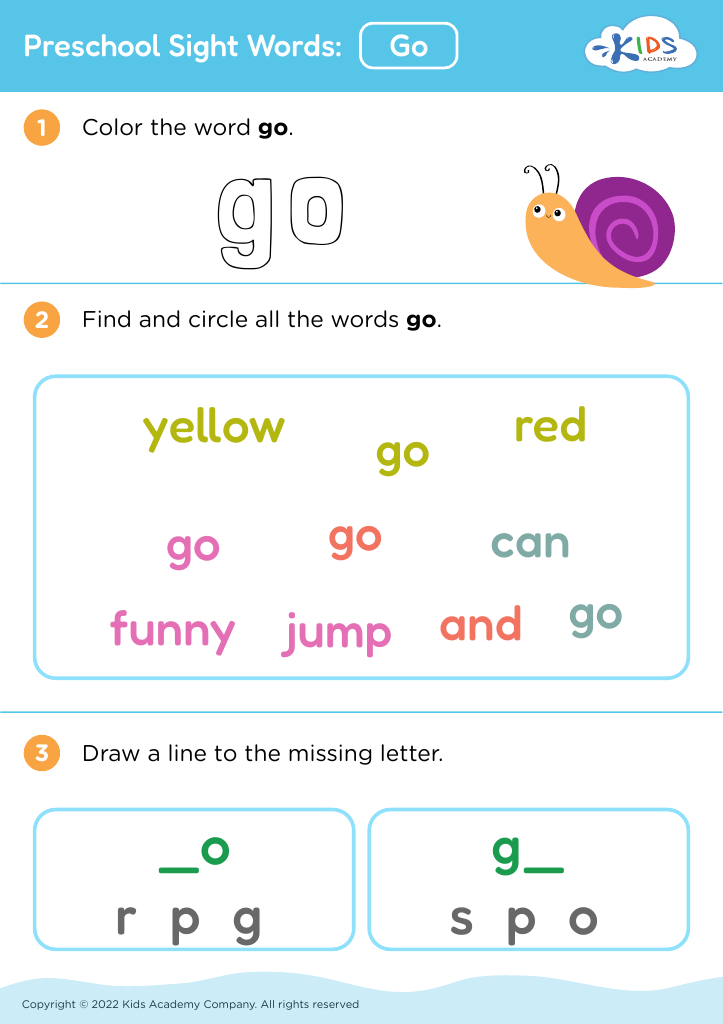
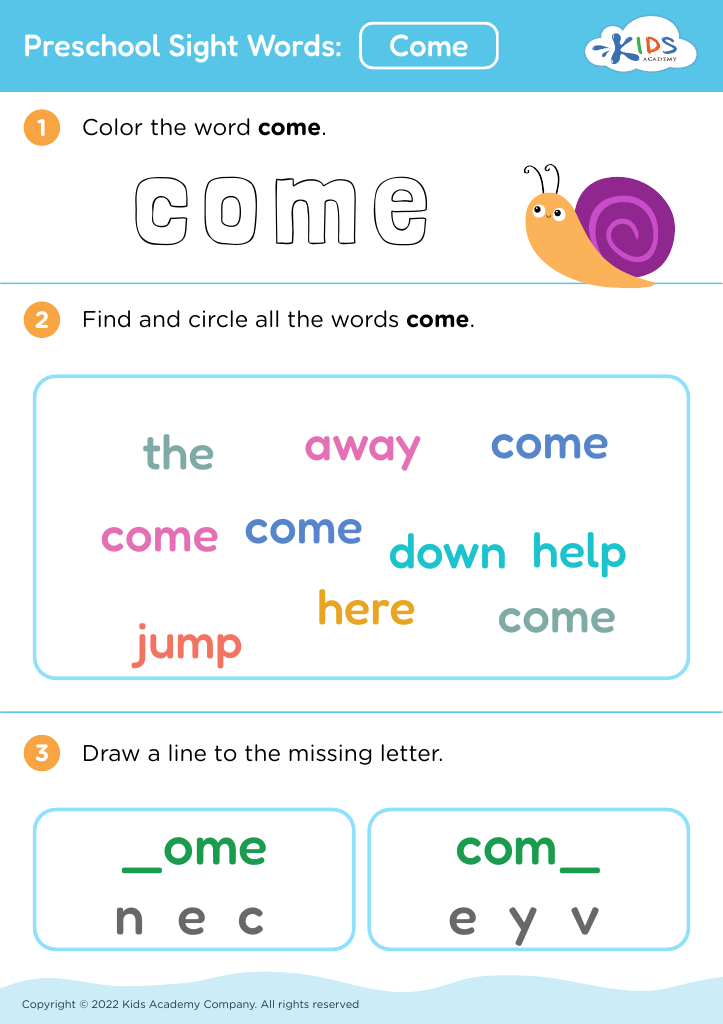
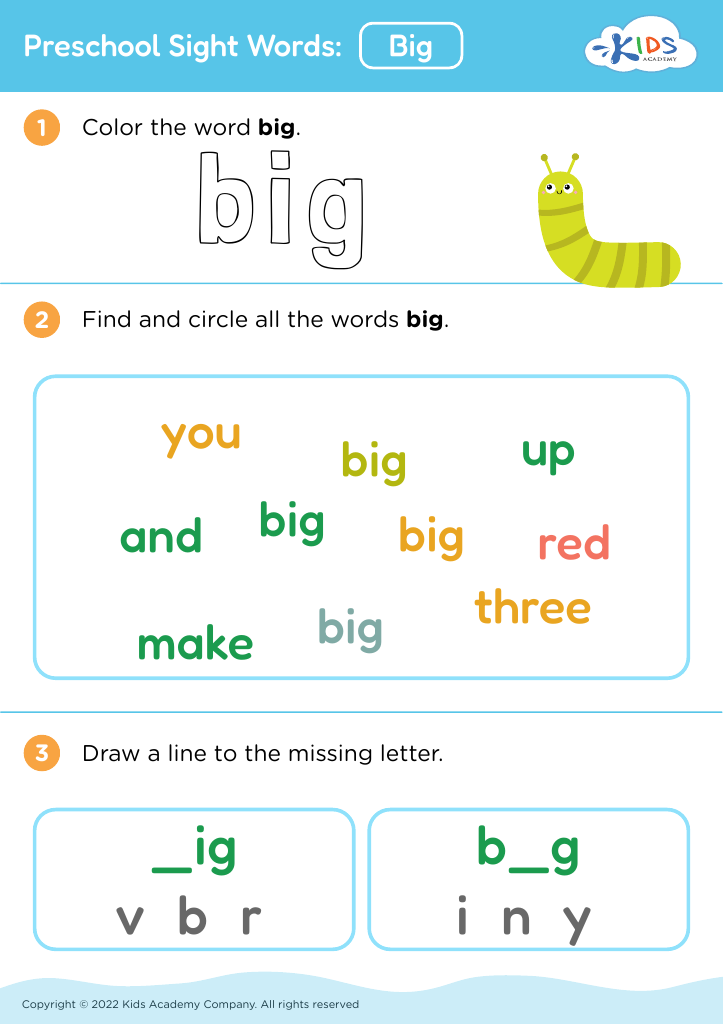








Parents and teachers should deeply care about building logical reasoning and vocabulary for children aged 3-4 because it lays the foundation for critical cognitive and language skills. At this developmental stage, their brains are highly receptive to learning and neural connections are rapidly forming. Logical reasoning helps children understand patterns, make connections, and solve problems, crucial skills for their overall cognitive development. It fosters curiosity and inquisitiveness, encouraging children to ask questions and seek out answers, thereby promoting lifelong learning.
Simultaneously, a robust vocabulary is essential for effective communication. It allows children to express their thoughts, emotions, and experiences more clearly and accurately. A rich vocabulary also enhances their listening skills, comprehension abilities, and sets the stage for reading proficiency, which is a critical predictor of future academic success.
Integrating logical reasoning activities and vocabulary building into early education nurtures a well-rounded, confident individual. Through puzzles, storytelling, and interactive play, children develop critical thinking and language skills in an engaging and fun way. This early investment in their mental and linguistic development paves the way for smoother social interactions, better problem-solving abilities, and a strong academic foundation, ultimately contributing to their success in school and beyond.








