
Mathematical reasoning Building Vocabulary Worksheets for Ages 3-4
5 filtered results
Difficulty Level
Grade
Age
-
From - To
Subject
Activity
Standards
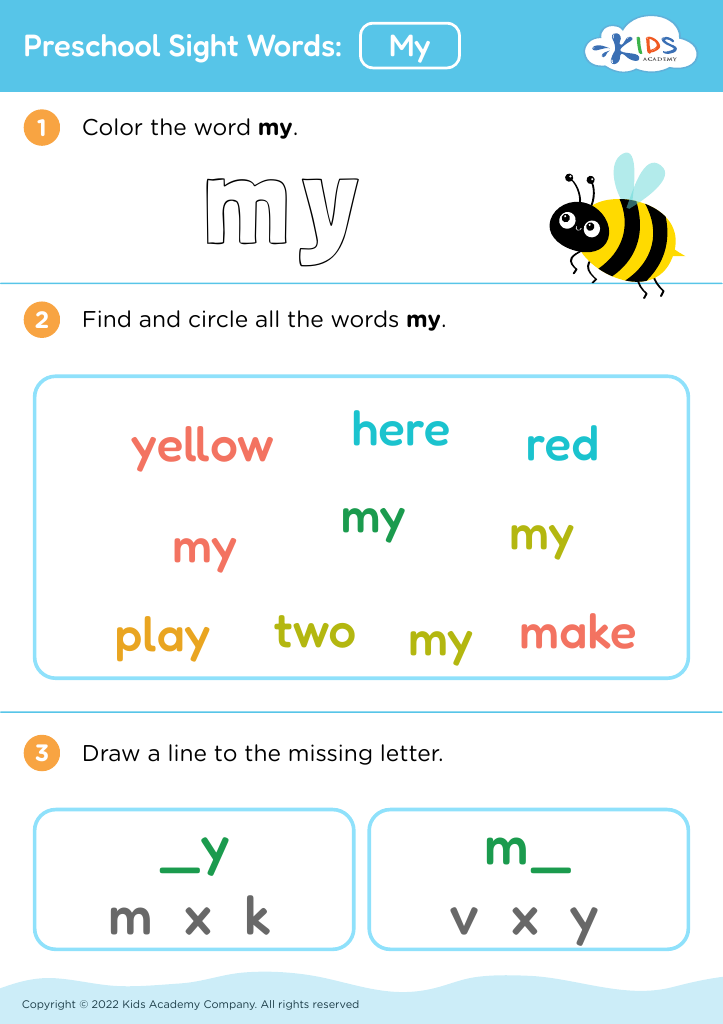
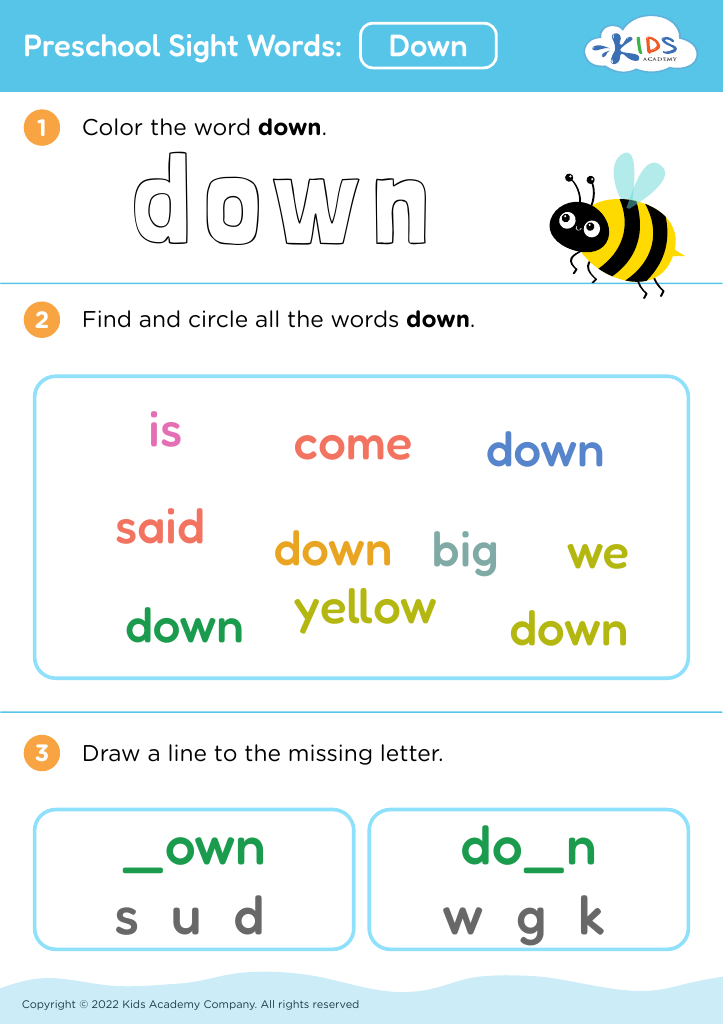
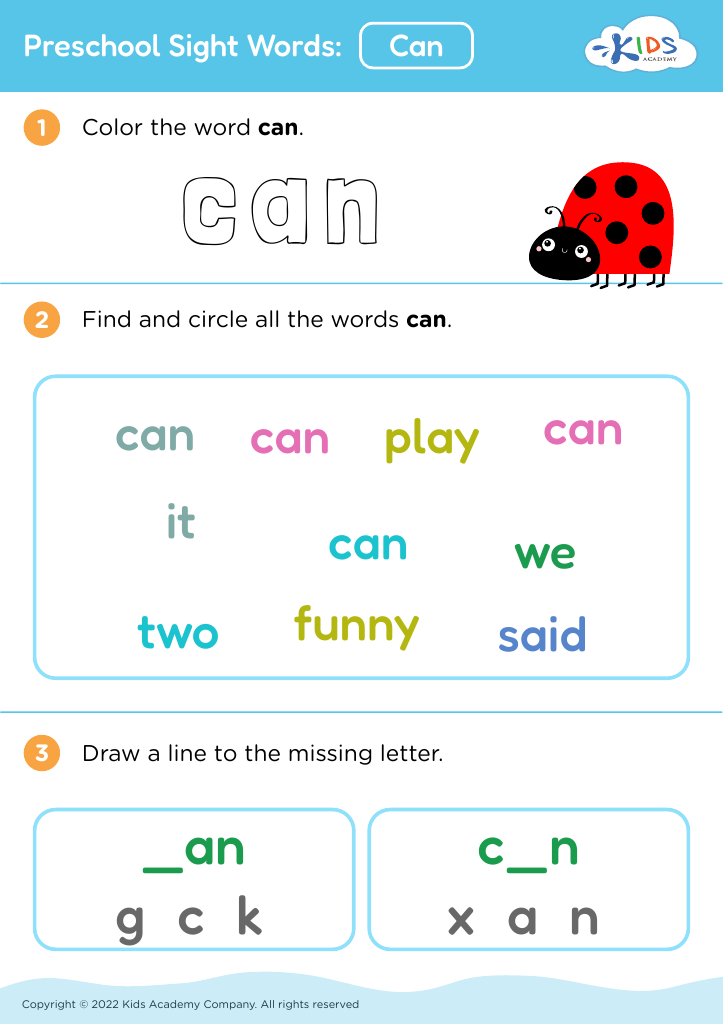
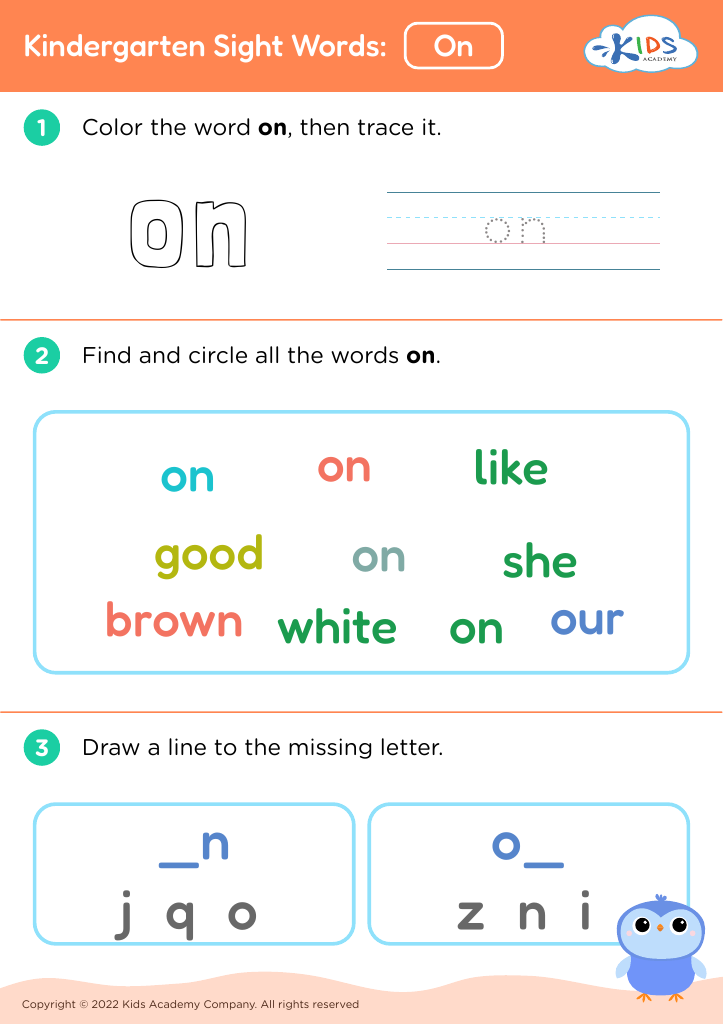
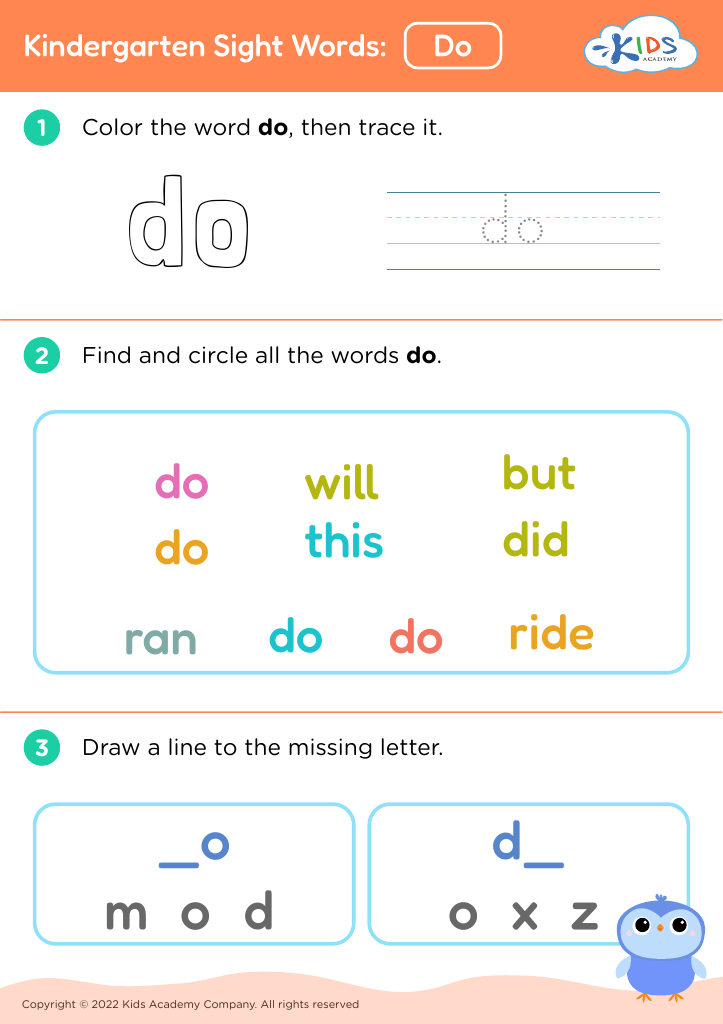
Discover our engaging "Mathematical Reasoning Building Vocabulary Worksheets" designed specifically for children aged 3-4. These worksheets blend vocabulary development with essential mathematical concepts, promoting early cognitive skills and language enhancement. Each activity is crafted to captivate young minds, encouraging learners to explore numbers, shapes, and patterns while expanding their vocabulary in a fun and interactive way. Perfect for parents and educators, our worksheets are easy to use and align with early learning standards. Foster a love for math and language simultaneously, setting the foundation for your child's future success in both areas. Start your child’s learning adventure today!
Favorites
With answer key
Interactive











Join Kids Academy for Free
Who is primarily going to use this learning content?


.jpg)





Mathematical reasoning and vocabulary development are crucial for young children aged 3-4 as they lay the foundation for future learning in math and language. At this age, children begin to explore concepts of counting, shapes, sizes, and patterns. Engaging them in mathematical reasoning helps develop critical thinking skills that foster problem-solving abilities. When children understand the reasoning behind numbers and quantities, they build a strong conceptual framework that supports more advanced math skills later on.
Additionally, building vocabulary in a mathematical context enhances comprehension and communication. Introducing terms such as "more," "less," "equal," and "add" equips children with the language needed to articulate their thoughts and discoveries. Parents and teachers play a vital role in creating a rich learning environment. By using everyday situations for math conversations and integrating vocabulary during play, they provide opportunities for children to practice and reinforce their understanding.
Ultimately, focusing on mathematical reasoning and vocabulary in early childhood not only promotes cognitive development but also prepares children for academic success across subjects. Hence, both parents and teachers should prioritize these essential areas of learning to ensure holistic growth during these formative years.








