Multiplication practice Building Vocabulary Worksheets for Ages 3-4
3 filtered results
-
From - To
Multiplication Practice Building Vocabulary Worksheets for Ages 3-4 is a fun and engaging resource designed to introduce young learners to basic multiplication concepts while enhancing their vocabulary. Our colorful, interactive worksheets provide playful exercises that combine numbers and words, enabling children to build mathematical understanding alongside language skills. Suitable for preschoolers, these worksheets encourage hands-on learning through creative activities that spark curiosity and enjoyment. Each worksheet is tailored to meet the developmental needs of early learners, promoting cognitive growth while making learning enjoyable. Perfect for home or classroom use, these multiplication practice worksheets lay a strong foundation for future math success.
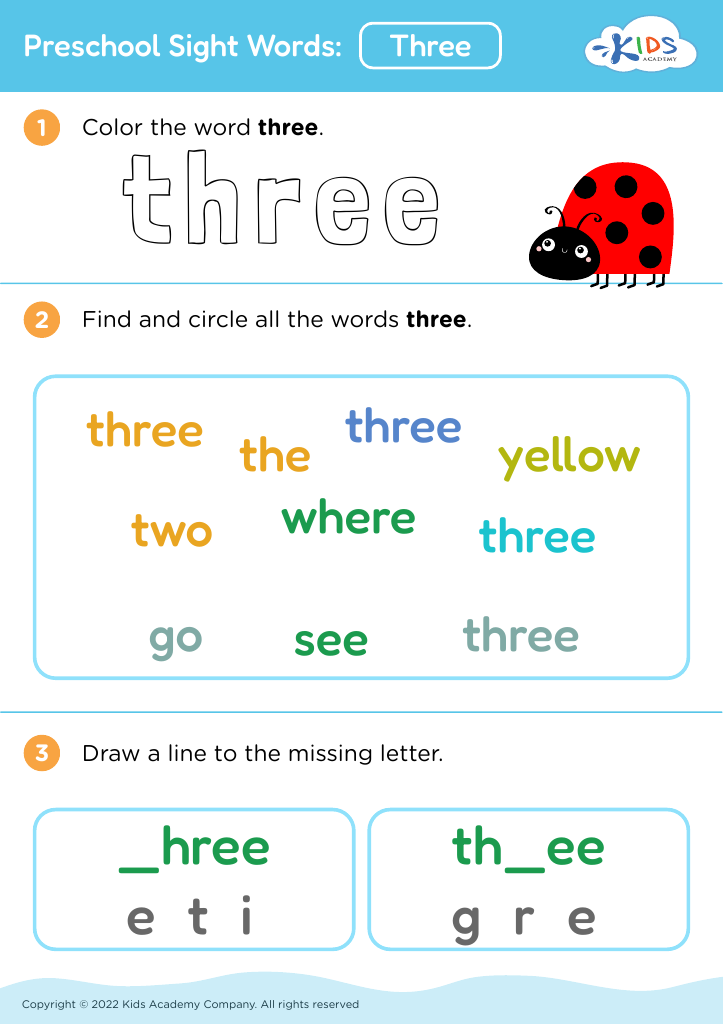











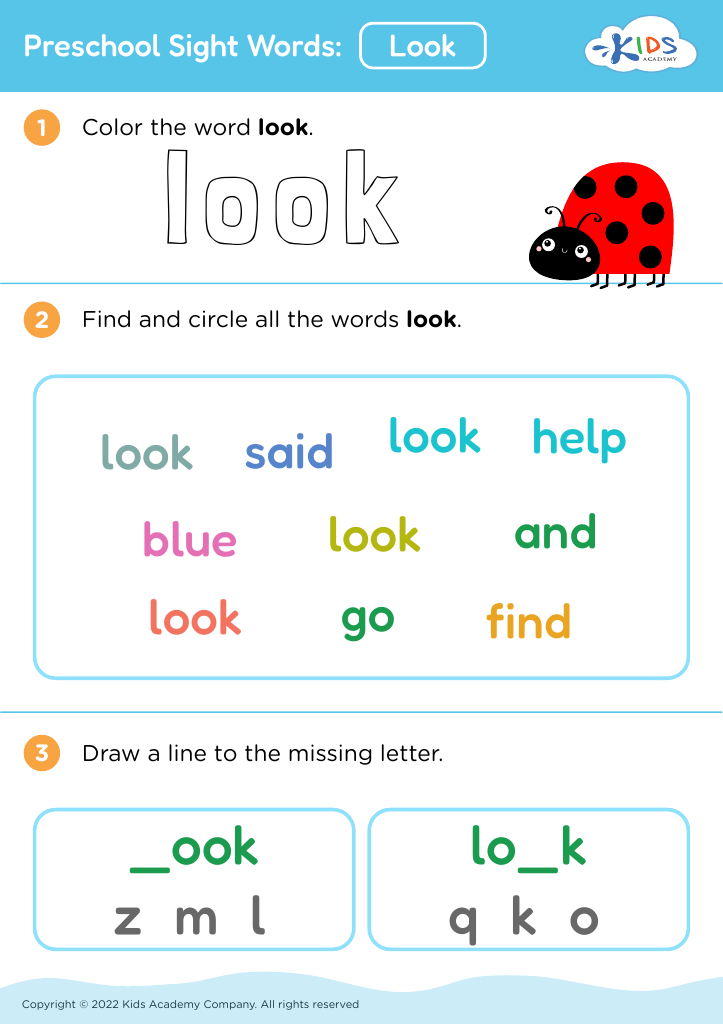
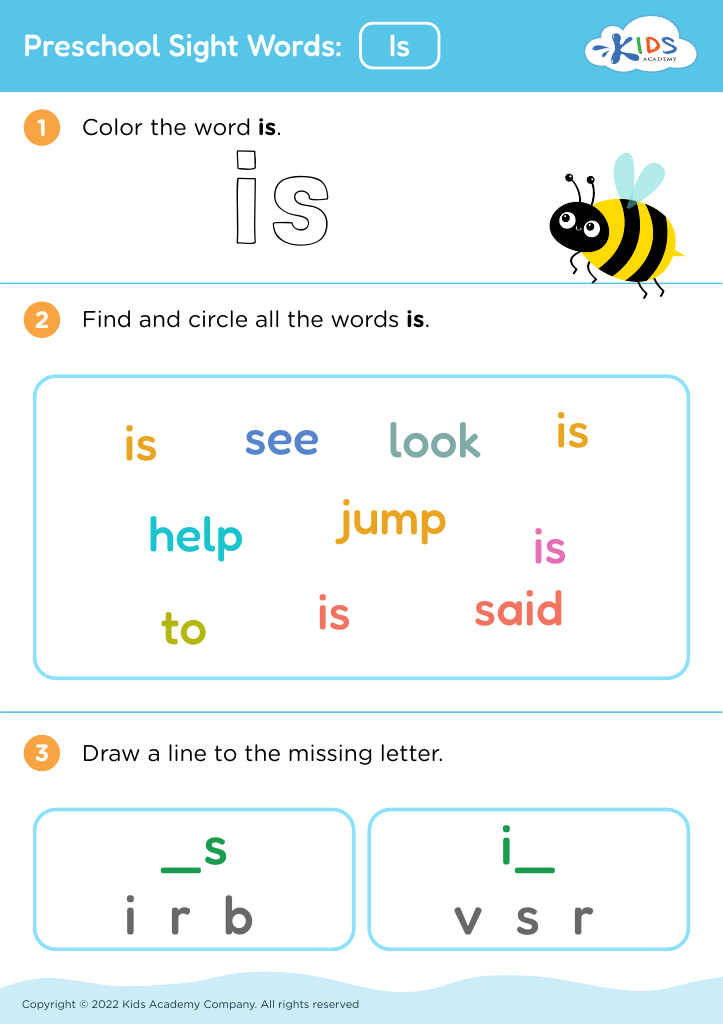




.jpg)
.jpg)


Multiplication practice might seem advanced for children aged 3-4, but laying the groundwork for mathematical vocabulary and skills at this early age is crucial. Engaging young learners through playful methods can build their numerical awareness and mathematical comprehension. Language development during this period significantly influences cognitive growth, and incorporating math terms helps familiarize children with concepts they will encounter later in their education.
When parents and teachers emphasize mathematical vocabulary, they enhance children's ability to understand and articulate mathematical concepts. This vocabulary not only relates to multiplication but includes words like "group," "total," and "equal," all essential for fundamental math skills. Practicing multiplication in a fun, age-appropriate manner—such as through games or songs—encourages problem-solving and critical thinking.
Moreover, instilling confidence in young children regarding math creates a positive attitude towards the subject as they progress. By integrating math into daily conversations and routines, adults help children make connections between language and quantitative reasoning. This foundational approach fosters a love for learning and paves the way for future success in math, setting the stage for a strong academic foundation. Therefore, incorporating math-related vocabulary and activities should be a priority for parents and teachers alike.








