Sentence construction Building Vocabulary Worksheets for Ages 3-4
9 filtered results
-
From - To
Introduce your youngest learners to the exciting world of language with our "Sentence Construction Building Vocabulary Worksheets for Ages 3-4." Designed to make early reading skills fun and engaging, these worksheets help children build strong foundational vocabulary and sentence structure. Perfect for preschool and pre-K kids, each colorful activity encourages creativity, critical thinking, and word recognition. With easy-to-follow exercises, young learners can start forming simple sentences while expanding their vocabulary. Ideal for both parents and teachers, our worksheets promote literacy in an interactive and playful way. Ensure your child’s first steps in reading are enjoyable with Kids Academy resources.
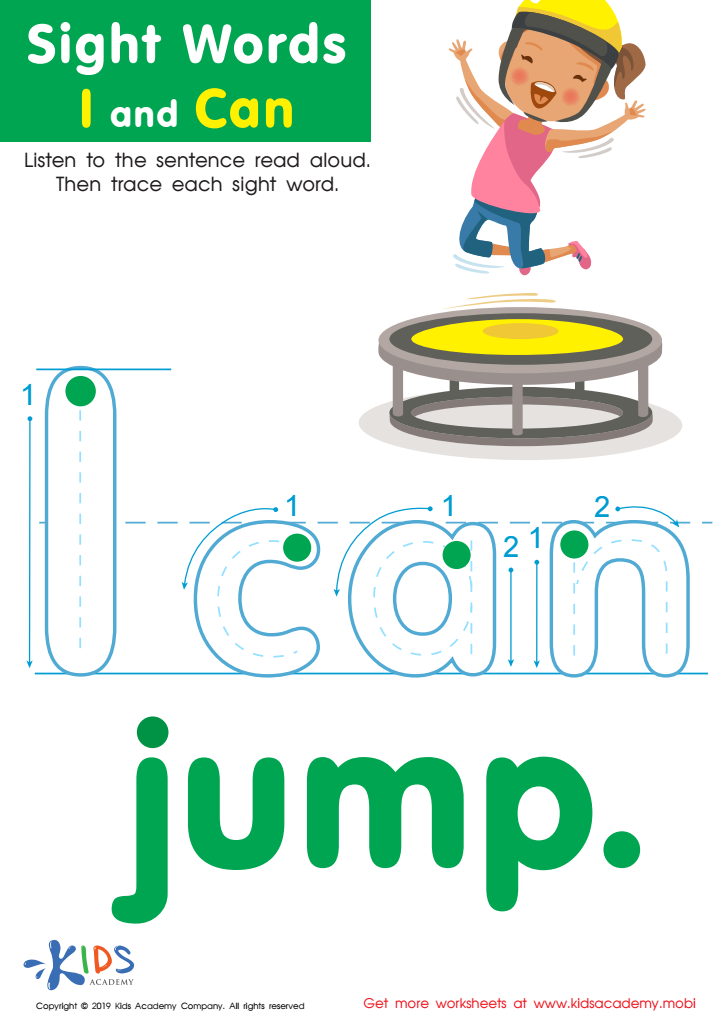
Sight Words I Can Worksheet
 Assign to My Students











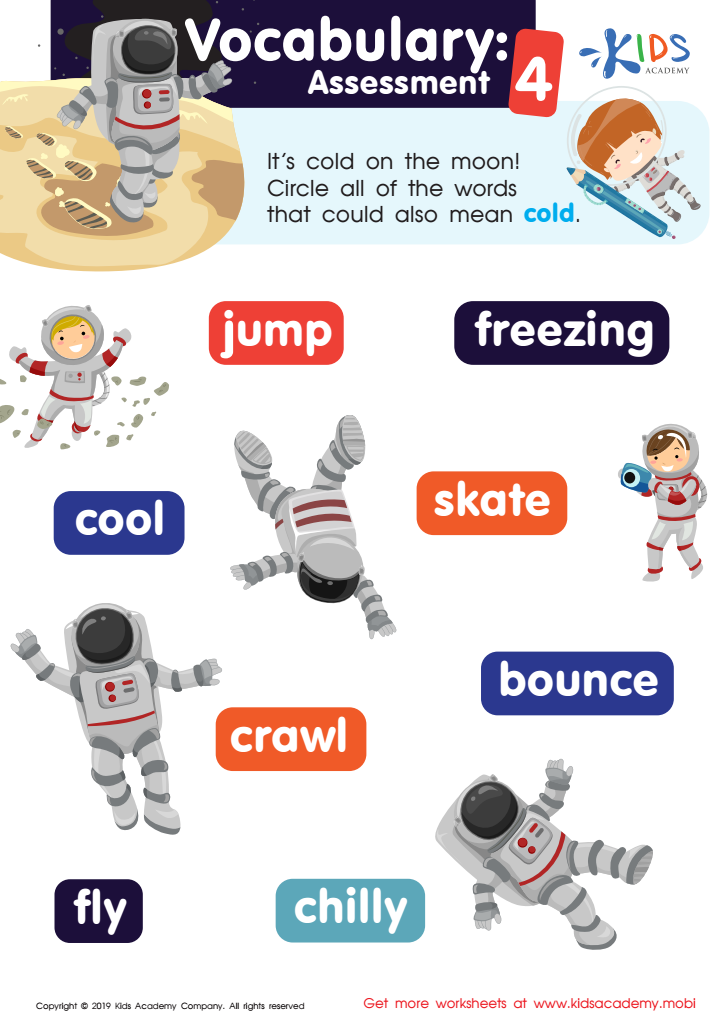
Vocabulary: Assessment 4 Worksheet
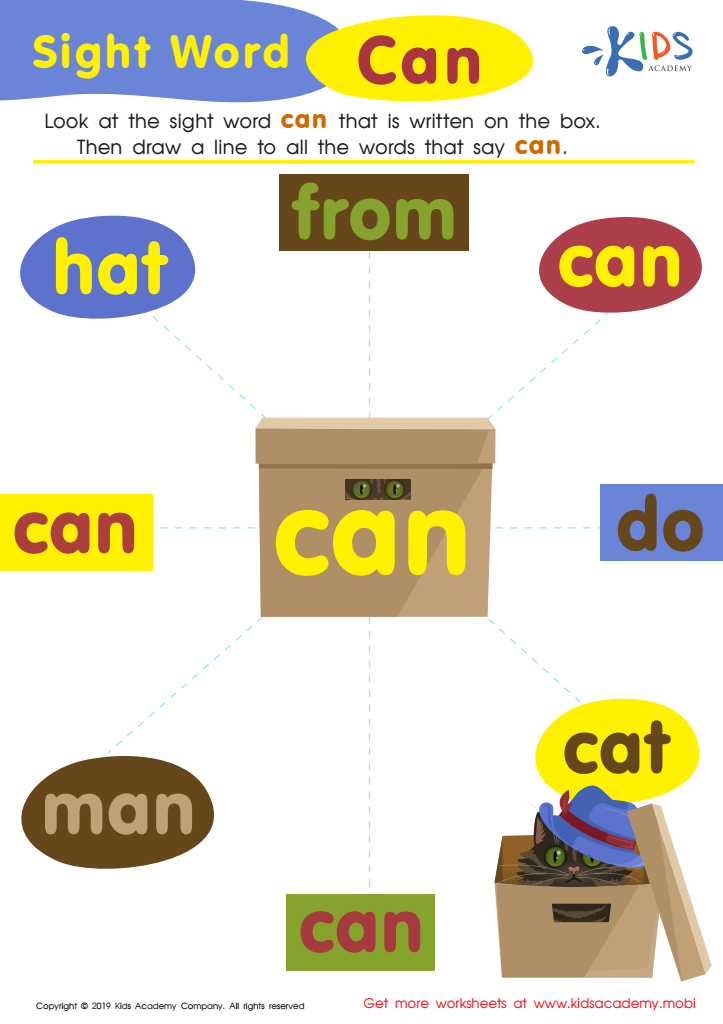
Sight Word Can Worksheet
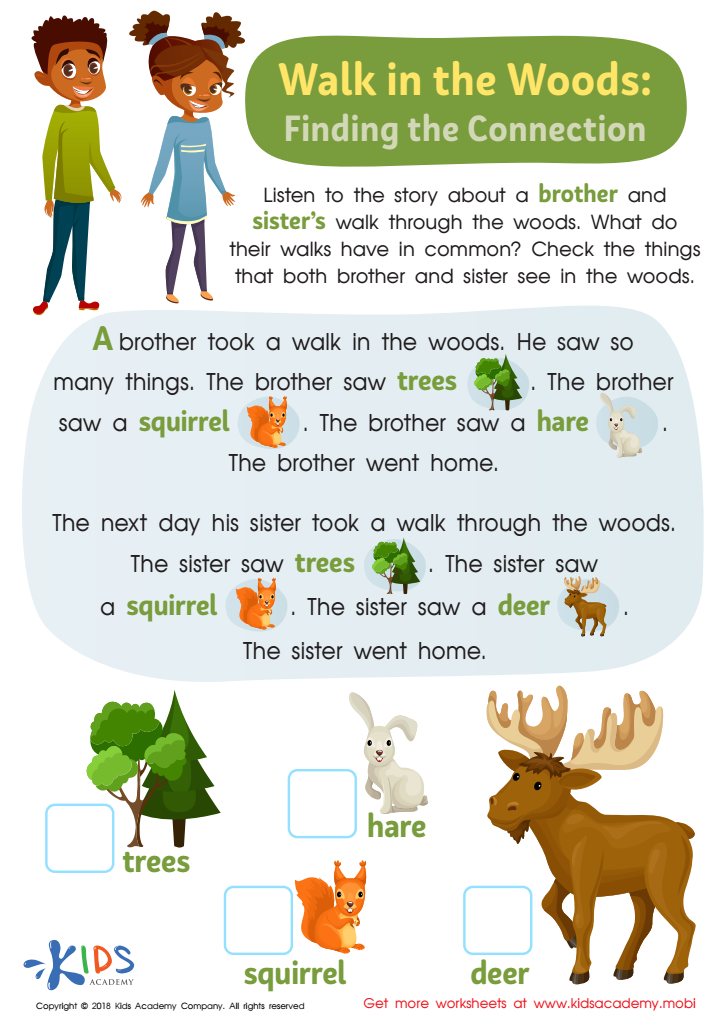
Walk In the Woods: Finding Connections Worksheet
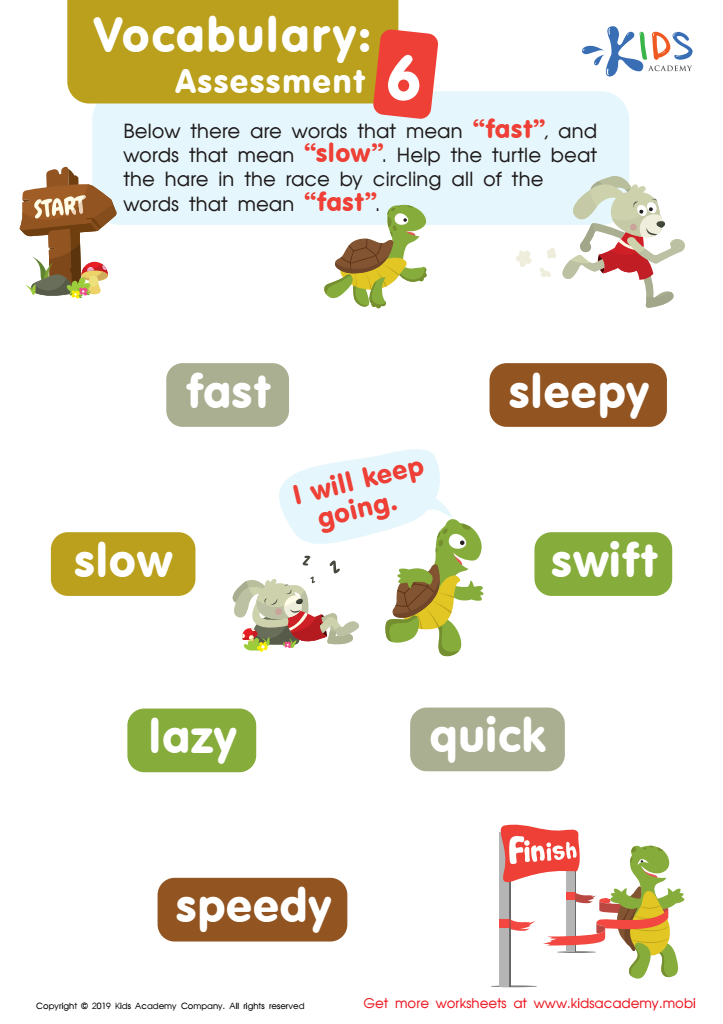
Vocabulary: Assessment 6 Worksheet
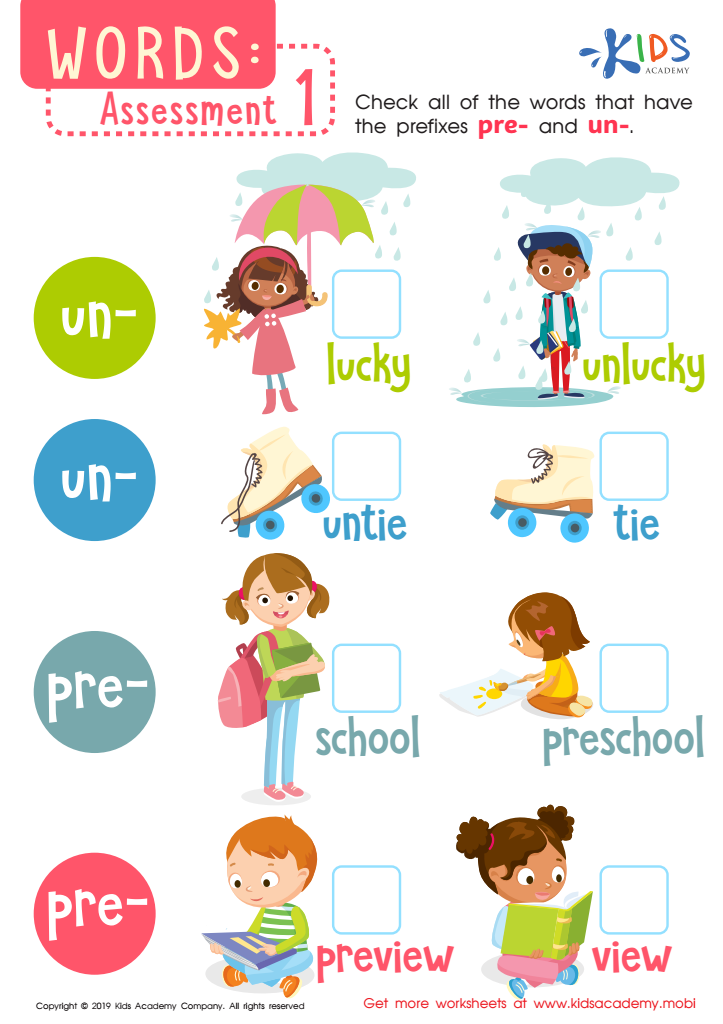
Words: Assessment 1 Worksheet
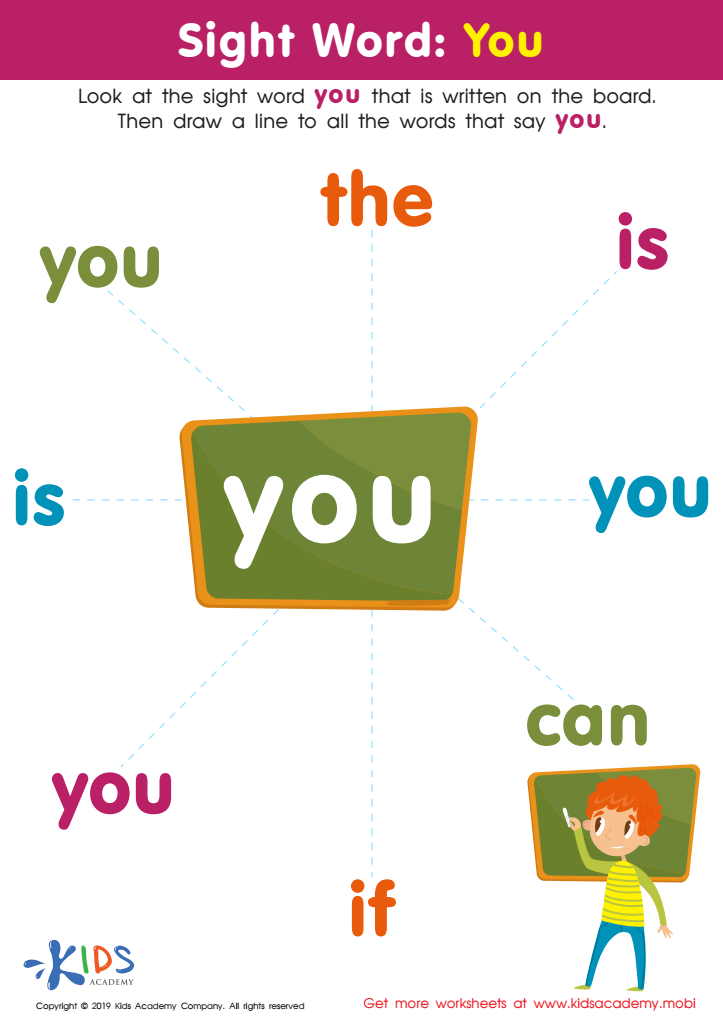
Sight Word You Worksheet
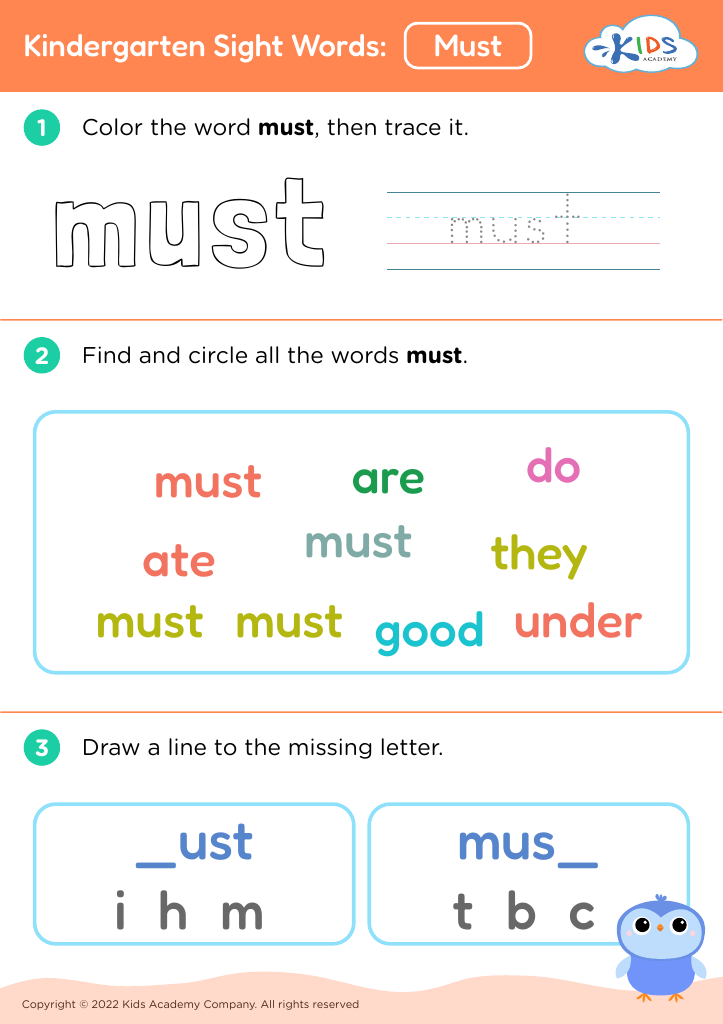








Fostering strong sentence construction and vocabulary skills in children aged 3-4 is crucial for their overall development. During these formative years, children's brains are highly receptive to language learning, making it a prime time to build a solid linguistic foundation. Enhanced vocabulary and sentence construction skills pave the way for effective communication, allowing children to express their needs, thoughts, and feelings more clearly.
Parents and teachers should prioritize these skills as they contribute significantly to cognitive growth and academic readiness. A rich vocabulary aids in better comprehension and knowledge acquisition as children read books or listen to stories. When children can construct sentences proficiently, they develop confidence in social interactions, positively impacting their emotional and social well-being.
Moreover, early language skills are strong predictors of later academic success. Children who start with robust vocabulary and sentence structures tend to perform better in reading and writing in school, setting the stage for lifelong learning.
By creating a language-rich environment at home and in the classroom—through storytime, conversations, and interactive activities—adults can significantly influence a child's linguistic abilities. This proactive approach ensures children have the necessary tools to thrive academically and socially, underscoring the importance of early language development.








