Simplifying Fractions Building Vocabulary Worksheets for Ages 3-4
3 filtered results
-
From - To
Introducing our "Simplifying Fractions Building Vocabulary Worksheets for Ages 3-4!" Designed to blend foundational math skills with essential literacy development, these engaging worksheets make learning fractions fun and interactive. Children will enjoy vivid illustrations and simple activities that introduce vocabulary while teaching them to simplify basic fractions. Perfect for early learners, our resources foster a love for math and reading by seamlessly integrating the two subjects. Ideal for both classroom and at-home learning, these worksheets help preschoolers enhance their cognitive skills in an enjoyable, stress-free way. Boost your child's educational journey with this dynamic, dual-focused tool!
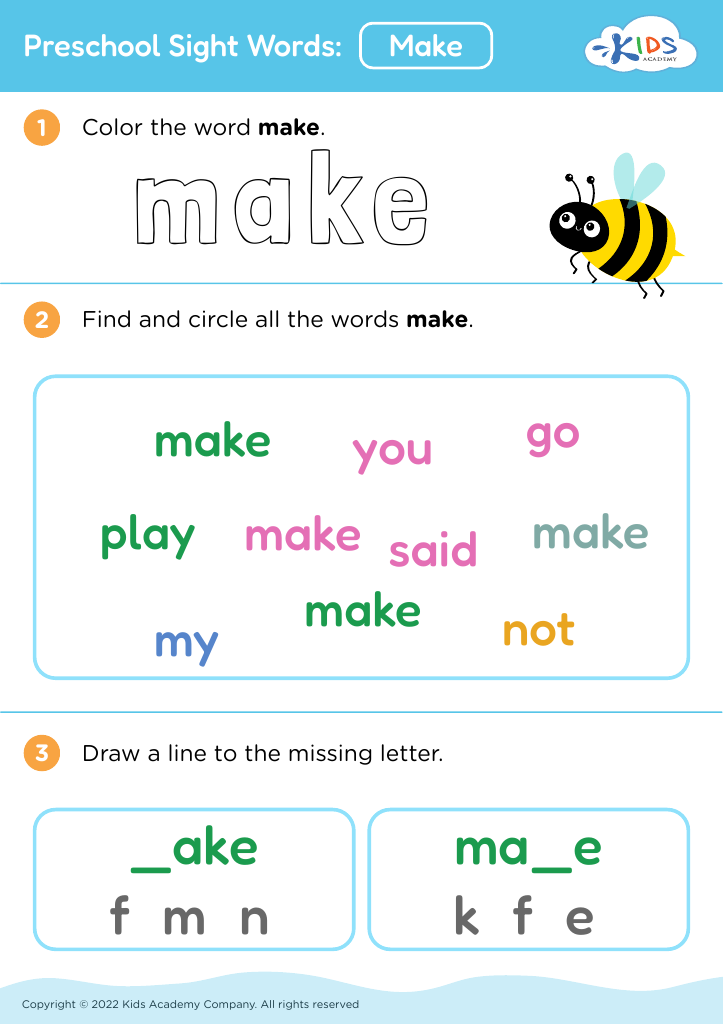











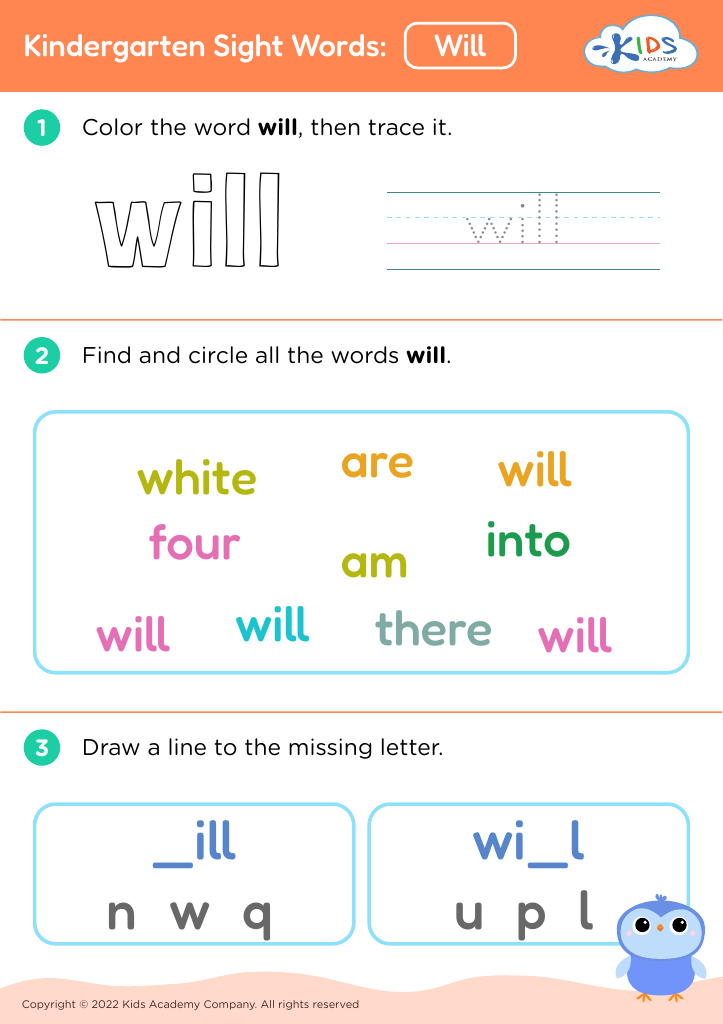
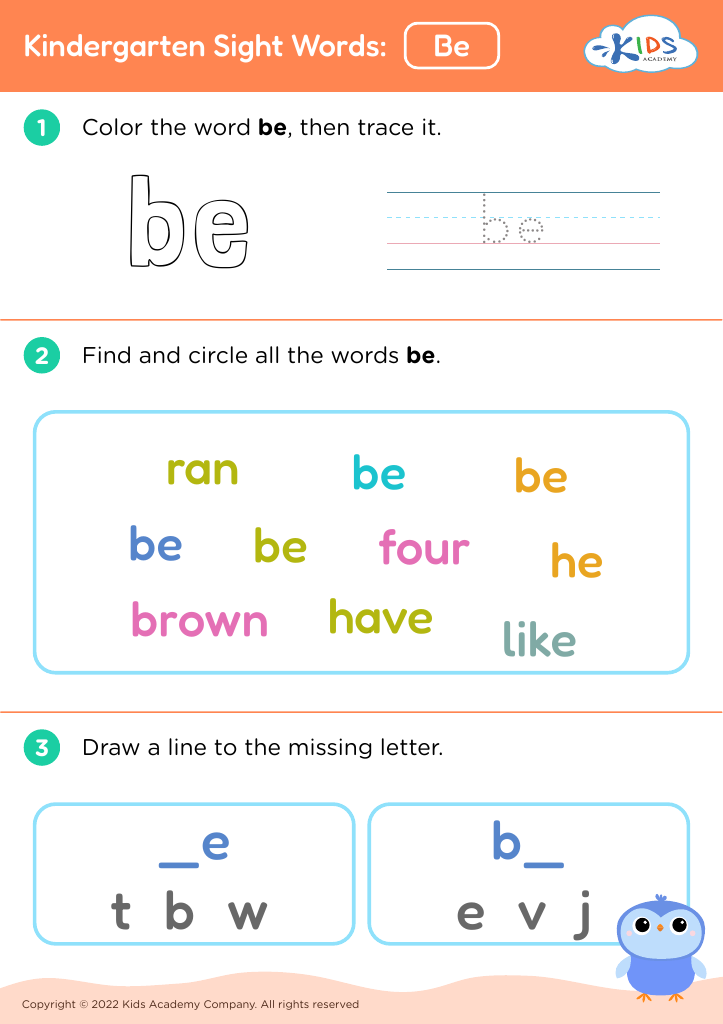


.jpg)





At ages 3-4, children's brains are rapidly developing and absorbing new information like sponges. Simplifying fractions and building a strong mathematical vocabulary, even at this early stage, can lay the foundation for future academic success. Parents and teachers should focus on these skills because young children naturally enjoy sorting, categorizing, and making sense of the world around them, including basic numerical concepts. Introducing simplified ways to talk about fractions helps demystify a topic that many find challenging later in life.
For example, using everyday language to describe halves, quarters, and whole numbers can make these abstract concepts more tangible. When children hear and use terms like "half" or "whole" in day-to-day activities, such as dividing a pizza or sharing toys, they begin to associate these terms with concrete experiences. This helps instill an intuitive sense of parts and wholes, which is crucial for understanding more complex fraction problems later.
Additionally, building a robust mathematical vocabulary early on fosters better communication skills. Children learn to articulate their thought processes, ask questions, and engage with peers and adults in meaningful conversations about math-related activities. This paves the way for improved critical thinking and problem-solving abilities as they advance in their educational journey.








