
Mathematical reasoning Reading Worksheets for Ages 3-4
5 filtered results
Difficulty Level
Grade
Age
-
From - To
Subject
Activity
Standards
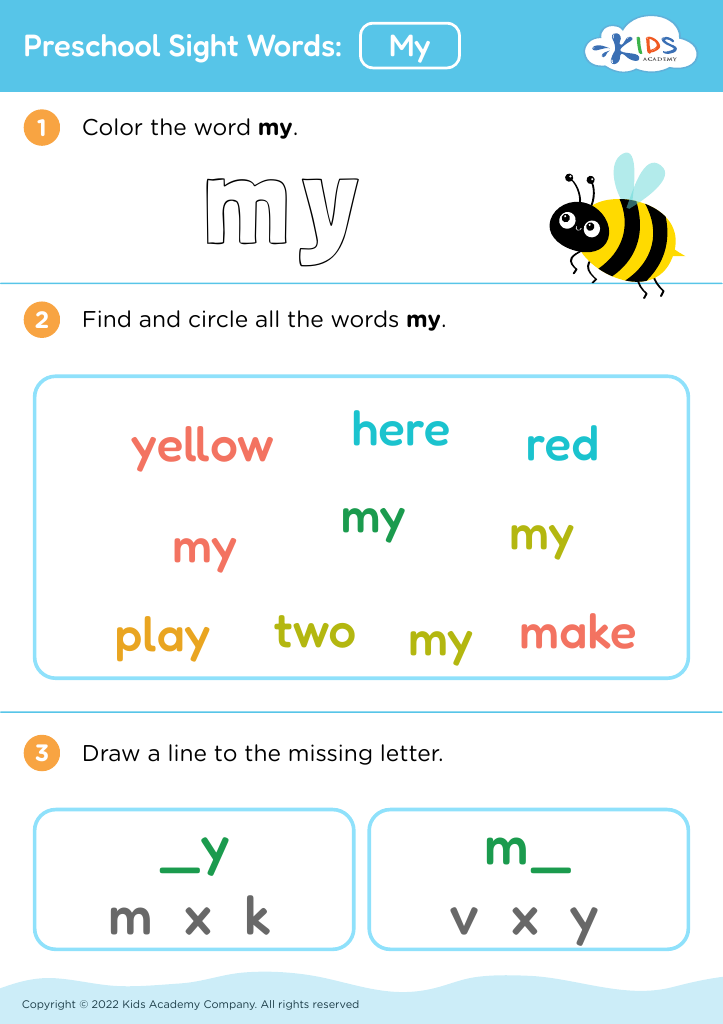
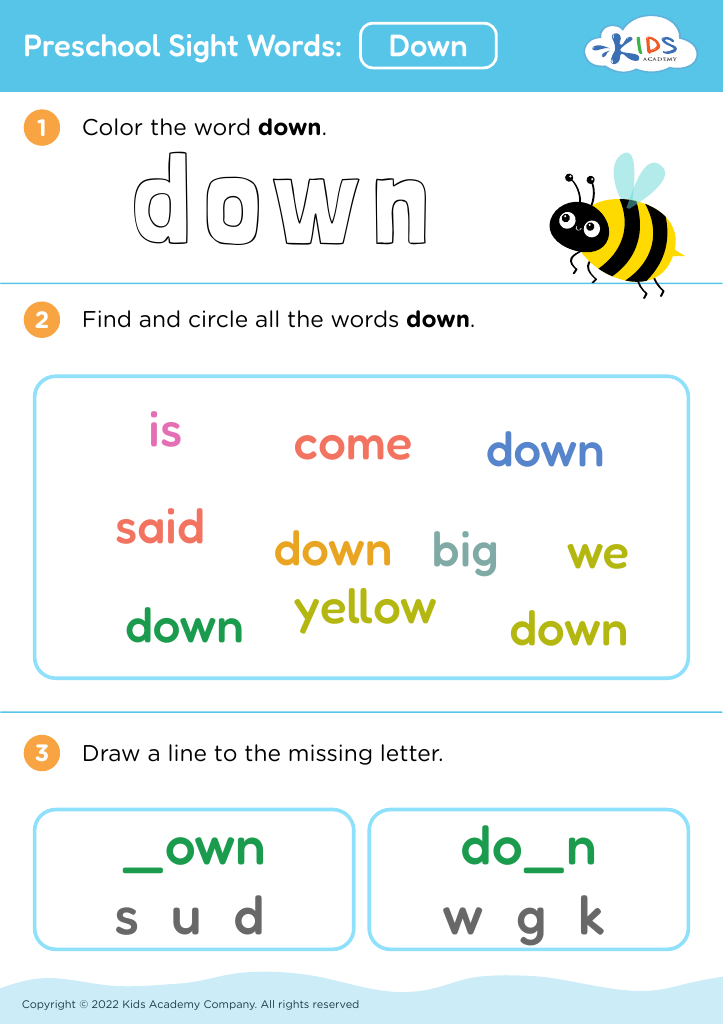
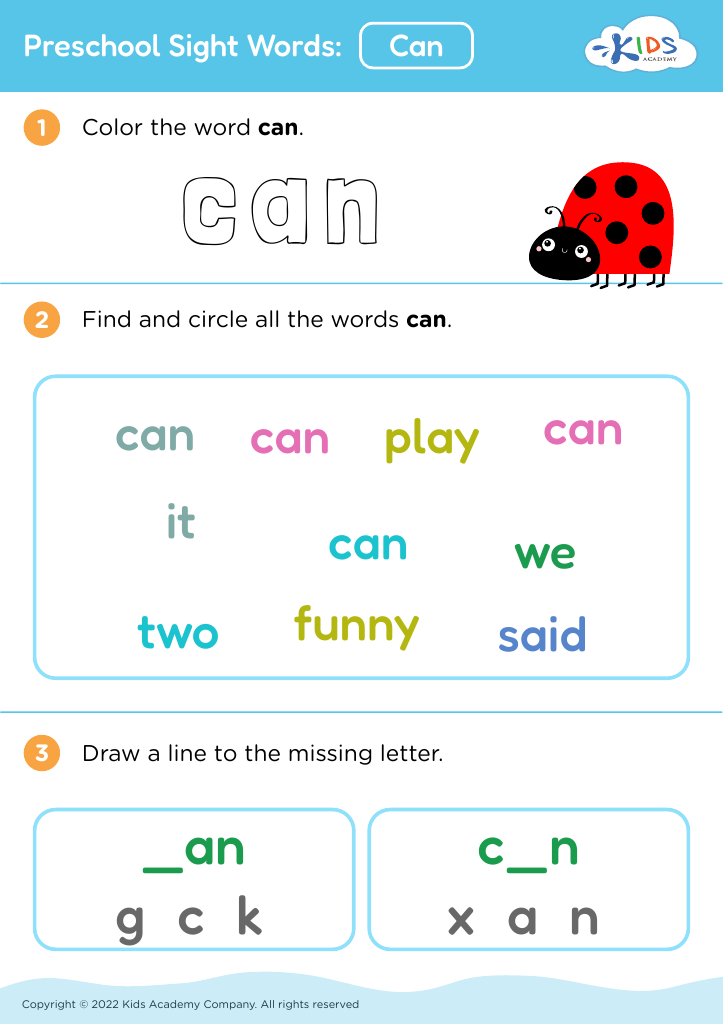
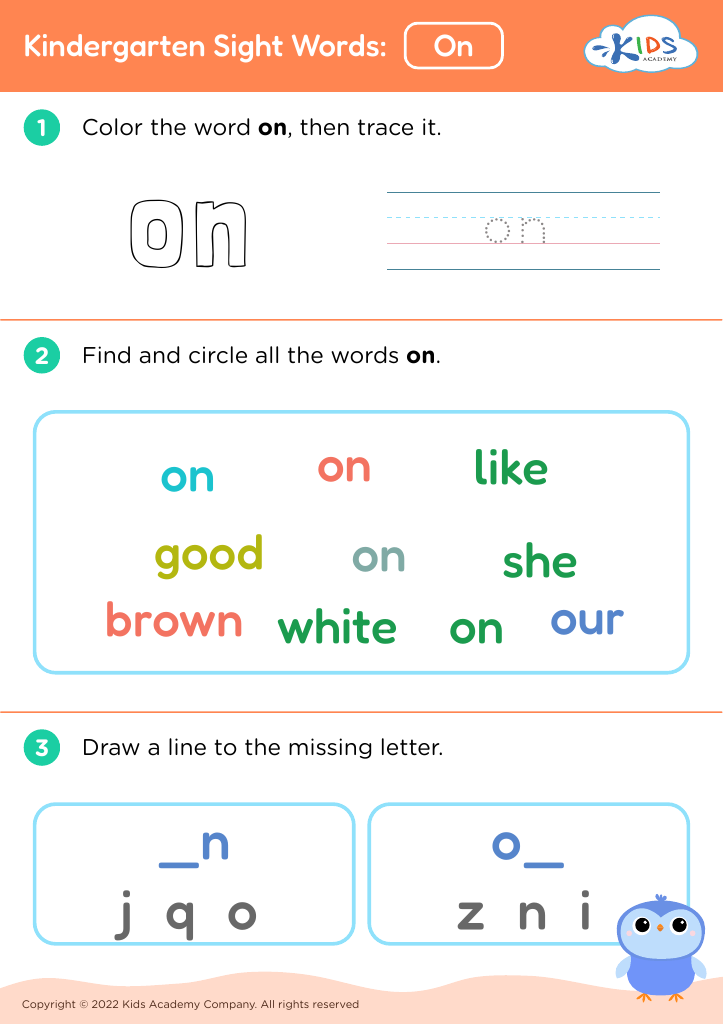
Develop essential skills with our "Mathematical Reasoning Reading Worksheets for Ages 3-4" on Kids Academy! These engaging worksheets are designed to introduce young learners to the basics of mathematical reasoning through fun and interactive reading activities. Each worksheet blends beginner math concepts with captivating stories, helping kids comprehend and solve problems effectively. Perfect for preschoolers, these activities nurture critical thinking, logical reasoning, and early numeracy skills. The colorful, age-appropriate exercises ensure learning is both enjoyable and educational. Prepare your child for a bright future in mathematics with our expertly crafted worksheets, where learning and fun come together seamlessly!
Favorites
With answer key
Interactive
Join Kids Academy for Free
Who is primarily going to use this learning content?







.jpg)
Mathematical reasoning is a vital skill for young children's cognitive development, particularly for ages 3-4, when their brains are extraordinarily receptive and adaptable. This early exposure fosters a solid foundation for later complex problem-solving and critical thinking skills. Parents and teachers play crucial roles by introducing mathematical concepts through playful and tangible activities, like counting blocks or identifying shapes and patterns.
Early mathematical reasoning cultivates not just numeracy but integral life skills, such as patience, attention to detail, and logical thinking. For instance, when children learn to recognize patterns or sequences, they're not just learning math; they're developing the ability to predict and analyze outcomes, essential skills for everyday decision-making.
Furthermore, integrating mathematical reasoning into reading activities enhances literacy and vice versa. Stories involving numbers, shapes, and logic equip children with a dual literacy—combining narrative understanding with numerical fluency. This holistic approach stimulates cognitive and linguistic growth simultaneously.
Parental and teacher involvement is crucial as it makes learning personalized and contextually relevant, both of which improve engagement and retention. Therefore, emphasizing mathematical reasoning in early childhood is not just about teaching math but preparing children with a robust foundation for educational and personal success.








