
Observation skills Reading Worksheets for Ages 3-4
3 filtered results
Difficulty Level
Grade
Age
-
From - To
Subject
Activity
Standards
Enhance your child's early reading experience with our Observation Skills Reading Worksheets for ages 3-4! These thoughtfully designed worksheets help young learners develop critical observation skills through engaging activities and vibrant illustrations. By focusing on identifying patterns, comparing objects, and recognizing details, our worksheets foster children's attention to visual information and strengthen foundational reading skills. Ideal for both home and classroom use, these resources encourage interactive learning and playful exploration. Support your child's literacy journey and spark their curiosity as they learn to observe and engage with the world around them. Start your adventure in reading today with our interactive printable worksheets!
Favorites
With answer key
Interactive
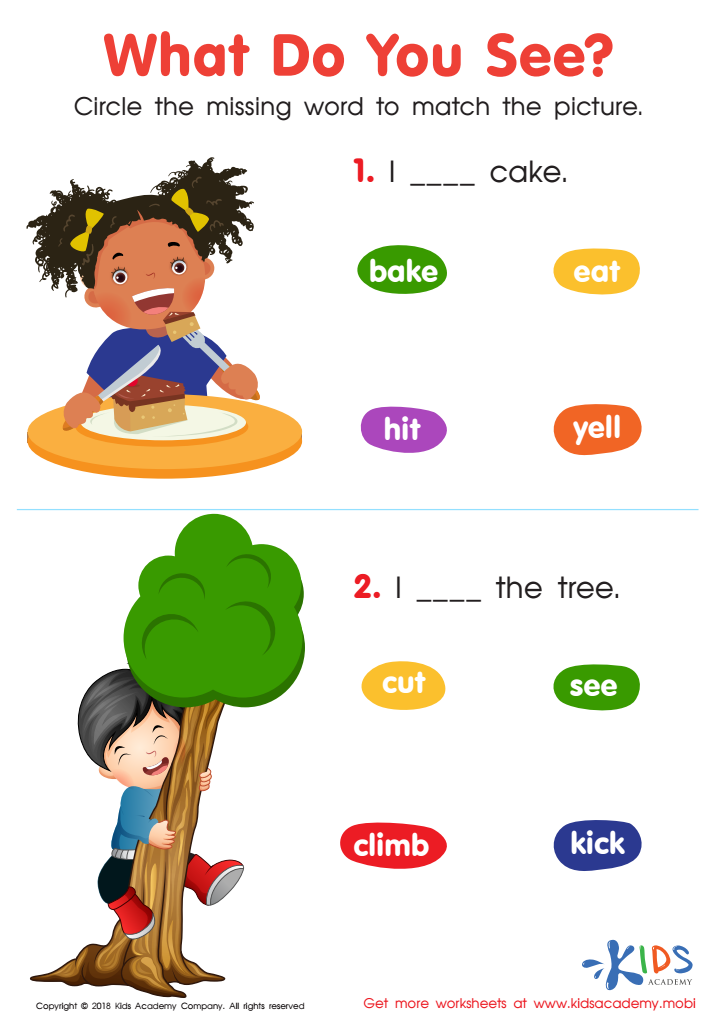
What Do You See? Reading Worksheet
New readers can use the attractive pictures and high-frequency words on this worksheet to practice expressive language skills and decode as they fill in the blanks. As they circle the correct words, they'll feel like reading superstars!
 Assign to My Students
What Do You See? Reading Worksheet
Worksheet
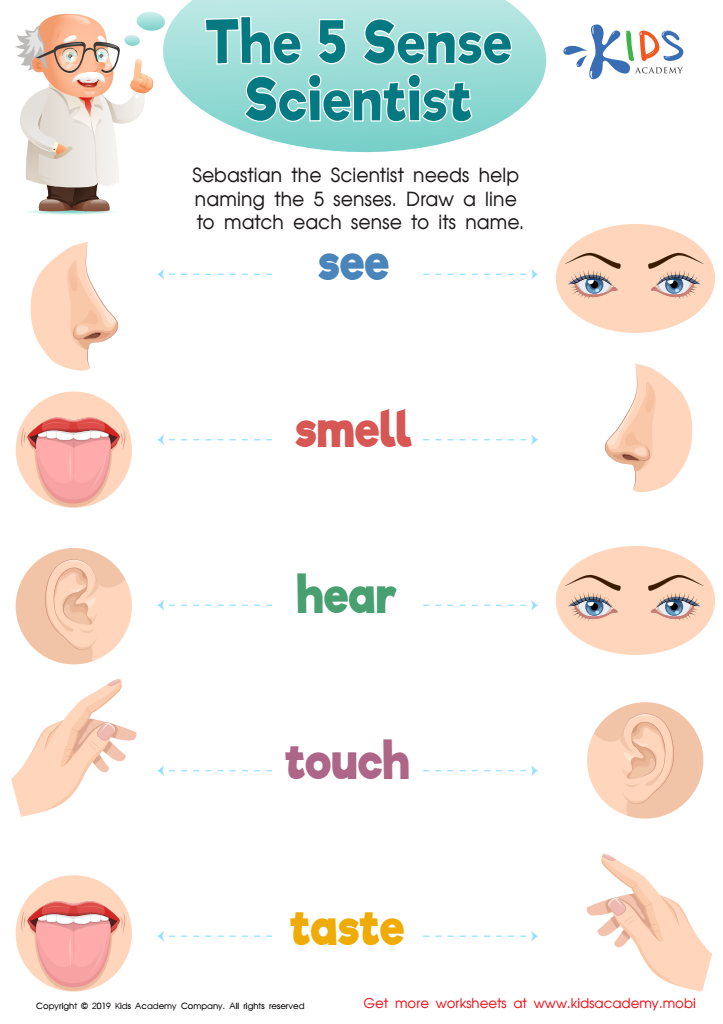
The 5 Sense Scientist Worksheet
Our young children will have fun learning about their five senses with this free Sense Scientist worksheet. Helping Sebastian the Scientist, they'll name the five senses and use traceable lines to connect each picture with its correct sense. Colorful words and pictures will create a memorable picture representation.
The 5 Sense Scientist Worksheet
Worksheet
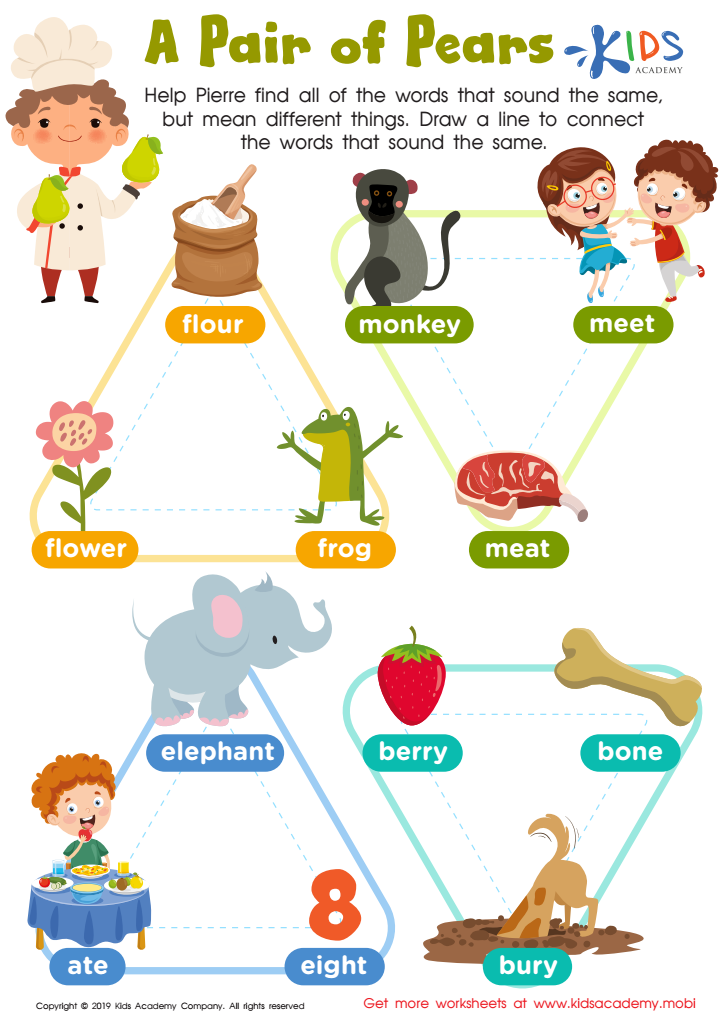
Pair Pears Worksheet
Young readers can have difficulty knowing when to use the right homophone. This free worksheet helps them use familiar imagery to understand better by connecting words that sound similar but are spelled and mean different things. Students will trace the lines to form a picture and have a reference image to differentiate between the different homophones.
Pair Pears Worksheet
Worksheet
Join Kids Academy for Free
Who is primarily going to use this learning content?




.jpg)


Observation skills are foundational to developing reading abilities in children aged 3-4. This is a critical stage where children begin to make sense of the world around them, and observation plays a key role in that process. When parents and teachers cultivate observation skills, they equip children with the ability to notice details, make connections, and understand context—all vital skills for reading comprehension.
At this age, children are learning how to recognize letters, words, and pictures. Effective observation enhances their engagement with books and stories by encouraging them to look closely at illustrations, notice patterns, and follow narrative sequences. These skills support phonemic awareness and vocabulary development, laying the groundwork for future reading proficiency.
Furthermore, improving observation skills promotes critical thinking. Children learn to question what they see and to infer meanings, helping them to become more active participants in their learning process. Additionally, engaged adults can offer meaningful interactions, fostering a love for reading and building confidence in their literacy journey.
Ultimately, nurturing observation skills in early childhood contributes significantly to a child's overall cognitive and emotional development, solidifying the importance of early educational practices for parents and teachers.








