Sequencing Skills Reading Worksheets for Ages 3-4
5 filtered results
-
From - To
Enhance your child's reading abilities with our Sequencing Skills Worksheets designed specifically for ages 3-4! These interactive worksheets help young learners grasp the important skill of sequencing, essential for developing comprehension and critical thinking. Through engaging activities that incorporate fun images and simple stories, children will learn to arrange events in the correct order, boosting their memory and organizational skills. Perfect for preschool settings or at-home learning, our worksheets cater to diverse learning styles and interests. Equip your little ones with foundational reading skills that will support their educational journey—download our Sequencing Skills Reading Worksheets today and watch them flourish!
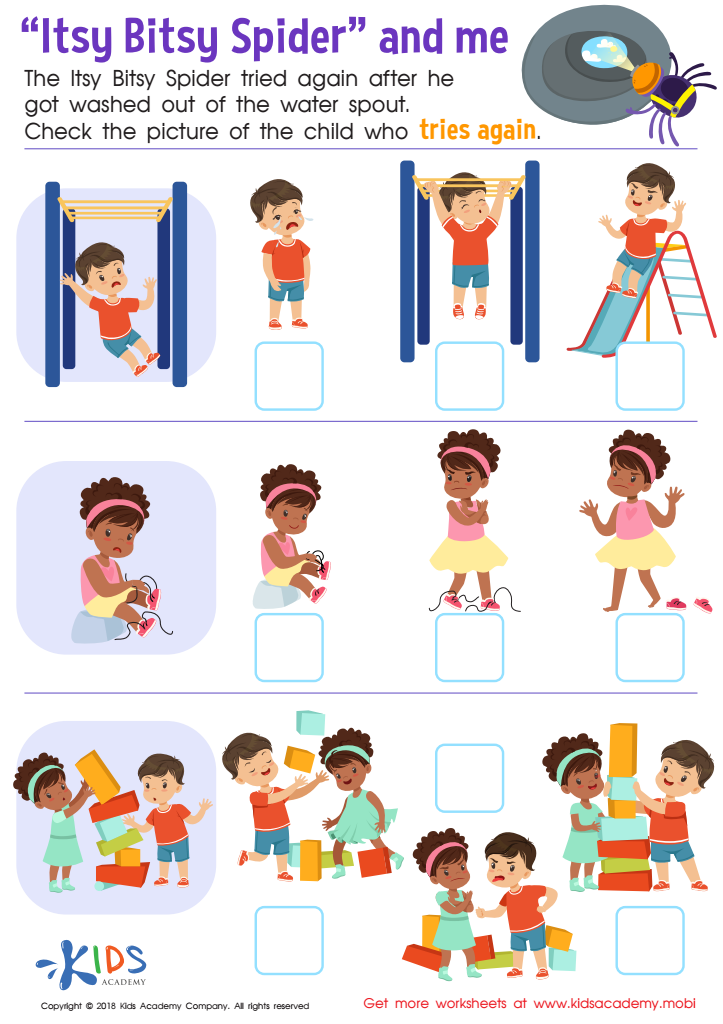
Itsy Bitsy Spider and Me Worksheet
 Assign to My Students
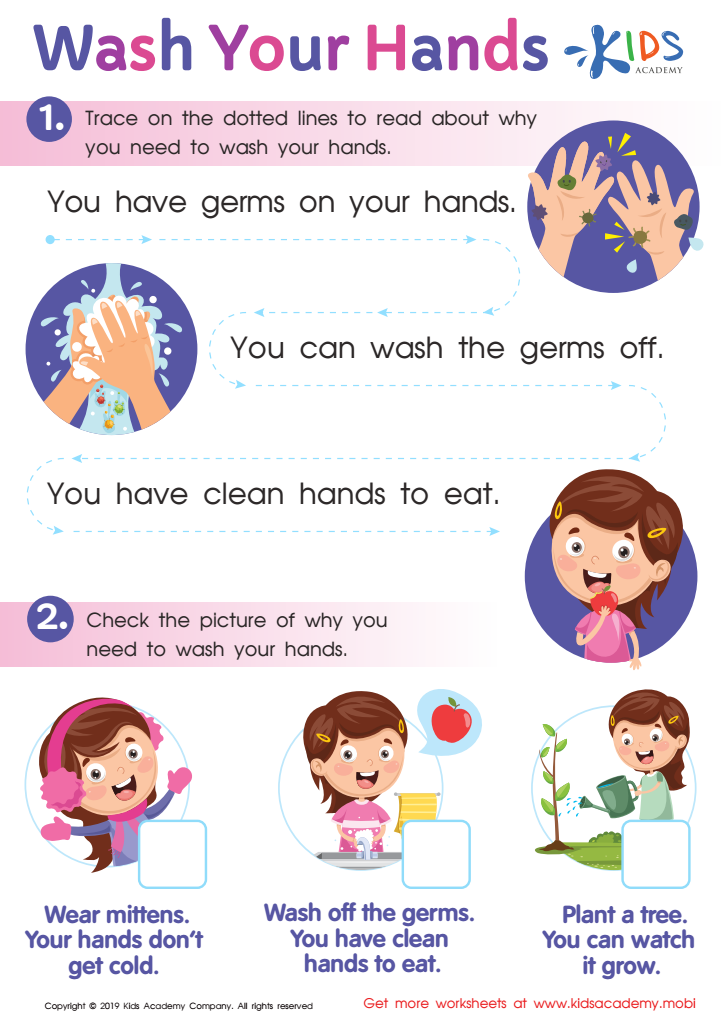
Wash Your Hands Worksheet
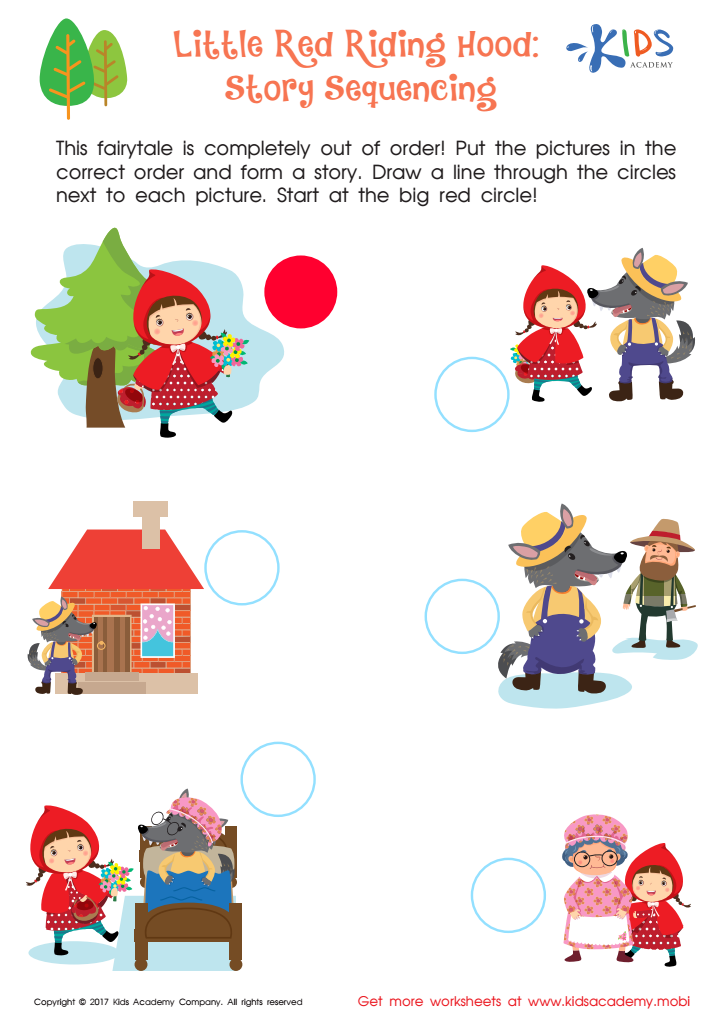
Story Sequencing Printable
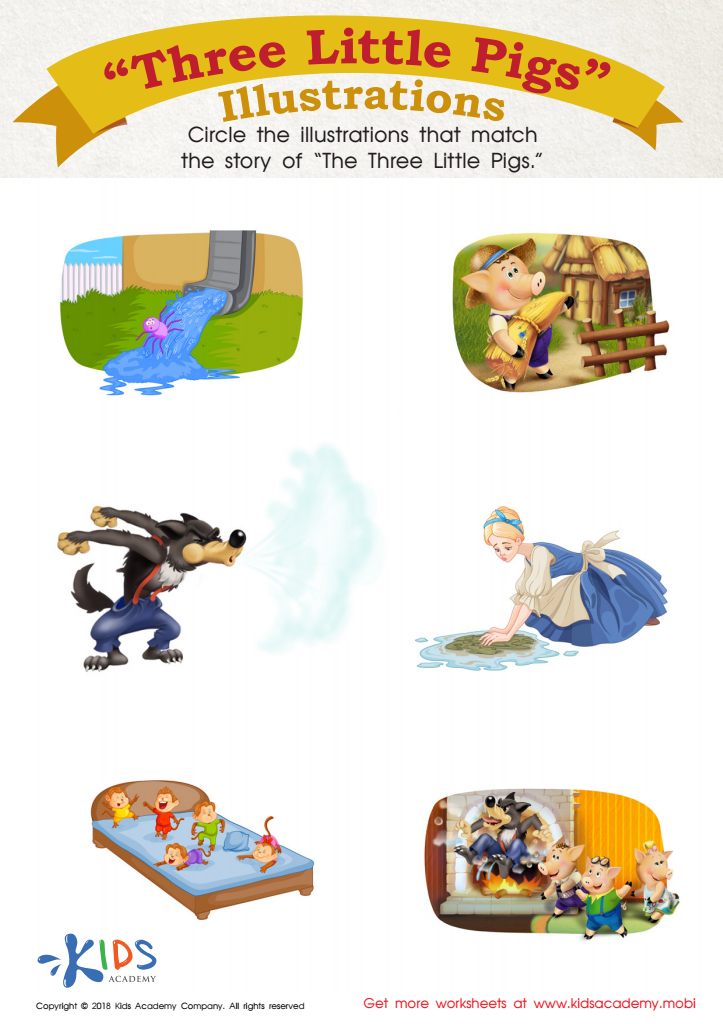
Three Little Pigs: Illustrations Worksheet
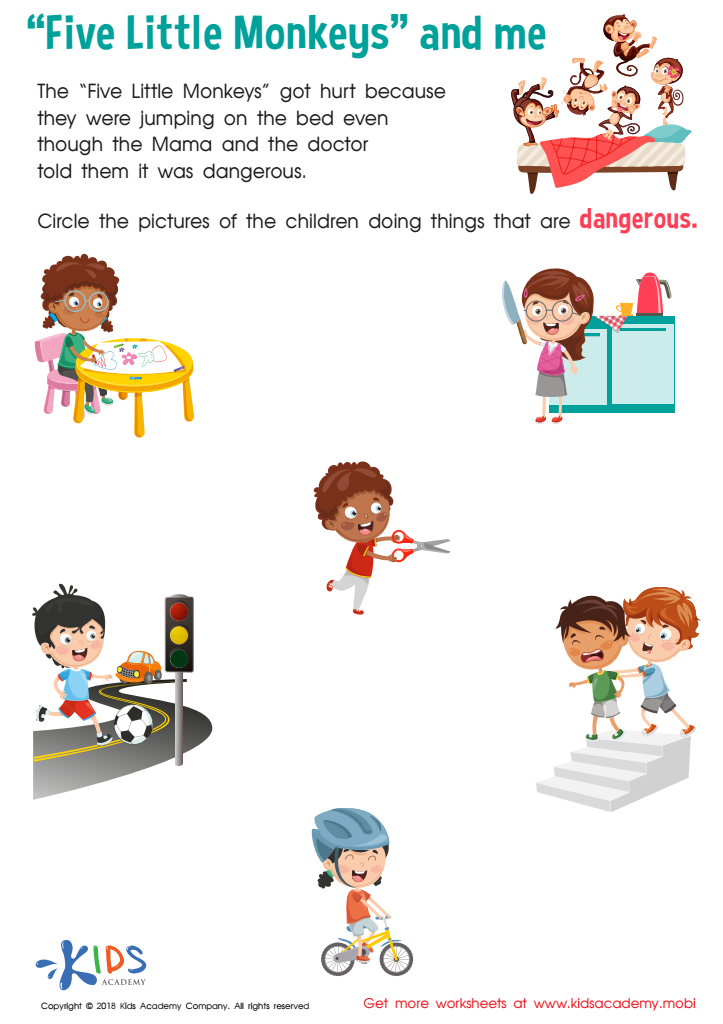
Five Little Monkeys and Me Worksheet







Sequencing skills in reading are crucial for children ages 3-4 as they lay the groundwork for effective comprehension and critical thinking. At this developmental stage, young learners start to make sense of narratives, understanding the order of events as they listen to stories or engage with picture books. By teaching sequencing, parents and teachers help children develop the ability to predict outcomes, recognize patterns, and connect ideas, which are essential for literacy.
When children grasp sequencing, they can better retell stories, enhancing their memory and communication skills. Additionally, sequencing supports emotional intelligence; understanding the flow of events helps kids empathize with characters and situations, fostering social skills. Early mastery of these skills promotes academic readiness, as the ability to organize information is valuable not just in reading but across all subjects.
Encouraging sequencing through fun activities, games, and storytelling ensures that children not only enjoy reading but also become analytical thinkers. This foundational skill positively impacts their confidence and enthusiasm for learning, creating a lifelong passion for reading and knowledge. Overall, sequencing skills are integral to cognitive development, making them a priority for parents and teachers in early childhood education.








