Simplifying Fractions Reading Worksheets for Ages 3-4
3 filtered results
-
From - To
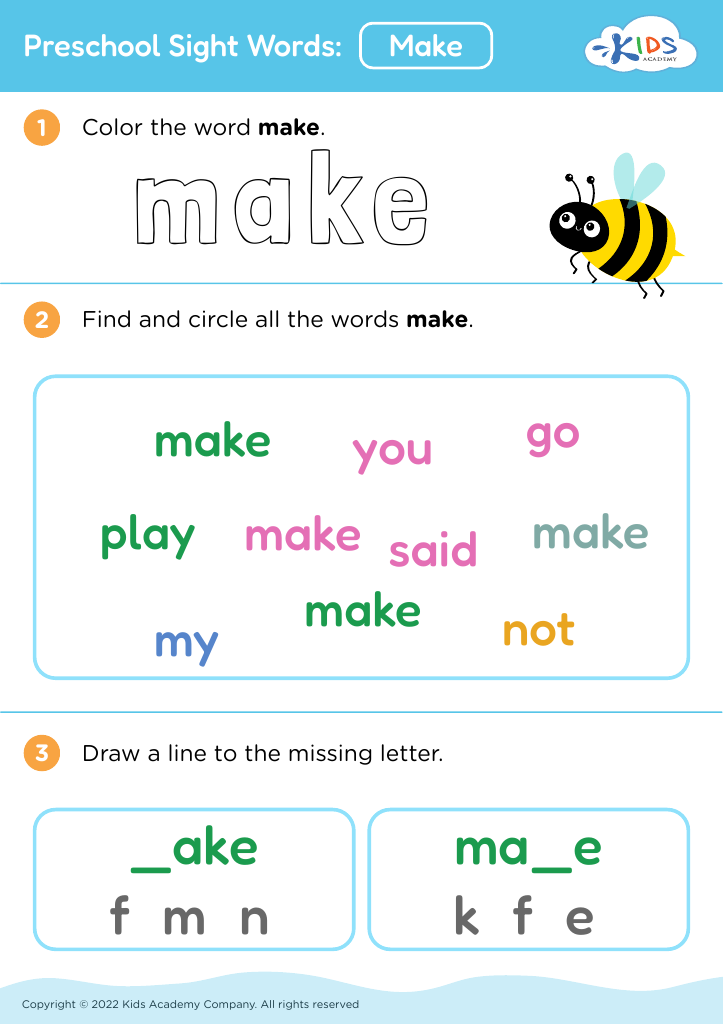
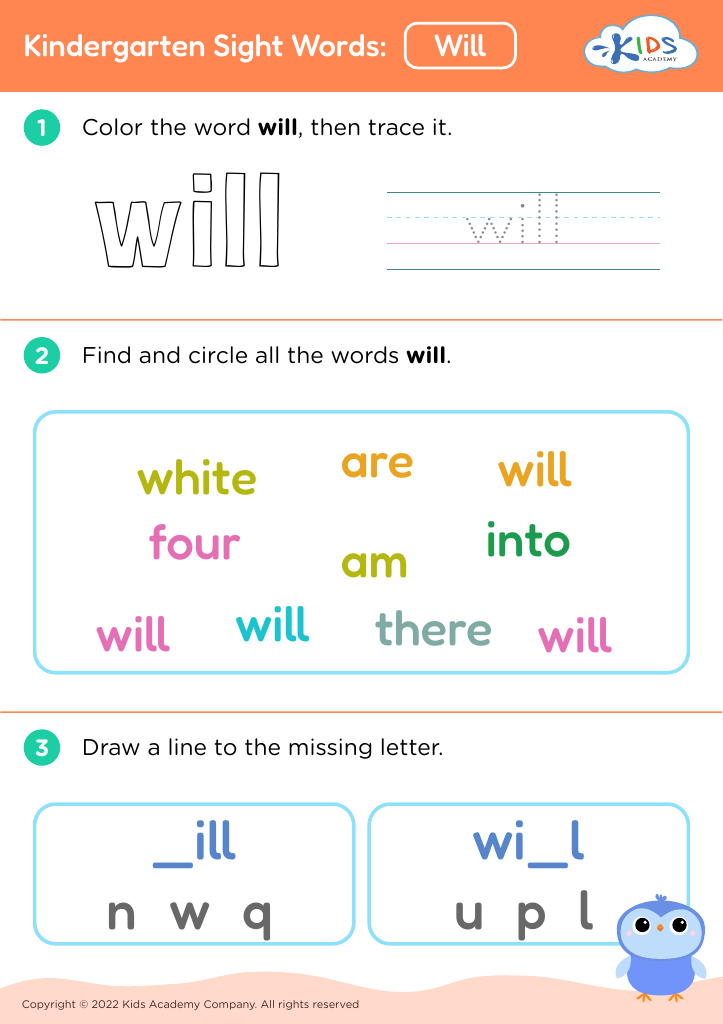
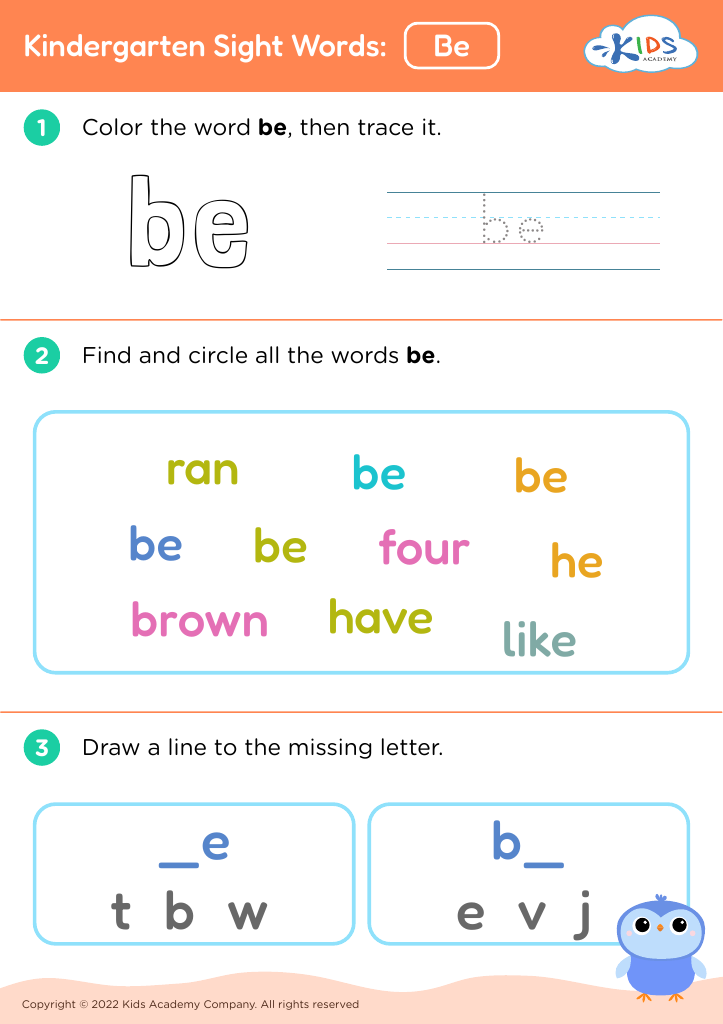
Introducing our engaging Simplifying Fractions Reading Worksheets, specially designed for children ages 3-4. These worksheets provide a fun and interactive way for young learners to grasp basic fraction concepts through vibrant visuals and simple tasks. Each activity fosters early numeracy skills while promoting critical thinking. Children will enjoy sorting, coloring, and identifying fractions in everyday scenarios, enhancing their comprehension and retention. Our resources are aligned with early childhood education standards, ensuring a well-rounded learning experience. Perfect for parents and educators alike, these worksheets make learning fractions enjoyable and accessible, laying a solid foundation for future mathematical understanding. Explore today!







Simplifying fractions is a foundational math skill that lays the groundwork for more advanced mathematical concepts. For children aged 3-4, early exposure to simplification through engaging reading materials can significantly enhance their understanding and interest in mathematics.
At this age, children are developing their cognitive skills and learning the basics of numbers and relationships. Teaching them about simplification in a fun and age-appropriate manner helps in building a positive attitude towards math. Simple stories featuring fractions can help them grasp complex ideas through visual and relatable contexts, fostering a deeper comprehension of how parts make a whole.
Moreover, by integrating math literacy into their reading experiences, parents and teachers can enhance children's vocabulary and language skills alongside their numerical abilities. This dual approach not only supports cognitive development but also combats math anxiety, as youngsters see math integrated into everyday life through storytelling.
Involving parents in this process also creates a supportive learning environment at home, where inquisitive minds can explore concepts further. Ultimately, making fractions accessible and relatable at an early age cultivates not just future math competence, but also critical thinking skills that are essential in all aspects of learning.








