
Story comprehension Reading Worksheets for Ages 3-4
5 filtered results
Difficulty Level
Grade
Age
-
From - To
Subject
Activity
Standards
Discover our engaging Story Comprehension Reading Worksheets designed specifically for children ages 3-4. These worksheets are perfect for enhancing young readers' understanding of stories while developing critical cognitive skills. Each worksheet features age-appropriate narratives and interactive questions that promote discussion, encourage imaginative thinking, and deepen comprehension. Our well-structured activities teach essential vocabulary and help children recall details, summarize plots, and understand character motivations—all while keeping learning enjoyable. Ideal for parents and educators seeking to nurture early literacy, these worksheets are easily accessible and perfect for home or classroom use. Bring the joy of storytelling to life with our fun and educational resources!
Favorites
With answer key
Interactive
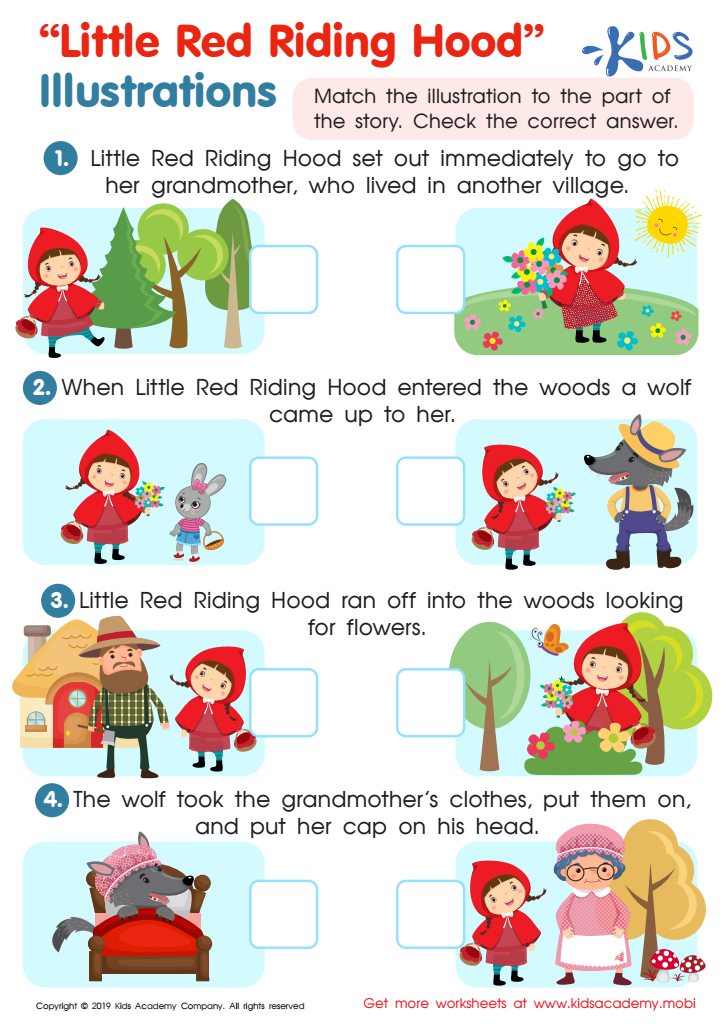
Little Red Riding Hood: Illustrations Worksheet
Comprehension is improved by having young readers recall and retell stories. This worksheet uses colorful illustrations of the fairytale Little Red Riding Hood. Children use their comprehension skills and strategy to match illustrations to the story parts, check off the appropriate boxes and use the pictures as clues.
Little Red Riding Hood: Illustrations Worksheet
Worksheet
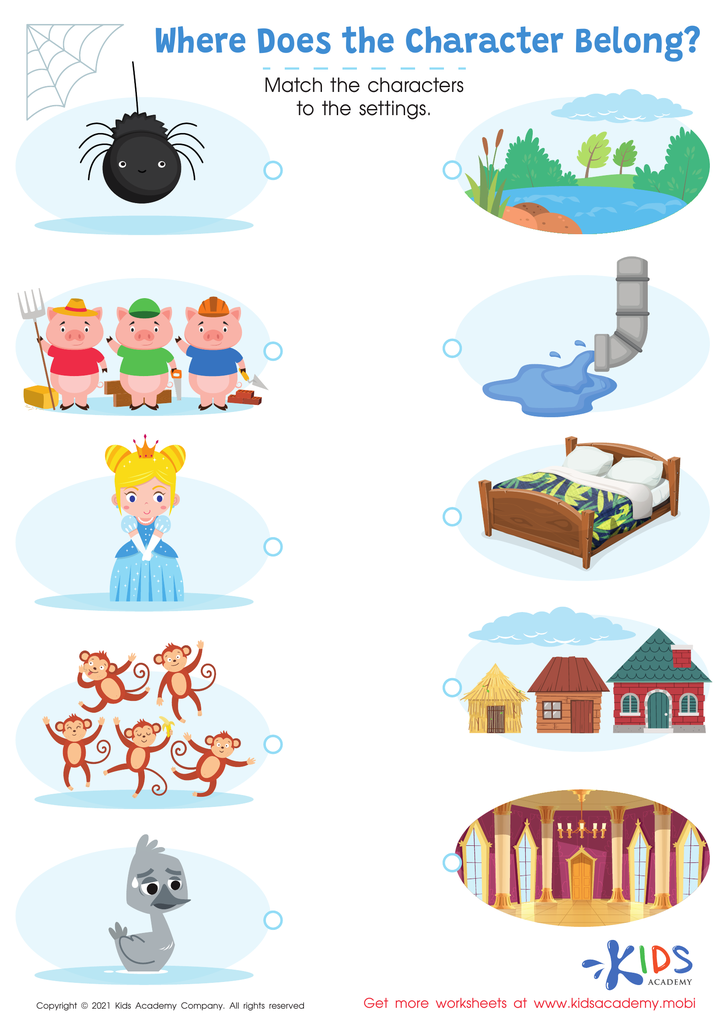
Where Does the Character Belong? Worksheet
Fairy Tales are a great way to teach young ones about settings, characters and other literary elements. This worksheet contains illustrations from popular fairy tales to help kids identify characters and match them to the right settings. It's a fun way to improve recall skills and enhance comprehension using visuals.
Where Does the Character Belong? Worksheet
Worksheet
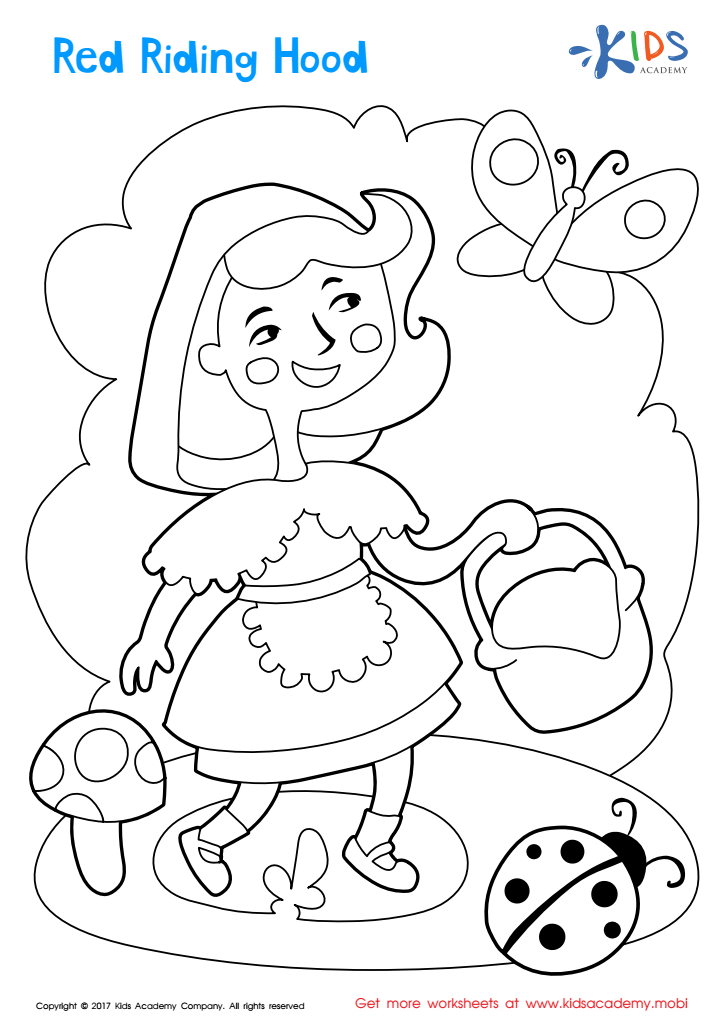
Red Riding Hood Coloring Page
Red Riding Hood awaits in the woods, with a butterfly, mushroom, and ladybug around her. Let your child bring the story to life with this magical printable coloring page. Fairytale fun for all!
Download (PDF)
 Assign to My Students
Assign to My Students
Red Riding Hood Coloring Page
Worksheet
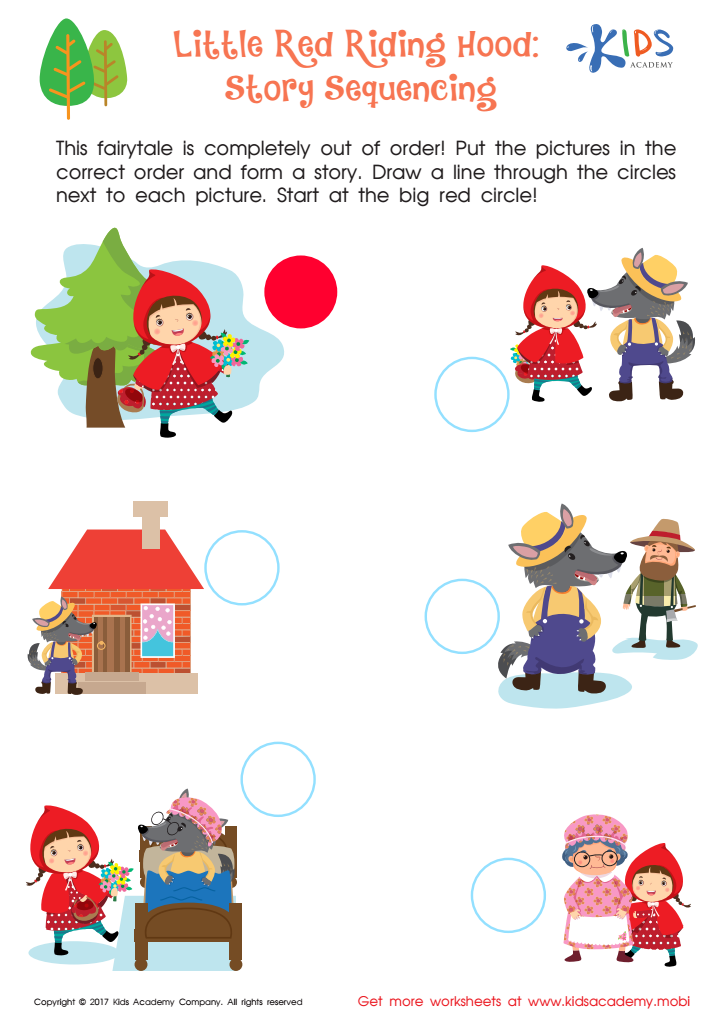
Story Sequencing Printable
Children must identify story events in sequential order to build a better understanding of plot.
Help your child learn how to understand plot with this fun comprehension worksheet: Little Red Riding Hood! Guide them to identify story events and order them correctly to boost their reading skills.
Story Sequencing Printable
Worksheet
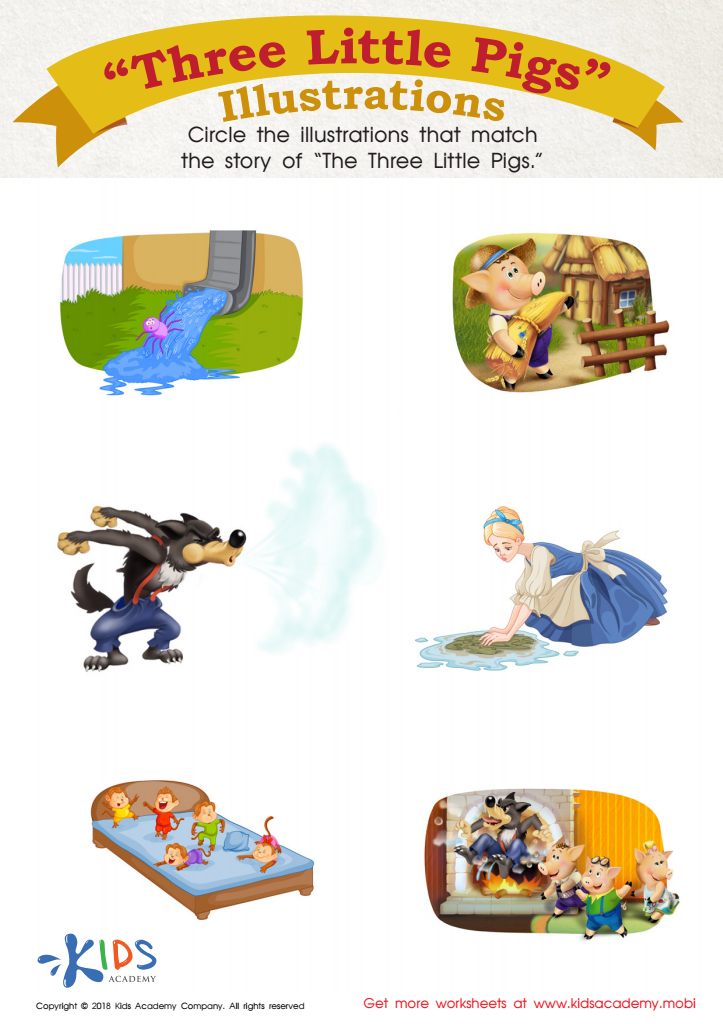
Three Little Pigs: Illustrations Worksheet
Fairy Tales are a great way for young children to learn about settings, characters and other fiction elements. This worksheet has illustrations from The Three Little Pigs, and lets your student use what they know and the visuals to match the story. It's a fun way for them to practice story recall and comprehension with illustrations.
Three Little Pigs: Illustrations Worksheet
Worksheet
Join Kids Academy for Free
Who is primarily going to use this learning content?







Story comprehension is a critical skill for children aged 3-4 as it lays the foundation for language development, cognitive skills, and academic success. During this formative age, children are naturally curious and eager to engage with stories, making it an ideal time for parents and teachers to cultivate this skill.
Comprehending a story helps children understand plot, characters, and sequences, which enhances their verbal and listening skills. As they follow narratives, they also develop their ability to make predictions and draw connections to their own experiences, fostering critical thinking and empathy. Engaging with stories together can spark discussions about feelings, relationships, and morals, enriching children's social and emotional understanding.
Moreover, early story comprehension is linked to improved literacy skills. The more children are exposed to stories, the more they expand their vocabulary, learn new concepts, and become comfortable with the structure of language. This ultimately aids in their readiness for formal schooling.
Parents and teachers play a vital role by selecting age-appropriate books, asking open-ended questions, and encouraging imaginative play related to stories. By prioritizing story comprehension, they not only enhance academic readiness but also nurture a lifelong love for reading, ultimately supporting overall development.








