
Understanding context Reading Worksheets for Ages 3-4
4 filtered results
Difficulty Level
Grade
Age
-
From - To
Subject
Activity
Standards
Enhance your child’s reading skills with our "Understanding Context Reading Worksheets" designed for ages 3-4. These colorful, engaging worksheets introduce young learners to contextual clues, helping them gain a better grasp of language and meaning. Each activity emphasizes identifying supportive words and phrases within sentences, fostering critical thinking and comprehension from an early age. Our thoughtfully crafted exercises are perfect for at-home learning or classroom use, ensuring a fun, interactive approach to literacy development. Encourage your child’s confidence and creativity in reading as they explore stories and concepts through playful activities. Start their reading journey today!
Favorites
With answer key
Interactive
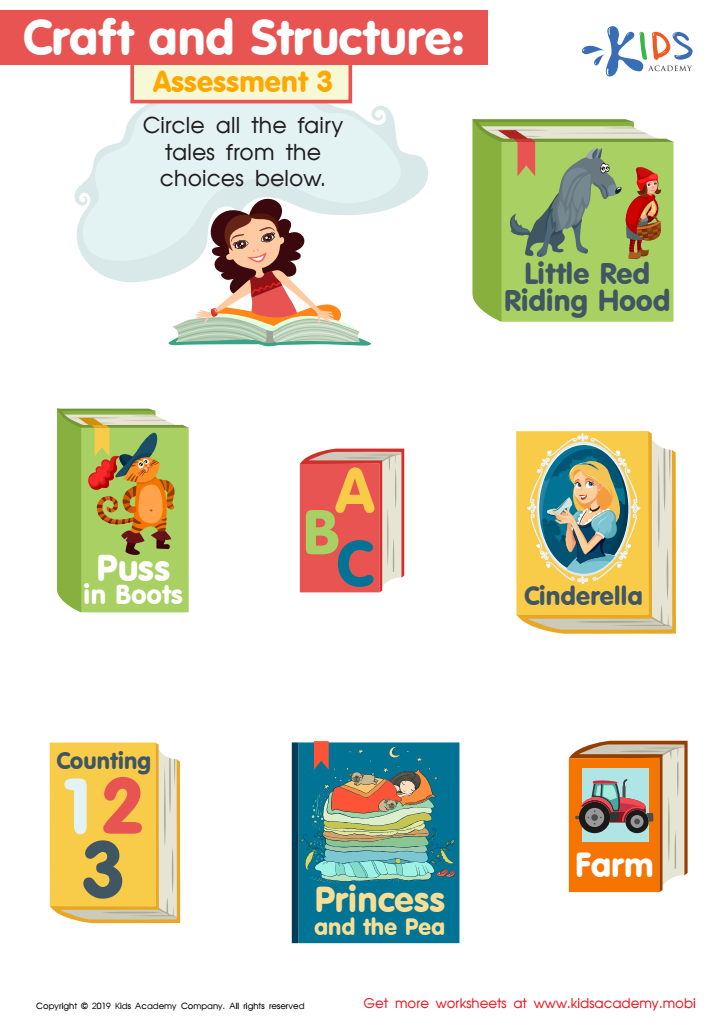
Craft and Structure: Assessment 3 Worksheet
Before starting the worksheet, ask your kids to recall their favorite bedtime stories. What characters and events can they remember? Four popular children's stories are hidden among pictures of other objects - help them search and circle the fairy tales in this PDF.
 Assign to My Students
Craft and Structure: Assessment 3 Worksheet
Worksheet
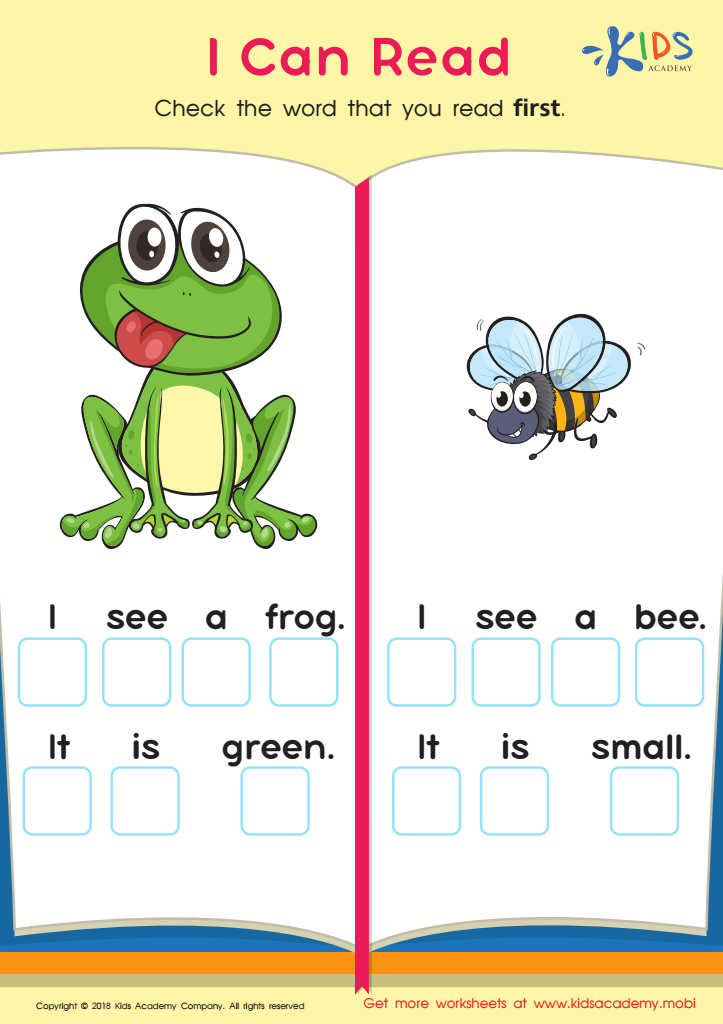
I Can Read Worksheet
Test your child's reading skills with this fun worksheet. See how well they know one-letter, two-letter, and five-letter words. Ask your little one to read the sentences and tick the word they identify first. It's a great way to track their progress and help them become more confident readers.
I Can Read Worksheet
Worksheet
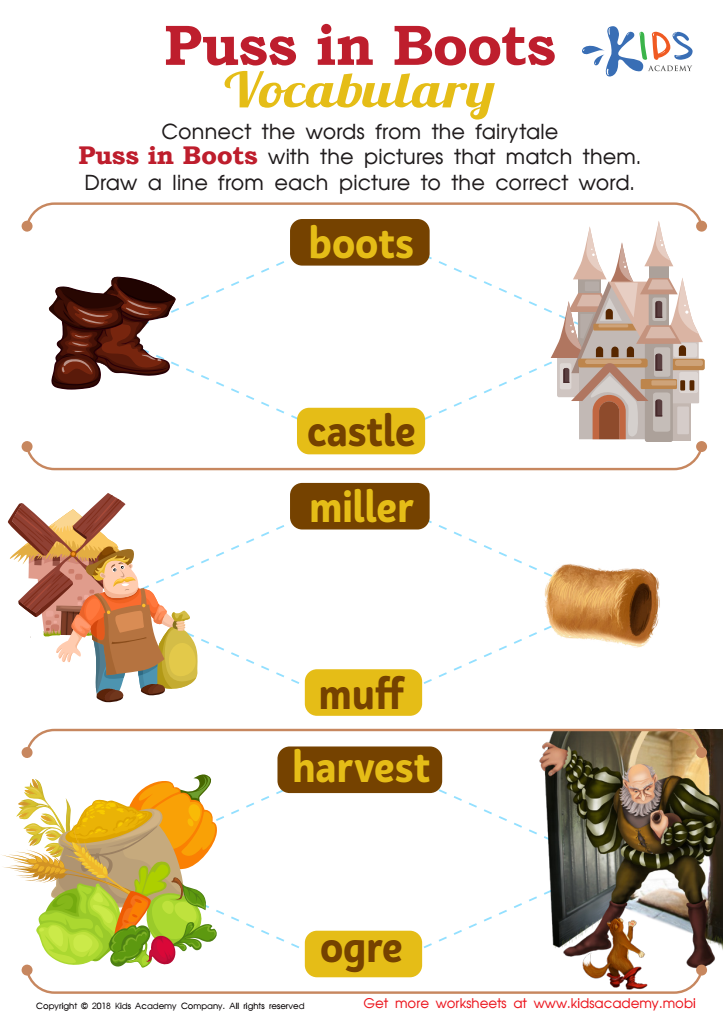
Puss in Boots Vocabulary Worksheet
Let your kids enjoy story-telling while learning at the same time. Help them learn from the fairytale, Puss in Boots, by connecting words from the worksheet with the matching pictures. Ask them to draw a line between each picture and corresponding word to build their vocabulary.
Puss in Boots Vocabulary Worksheet
Worksheet
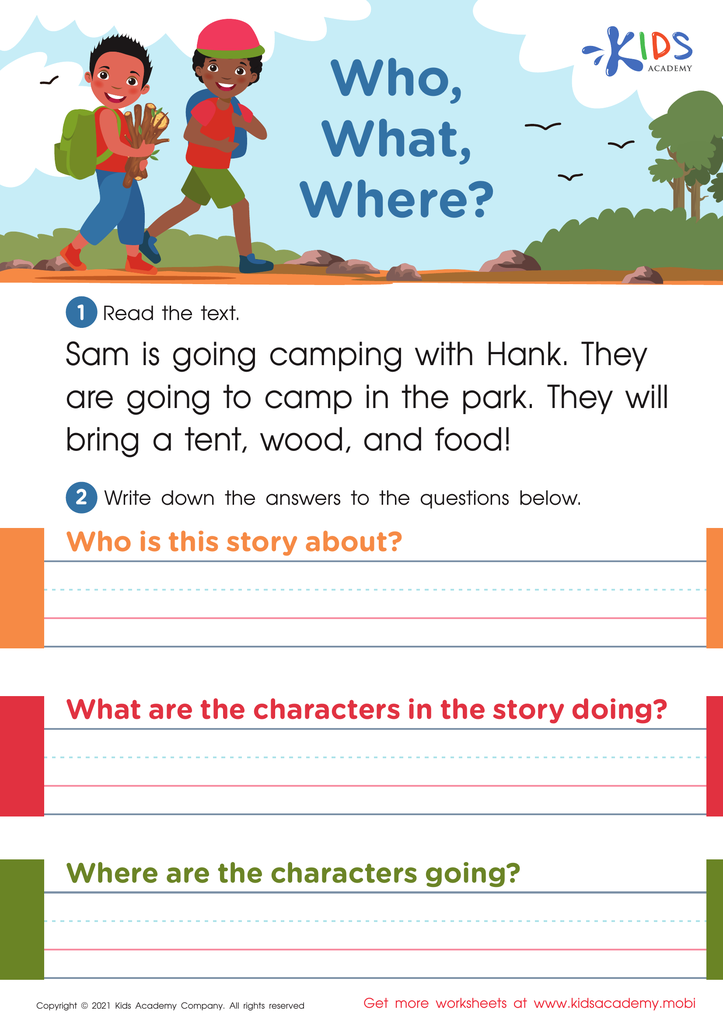
Who, What, Where? Worksheet
The availability of technology has changed the way students learn and interact with their environment in a very meaningful way.
Technology has revolutionized learning and interaction for students. It offers an array of opportunities to engage with their surroundings, leading to a more meaningful educational experience.
Who, What, Where? Worksheet
Worksheet
Join Kids Academy for Free
Who is primarily going to use this learning content?



.jpg)



Understanding context in reading is crucial for children aged 3-4 as it lays a strong foundation for their literacy development. At this age, children are highly impressionable, and the stories they hear and engage with can shape their worldview, vocabulary, and comprehension abilities. When parents and teachers emphasize contextual understanding, they help young readers make connections between the text and their own experiences, leading to deeper comprehension and retention of information.
Context also aids in the development of critical thinking and problem-solving skills. By discussing the setting, characters, and underlying themes within a story, adults can prompt children to ask questions, make predictions, and infer meaning, fostering a sense of curiosity and exploration. This level of engagement not only enhances enjoyment in reading but also encourages children to become active participants in their learning process.
Furthermore, understanding context can support social-emotional development. Stories often present situations that require empathy and perspective-taking; when educators and parents guide children through these narratives, they nurture essential social skills. Overall, focusing on contextual understanding in reading prepares young learners for future academic success while enriching their childhood experiences.








