
Understanding directions Reading Worksheets for Ages 3-4
3 filtered results
Difficulty Level
Grade
Age
-
From - To
Subject
Activity
Standards
Discover our engaging "Understanding Directions Reading Worksheets" designed specifically for ages 3-4. These printable resources aim to foster early literacy skills by helping young children comprehend and follow simple instructions. Each worksheet integrates fun activities that encourage listening, critical thinking, and language development. With colorful visuals and interactive elements, early learners will delight in completing tasks that challenge their understanding of directions. Perfect for parents and educators, these worksheets provide a structured way to enhance reading readiness and communication skills. Start building a strong foundation for your child's literacy journey today with our thoughtfully crafted activities!
Favorites
With answer key
Interactive
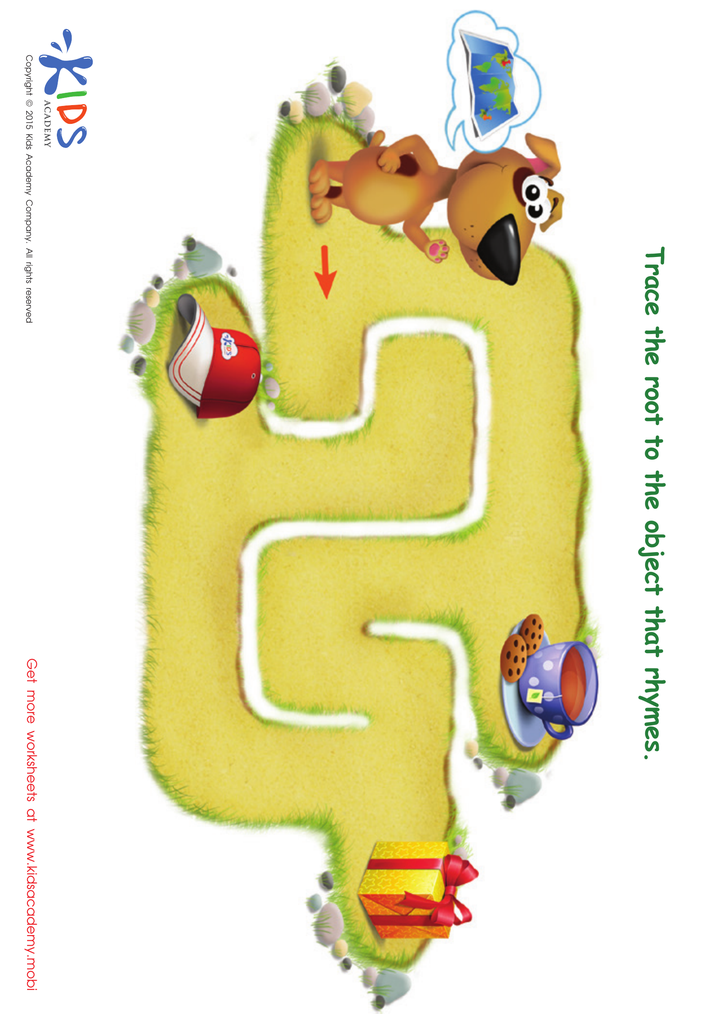
Map Rhyming Words Worksheet
Get them now and practice your skills while having fun playing. Find words that rhyme, trace the roots and enjoy the journey!
Map Rhyming Words Worksheet
Worksheet
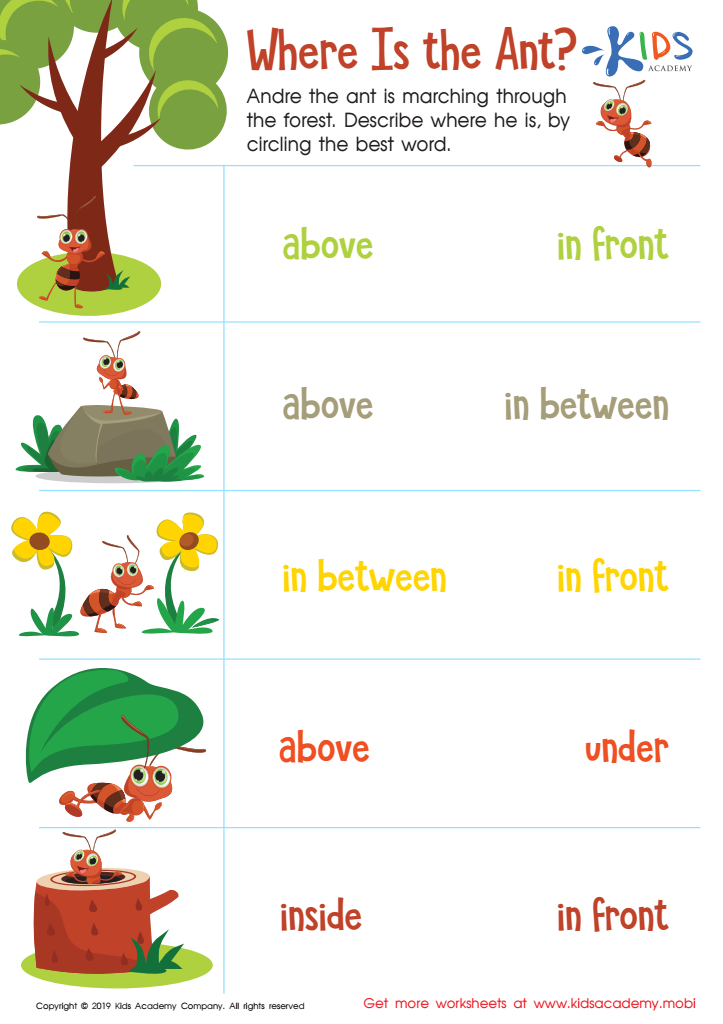
Where Is the Ant? Worksheet
Kids are captivated by ants. Andre is a busy ant, marching through the forest. Help your child circle the best word that best describes what he's doing in each picture. This colorful printout will show them the way.
 Assign to My Students
Where Is the Ant? Worksheet
Worksheet
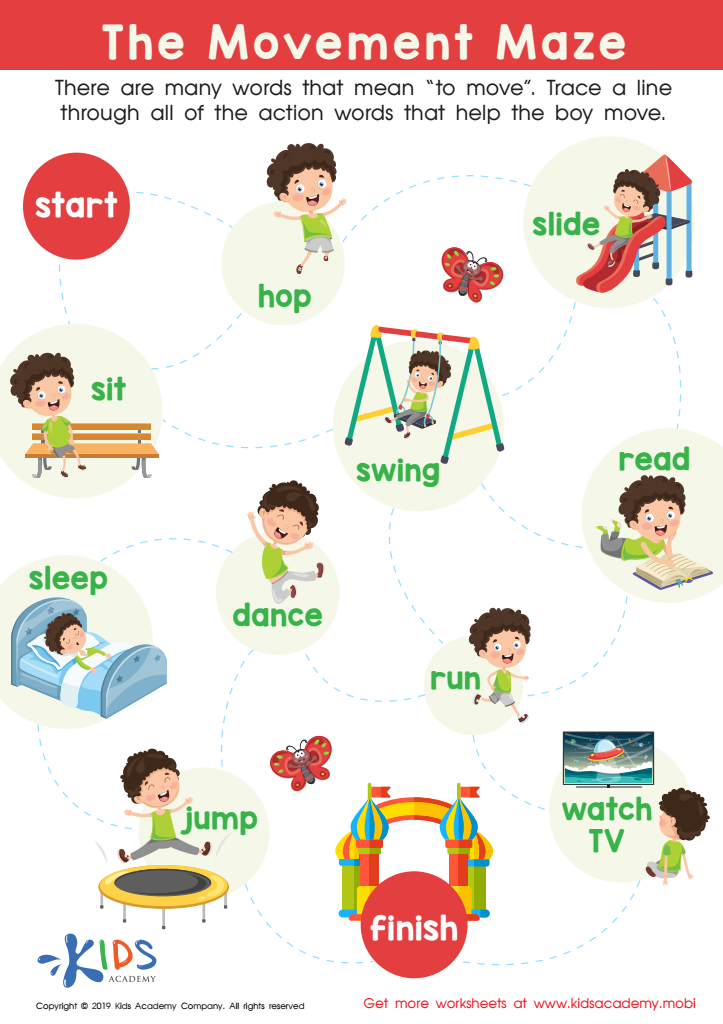
The Movement Maze Worksheet
Let your child have fun with this interactive PDF download. Kids will learn movement words with cute pictures, plus practice fine motor skills as they trace. A fun way to reinforce vocabulary. Jump, hop and sit – it's all here!
The Movement Maze Worksheet
Worksheet
Join Kids Academy for Free
Who is primarily going to use this learning content?





.jpg)


Understanding directions reading is a crucial skill for children aged 3-4, and parents and teachers should prioritize it for several reasons. At this age, children begin to navigate their environment and interact more with the world around them. Properly understanding directions enhances their ability to follow simple instructions, which fosters independence and confidence as they undertake tasks.
Moreover, following directions is foundational for early literacy development. Children learn essential language skills as they process and comprehend verbal commands, paving the way for more complex language use and reading comprehension in later stages. Engaging in activities that emphasize understanding directions can stimulate cognitive development, as children learn to listen, think critically, and apply information practically.
Additionally, teaching direction-following can mitigate frustration and potential behavioral issues since children equipped with these skills can transition more smoothly between activities and expectations. Ultimately, by emphasizing this aspect of early education, parents and teachers not only promote children’s immediate learning and self-efficacy but also lay a robust groundwork for future academic success and social competencies. Engaging young learners in direction-following exercises fosters a holistic development that encompasses communication, problem-solving, and adaptability—essential skills for lifelong learning.








