Story comprehension Reading Fiction Worksheets for Ages 3-4
5 filtered results
-
From - To
Enhance your child's reading skills with our engaging Story Comprehension Reading Fiction Worksheets, specifically designed for ages 3-4. These worksheets promote early literacy by encouraging young learners to explore narratives through fun, interactive activities. Each worksheet features vibrant illustrations and simple text, making it easier for children to connect with stories. By asking questions and prompting discussions about the characters, setting, and plot, these worksheets foster critical thinking and comprehension skills. Ideal for preschool teachers and parents alike, our resources help cultivate a love for reading and comprehension in a playful, encouraging environment. Jumpstart your child’s reading journey today!
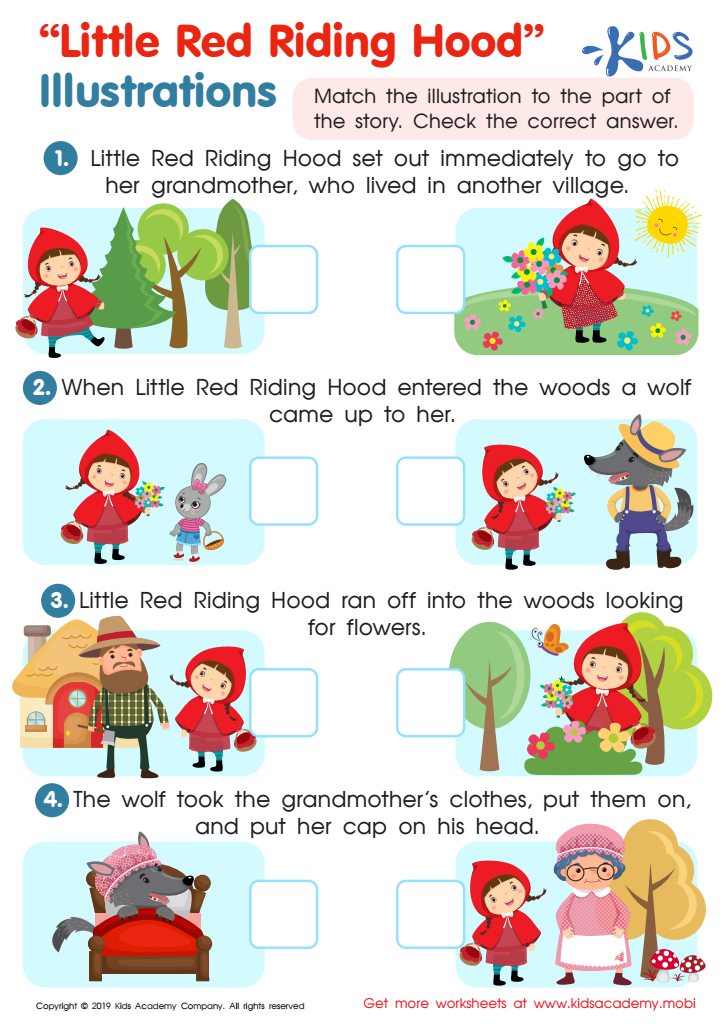
Little Red Riding Hood: Illustrations Worksheet
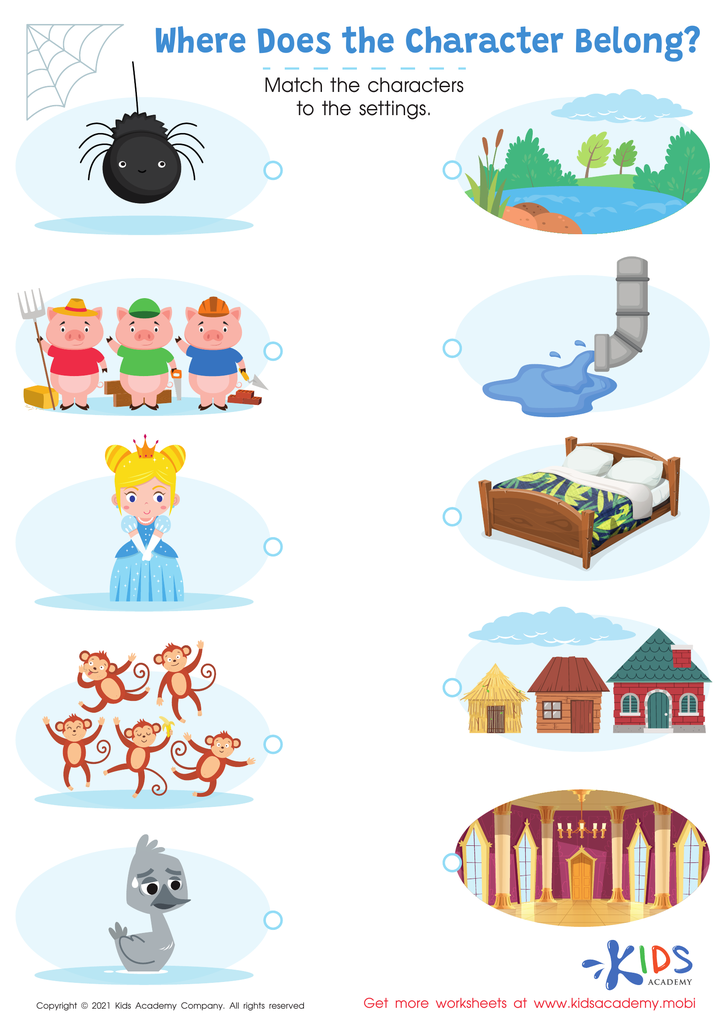
Where Does the Character Belong? Worksheet
Red Riding Hood Coloring Page
 Assign to My Students
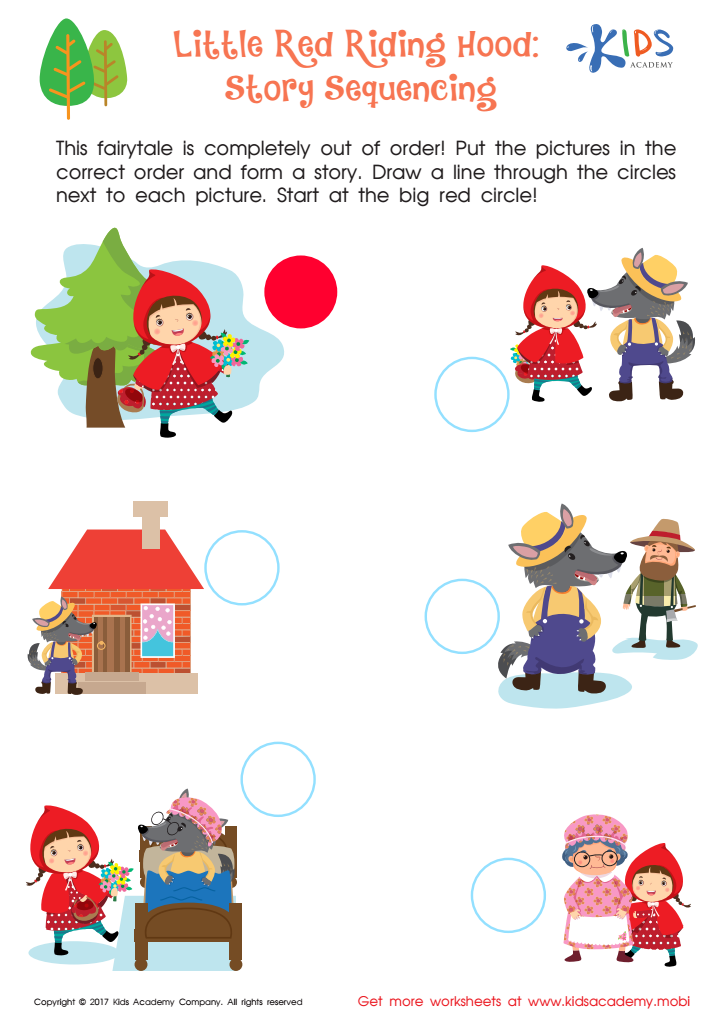
Story Sequencing Printable
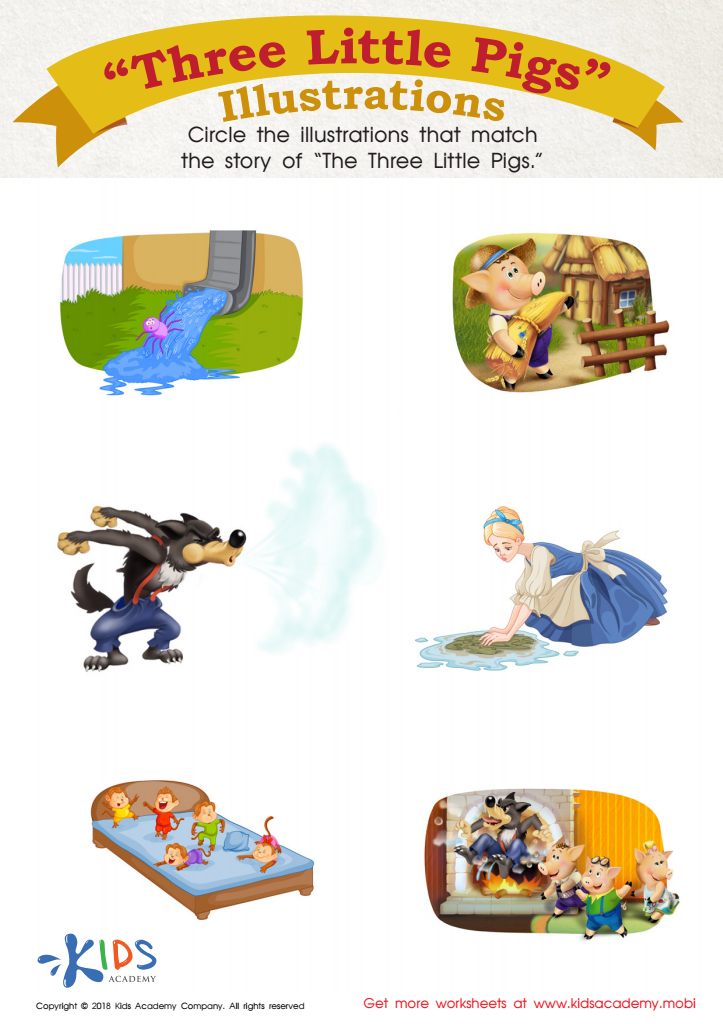
Three Little Pigs: Illustrations Worksheet





.jpg)


Story comprehension in reading fiction for ages 3-4 is crucial for several reasons, making it an important focus for parents and teachers. At this developmental stage, children are laying the foundation for critical literacy skills. Engaging with stories helps them understand the sequence of events, recognize characters and settings, and grasp themes, which enhances their cognitive development.
Moreover, storytelling captivates young imaginations, fostering creativity and emotional intelligence. Children learn to empathize with characters, which helps them navigate their own feelings and social interactions. When parents or teachers encourage discussions about the story, they promote critical thinking and comprehension skills as children learn to recall details, make predictions, and interpret meanings.
Additionally, reading together strengthens the bond between adults and children. It creates a shared experience that enhances communication skills and boosts vocabulary. This interaction is key to nurturing a love for reading, encouraging lifelong learning.
In a world increasingly reliant on communication and comprehension, ensuring that children develop these skills early is indispensable. Story comprehension not only supports academic success but also cultivates compassionate and imaginative individuals equipped for various life experiences. Supporting this aspect of literacy prepares children for a healthier, more engaged future.








