Vocabulary expansion Reading Fiction Worksheets for Ages 3-4
5 filtered results
-
From - To
Boost your child's vocabulary with our engaging Vocabulary Expansion Reading Fiction Worksheets designed specifically for ages 3-4! These interactive worksheets combine fun stories and imaginative scenarios to introduce new words and concepts in a captivating way. Children will enjoy colorful illustrations and enjoyable activities that enhance their understanding and usage of language. Ideal for early learners, our worksheets promote critical thinking, reading comprehension, and language development in a playful manner. Explore a world of exciting narratives while fostering important communication skills. Perfect for both classroom settings and at-home learning, these resources empower young readers to become confident word explorers!
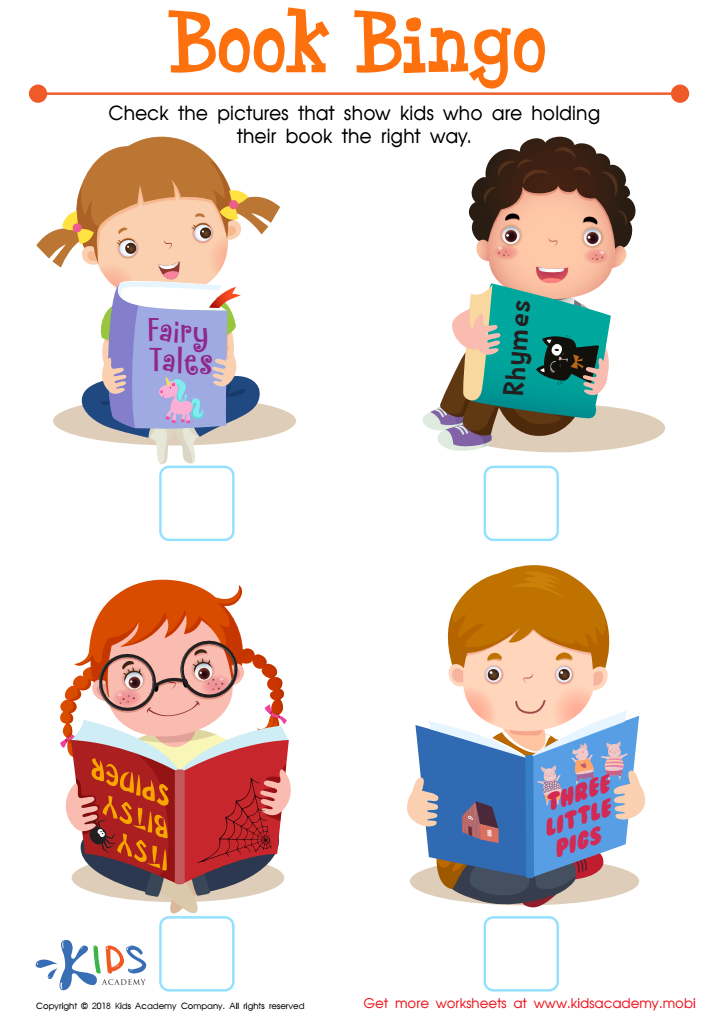
Book Bingo Worksheet
 Assign to My Students
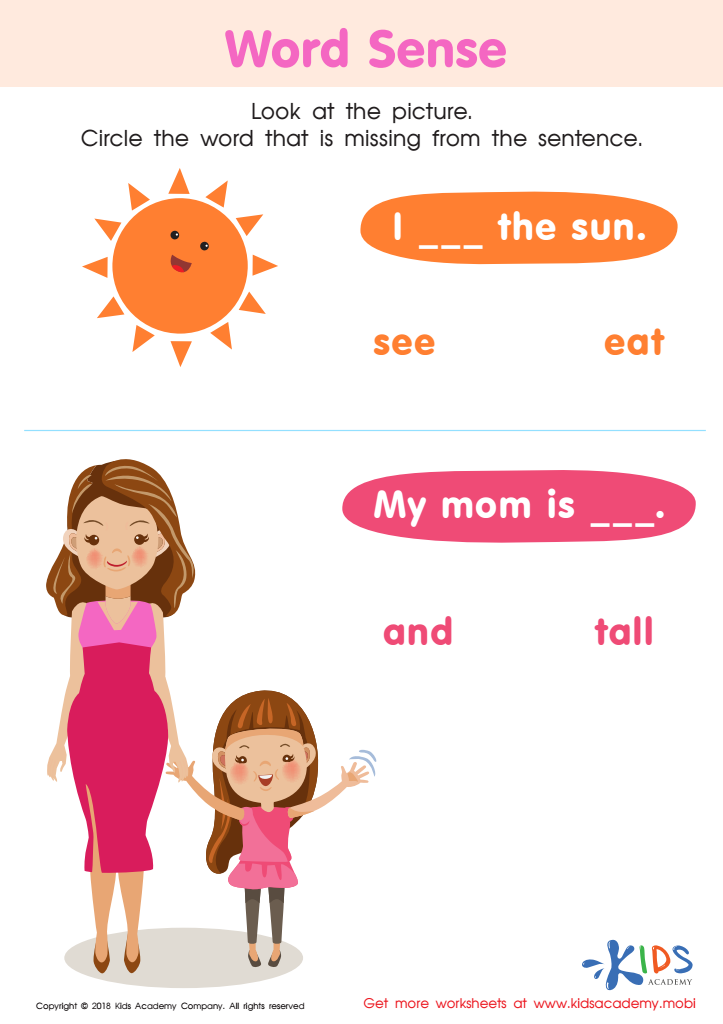
Word Sense Worksheet
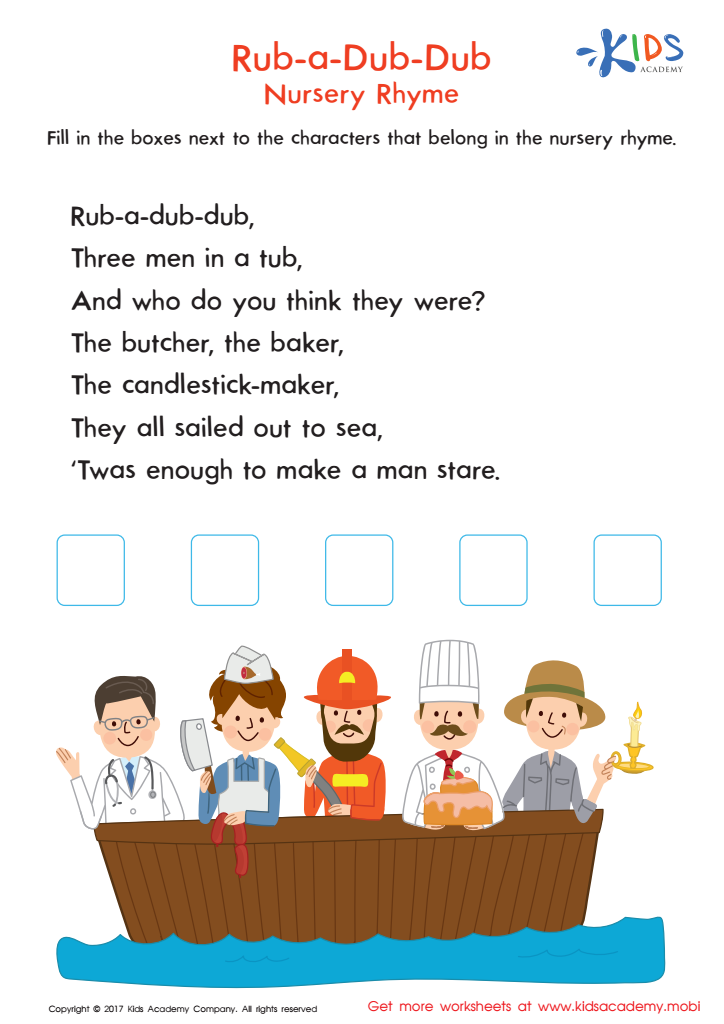
Rub a Dub Dub Printable
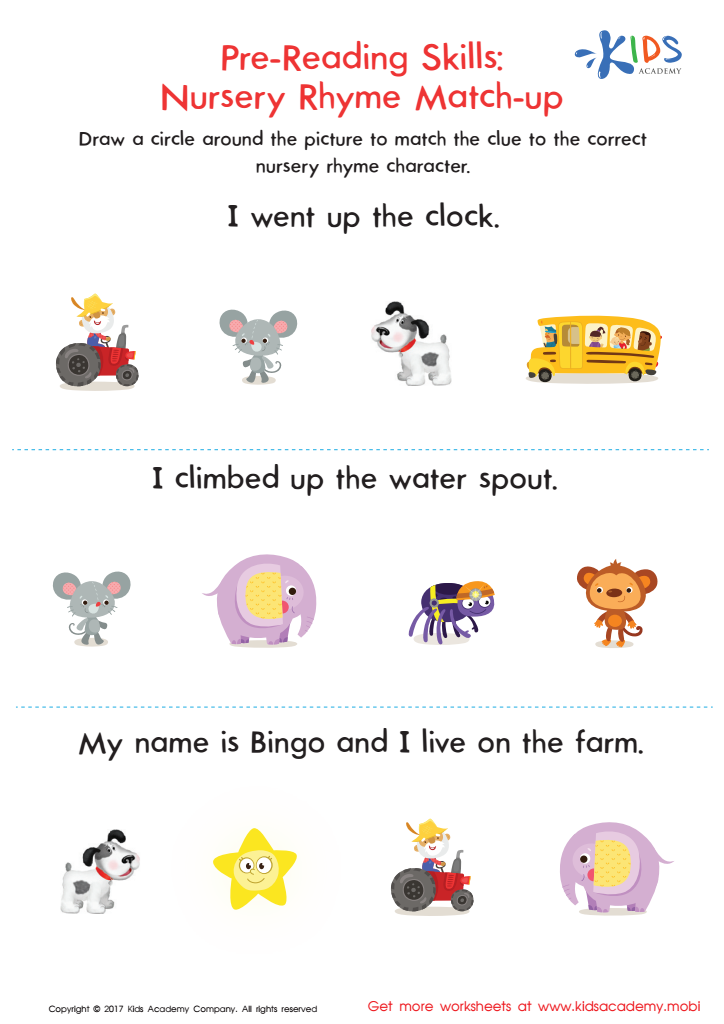
Nursery Rhyme Match–Up Worksheet
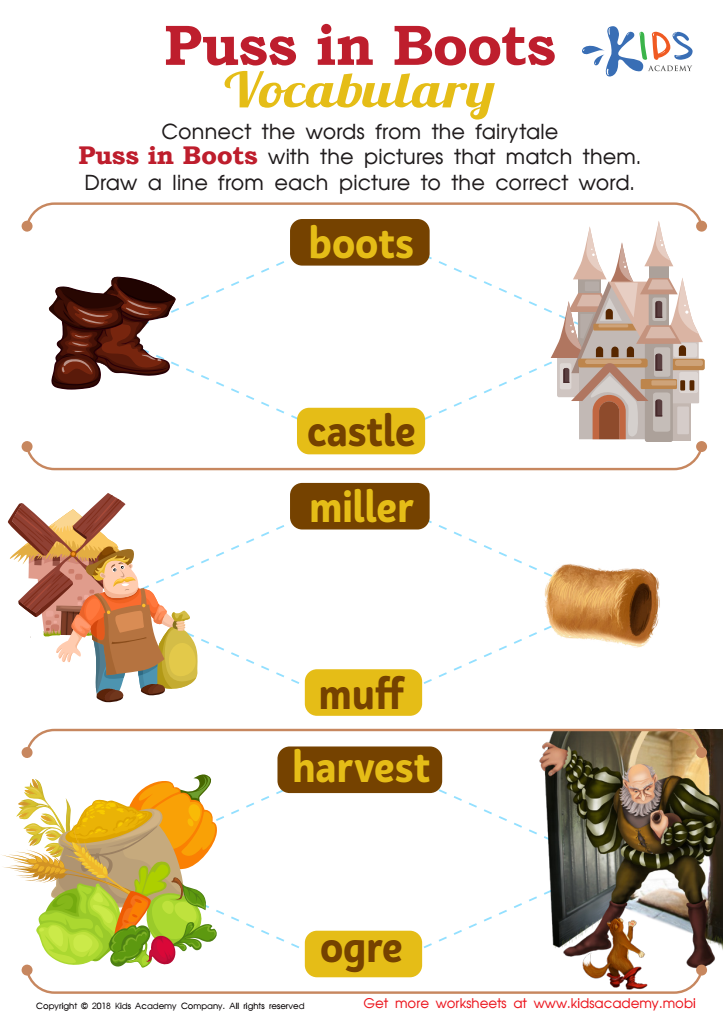
Puss in Boots Vocabulary Worksheet








Vocabulary expansion through reading fiction for ages 3-4 is crucial for early language development and overall cognitive growth. At this impressionable age, children are rapidly acquiring language skills, and engaging them with fictional stories can significantly enhance their vocabulary. Fiction exposes young learners to a richer and more varied language than everyday conversation, including complex sentences, diverse vocabulary, and imaginative phrases that they may not encounter elsewhere.
Reading fiction also stimulates creativity and imagination, allowing children to envision different worlds, characters, and scenarios. This imaginative engagement helps strengthen narrative skills and aids in comprehension and storytelling abilities. Furthermore, stories often introduce new concepts and ideas, broadening a child's understanding of the world around them.
Parents and teachers play a vital role by selecting age-appropriate fiction that captivates children's interest. Interactive reading sessions can encourage discussions about the story, prompting children to ask questions and express thoughts, thereby reinforcing language skills. In summary, prioritizing vocabulary expansion through fictional literature not only equips children with essential language tools but also fosters a lifelong love for reading and learning. Such early exposure creates a foundation for successful communication and academic achievement in the years to come.








