Fine Motor Skills Rhyming Words Worksheets for Ages 3-4
4 filtered results
-
From - To
Introduce your little learners to the fun world of rhyming words with our Fine Motor Skills Rhyming Words Worksheets, specially designed for ages 3-4! These engaging worksheets encourage early reading while enhancing fine motor skills through enjoyable activities. Kids will cut, trace, and sort vibrant images that rhyme, making learning interactive and exciting! As they develop essential skills like hand-eye coordination and dexterity, they'll also boost their phonemic awareness. Perfect for preschoolers, these worksheets provide a valuable combination of playful learning and skill development. Download today and help your child explore language through imaginative play!
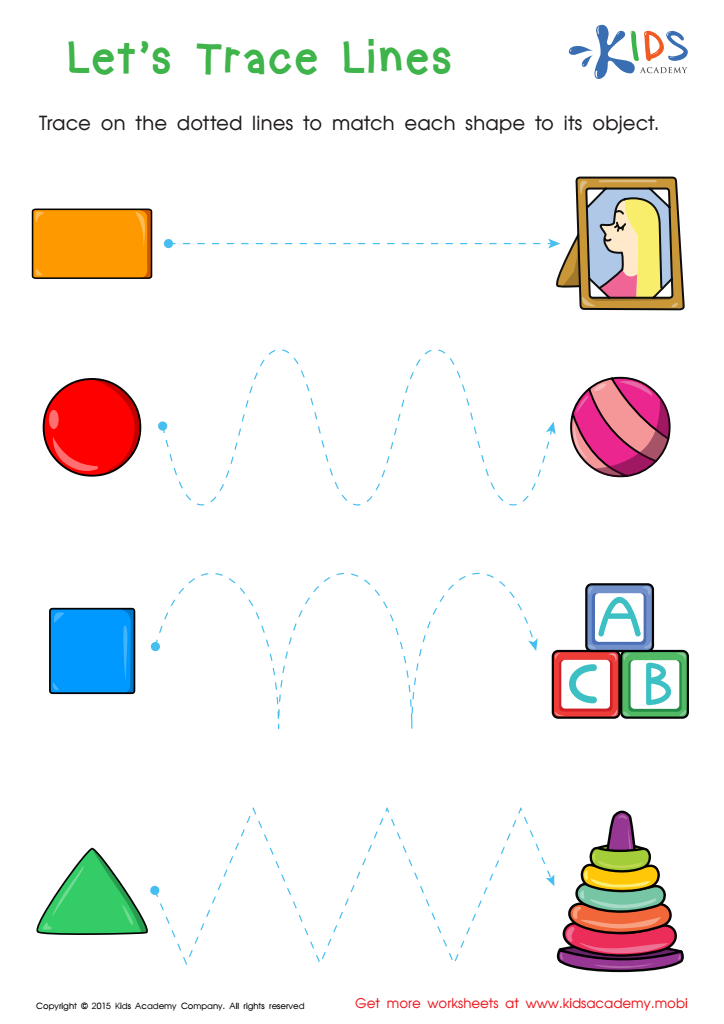
First Words: Let's Trace Lines Worksheet
 Assign to My Students
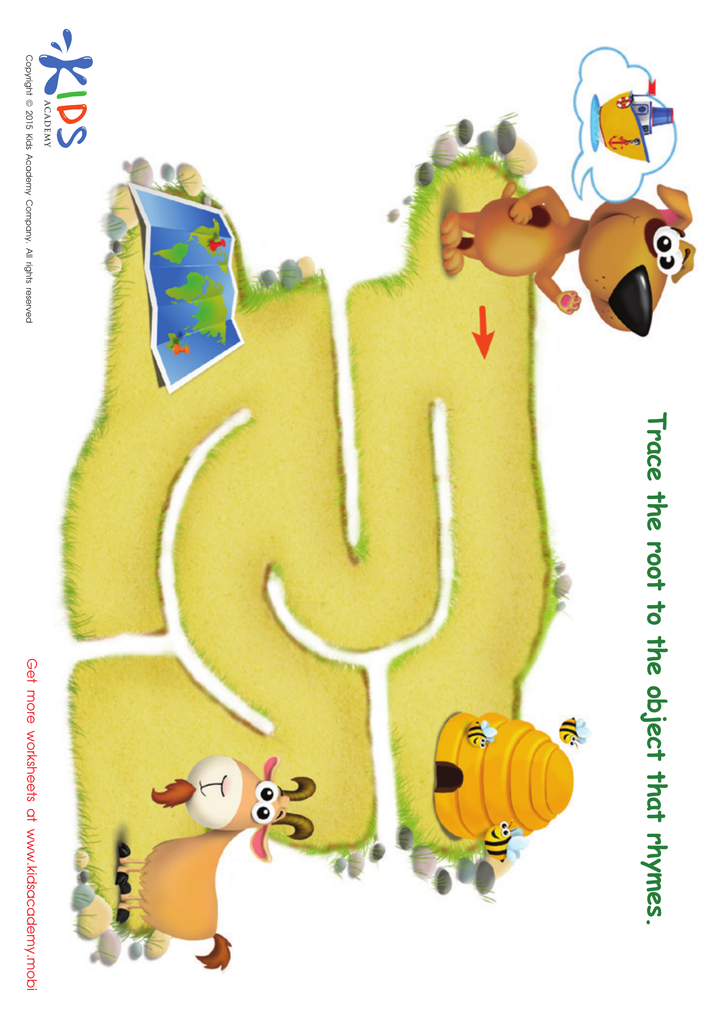
Boat Rhyming Words Worksheet
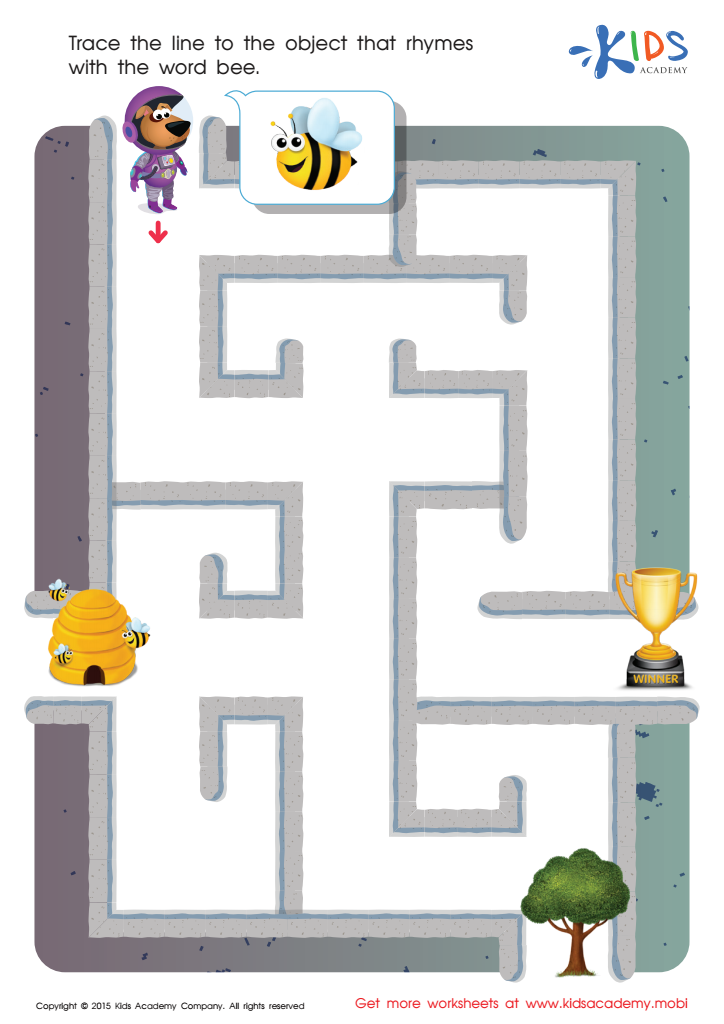
Bee Rhyming Words Worksheet
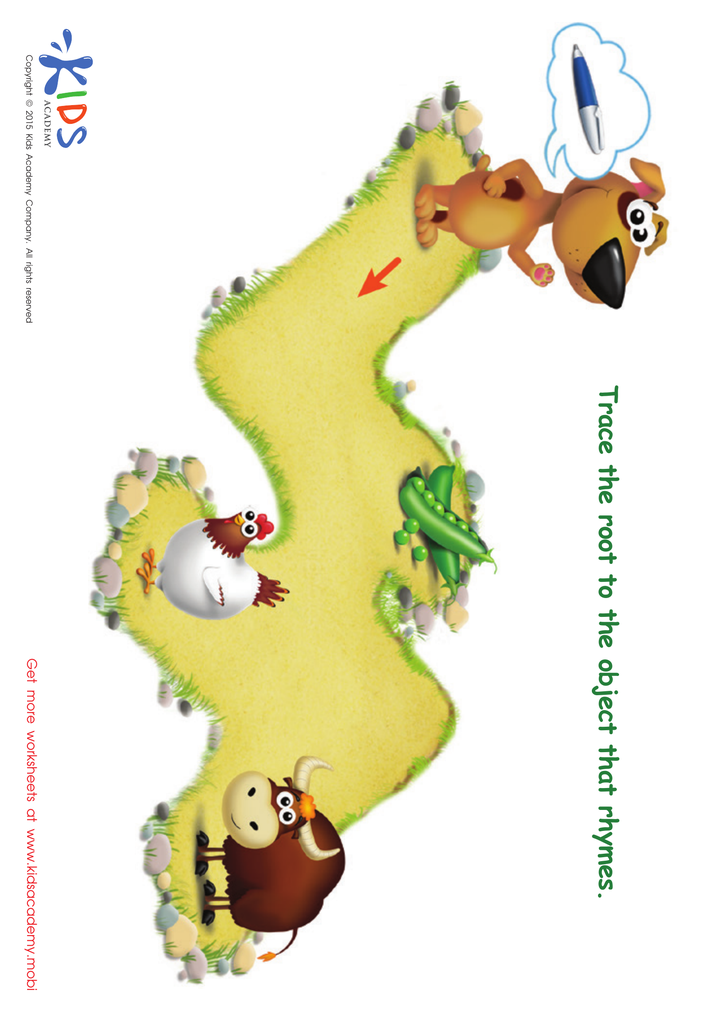
Pen Rhyming Words Worksheet




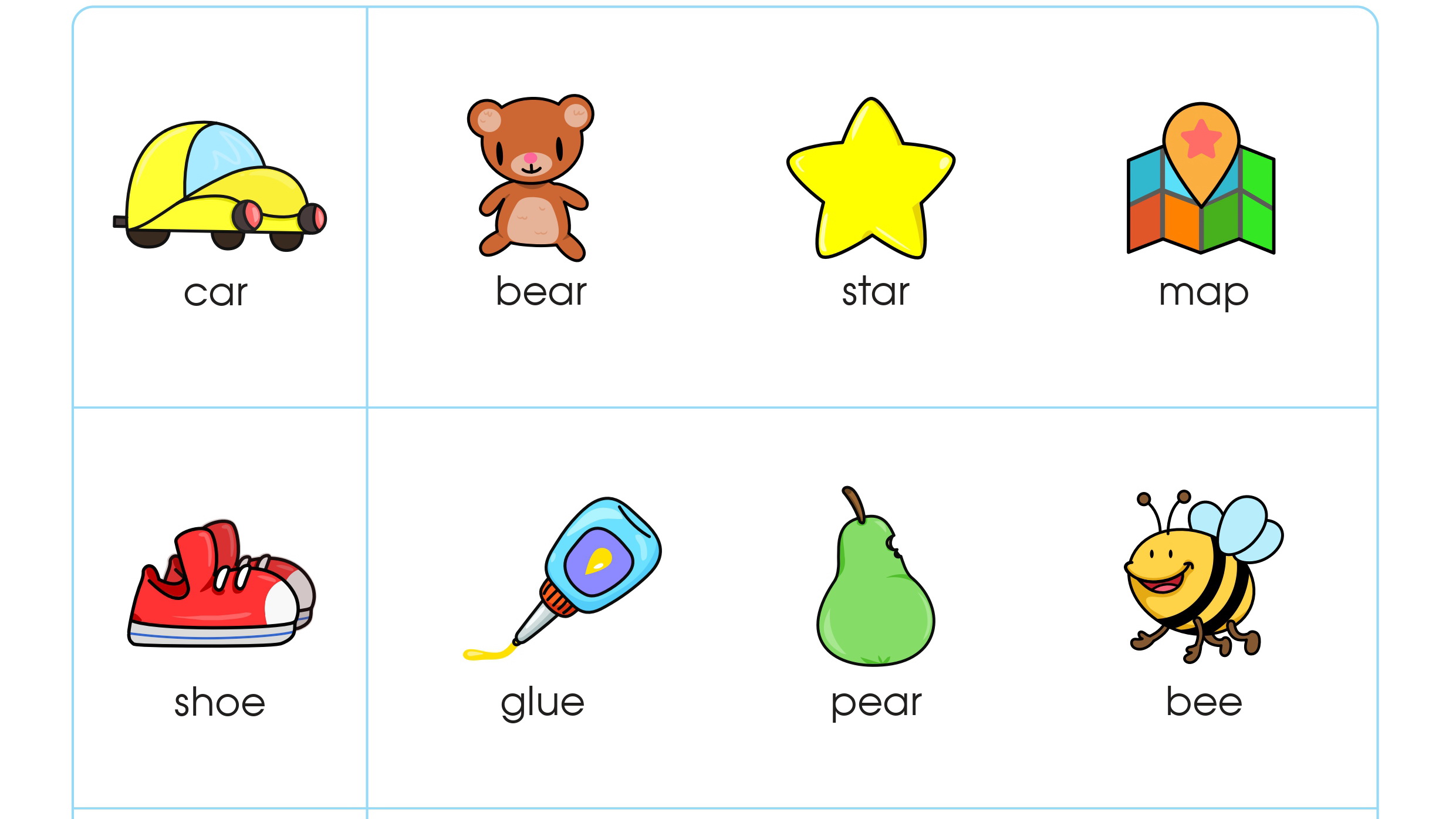



Fine motor skills and rhyming words are crucial developmental areas for children aged 3-4. Fine motor skills involve the small muscles in the hands and fingers, enabling children to carry out tasks like writing, buttoning shirts, and using scissors. These skills are not just essential for daily activities, but also lay the foundation for later school success. When children engage in activities that strengthen fine motor skills—such as drawing, manipulating objects, or crafting—they enhance their hand-eye coordination and dexterity.
Rhyming words play a pivotal role in early literacy development. At this age, children are starting to identify sounds, and recognizing rhymes helps develop phonemic awareness, a critical skill for reading. Rhyming can enhance vocabulary, language rhythm, and overall communication abilities. When parents or teachers introduce fun rhyming games and stories, they create a playful learning environment that encourages language exploration and cognitive skills.
In summary, promoting fine motor skills alongside rhyming words in young children fosters their physical control and language development, both of which are essential for their future academic achievements. Parents and teachers should recognize the importance of these components as they contribute significantly to a child's overall growth and readiness for learning.








