Improve counting skills Sight Words Worksheets for Ages 3-4
3 filtered results
-
From - To
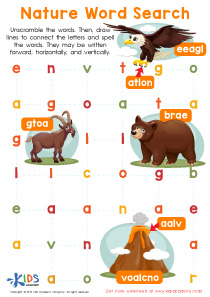
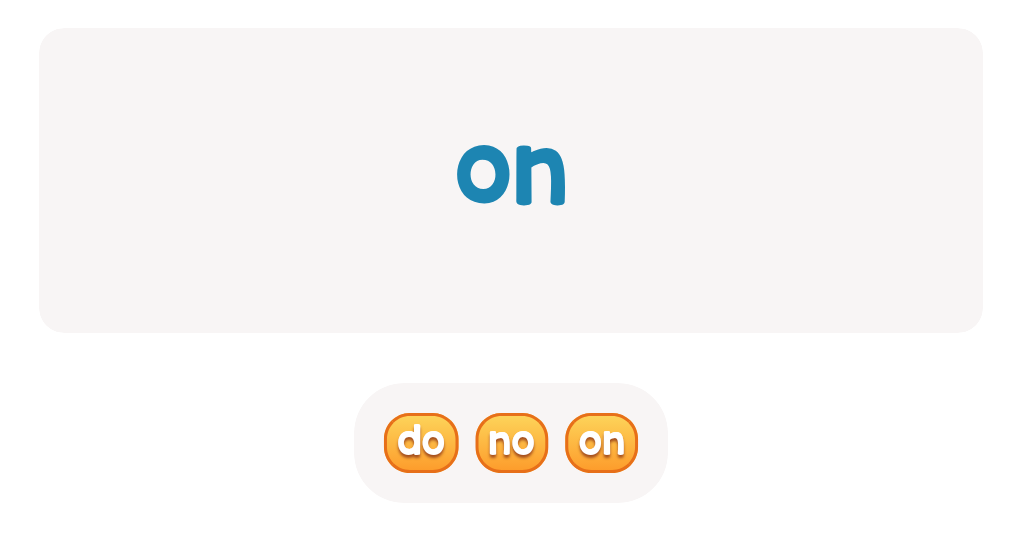
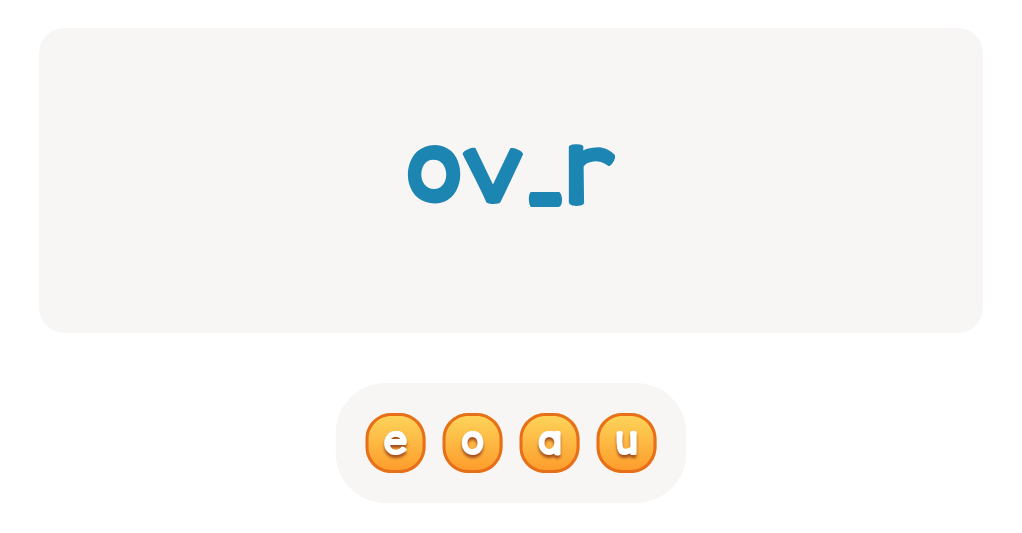
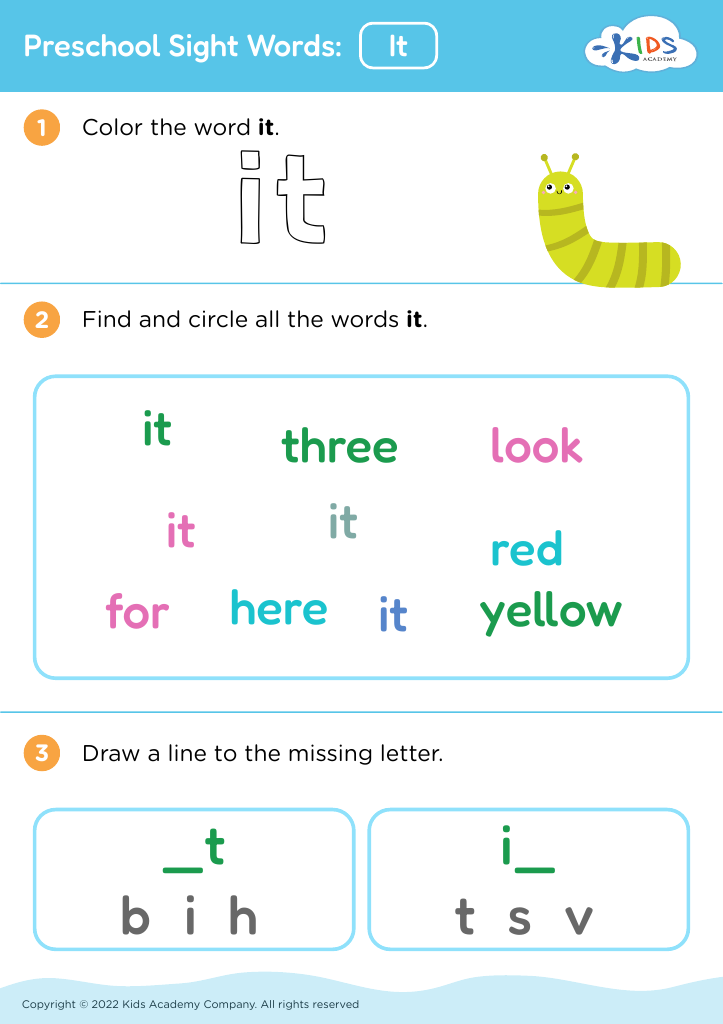
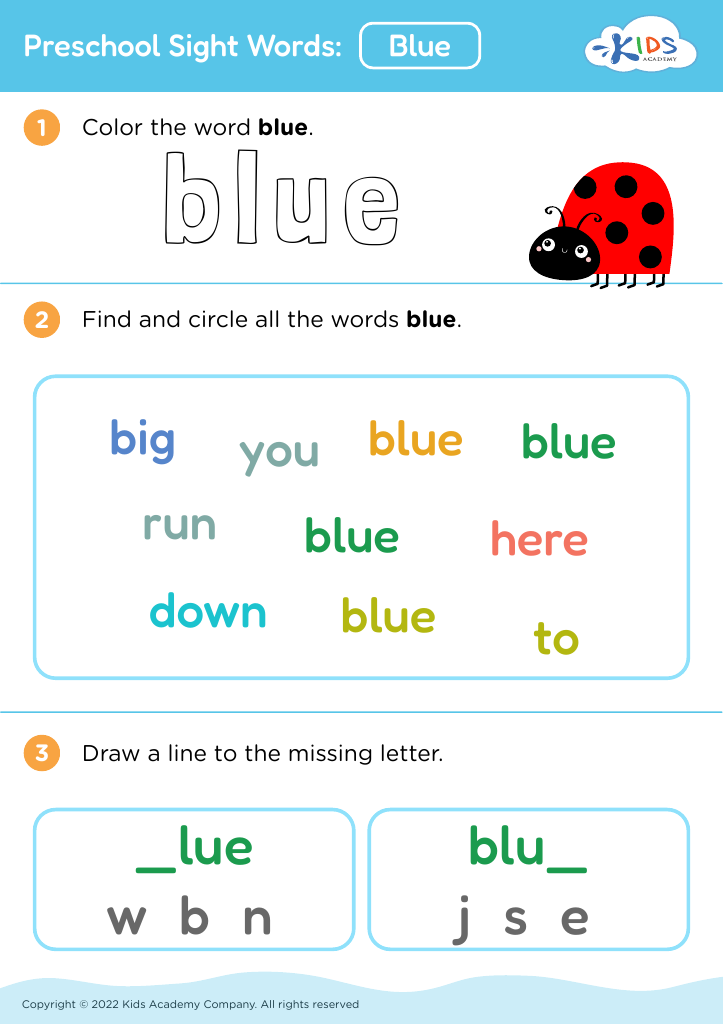
Boost your child's counting skills with our engaging Sight Words Worksheets for Ages 3-4. Designed by educational experts, these worksheets seamlessly blend counting practice with essential sight word recognition to create a fun and effective learning experience. Ideal for young learners, our worksheets feature colorful and interactive activities that keep kids motivated and excited. From number tracing and counting exercises to sight word games, each activity aids in developing both numerical and literacy skills. Perfect for preschoolers, these worksheets lay a strong foundation for future academic success. Give your little one the tools they need to thrive!
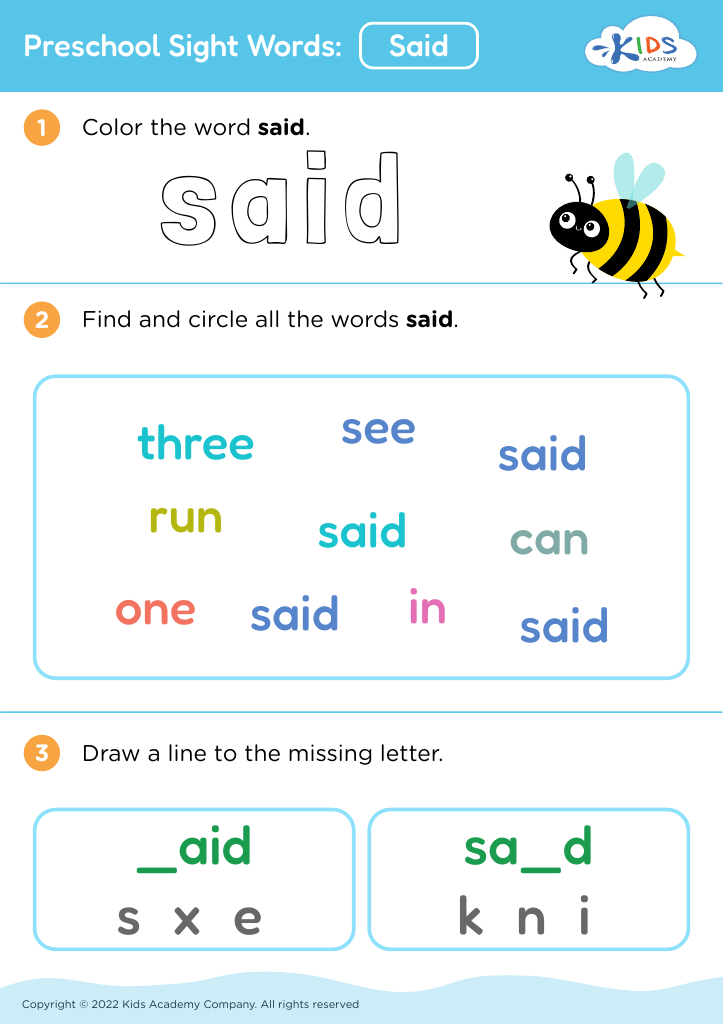

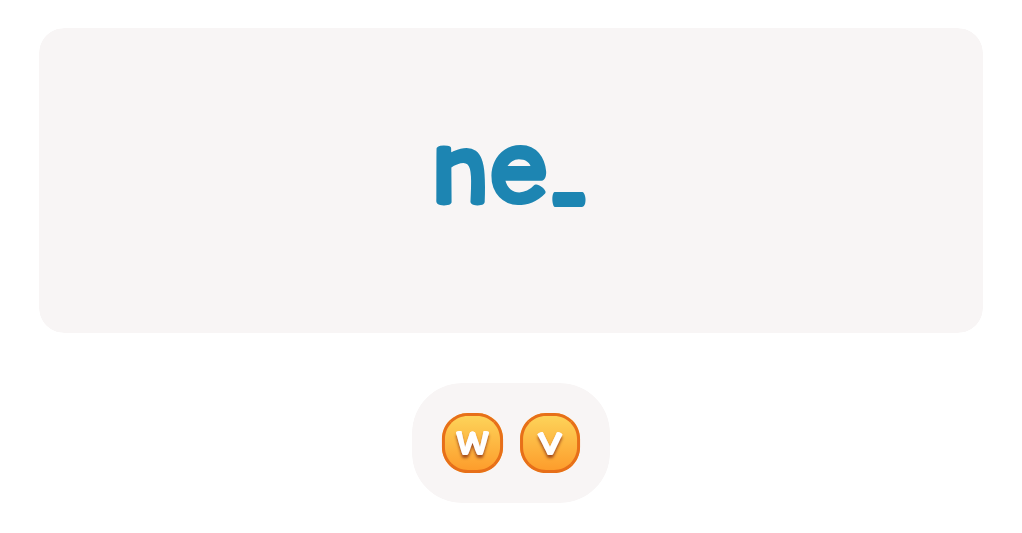
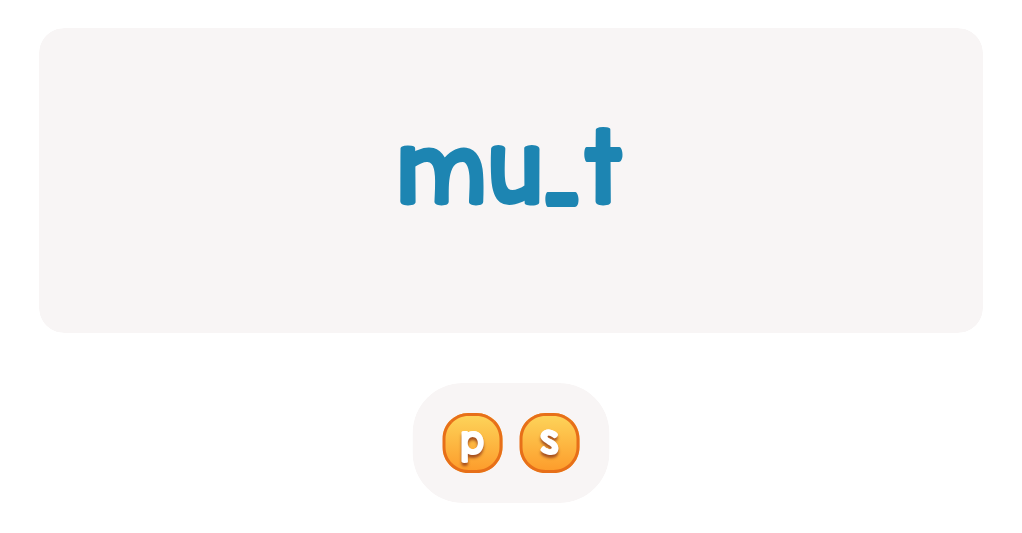
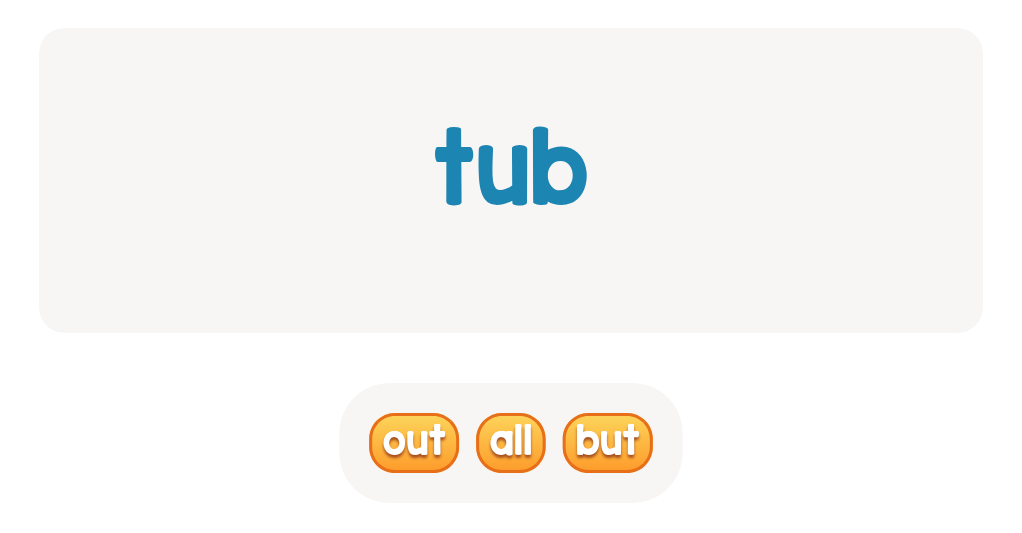
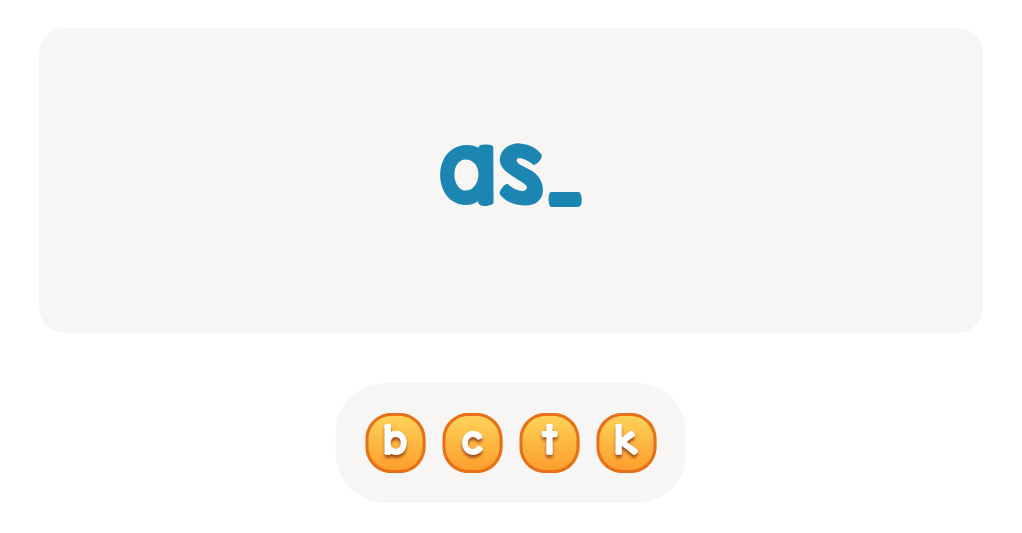








Parents and teachers should pay special attention to improving counting skills and sight words for children aged 3-4, as these foundational skills are critical for early cognitive development. Firstly, counting helps young children understand the concept of numbers and quantities, which is essential for later mathematical learning. Early counting skills contribute to a child's ability to perform basic arithmetic and recognize numerical patterns, fostering confidence and interest in math from a young age.
Similarly, sight words are vital for early literacy development. Sight words are commonly used words that children are encouraged to recognize by sight without needing to sound them out. By becoming familiar with sight words, young children enhance their reading fluency and comprehension. This not only builds their vocabulary but also allows them to read more complex sentences with ease, fostering a love for reading and learning.
Both counting skills and sight words are stepping stones to academic success. Improving these skills early on provides a strong educational foundation, enabling children to perform better in school, build self-esteem, and develop a lifelong love for learning. Parents and teachers play crucial roles in this developmental stage by engaging in fun, educational activities that make learning enjoyable and effective.