Critical Thinking World Around Us Worksheets for Ages 3-4
6 filtered results
-
From - To
Explore our engaging "Critical Thinking World Around Us Worksheets" designed specifically for ages 3-4! These interactive worksheets promote essential critical thinking skills by encouraging young learners to observe, analyze, and connect with their surroundings. Children will engage in fun activities that inspire curiosity and imaginative play, such as sorting objects, making simple predictions, and relating concepts to their everyday experiences. Our resources aim to foster early cognitive development while ensuring the process is enjoyable and enriching. Perfect for at-home learning or classroom use, these worksheets will help your child discover and understand the fascinating world around them.
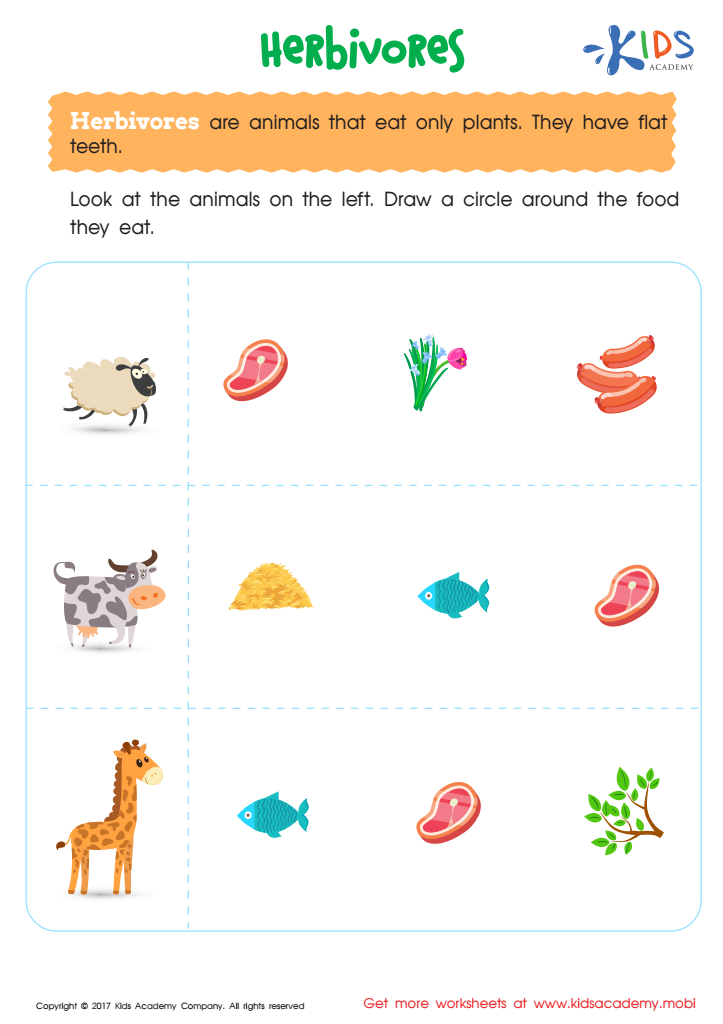
Herbivores Printable
 Assign to My Students
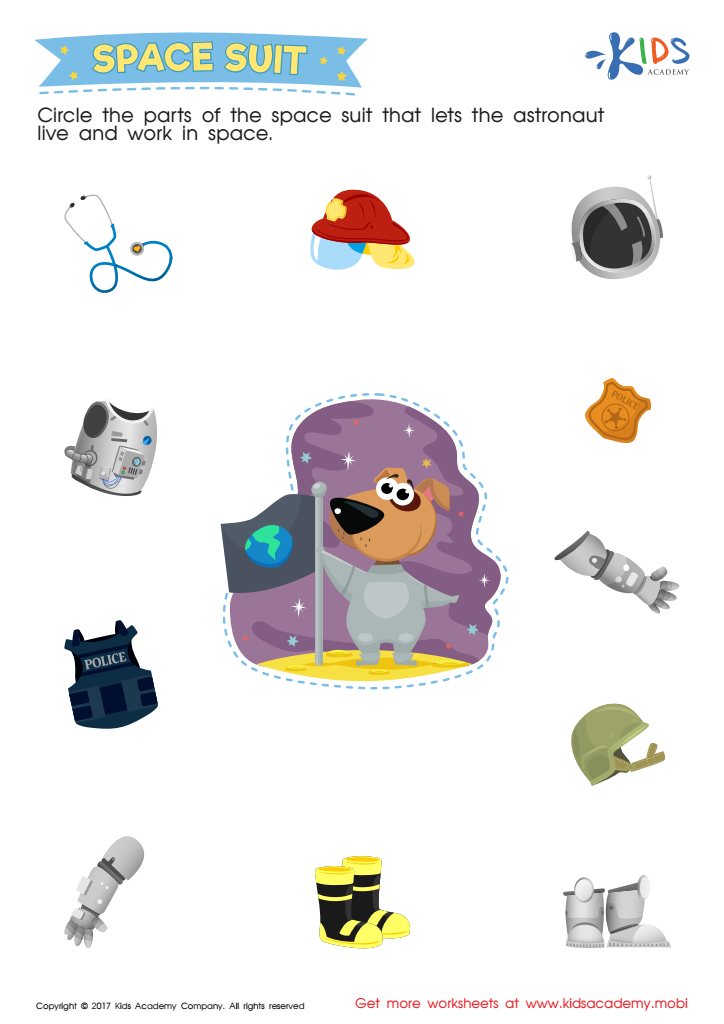
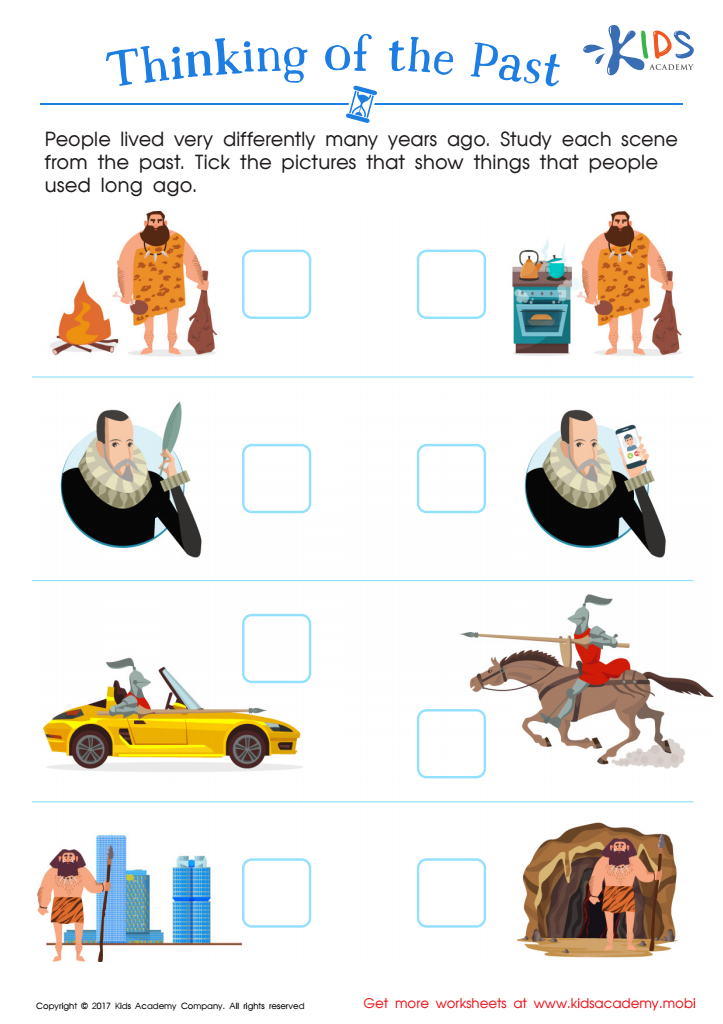
Thinking Past Printable

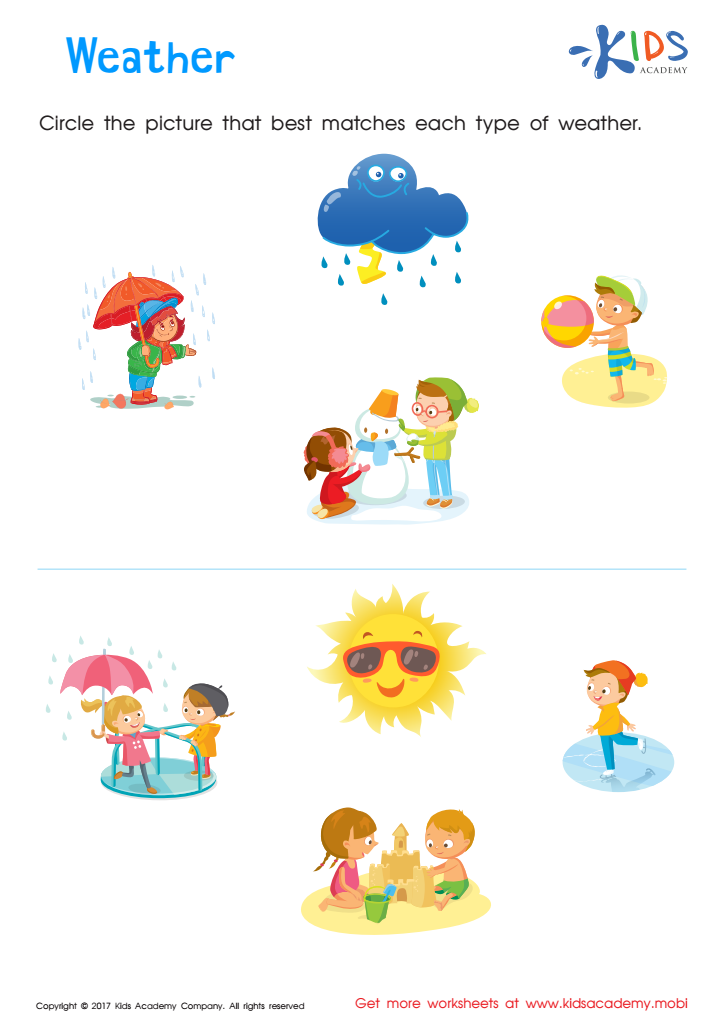
The Four Seasons Worksheet
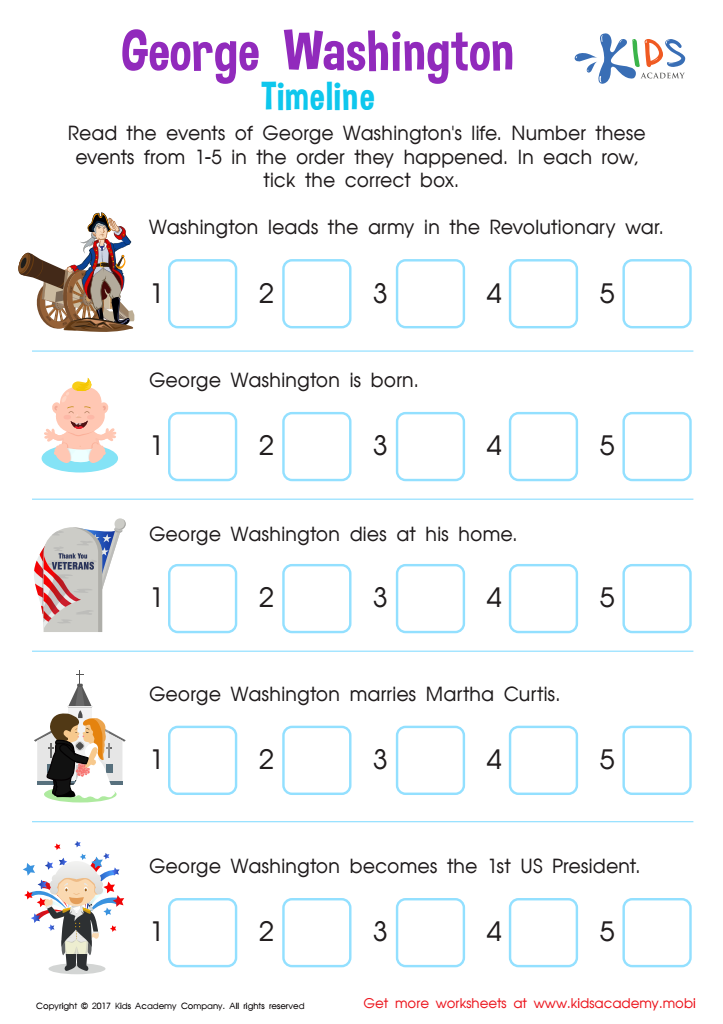
George Washington Timeline Worksheet





.jpg)


Critical thinking skills are essential for children as they embark on their lifelong learning journey, particularly in the formative ages of 3-4. At this stage, children are naturally curious, exploring the world with wonder and enthusiasm. Parents and teachers should prioritize critical thinking development because it encourages children to ask questions, analyze information, and explore solutions. Engaging with "The World Around Us" program enhances a child's ability to observe patterns, understand cause-and-effect relationships, and foster creativity.
Moreover, critical thinking effectively lays the foundation for essential skills later in life, such as problem-solving, decision-making, and effective communication. By introducing these concepts early, children learn to navigate challenges and view situations from multiple perspectives, leading to greater emotional intelligence and resilience.
At ages 3-4, domains such as sensory exploration, imaginative play, and collaborative interaction can be utilized to nurture critical thought. Building this foundation promotes deeper engagement and connection with their environment, empowering them to make sense of their experiences. For parents and teachers, investing in critical thinking not only enriches a child's early education but also prepares them for a dynamic world, ensuring they grow into confident, independent thinkers capable of tackling life's complexities.