Understanding prepositions Grammar Worksheets for Ages 3-4
3 filtered results
-
From - To
Unlock your child's grammar potential with our "Understanding Prepositions: Grammar Worksheets for Ages 3-4." These engaging, age-appropriate worksheets are designed to introduce young learners to the foundational concepts of prepositions. Featuring colorful and interactive activities, kids will effortlessly grasp how prepositions connect words and sentences, enhancing their language comprehension. Ideal for preschoolers, our worksheets make learning playful and effective, ensuring children advance with confidence. Support your little one's early language development and watch their love for learning grow with our expertly crafted grammar worksheets available at Kids Academy.
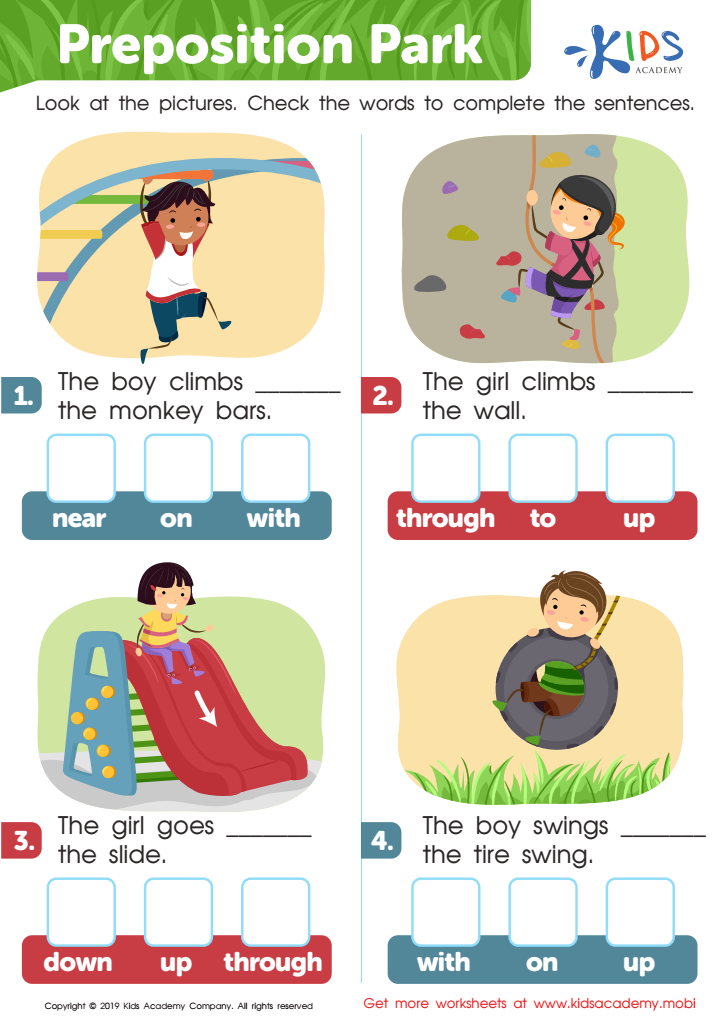
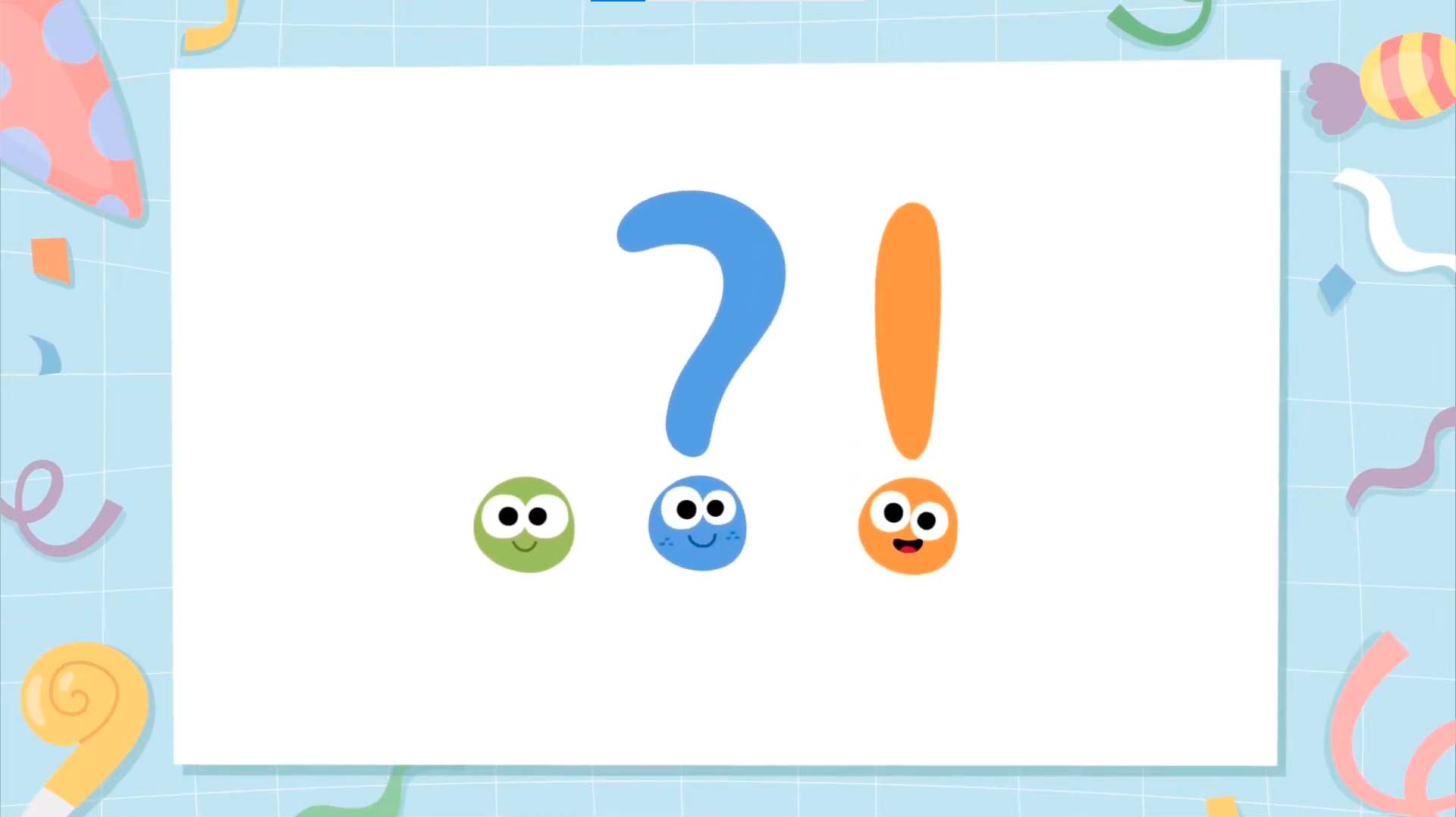
Preposition Park Worksheet
 Assign to My Students
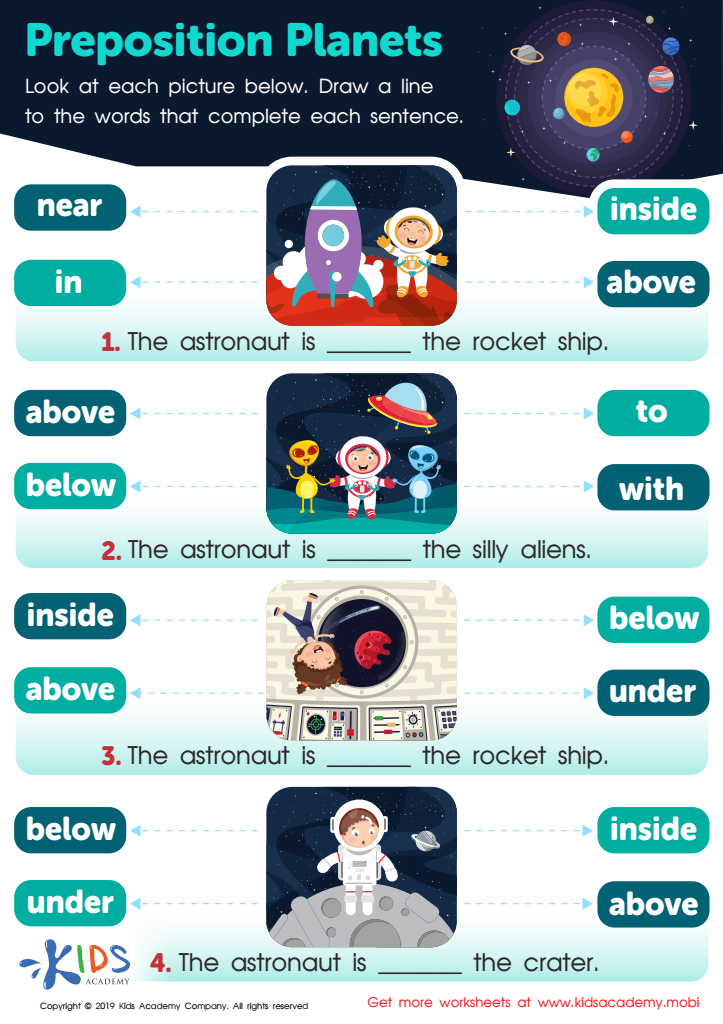
Preposition Planets Worksheet
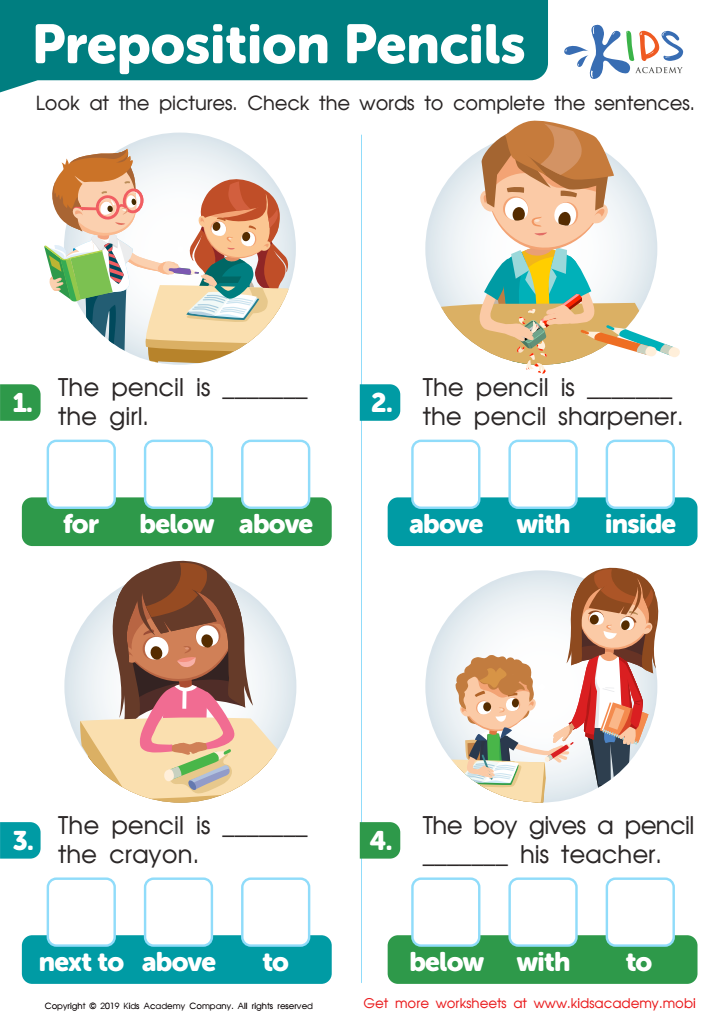
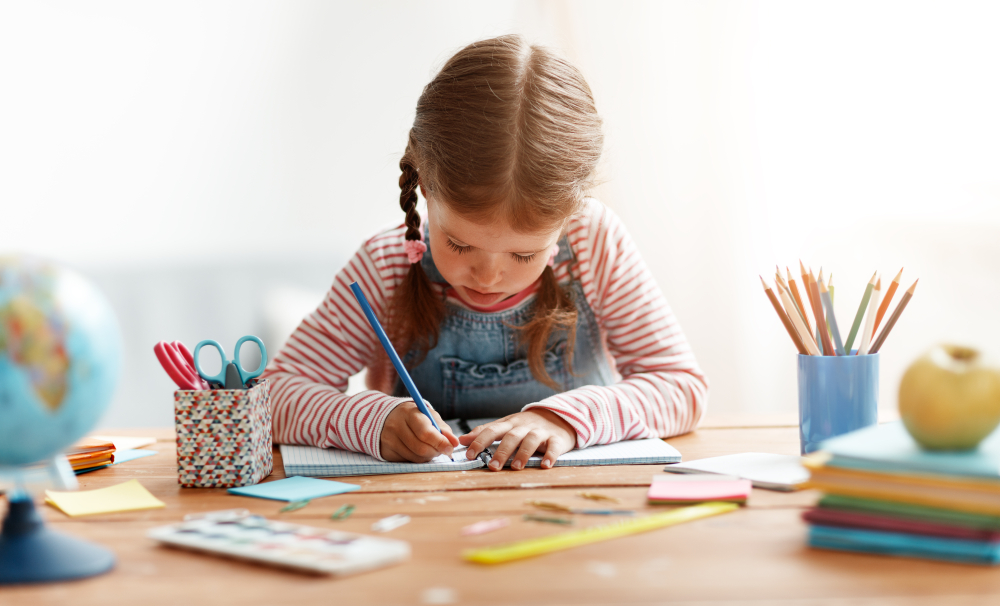
Preposition Pencils Worksheet




Understanding prepositions is crucial for young children, as it significantly contributes to their language and cognitive development. Prepositions are words that describe the relationships between objects in terms of position, direction, and time. For ages 3-4, grasping these concepts can enhance their communication skills, enabling them to express their thoughts and needs more clearly.
By learning prepositions, children develop better spatial awareness, which aids in understanding their environment. For instance, knowing terms like "above," "below," "beside," and "inside" helps kids follow instructions and stay safe by understanding where things are in relation to themselves. Furthermore, cognitive development is bolstered as children gain the ability to visualize and categorize objects spatially.
Academically, early mastery of prepositions lays a solid foundation for reading comprehension and writing skills. It enables children to construct grammatically correct sentences, enhancing their ability to convey complex ideas coherently. Teachers and parents play a pivotal role by incorporating prepositions into daily conversations, games, and reading sessions, fostering a linguistic-rich environment specifically designed for children in this critical developmental stage.
Investing effort into teaching prepositions not only improves immediate linguistic abilities but also equips children with essential skills for future academic and social success, making it a vital area of focus for parents and teachers alike.








