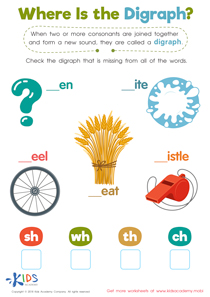
Vocabulary enhancement Beginning Consonants Worksheets for Ages 3-5
3 filtered results
-
From - To
Enhance your child’s vocabulary with our engaging "Beginning Consonants Worksheets" designed specifically for ages 3-5. These fun, interactive worksheets help young learners identify and practice beginning sounds, enriching their language skills and laying a strong foundation for reading success. Each worksheet features vibrant illustrations and stimulating activities that make learning enjoyable and interactive. Kids will discover the connection between letters and the sounds they make while expanding their word bank. Perfect for parents and educators, these worksheets encourage early literacy in a playful way, making vocabulary enhancement exciting for little ones. Start your child’s language journey today!
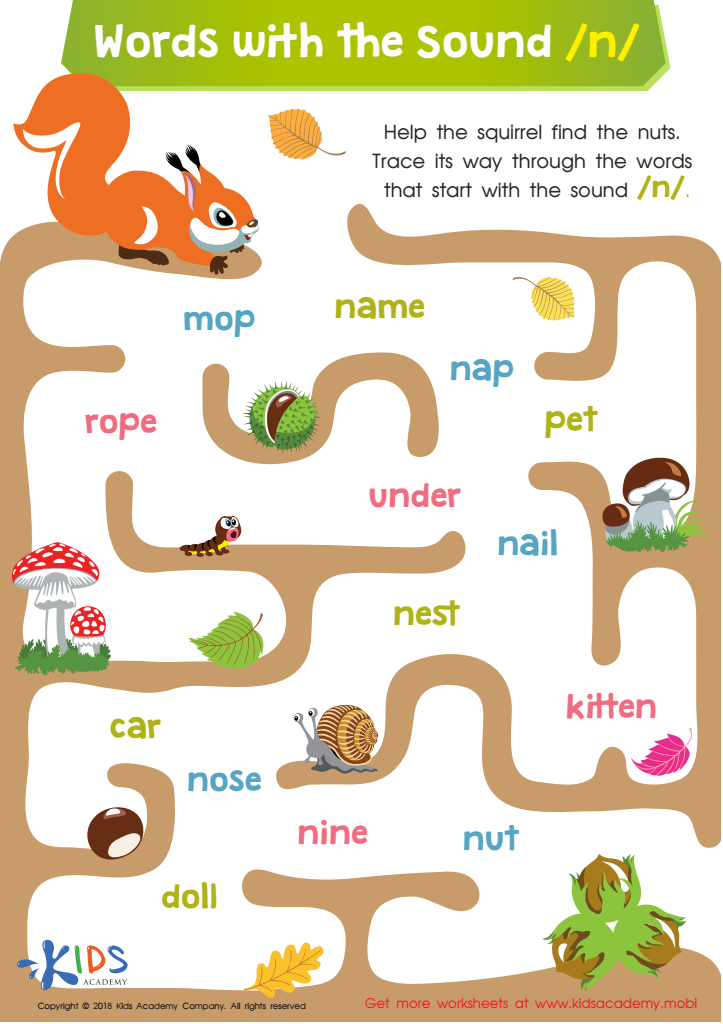
Words with Sound N Reading Worksheet
 Assign to My Students
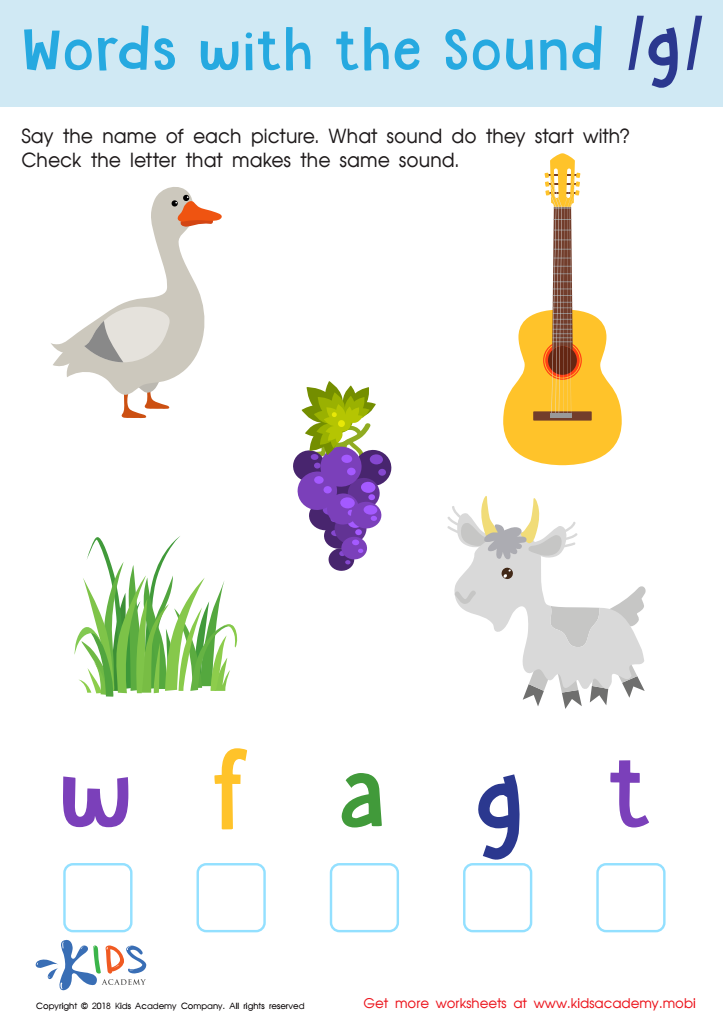
Words with sound g Reading Worksheet
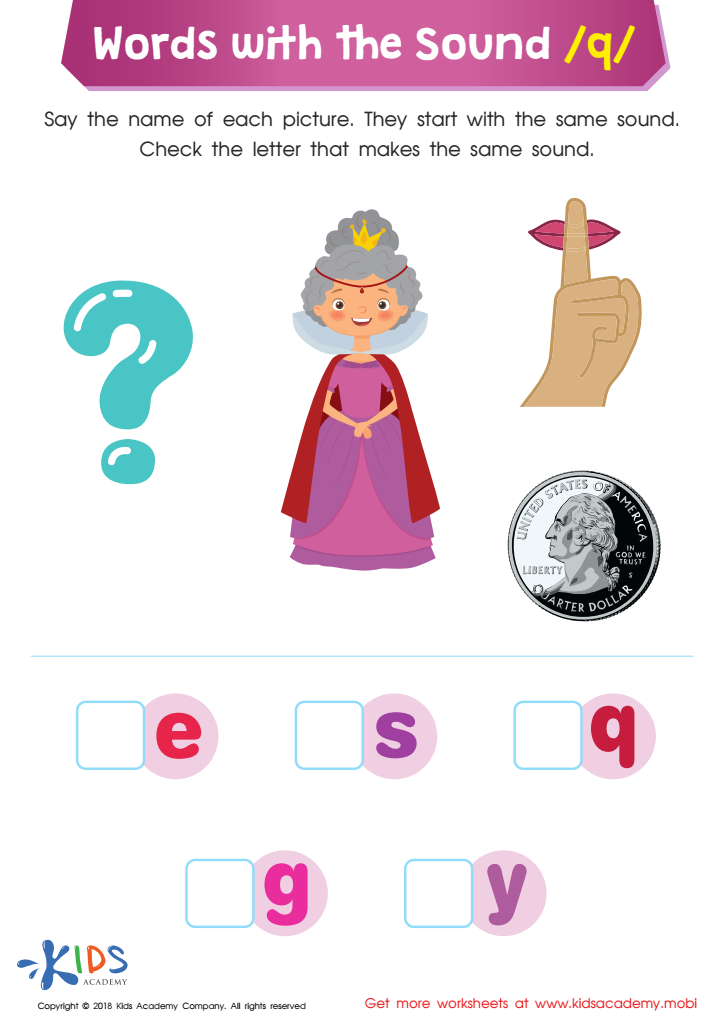
Words with Sound Q Reading Worksheet


Vocabulary enhancement, particularly focusing on beginning consonants, is crucial for children aged 3-5 as it lays the foundation for effective communication and literacy skills. At this developmental stage, children are rapidly acquiring language, and early exposure to vocabulary helps them understand speech sounds, word formation, and basic pronunciation.
Focusing on beginning consonants aids in phonemic awareness, which is the ability to hear and manipulate sounds within spoken words. This skill is essential for reading readiness; recognizing the links between letters and sounds enhances decoding abilities when children start reading. Furthermore, introducing new words and their meanings increases a child's vocabulary and comprehension skills, allowing them to express their thoughts and feelings more effectively.
Additionally, engaging activities that emphasize beginning consonant sounds make learning playful and interactive. This encourages lifelong habits of curiosity and exploration in language. Parents and teachers can facilitate this by incorporating songs, rhymes, and games that highlight consonant sounds, promoting social interaction and cognitive development. Overall, focusing on vocabulary enhancement helps create confident communicators, setting the stage for academic success and improved social interactions in young learners.