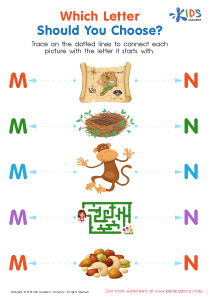
Handwriting practice Lowercase/Small Letters Worksheets for Ages 3-5
8 filtered results
-
From - To
Enhance your child's handwriting skills with our engaging lowercase letters worksheets designed specifically for ages 3-5! These printable resources are tailored to help young learners master small letter formation through fun and interactive activities. Each worksheet focuses on fine motor skills, encouraging proper grip and control as children trace and write letters. Featuring colorful illustrations and playful themes, our materials make learning enjoyable and effective. Track progress with optional practice sheets that can be printed multiple times. Perfect for at-home learning or classroom use, these handwriting practice worksheets are an essential tool for building a strong foundation in literacy. Start your child’s writing journey today!
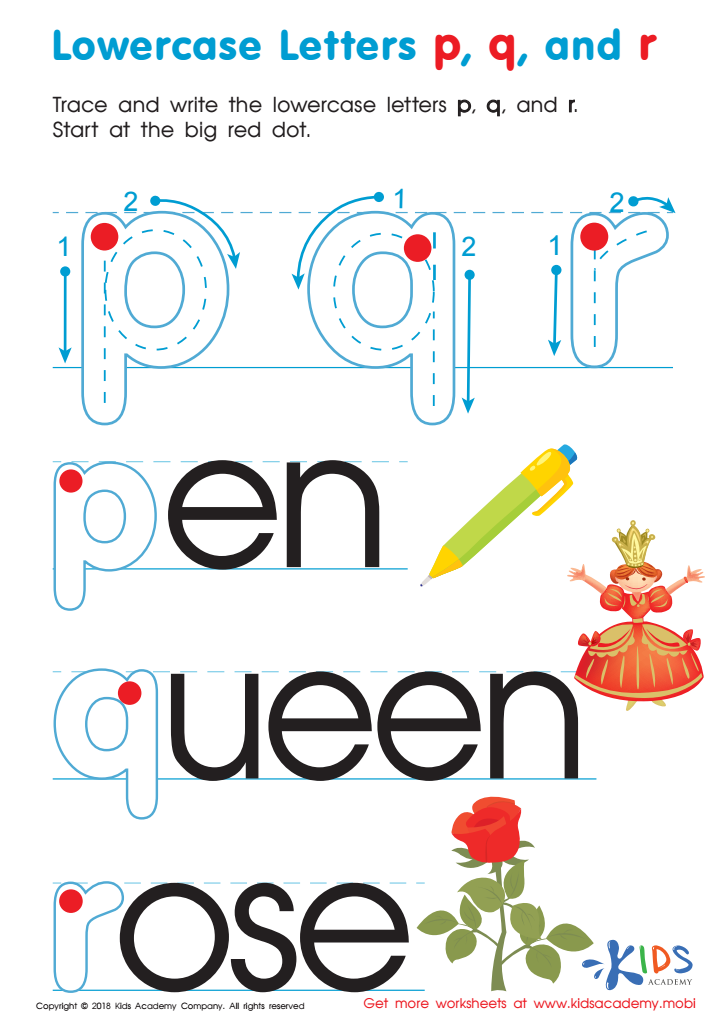
Lowercase Letters p q r Worksheet
 Assign to My Students
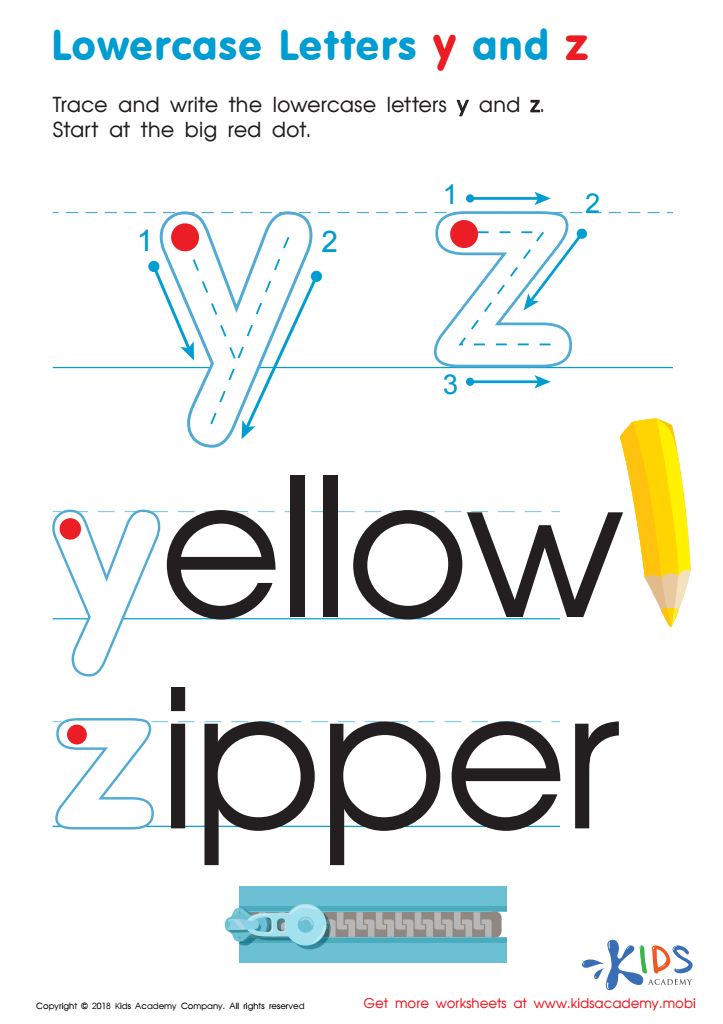
Lowercase Letters y z Worksheet
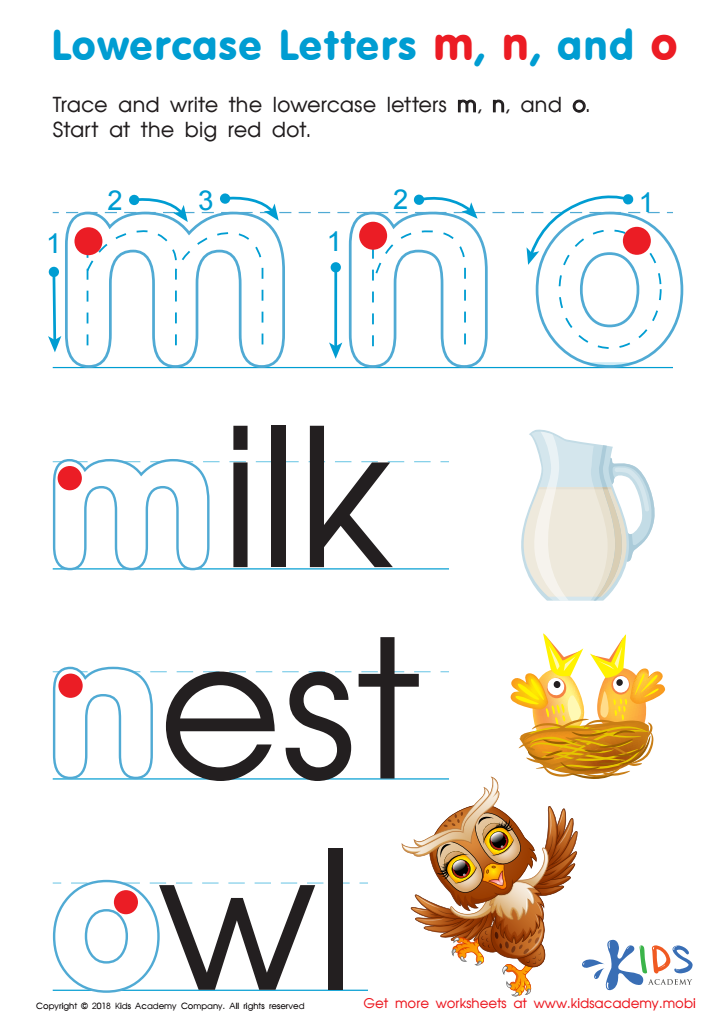
Lowercase Letters m n o Worksheet
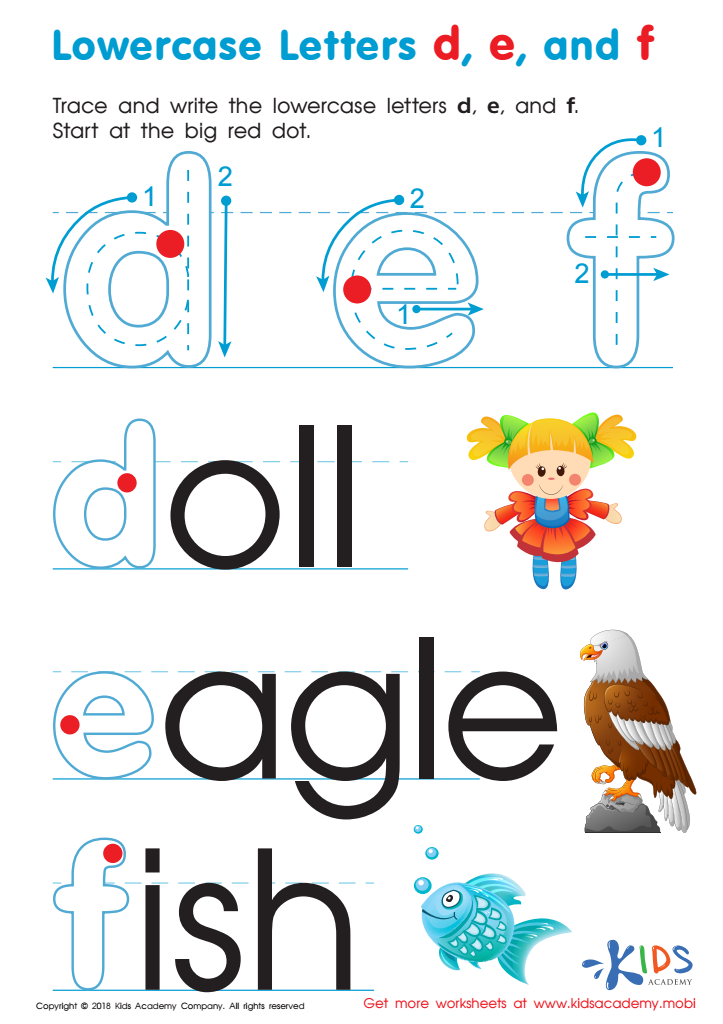
Lowercase Letters d e f Worksheet
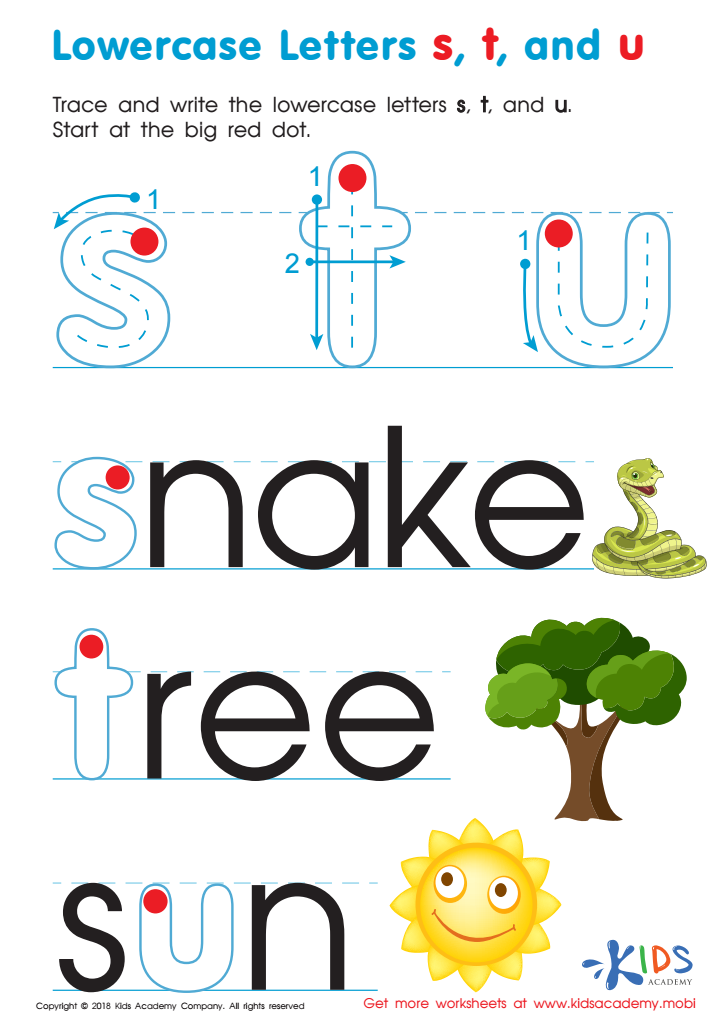
Lowercase Letters s t u Worksheet
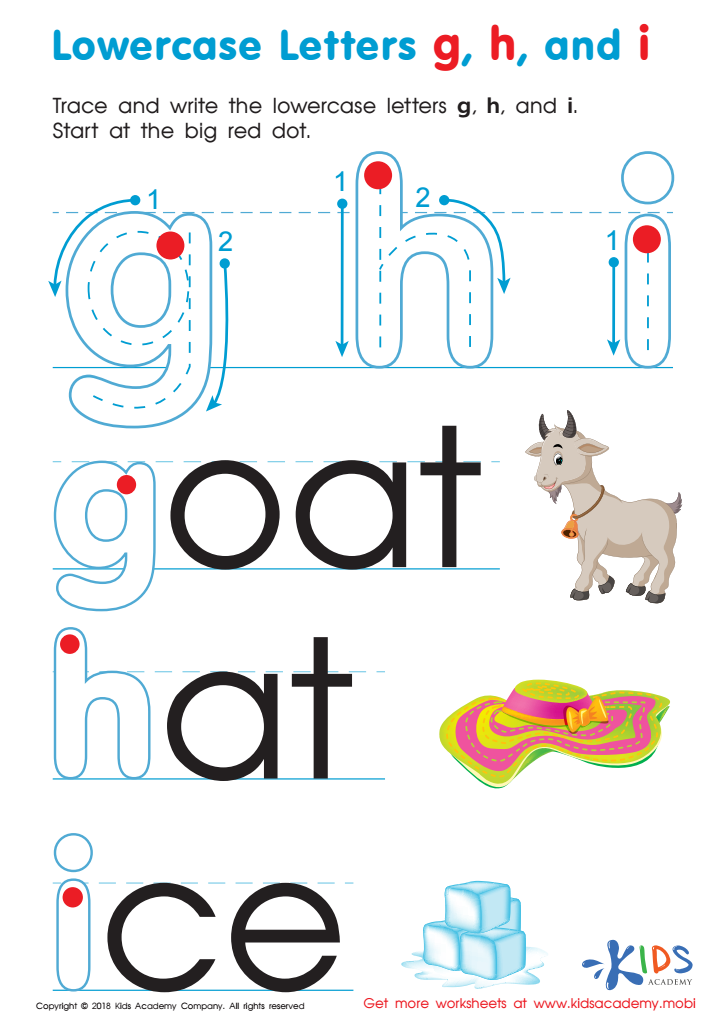
Lowercase Letters g h i Worksheet
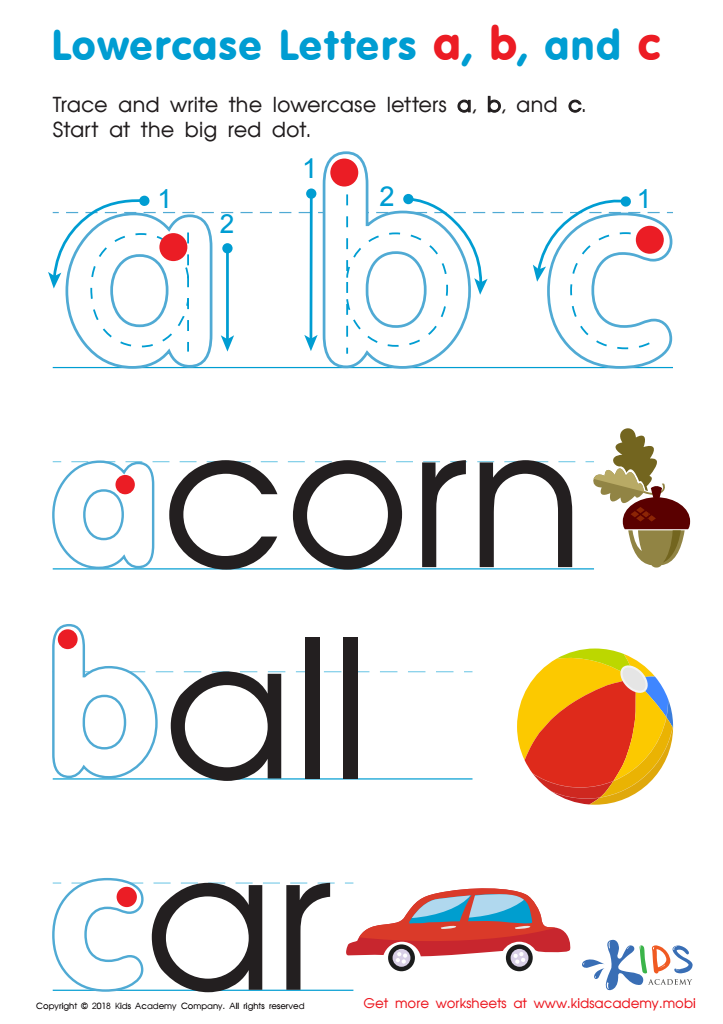
Lowercase Letters a b c Worksheet
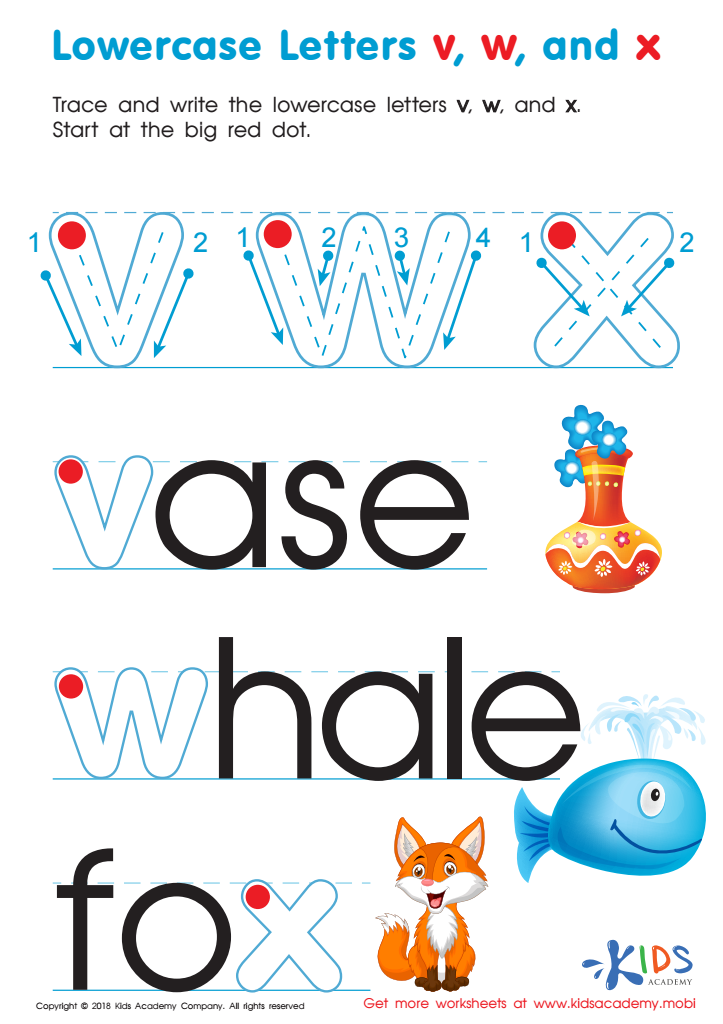
Lowercase Letters v w x Worksheet


Handwriting practice for lowercase letters in early childhood is crucial for several reasons, bringing educational and developmental benefits for children aged 3-5. Firstly, mastering lowercase letters is foundational for literacy skills. These smaller letters are more prevalent in reading and writing, making their proper formation and understanding essential for communication. Early handwriting experiences help children develop fine motor skills, which enhance hand-eye coordination and dexterity—key components for various daily tasks and future academic pursuits.
Furthermore, practicing handwriting fosters cognitive skills. As children focus on how to form each letter, they strengthen their memory, spatial awareness, and attention to detail. This activity supports phonological awareness too, as they relate sounds to letters, reinforcing their understanding of language.
Socially and emotionally, handwriting activities can provide a sense of accomplishment and boost self-esteem when children see their progress. Parents and teachers can play a supportive role by engaging in fun, creative handwriting exercises that make learning enjoyable.
Overall, emphasizing lowercase handwriting during these formative years sets the stage for successful literacy development, lays the groundwork for effective communication skills, and nurtures confidence in young learners. Investing time in these foundational skills during early childhood is both beneficial and essential.