Pre-writing skills Tracing Lines and Curves Worksheets for Ages 3-5
5 filtered results
-
From - To
Enhance your child's pre-writing skills with our "Tracing Lines and Curves Worksheets" tailored for ages 3-5. These fun, interactive printables are perfect for developing fine motor control essential for writing. Each worksheet presents exciting line and curve tracing exercises designed to build hand-eye coordination, improve pencil grip, and prepare young learners for letter formation. Our age-appropriate, engaging activities smoothly guide preschoolers through foundational writing skills. Allow your child to gain confidence in their writing abilities while enjoying an entertaining educational experience. Visit Kids Academy and jumpstart their writing journey today!
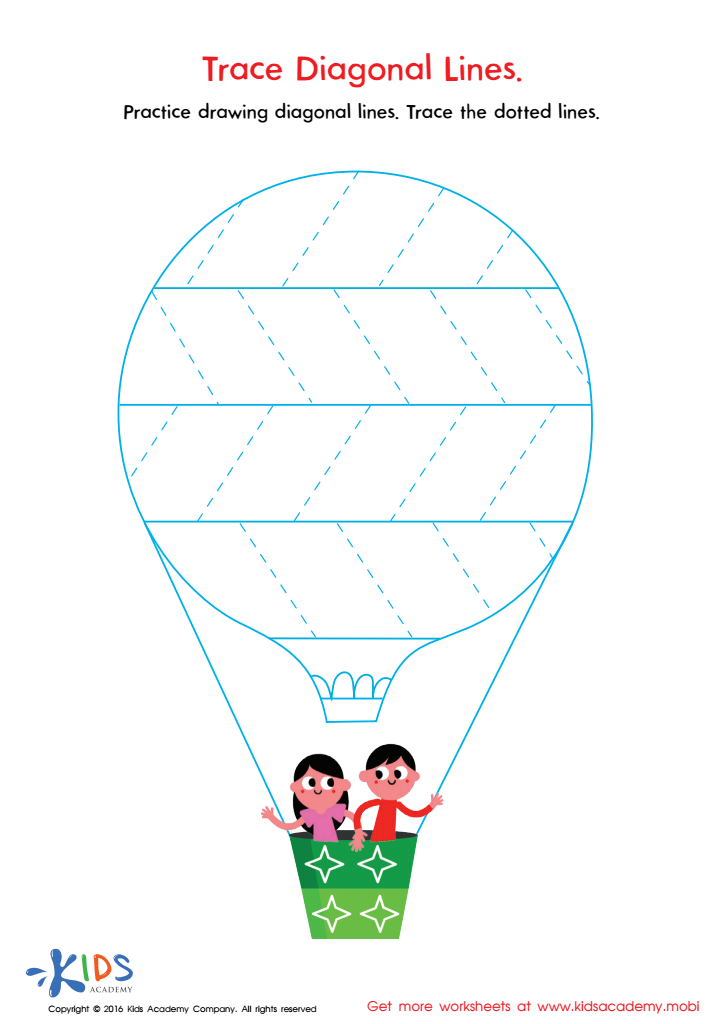
Trace Diagonal Lines Worksheet
 Assign to My Students
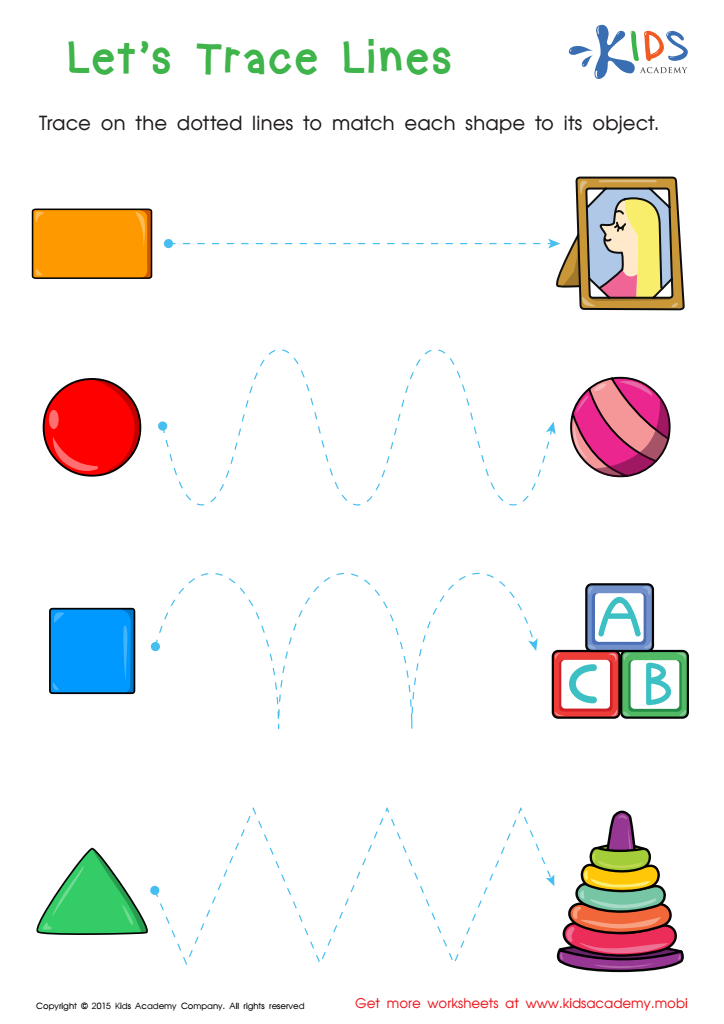
First Words: Let's Trace Lines Worksheet
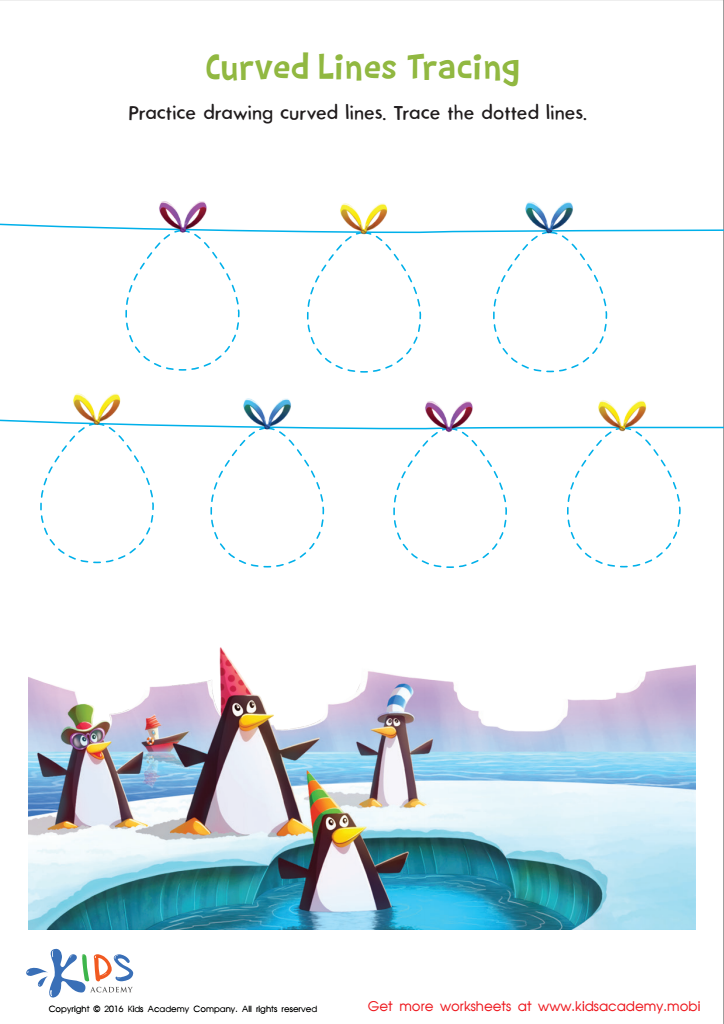
Curved Lines Tracing Worksheet
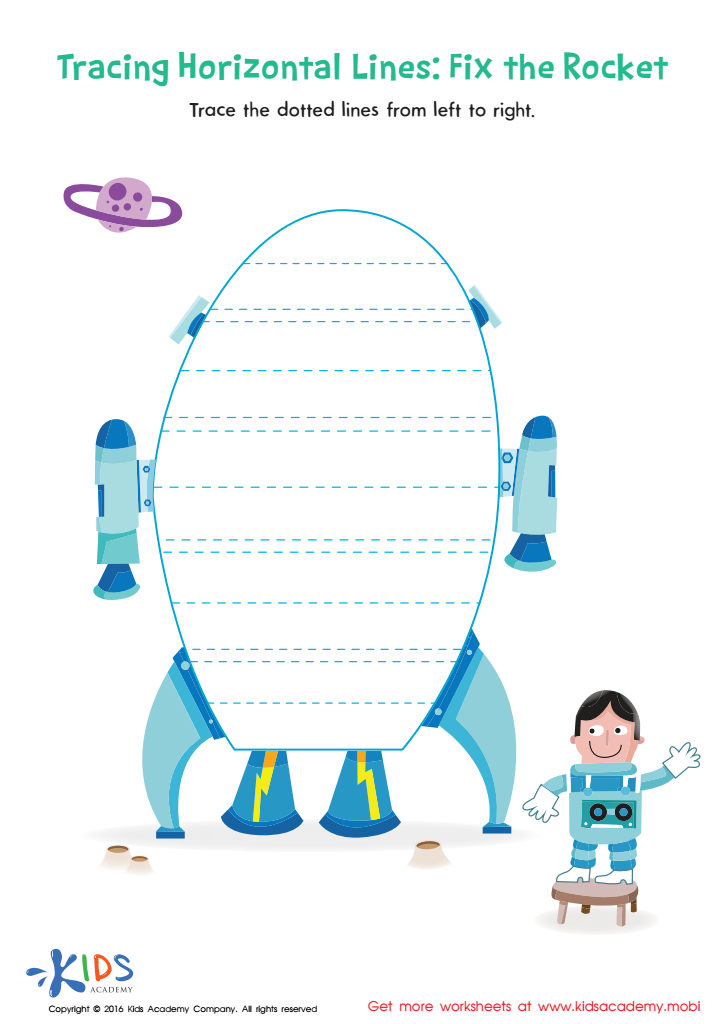
Tracing Horizontal Lines Worksheet
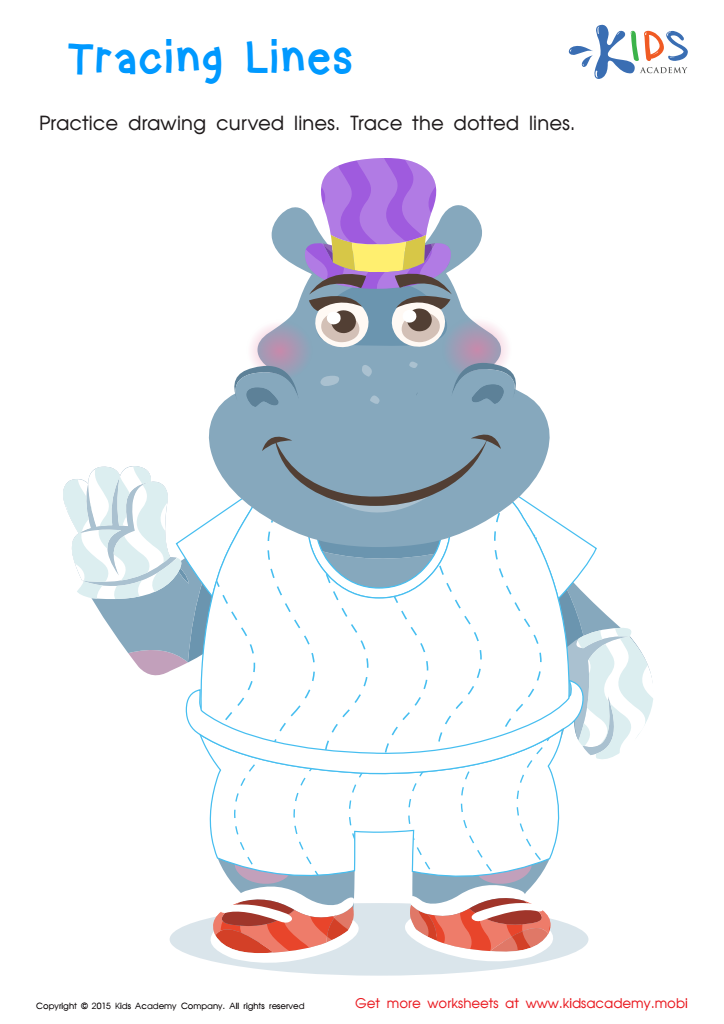
Tracing Lines Worksheet




Pre-writing skills, such as tracing lines and curves, are fundamental for young children aged 3-5, serving as foundational blocks for better handwriting and academic success. These skills help develop the fine motor control necessary for holding and maneuvering a pencil or crayon, which is a precursor to effective writing.
Engaging in tracing activities improves hand-eye coordination as children learn to make deliberate movements by following lines and curves. This practice not only enhances motor precision but also supports visual-spatial skills, helping them discern shapes and patterns.
Moreover, tracing builds muscle memory in fingers and hands, making writing smoother and less strenuous. It encourages concentration and patience, critical components for longer academic tasks. Tracing also integrates sensory experiences; feeling the resistance of paper while moving a writing tool supports cognitive learning.
Given that these years are formative for brain development, cultivating pre-writing skills lays the groundwork for reading and literacy. Children translate these motor skills into letter formation, leading to clearer and more consistent handwriting, which positively impacts their confidence and willingness to engage in writing tasks.
Therefore, parents and teachers should prioritize tracing lines and curves as they not only bolster writing readiness but also contribute to broader cognitive and motor skill development, setting the stage for lifelong academic accomplishment.








