Creativity stimulation Flora and Fauna Worksheets for Ages 3-5
3 filtered results
Difficulty Level
Grade
Age
-
From - To
Subject
Activity
Standards
Discover our engaging Creativity Stimulation Flora and Fauna Worksheets, designed specifically for children aged 3-5! These interactive materials inspire young minds to explore the wonders of nature while enhancing their artistic skills. Featuring vibrant illustrations of plants and animals, these worksheets encourage imaginative expression and cognitive development through coloring, drawing, and creative storytelling activities. Perfect for preschool settings or at-home learning, they support early learners in developing fine motor skills and artistic confidence. Dive into a world of creativity where children can bring nature to life, all while having fun and discovering the beauty of flora and fauna!
Favorites
With answer key
Interactive
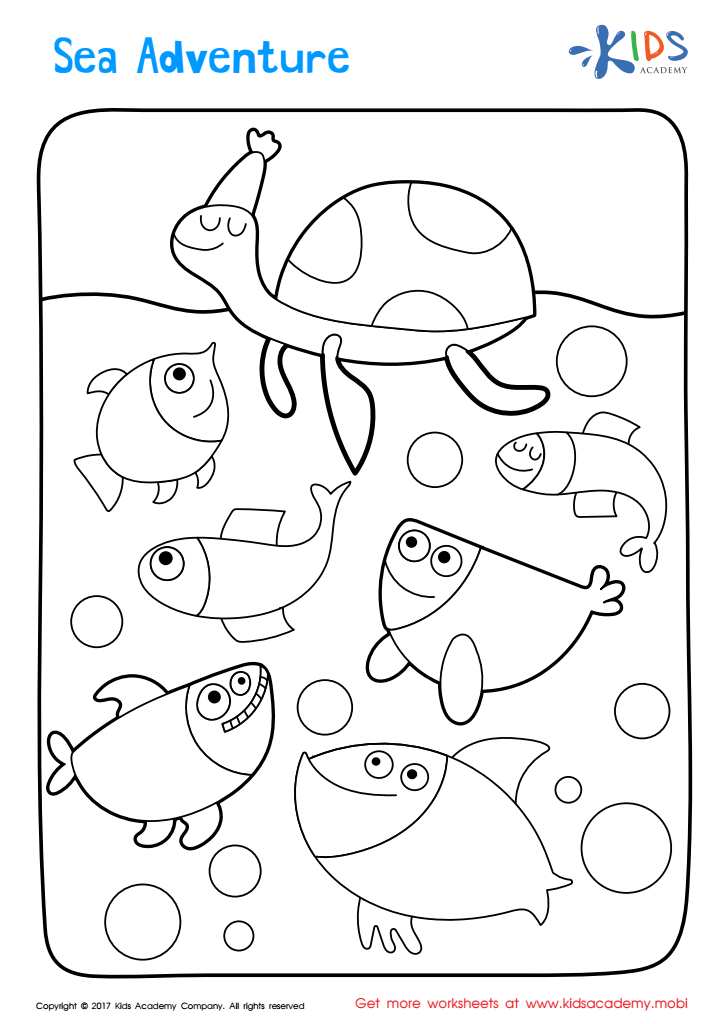
Sea Adventure Coloring Page
Explore the sea with a turtle and color the Sea Adventure printable! Let the turtle lead the way and let the fish watch and follow as kids unleash their creative side and pick the best colors. Have fun!
Download (PDF)
 Assign to My Students
Assign to My Students
Sea Adventure Coloring Page
Worksheet
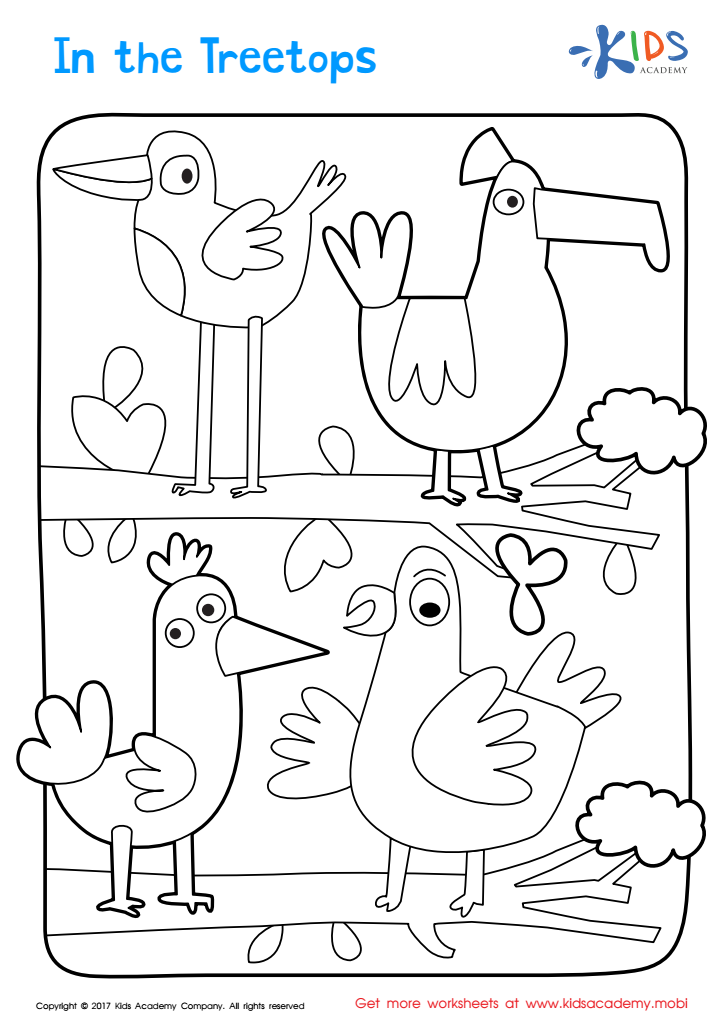
In the Treetops Coloring Page
Let your child soar by coloring this adorable printable page - In the Treetops. They can pick colors to make the birds lively and bright. It's a great way to encourage your child's creativity!
Download (PDF)
Assign to My Students
Assign to My Students
In the Treetops Coloring Page
Worksheet
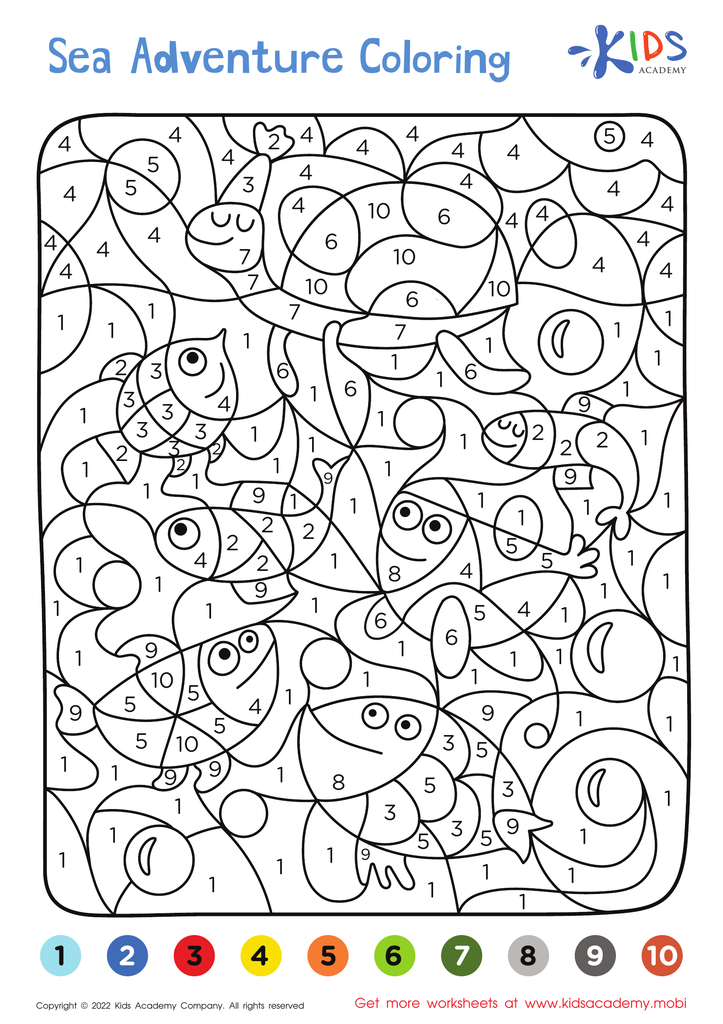
Sea Adventure – Coloring by Numbers
Unlock a sea adventure with a free coloring by numbers PDF page! Download now to get creative and fill the page with vibrant colors.
Sea Adventure – Coloring by Numbers
Worksheet
Join Kids Academy for Free
Who is primarily going to use this learning content?


Creativity stimulation through exploration of flora and fauna is crucial for children aged 3-5, as it plays a significant role in their cognitive and emotional development. Engaging with nature nurtures a sense of wonder and curiosity, encouraging young learners to ask questions, think critically, and express their ideas creatively. Activities related to plants and animals can be incorporated into play, storytelling, and art, providing a multi-sensory approach to learning that enhances vocabulary and communication skills.
Involving children in outdoor activities helps sharpen their observational skills, fostering a connection to the natural world. This connection cultivates empathy and respect for living organisms, enhancing their emotional intelligence. Furthermore, hands-on experiences, such as planting seeds or observing insects, promote problem-solving skills as children learn to navigate challenges.
Moreover, creativity stimulated through flora and fauna activities supports social skills, as children often work collaboratively during outdoor explorations. Teachers and parents who prioritize nature-based experiences help instill a lifelong appreciation for the environment.
In summary, fostering creativity through flora and fauna not only supports developmental milestones but also prepares young children to engage thoughtfully with the world around them, making it an essential focus for educators and caregivers alike.