
Basic Math understanding Worksheets for Ages 3-5
10 filtered results
Difficulty Level
Grade
Age
-
From - To
Subject
Activity
Standards
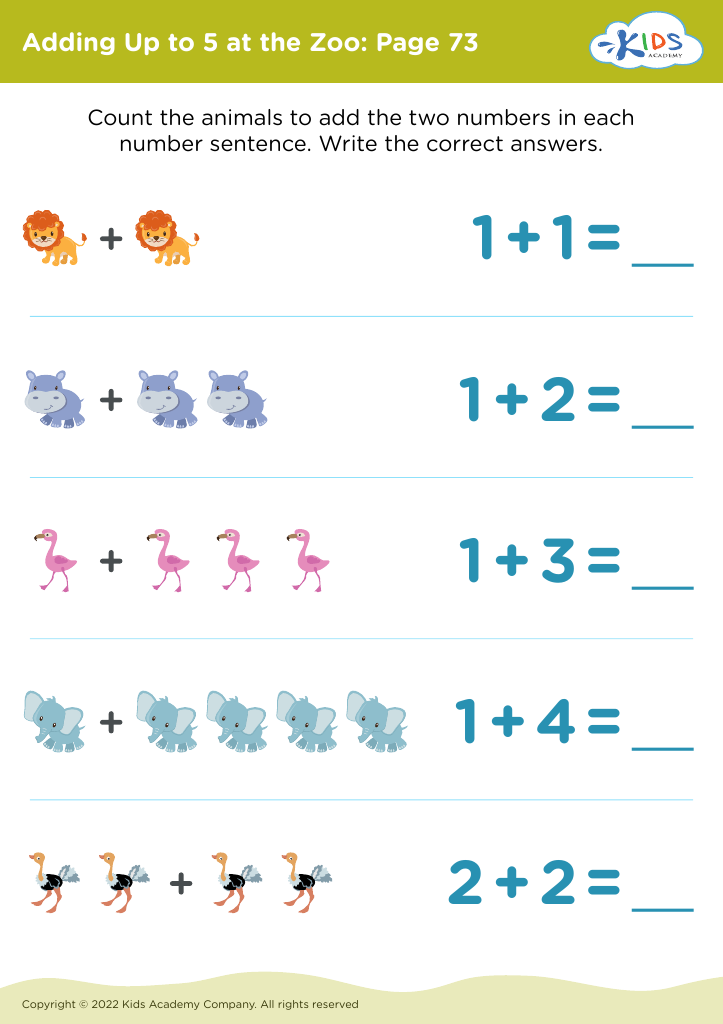
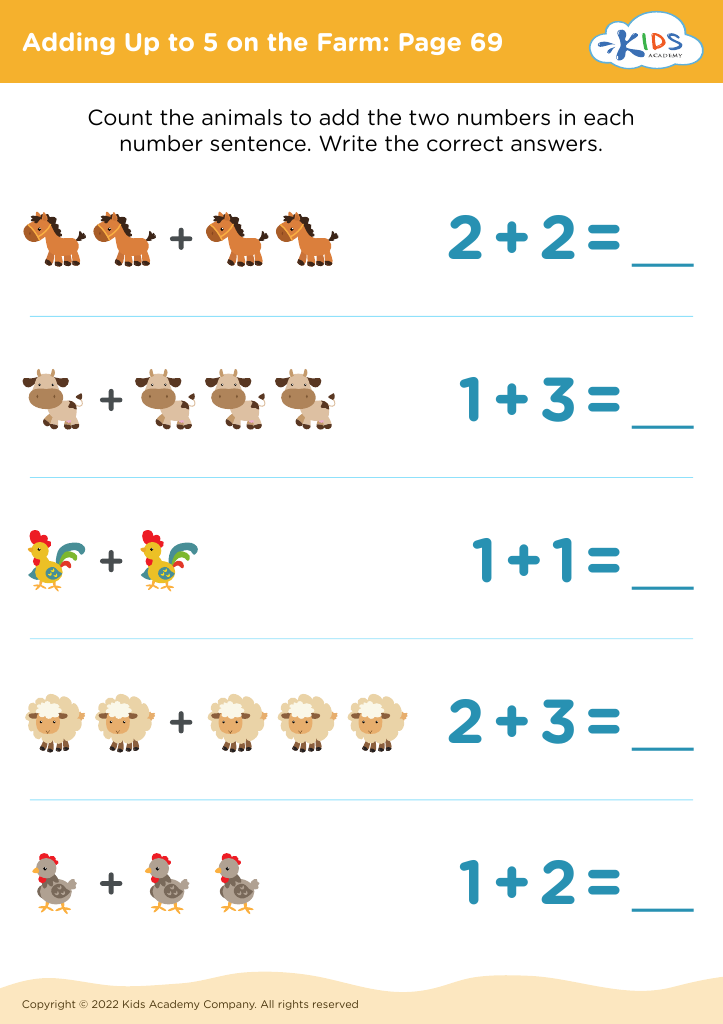
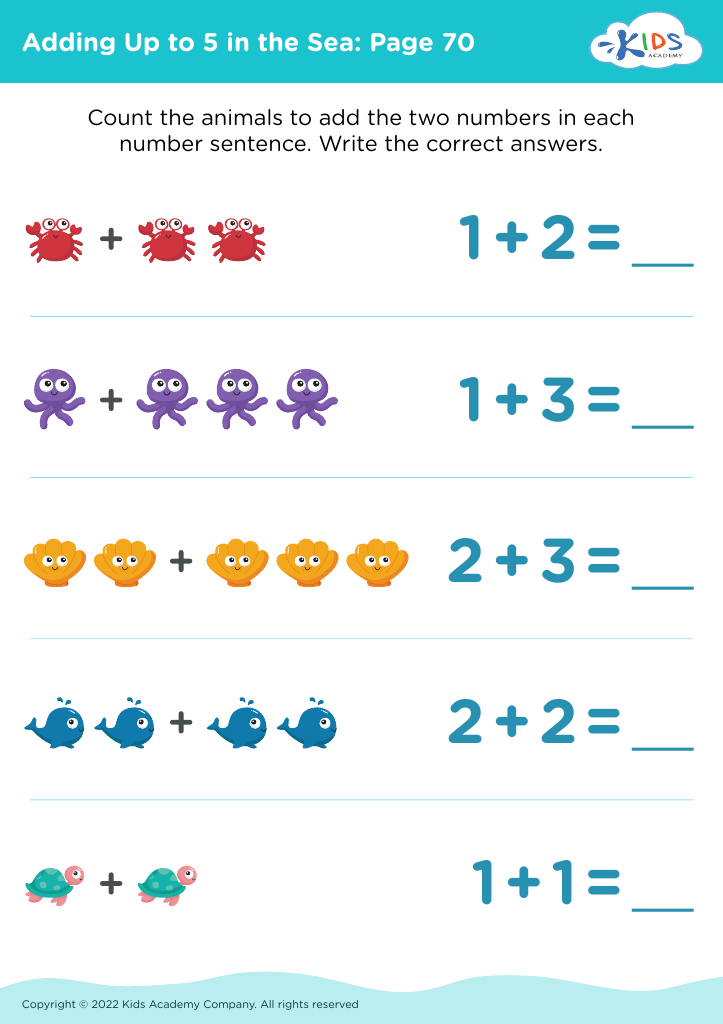
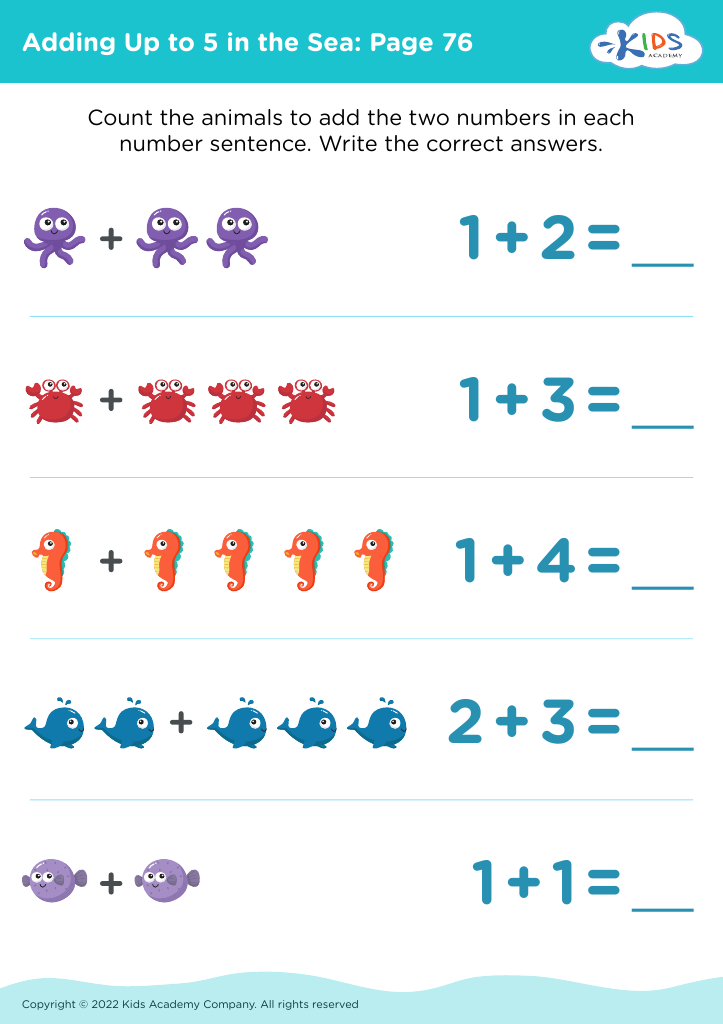
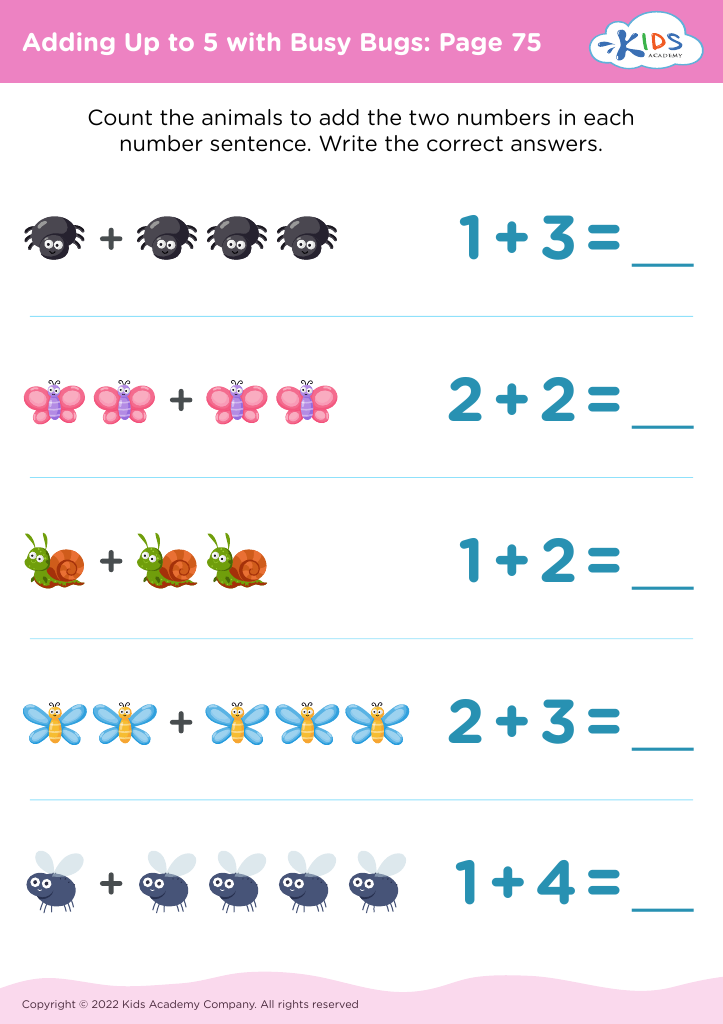
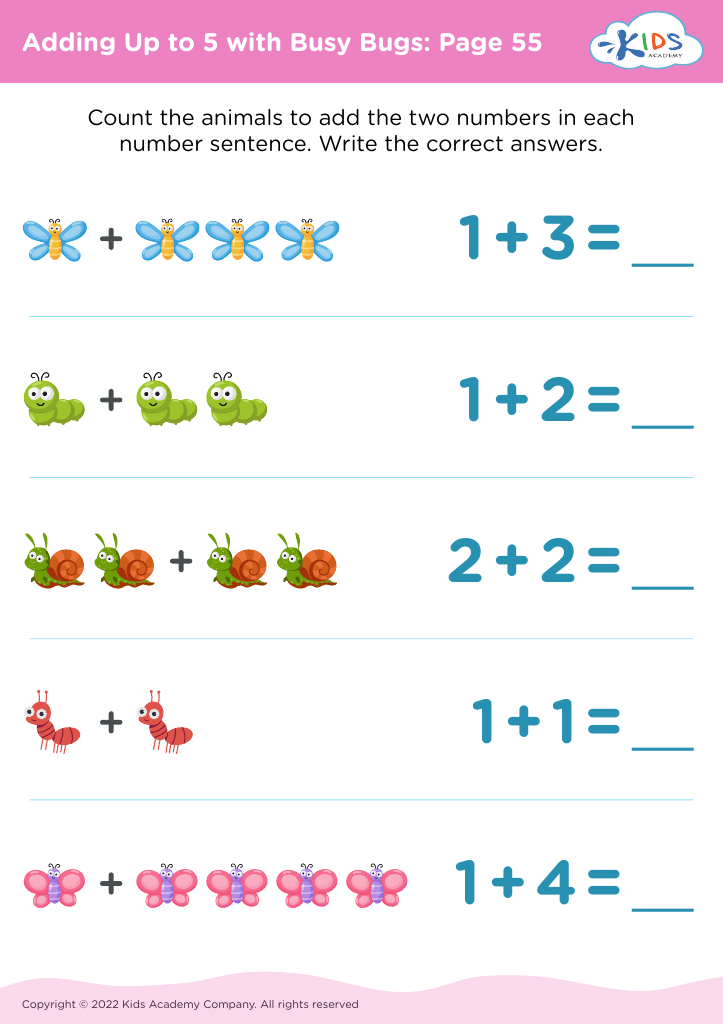
Introduce your child to the world of numbers with our "Basic Math Understanding Worksheets for Ages 3-5" from Kids Academy! These printables are specially designed to help young learners develop fundamental math skills through engaging and interactive activities. From counting and number recognition to simple addition and shape identification, our worksheets provide a fun and educational experience that nurtures a love for math. Perfect for preschool and kindergarten children, each worksheet is crafted to build confidence and support early learning goals. Download our worksheets today and unlock the door to your child's math success!
Favorites
With answer key
Interactive
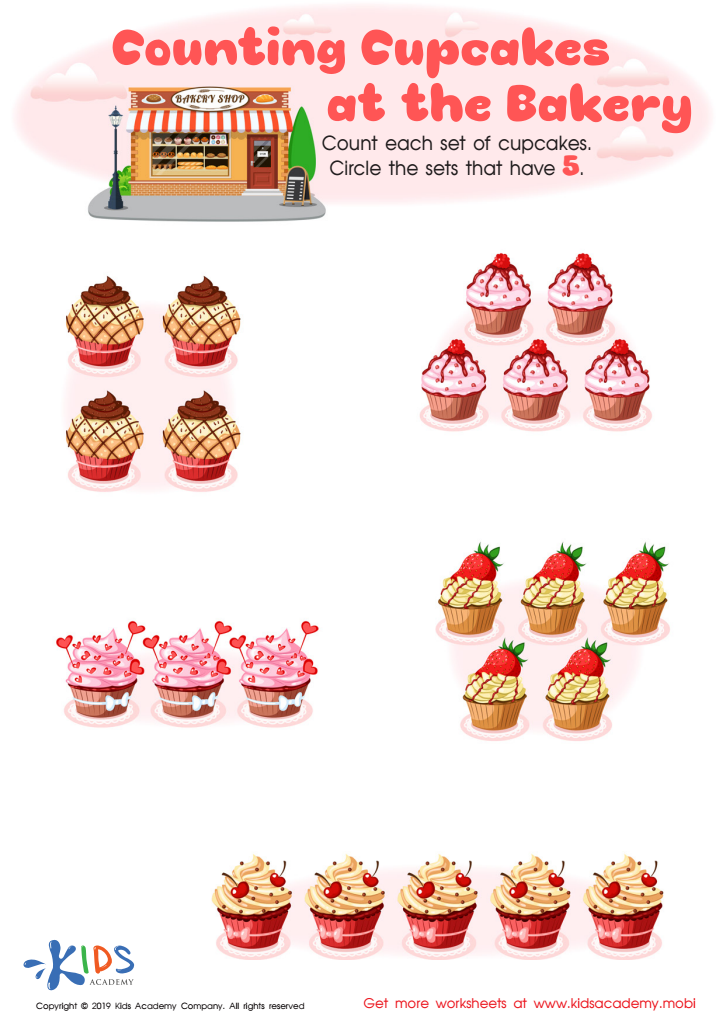
Counting Cupcakes Worksheet
This fun worksheet for preschoolers uses cupcakes to teach counting. Kids must circle the groups of cupcakes that add up to 5. The delicious treats make learning fun and engaging!
Counting Cupcakes Worksheet
Worksheet
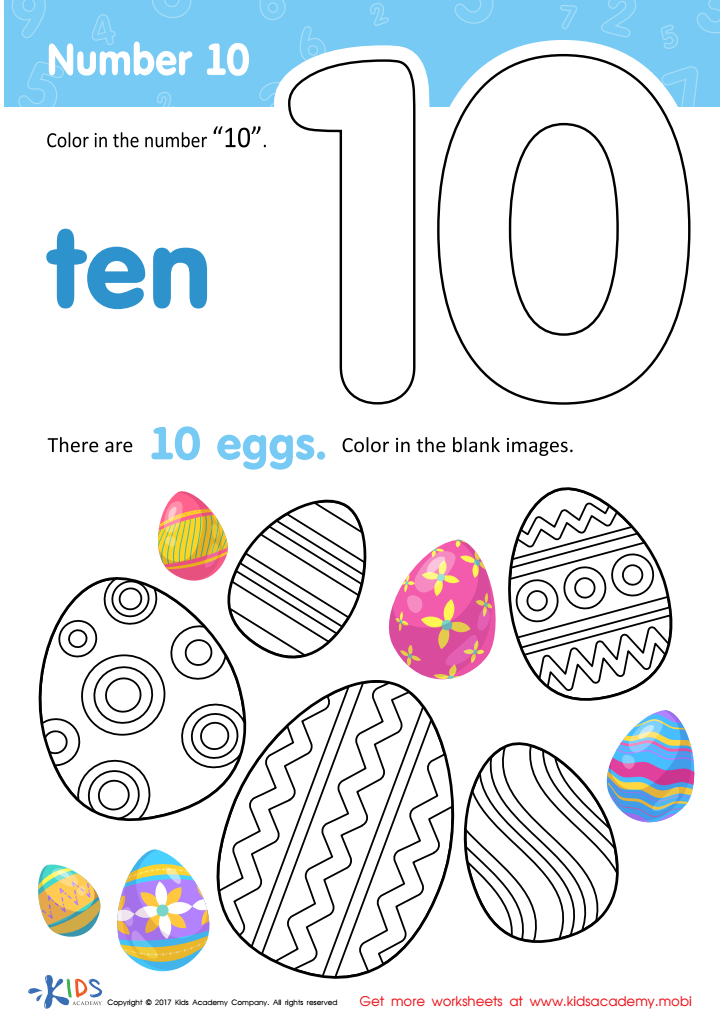
Number 10 Printable
Easter eggs are a great way to combine creativity and learning! Help your child explore the number 10 with our fun coloring page. The intricate designs will spark their imagination and fuel their artistic side, while they practice important numeracy basics. Get creative with eggs and enjoy the fun, no matter the time of year!
Download (PDF)
 Assign to My Students
Assign to My Students
Number 10 Printable
Worksheet
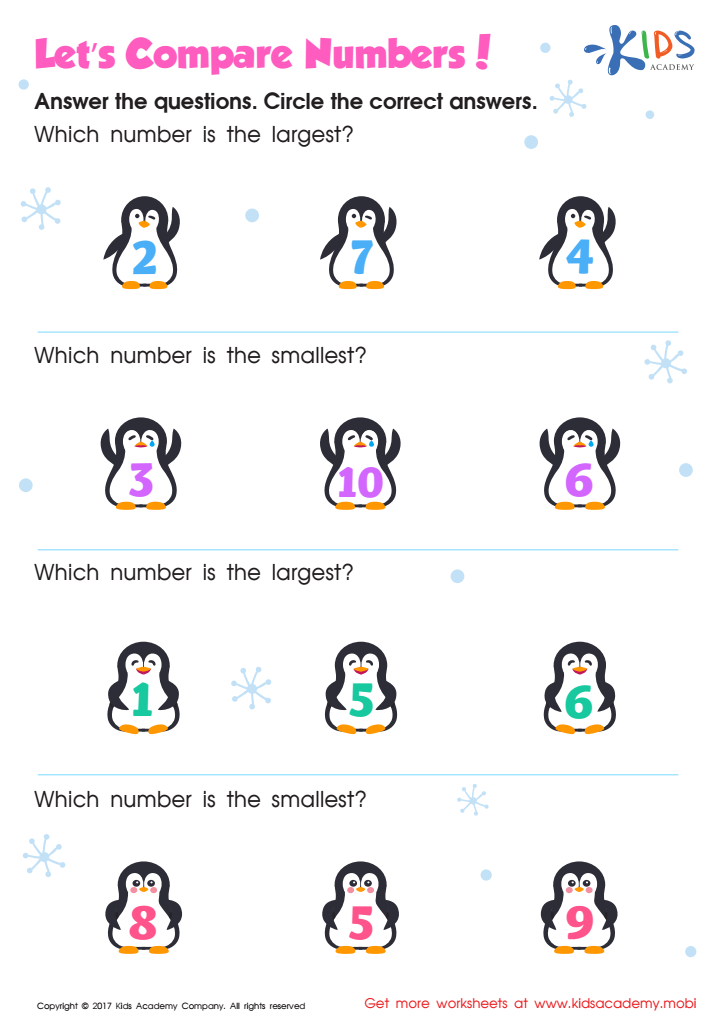
Comparing Numbers 1–10 Worksheet Kindergarten
Help your child sort out numbers 1-10 with this fun worksheet! They'll practice comparing numbers and boost their number sense. Plus, it features cute little penguins with numbers on their bellies - they make learning even more exciting!
Comparing Numbers 1–10 Worksheet Kindergarten
Worksheet
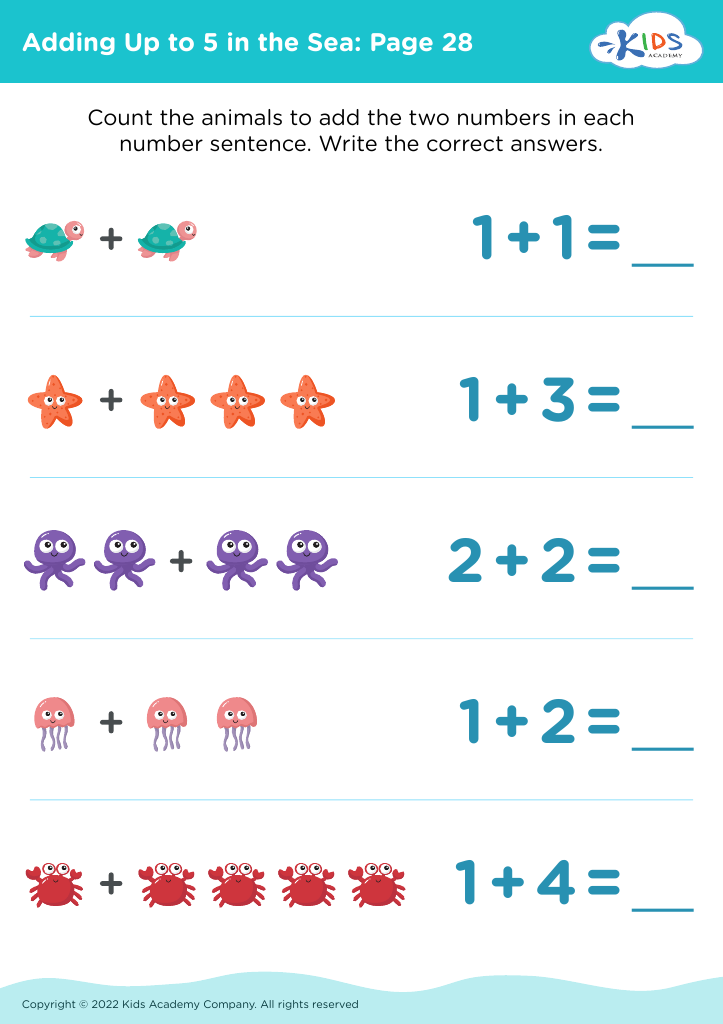
Join Kids Academy for Free
Who is primarily going to use this learning content?






Parents and teachers should care about basic math understanding for ages 3-5 because early childhood is a critical period for cognitive development. At this age, children are particularly receptive to learning new concepts, and nurturing an understanding of basic math lays a strong foundation for future academic success.
Math skills developed at this young age help children understand the world around them in an organized way. Simple exercises, like counting objects, recognizing shapes, and understanding patterns, not only make future complex math more approachable but also enhance problem-solving skills and logical thinking. Basic math also encourages perseverance and attention to detail which are essential for overall learning.
Moreover, early math skills are closely correlated with later achievement in both math and reading, providing a dual benefit. Boosting math competencies helps bridge educational gaps, reducing disparities in academic achievement over time. For parents, integrating math into daily activities—from counting steps to identifying patterns in nature—creates enriching and meaningful bonding experiences. Teachers, meanwhile, can facilitate engaging, playful, and interactive math-based learning that stimulates curiosity.
Hence, prioritizing basic math understanding for 3-5-year-olds sets children on a path of academic confidence and competence, fosters effective learning methodologies, and nurtures skills transcending beyond classroom boundaries, ultimately contributing to their comprehensive development.








