Letter recognition Worksheets for Ages 3-5 - Page 5
99 filtered results
-
From - To
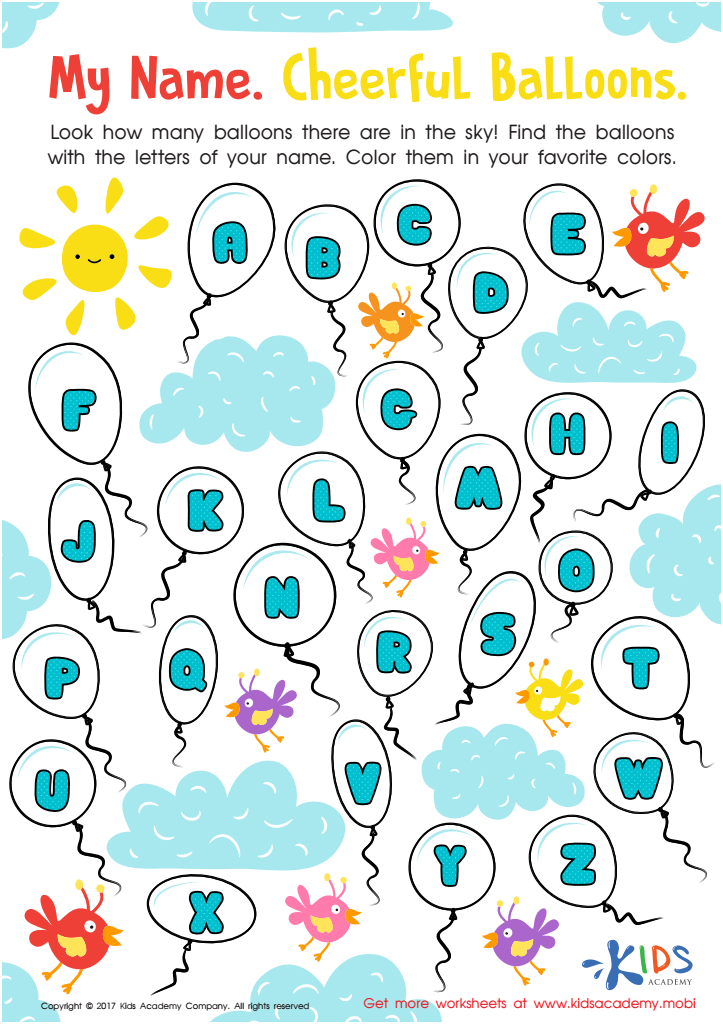
My Name: Cheerful Balloons Worksheet
 Assign to My Students
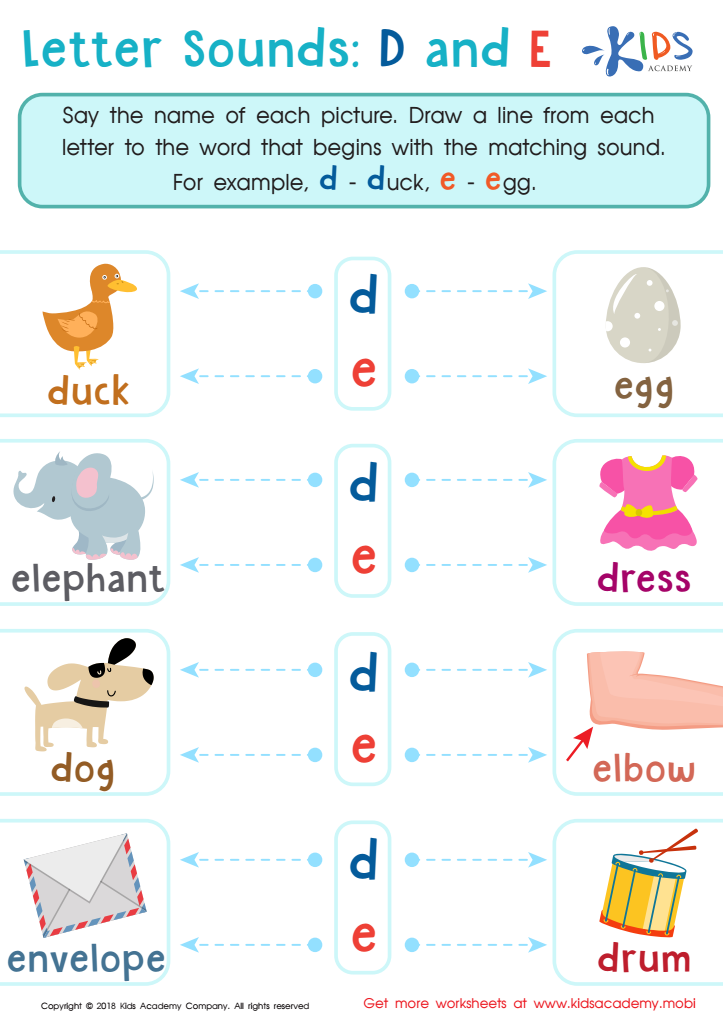
Letter D and E Sounds Worksheet
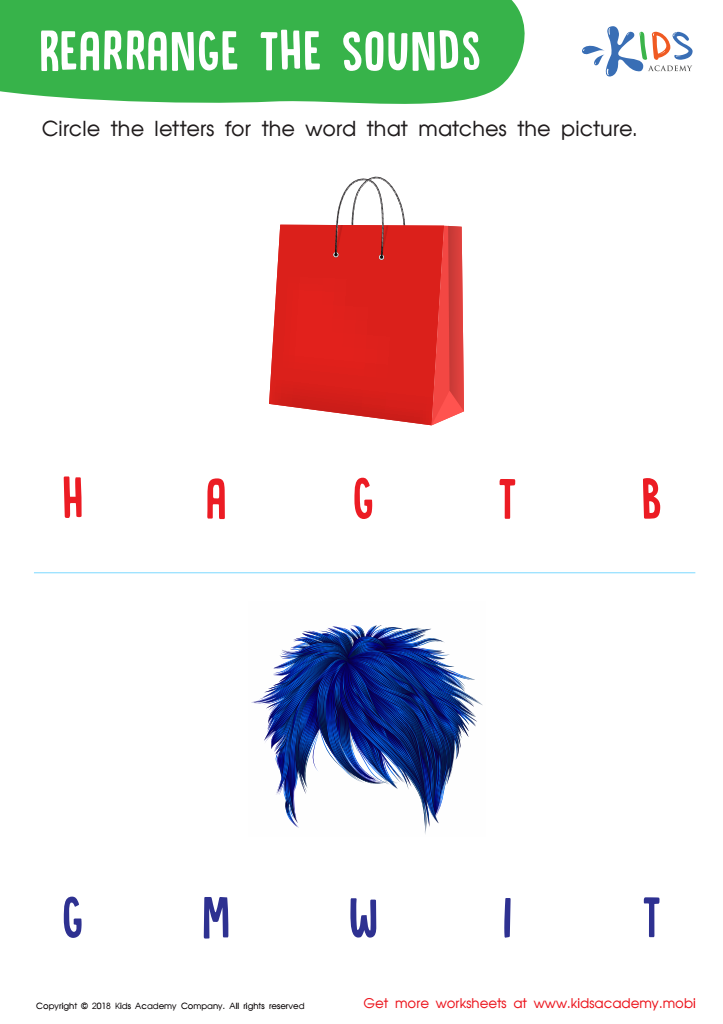
Rearrange the Sounds Worksheet





Letter recognition is a foundational skill for young children ages 3-5, crucial for their early literacy development. At this formative stage, the ability to identify letters of the alphabet by both sight and sound lays the groundwork for learning to read and write. When children recognize letters, they begin to understand that these symbols represent specific sounds, which is a critical step in phonemic awareness, a key literacy component.
Additionally, early letter recognition boosts confidence and fosters a love for learning. As children start recognizing and naming letters in their environment—be it in books, signs, or their own written name—they begin to see the relevance of literacy in their daily lives. Parents and teachers can further nurture this by creating engaging, letter-focused activities like alphabet games, storytelling with highlighted texts, and interactive apps.
Essentially, strong letter recognition skills not only contribute to future reading abilities but also enhance vocabulary, spelling, and overall communication skills. Investing attention and effort into this area during the preschool years significantly benefits children, giving them a head start in their educational journey and setting a solid foundation for continued academic success.








