Sound recognition Worksheets for Ages 3-5
8 filtered results
-
From - To
Unlock your child's auditory potential with our Sound Recognition Worksheets designed for ages 3-5 at Kids Academy! Tailored for preschool and early learners, these engaging, colorful activities help children identify and match sounds with corresponding objects or letters. From animal noises to everyday sounds, these worksheets enhance listening skills, phonemic awareness, and cognitive development. Ideal for both classroom and home use, our expertly crafted resources make learning fun and interactive. Foster early literacy and auditory skills with tools that spark curiosity and build essential foundations for academic success. Signup today to start your child’s auditory adventure!
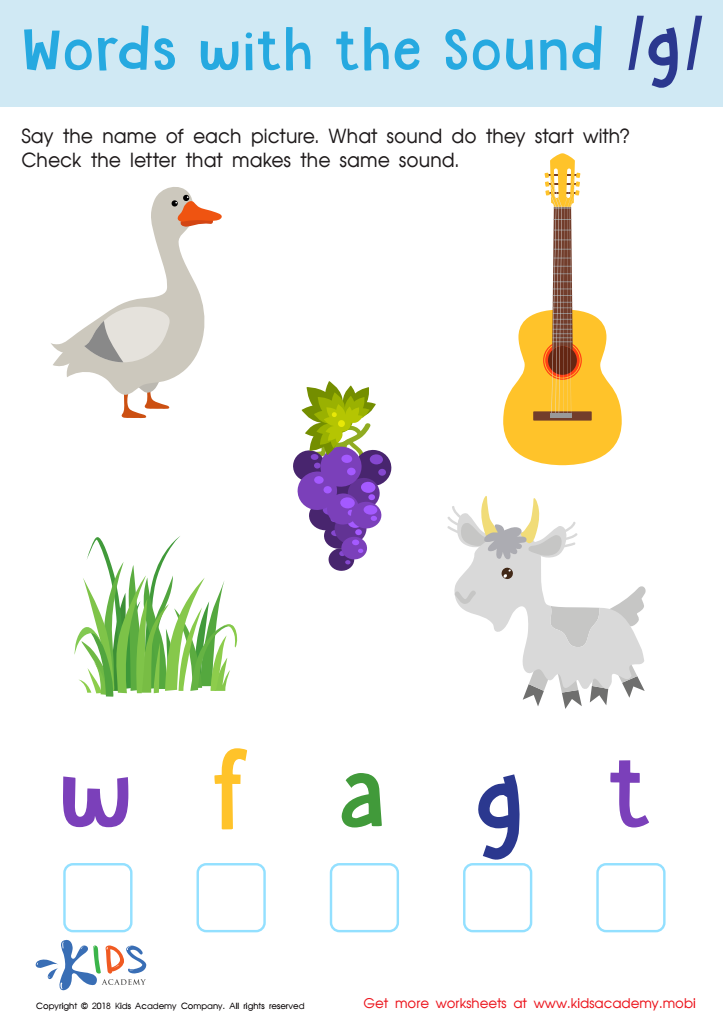
Words with sound g Reading Worksheet
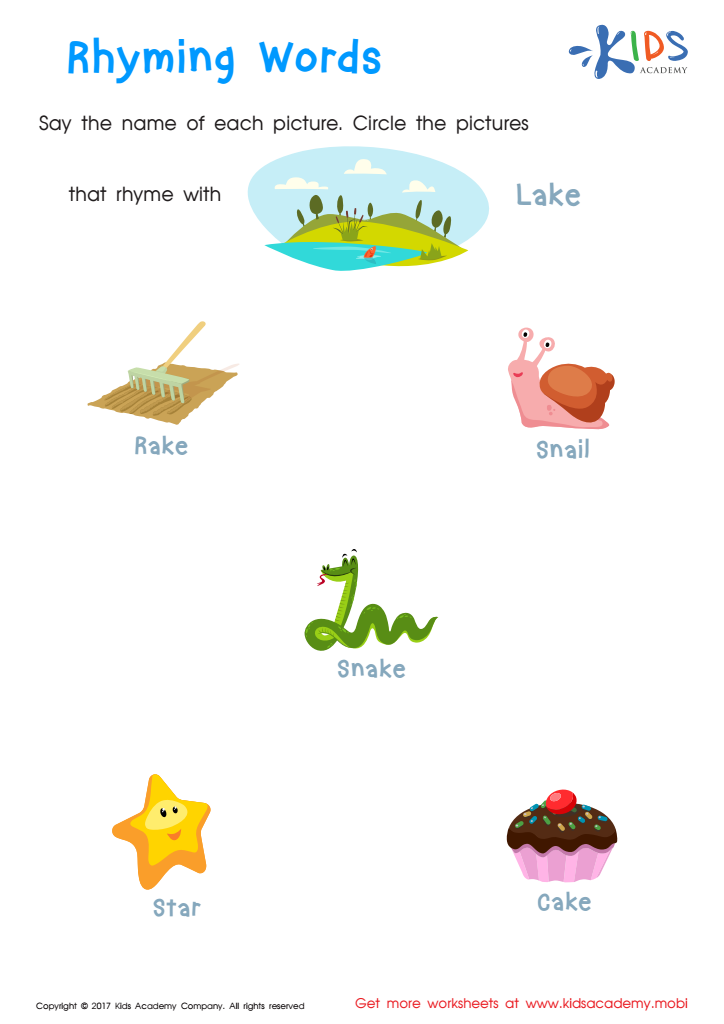
Rhyming Words Rhyming Worksheet
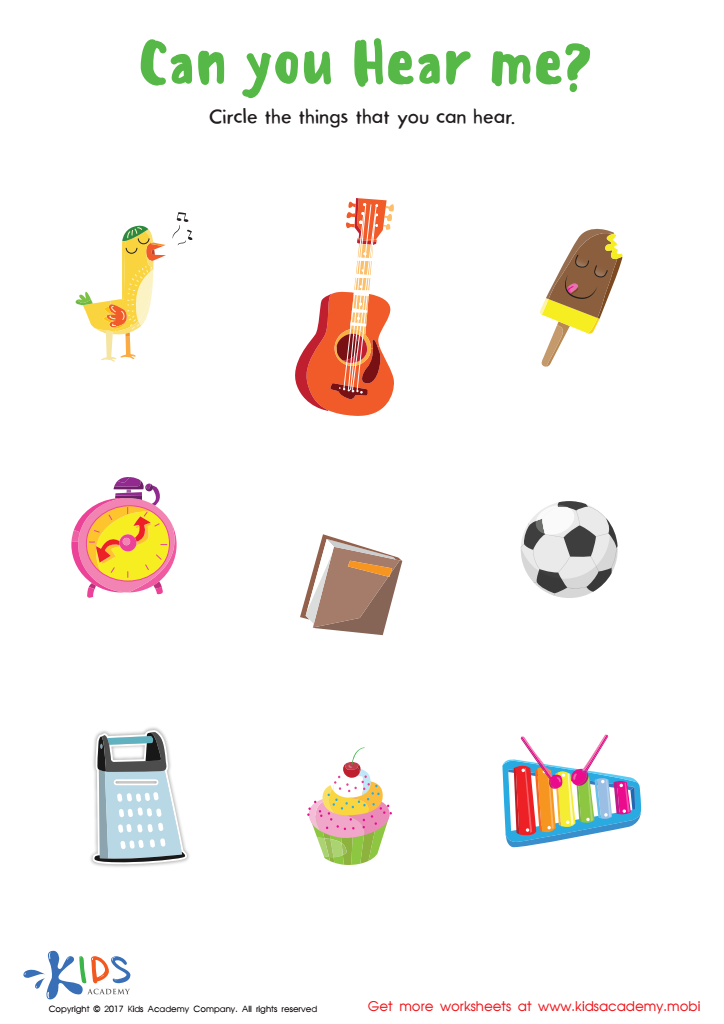
Can You Hear Me Worksheet
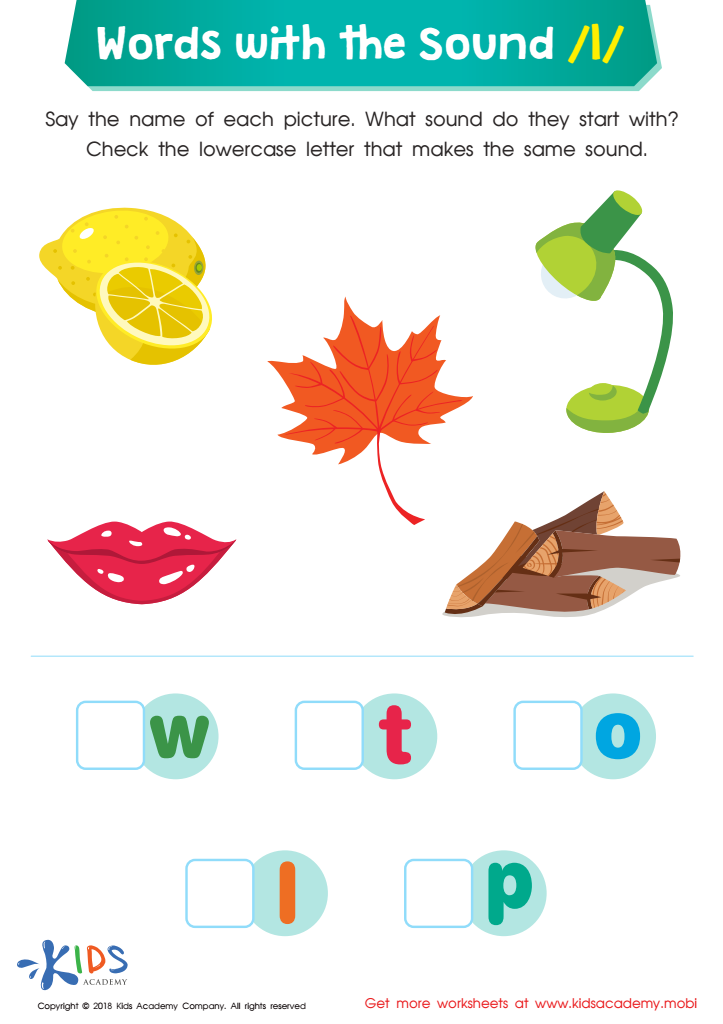
Words with Sound L Reading Worksheet
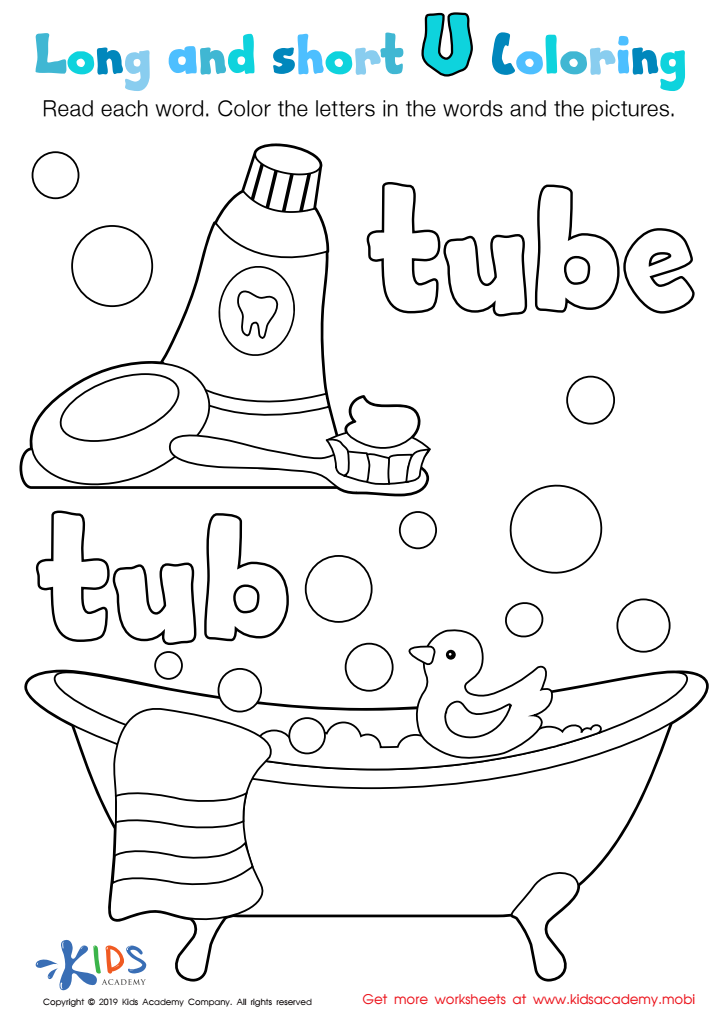
Long and Short U Worksheet
 Assign to My Students
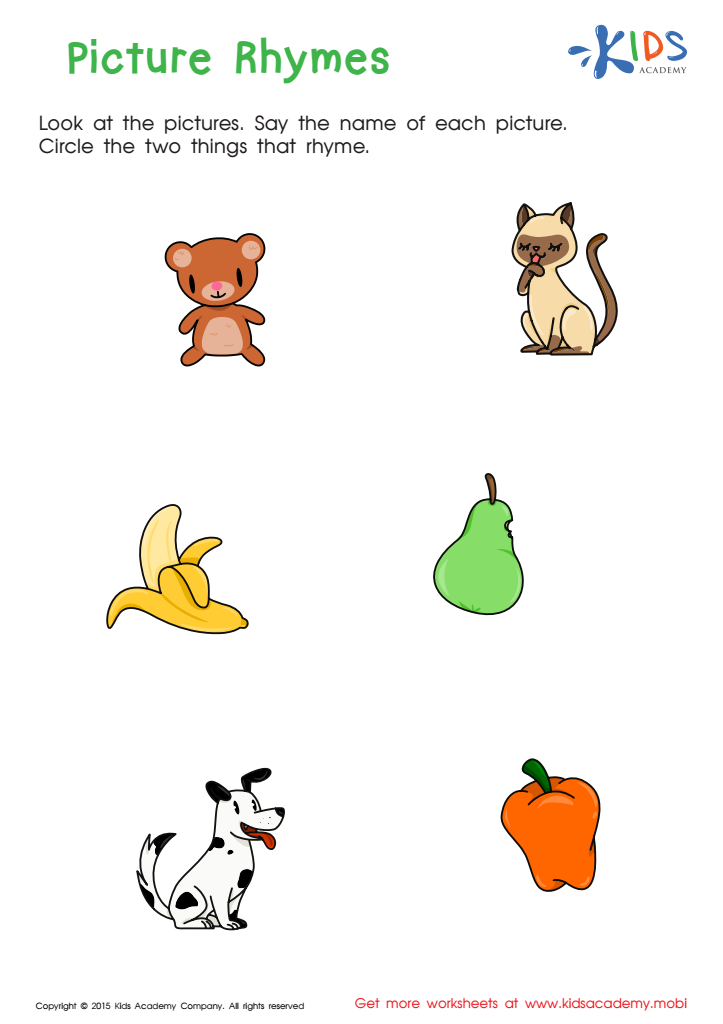
First Words: Picture Rhymes Worksheet
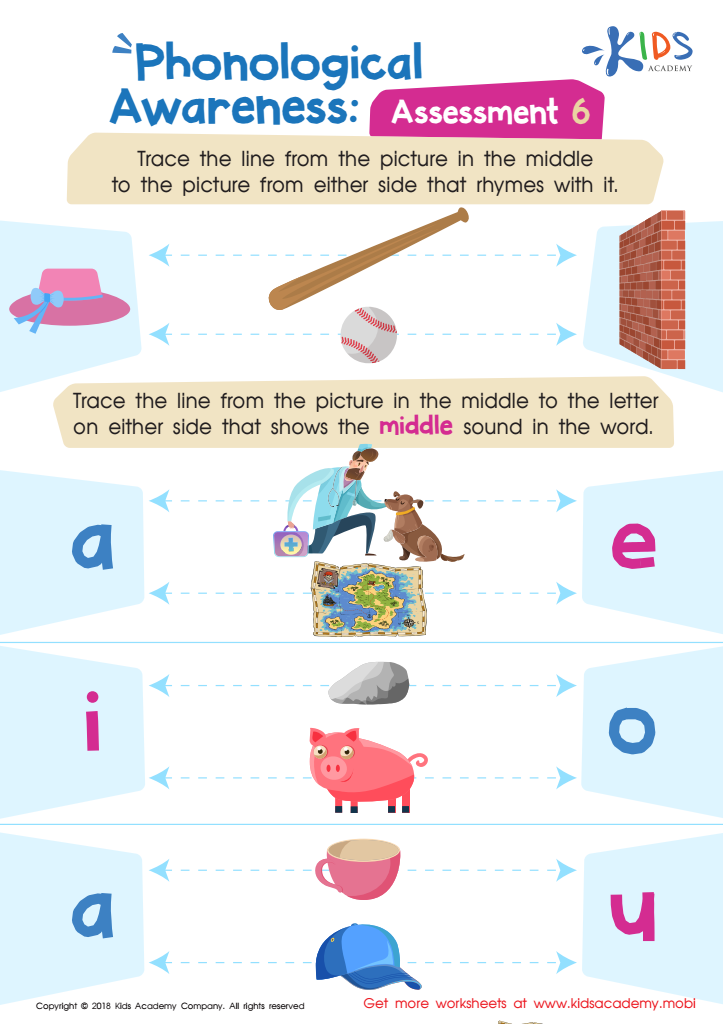
Phonological Awareness: Assessment 6 Worksheet
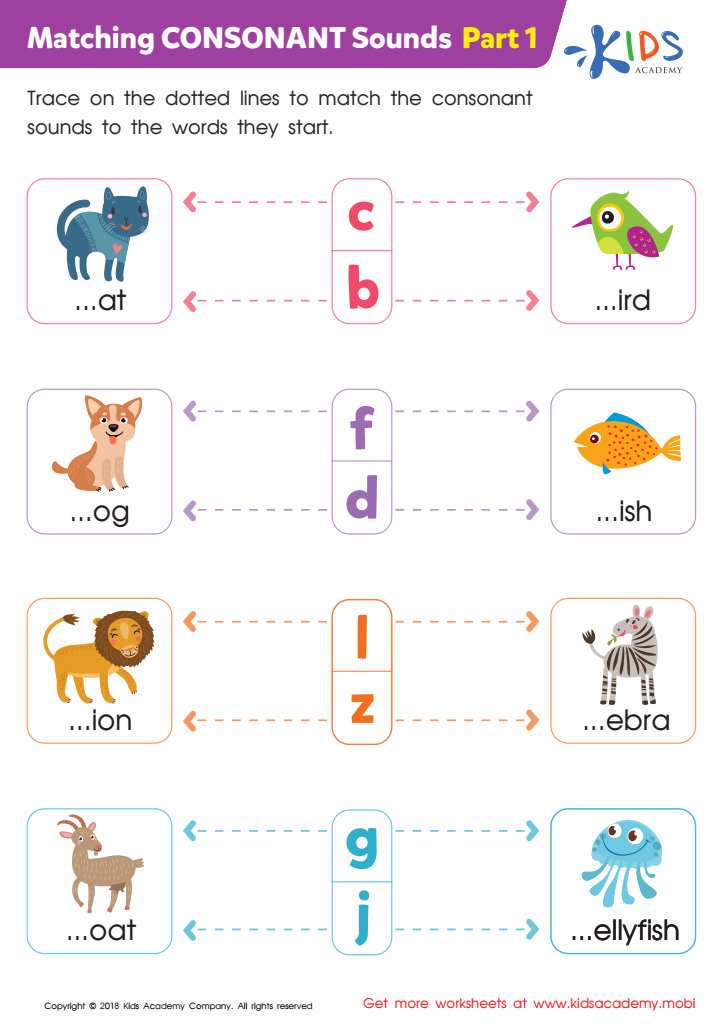
Matching Consonant Sounds: Part 1 Worksheet








Sound recognition, or phonemic awareness, is a critical skill for children aged 3-5 and should be a primary focus for parents and teachers. During these formative years, children's brains are particularly receptive to developing foundational skills that pave the way for future academic success, especially in reading and language development.
Understanding and recognizing sounds help children discern the phonemes, or smallest units of sound, in words. This early stage of literacy development is crucial because it directly impacts a child's ability to decode words when they start reading. Phonemic awareness enhances listening skills, enabling kids to differentiate between sounds, follow spoken directions better, and improve their verbal communication.
Additionally, sound recognition activities foster cognitive and auditory processing skills. Engaging children in songs, rhymes, and simple games that emphasize different sounds can significantly improve their memory, attention span, and auditory discrimination. These exercises also make learning fun and interactive, setting positive attitudes toward education from an early age.
Parents and teachers need to prioritize sound recognition because it lays the groundwork essential for reading proficiency. Early struggles in phonemic awareness often predict future reading difficulties. Therefore, nurturing this skill ensures children are well-equipped for academic challenges ahead, providing them with a strong start in their educational journey.








