Hand-eye Coordination Mazes Worksheets for Ages 3-5
3 filtered results
-
From - To
Introducing our engaging "Hand-eye Coordination Mazes Worksheets" designed specifically for children ages 3-5! These fun and educational worksheets help young learners develop crucial hand-eye coordination skills while navigating through exciting mazes. Perfect for early childhood development, these activities also enhance fine motor skills, concentration, and logical thinking. Each maze is thoughtfully crafted to suit the developmental stage of preschoolers, making learning a delightful experience. Ideal for parents and educators, our printable worksheets ensure foundational growth in a playful and interactive manner. Download today and watch your child's skills progress rapidly with each adventure-filled maze!
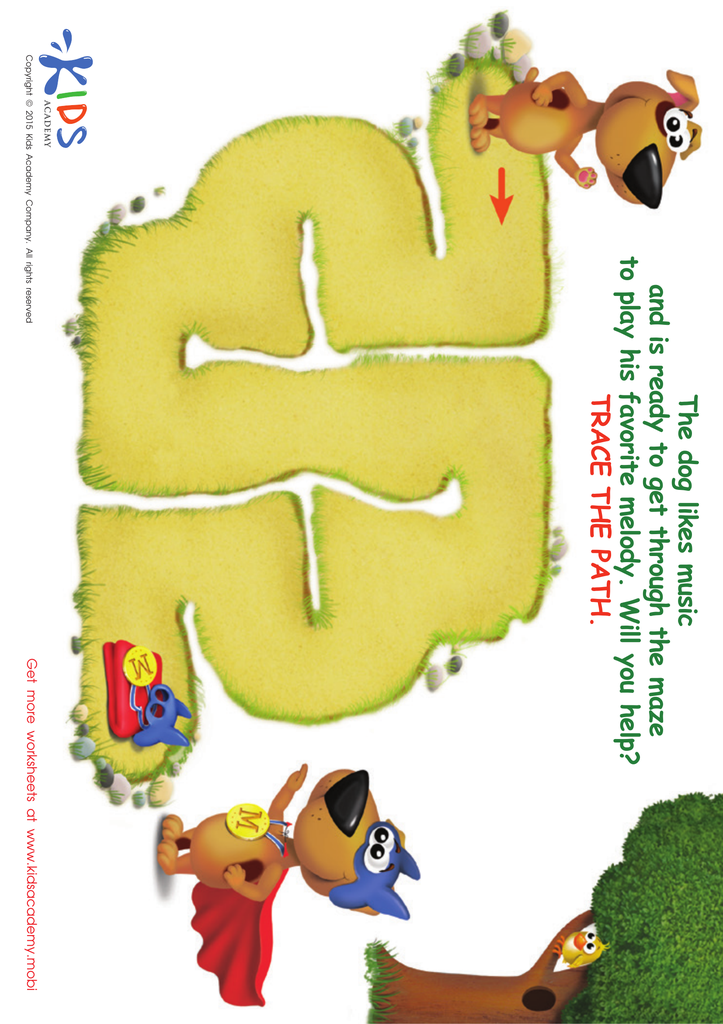
Superman Maze Worksheet
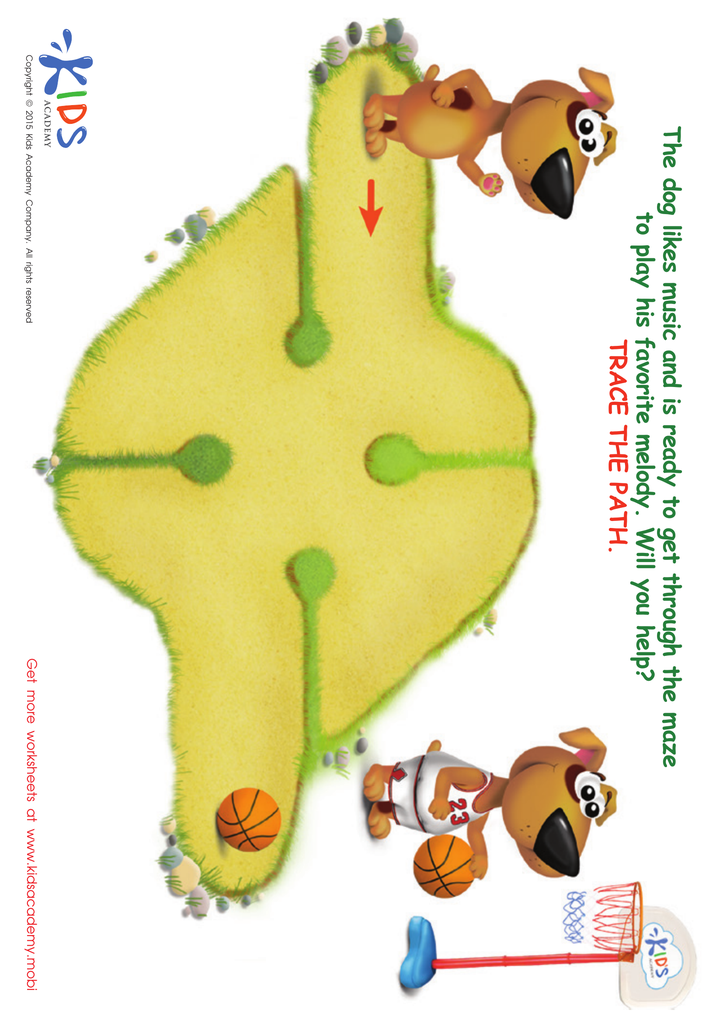
Basketball Player Maze Worksheet
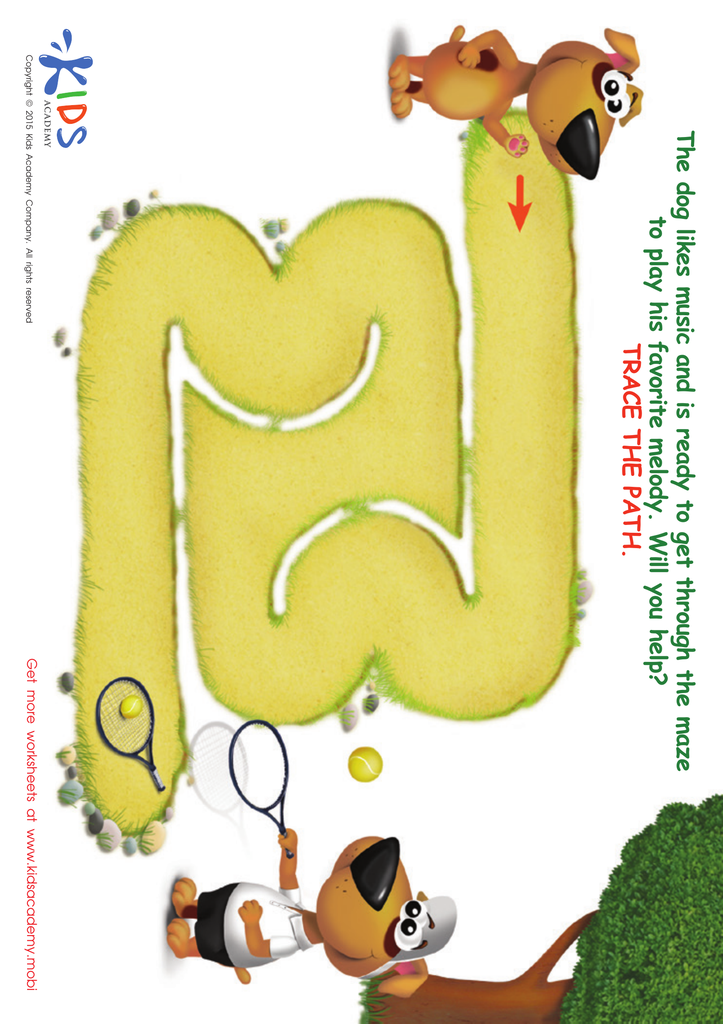
Tennis Player Maze Worksheet


Hand-eye coordination mazes are essential activities for children ages 3-5, as they foster critical early developmental skills. Hand-eye coordination, the ability to synchronize hand movement with visual input, is fundamental for everyday tasks, such as writing, tying shoes, or playing sports. Engaging in mazes at an early age helps children develop this crucial skill in an enjoyable and educational manner.
For parents and teachers, incorporating hand-eye coordination mazes into daily activities is beneficial for a few key reasons. First, these mazes enhance fine motor skills by requiring children to hold and manipulate a pencil or finger with control and precision. As children navigate the mazes, they simultaneously improve their spatial awareness and problem-solving abilities, learning to plan and think ahead.
Furthermore, mazes provide a sense of accomplishment. Successfully completing a maze boosts self-esteem and encourages a growth mindset, teaching children that persistence leads to rewards.
Lastly, engaging in such activities strengthens cognitive development, acting as a stepping stone for more complex tasks in the future. For these reasons, parents and teachers should prioritize hand-eye coordination mazes, knowing they pave the way for foundational skills that support broader learning and everyday functionality.








