Shape comparison Math Worksheets for Ages 3-5
3 filtered results
-
From - To
Explore our engaging Shape Comparison Math Worksheets designed specifically for children aged 3-5! These vibrant, interactive worksheets help young learners develop crucial skills in identifying and comparing shapes. Through fun activities involving larger and smaller shapes, children will enhance their understanding of size, promote critical thinking, and build a strong foundation for future math concepts. Ideal for use at home or in the classroom, our worksheets ensure that learning about shapes is entertaining and effective. Foster your child’s early math skills and shape their learning journey today with our expertly crafted resources!
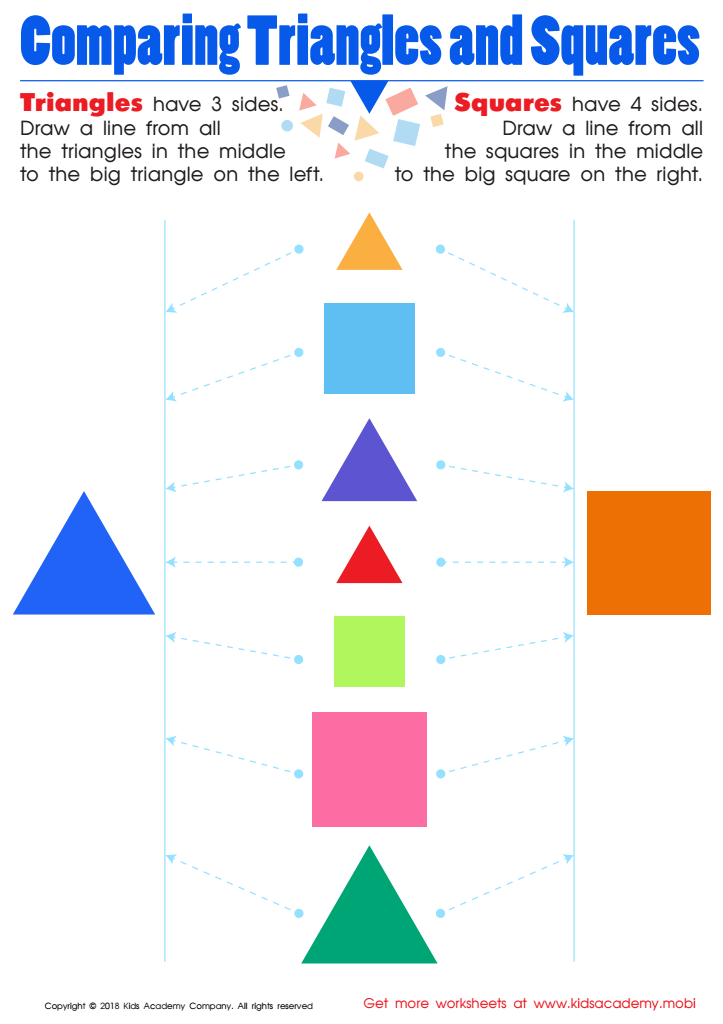
Comparing Triangles Squares Worksheet
 Assign to My Students
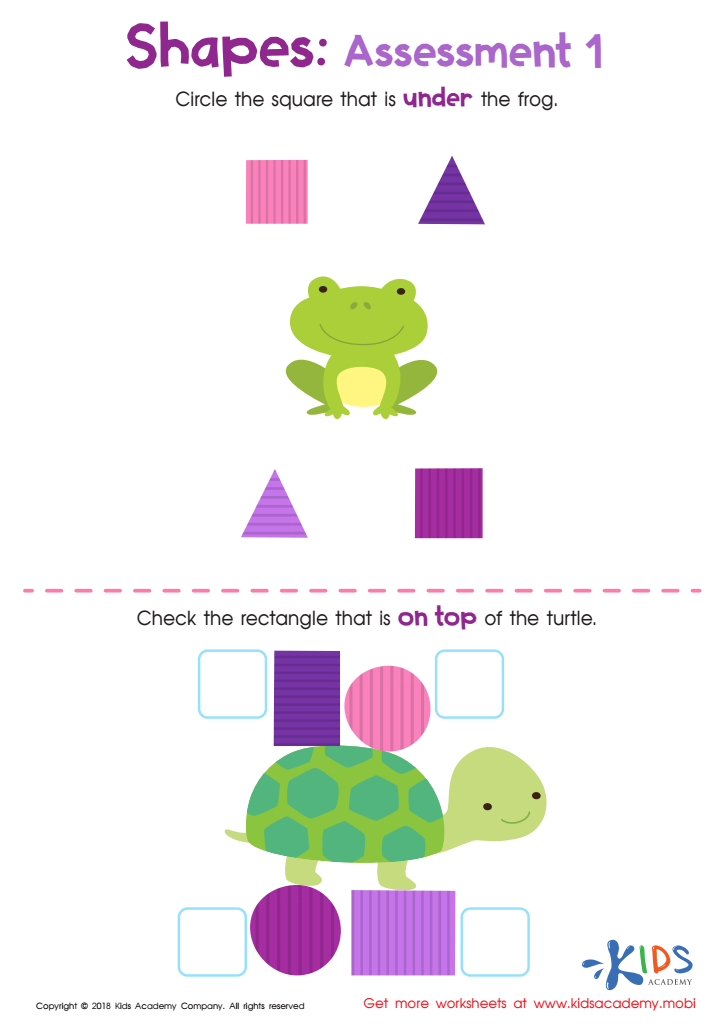
Geometry – Assessment 1 Worksheet
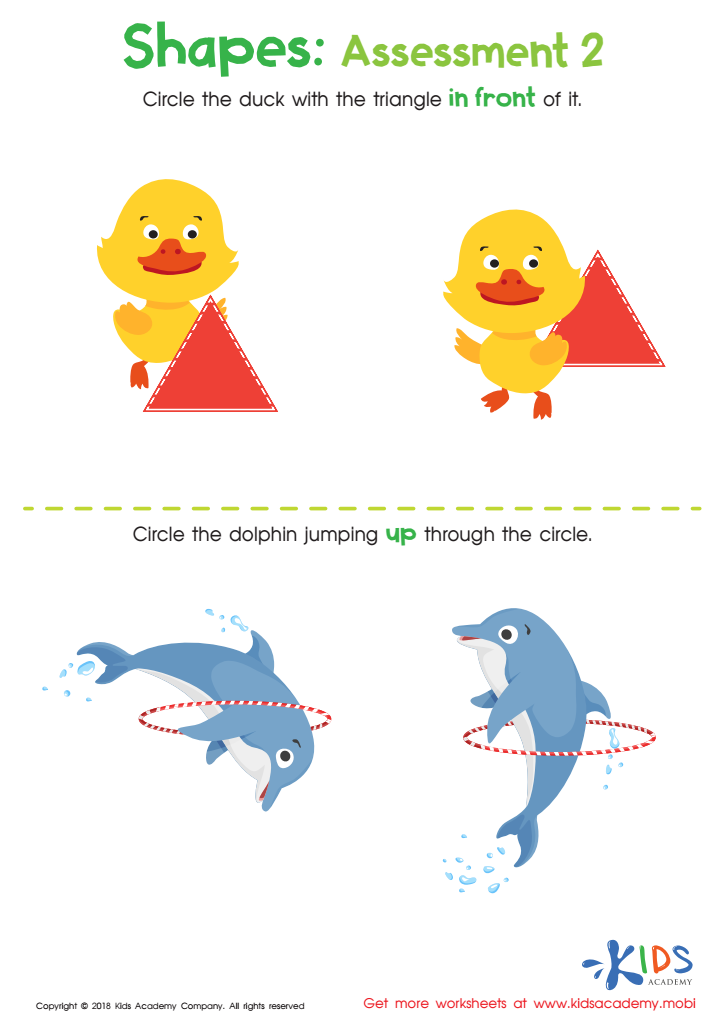
Geometry – Assessment 2 Worksheet







Shape comparison math is vital for children aged 3-5 as it lays the foundation for critical thinking and problem-solving skills. At this developmental stage, children are naturally curious and eager to explore their surroundings, making it an ideal time to introduce concepts of size, shape, and differences. Engaging in shape comparison activities helps young learners develop spatial awareness, promoting their ability to understand how objects relate to one another in space.
Moreover, comparing shapes fosters language development; children learn to articulate their observations using descriptive words such as “bigger," “smaller,” “taller,” and “wider.” These discussions enhance vocabulary and cognitive abilities, allowing for deeper cognitive processing.
Incorporating these mathematical concepts also helps build a foundation for future learning in mathematics and science. Recognizing properties of shapes and their dimensions can lead to an intuitive understanding of geometry, measurement, and even problem-solving techniques used in later academic pursuits.
For parents and teachers, nurturing shape comparison skills is an opportunity to promote not only math readiness but also confidence in young learners as they explore the world around them. It transforms everyday observations into a language of inquiry, critical for lifelong learning.








