Basic Addition Skills Sight Words Worksheets for Ages 3-5
4 filtered results
Difficulty Level
Grade
Age
-
From - To
Subject
Activity
Standards
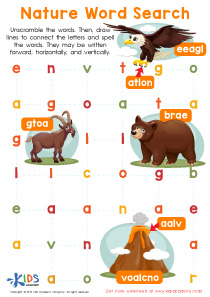
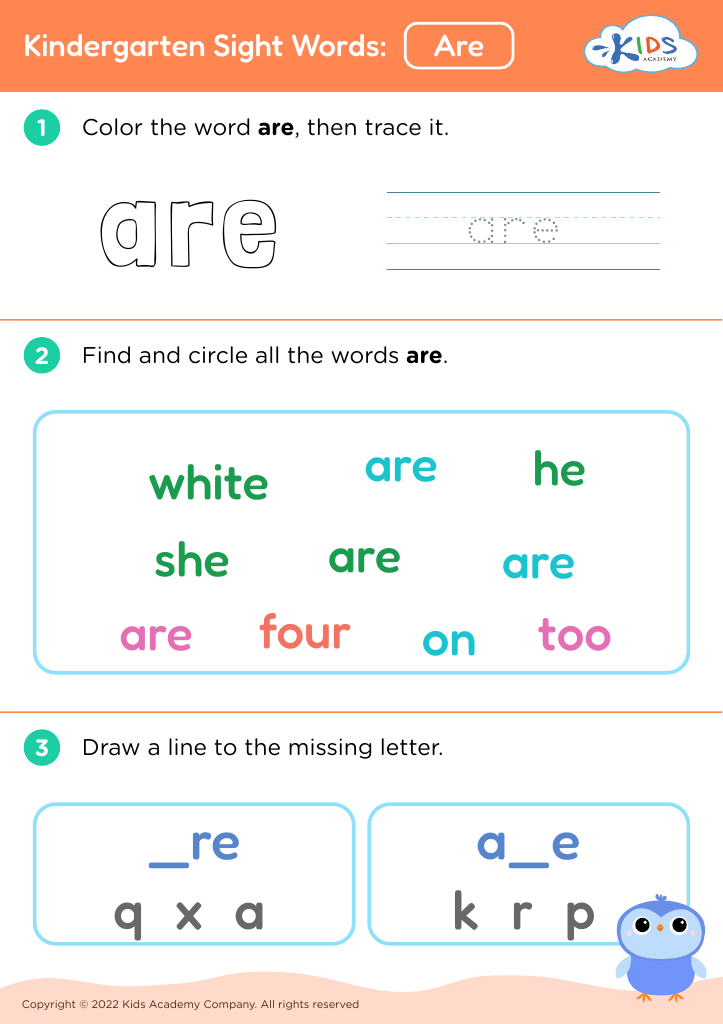
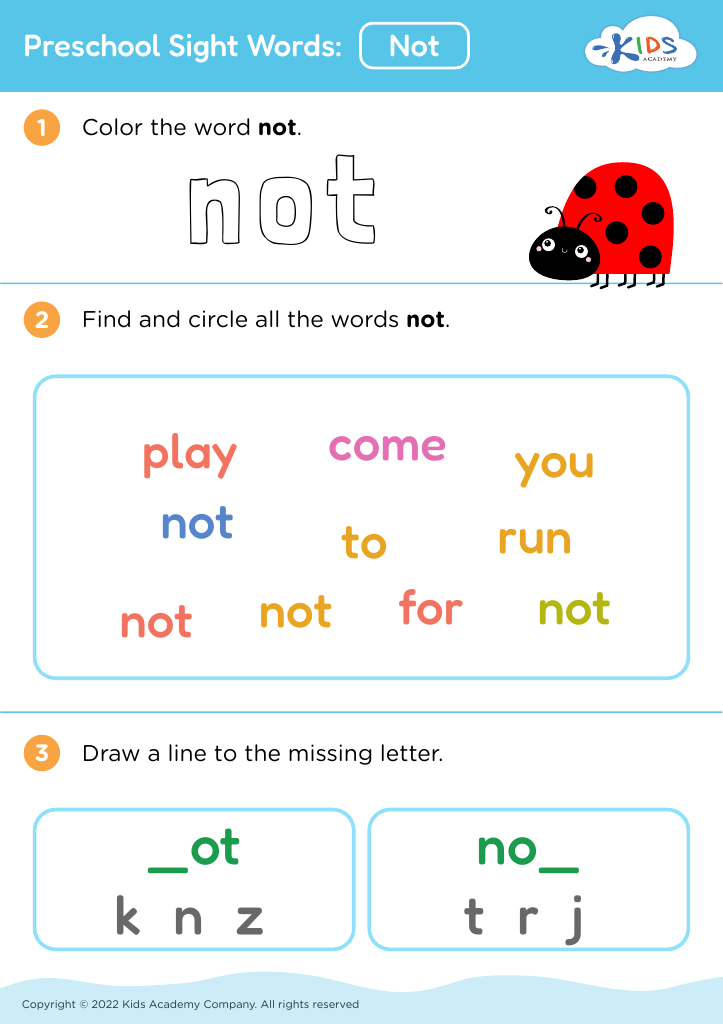
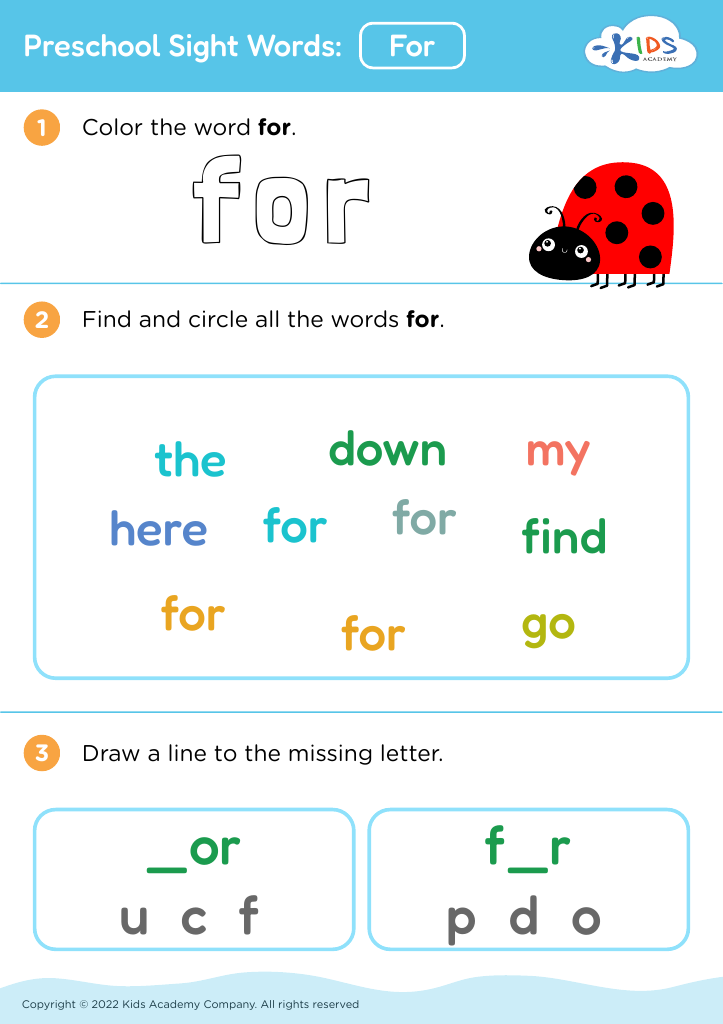
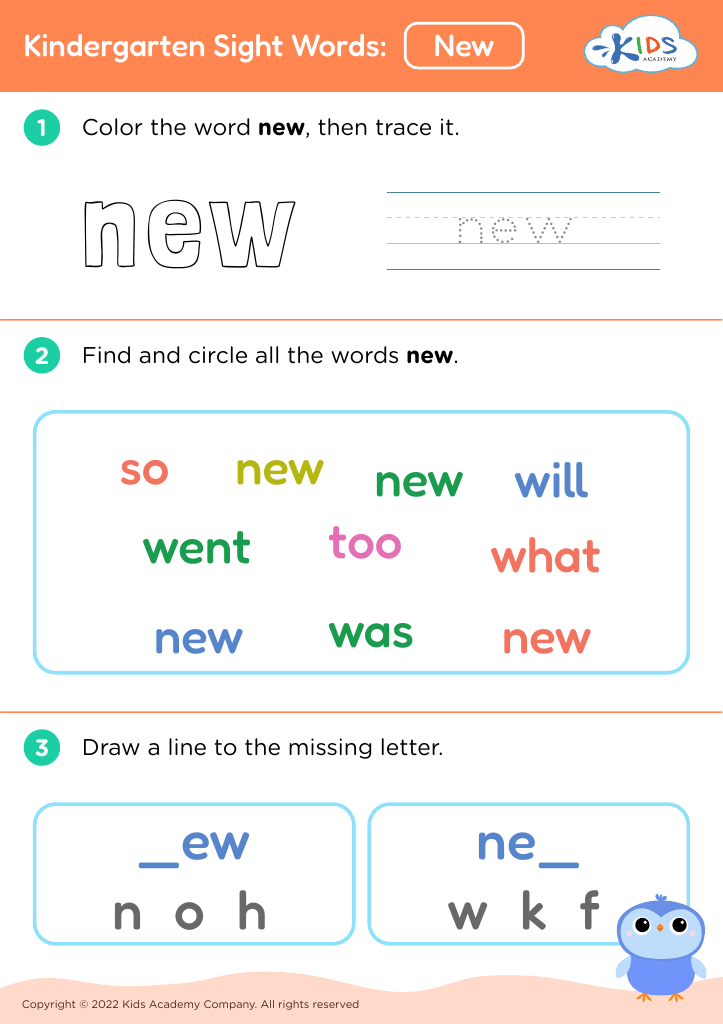
Strengthen your child's foundational math skills with our engaging "Basic Addition Skills Sight Words Worksheets for Ages 3-5". Designed specifically for young learners, these worksheets combine essential sight words practice with basic addition exercises. Each fun and interactive worksheet helps children recognize sight words, enhancing their early reading abilities, while simultaneously teaching them to add numbers up to 10. Perfect for preschool and kindergarten students, our colorful and easy-to-follow sheets make learning enjoyable, and build confidence in both math and reading. Nurture a love for learning with our expertly crafted, educational resources!
Favorites
With answer key
Interactive



Join Kids Academy for Free
Who is primarily going to use this learning content?


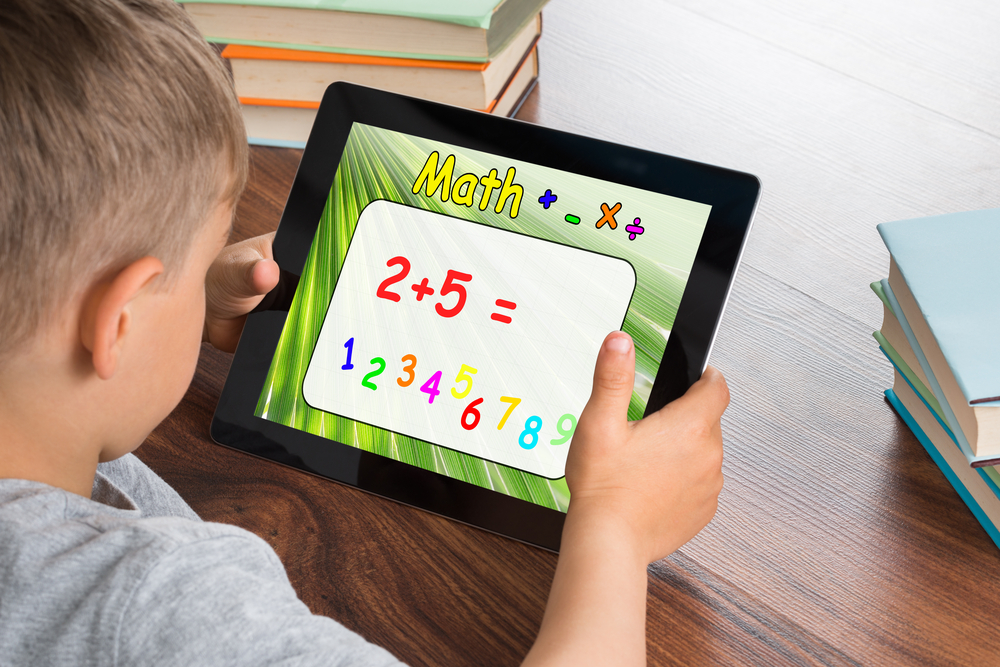





Basic addition skills and sight words are fundamental building blocks for young children's academic development and overall cognitive growth. For children ages 3-5, these concepts are crucial as they form the foundation for future learning in mathematics and literacy.
Understanding addition equips children with the basics of arithmetic, fostering problem-solving skills and logical thinking. It helps develop their ability to understand numbers and improves their readiness for more complex mathematical operations. Early exposure to addition can also make children more comfortable with numbers, reducing potential math anxiety in later years.
Sight words, on the other hand, are commonly used words that children should recognize instantly without needing to decode them. Mastery of sight words is essential for developing reading fluency, which in turn supports better comprehension skills. When children can easily recognize these words, they can read more smoothly and with better understanding, aiding in their language acquisition and communication skills.
Parents and teachers should prioritize these skills because they lay the groundwork for academic success. Early proficiency in addition and sight words can lead to higher confidence in learning, setting a positive trajectory for future education. By investing time in these areas during the formative preschool years, adults are giving children essential tools for lifelong learning and achievement.