Logical Reasoning Sight Words Worksheets for Ages 3-5
3 filtered results
-
From - To
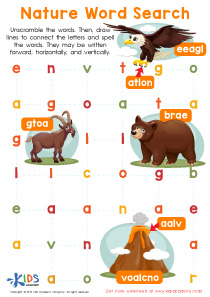
Introduce your little ones to the world of reading with our "Logical Reasoning Sight Words Worksheets" designed for children ages 3-5. These engaging worksheets combine essential sight word recognition with fun logical reasoning activities, helping preschool and kindergarten learners develop critical thinking skills early in their educational journey. Each worksheet incorporates colorful visuals and age-appropriate exercises that make learning both enjoyable and effective. Perfect for home or classroom use, these resources foster not just language skills but also cognitive development. Equip your child for success as they embark on their path to reading fluency and logical understanding!
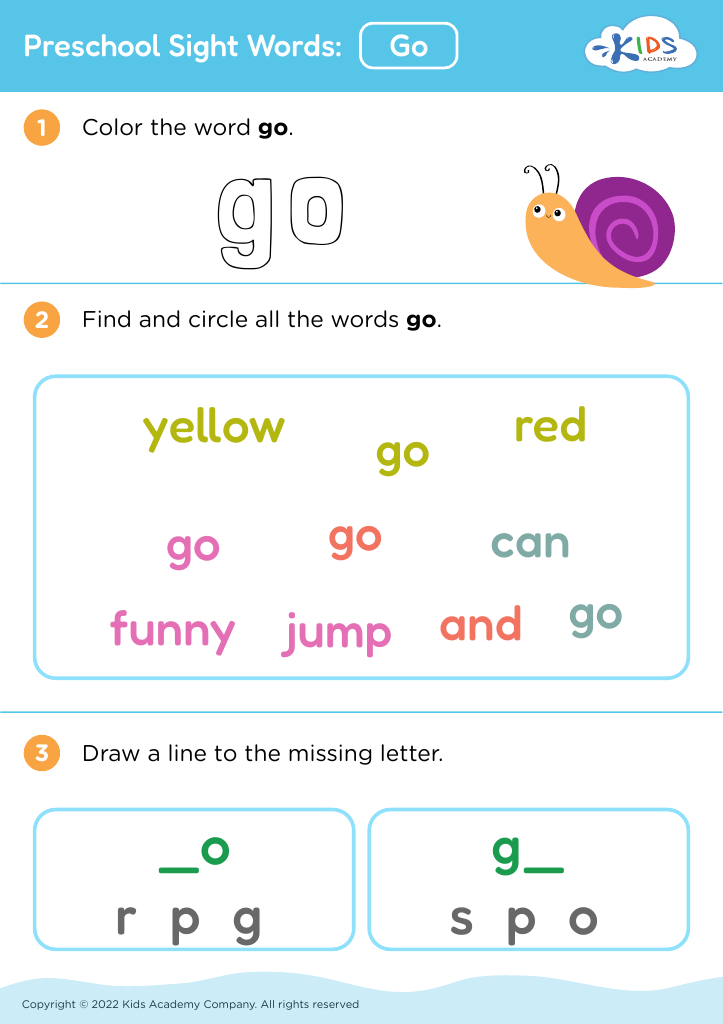
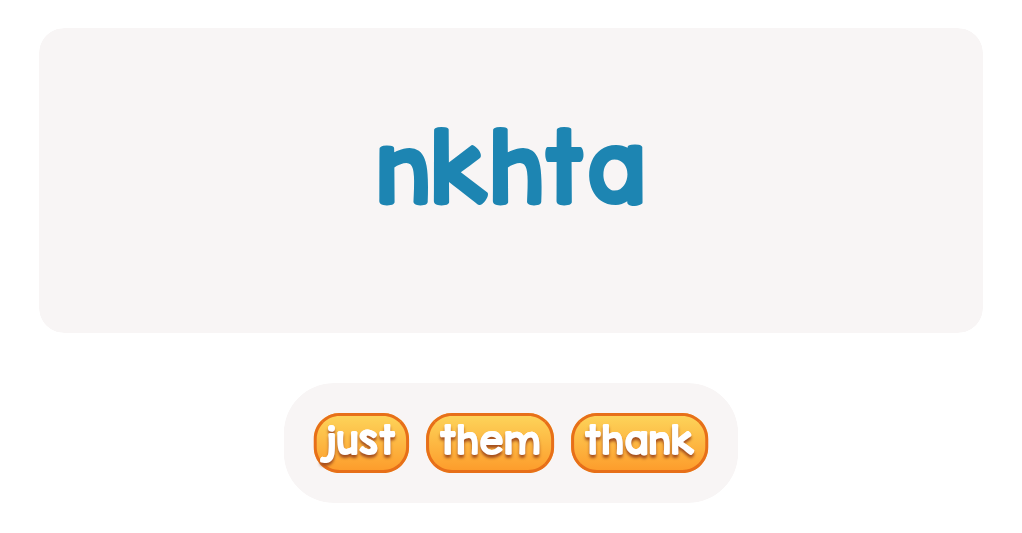



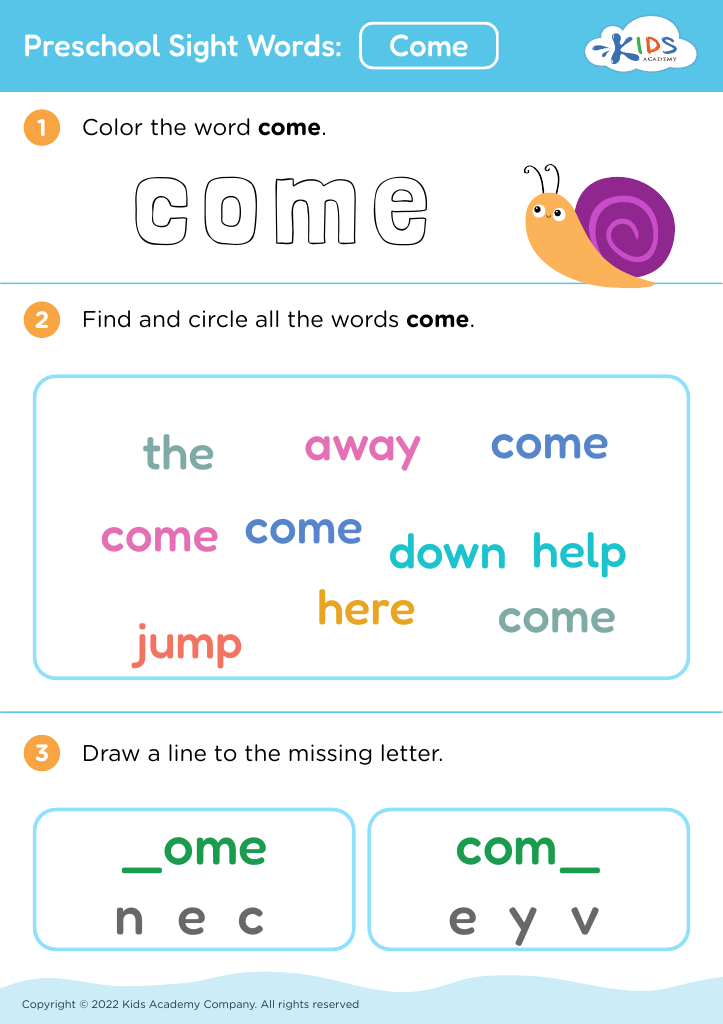
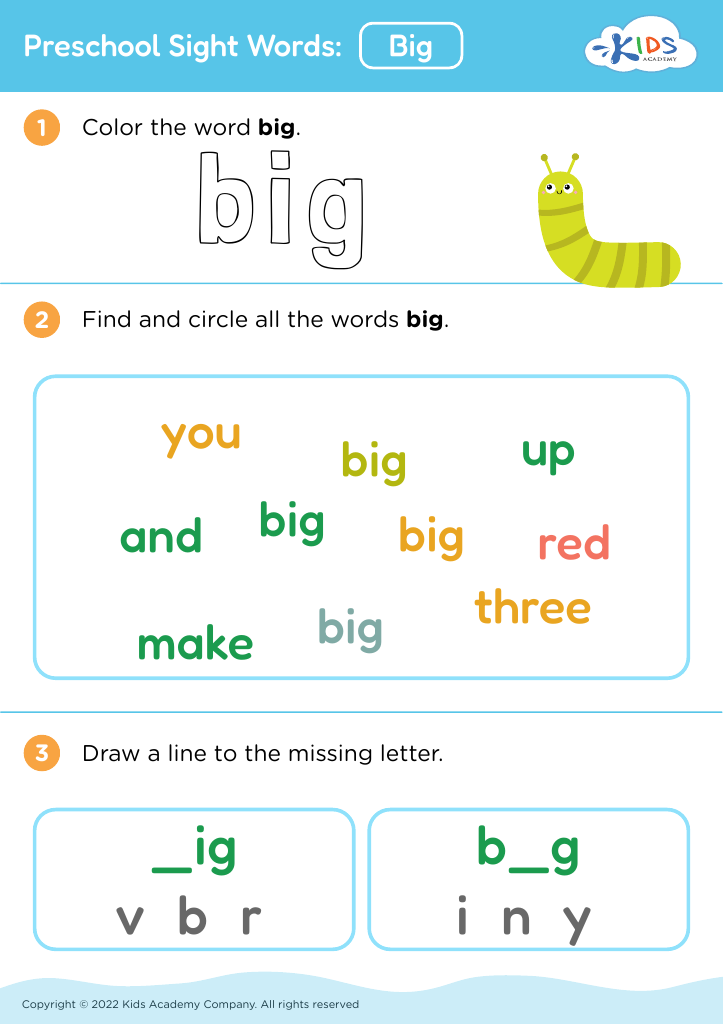








Logical reasoning sight words are an essential component of early childhood education for children aged 3-5. By focusing on these words, parents and teachers can enhance children's cognitive development alongside their literacy skills. Sight words are the foundational vocabulary that children encounter frequently, and incorporating logical reasoning elements can help them understand the relationships between words, context, and meaning.
At this age, children are developing critical thinking skills. Introducing logical reasoning through sight words encourages them to make connections and think critically about what they read. This boosts their comprehension skill and fosters curiosity. By engaging with these words, children learn to categorize information, draw conclusions, and recognize patterns, which builds a strong foundation for future academic success.
Furthermore, when children connect sight words with logic and reasoning, they become more confident readers. This confidence can motivate them to explore further and deepen their understanding of language. Because learning to read is foundational for all future learning, it is vital for parents and teachers to adopt strategies that integrate sight words with logical reasoning, thus preparing young learners for more complex literacy challenges ahead. Ultimately, nurturing these skills at an early age cultivates lifelong learners who can think independently and critically.