
Reading Skills Elementary Phonics Worksheets for Ages 3-6
5 filtered results
Difficulty Level
Grade
Age
-
From - To
Subject
Activity
Standards
Enhance your child's literacy journey with our engaging Reading Skills Elementary Phonics Worksheets, designed specifically for ages 3-6. These fun and interactive worksheets are crafted to build foundational phonics skills, helping young learners recognize letters, sounds, and simple words. Through colorful activities, children will improve their reading abilities while developing essential early language skills. Ideal for homeschooling or classroom use, these worksheets foster a love for reading in an enjoyable way. Encourage your little ones to explore the world of words and set them on a path to literacy success with our specially designed phonics resources!
Favorites
With answer key
Interactive
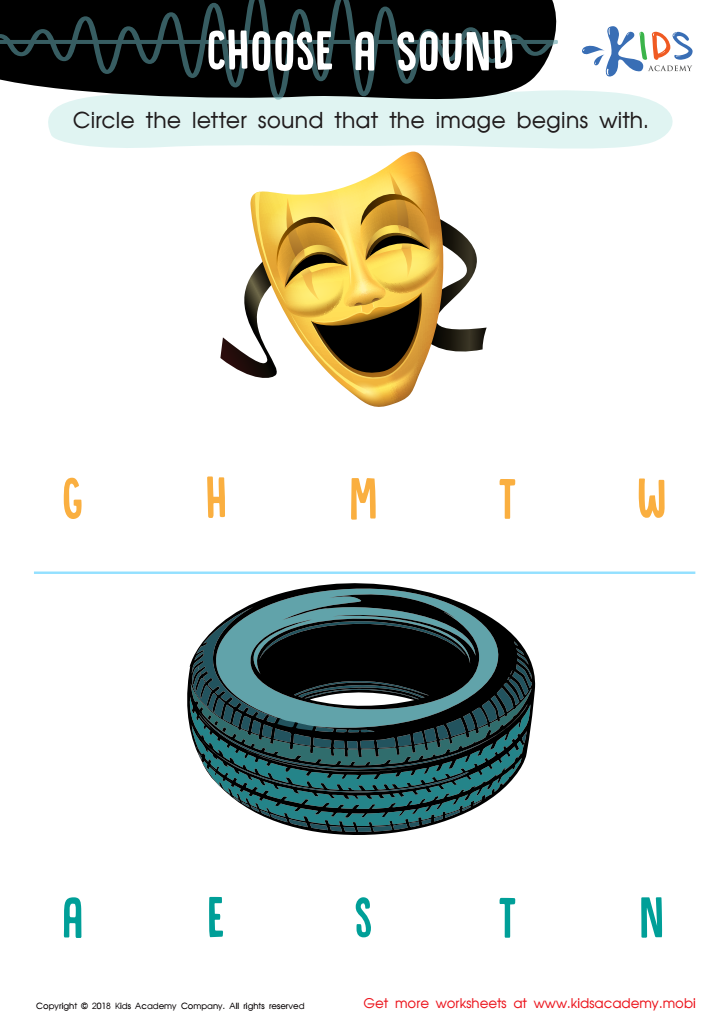
Choose a Sound Worksheet
Help your child hone pre-reading skills with this colorful worksheet! They'll practice tracing letter sounds, develop phoneme awareness, and gain confidence. Plus, it's a fun way to work on their fine motor skills.
 Assign to My Students
Choose a Sound Worksheet
Worksheet
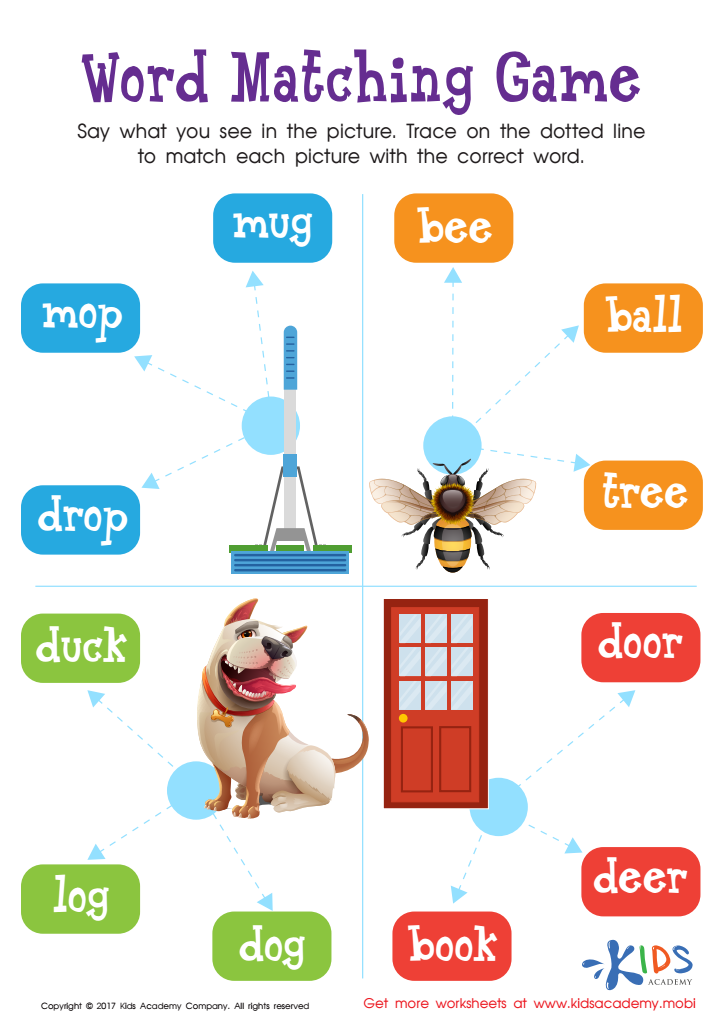
Word Matching Game Worksheet
Help your early reader develop prereading skills with this fun matching worksheet! Visual cues help them learn sight words, decode words in word families, and identify phonetic patterns. They'll practice discerning sounds past initial consonants while saying the name of the picture and finding the matching word - and reading at the same time!
Word Matching Game Worksheet
Worksheet
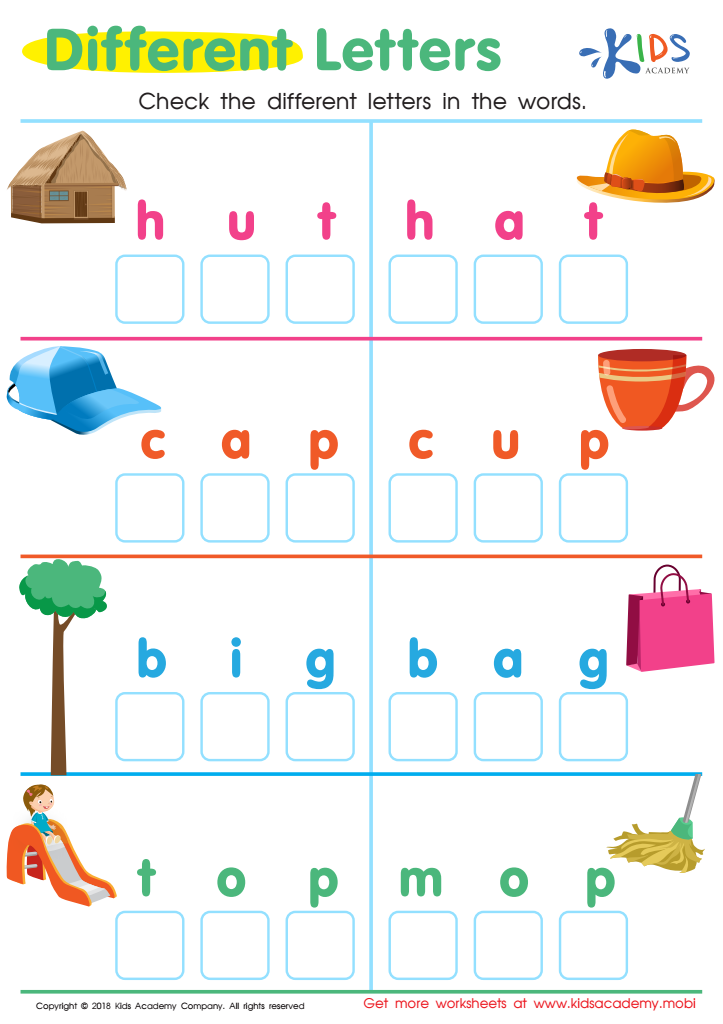
Different Letters Reading Worksheet
Download our phonics worksheet to help kids understand letter sounds. Have them sound out letters and join them to form words. Colorful pictures assist in recognition, making it perfect for kindergarteners. A great intro to phonics!
Different Letters Reading Worksheet
Worksheet
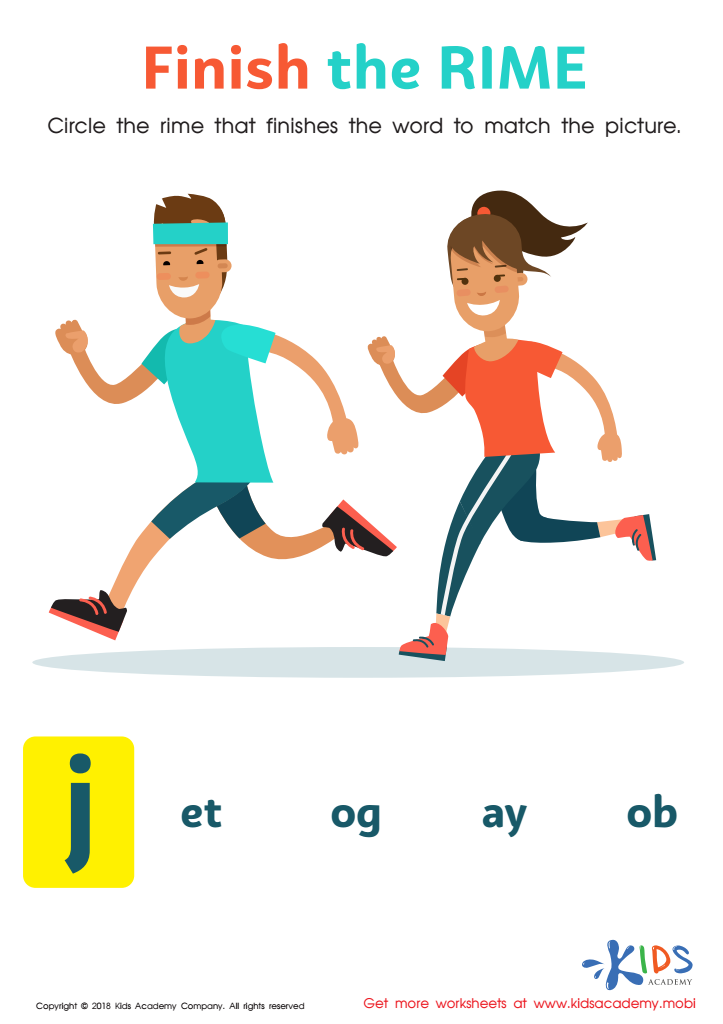
Finish the Rime Worksheet
Rimes help kids learn word families and spelling strategies. This PDF worksheet gives new readers practice with initial consonants, pictures, colors and motor skills. It's fun and cheery, and a great way to boost phonological awareness and rime identification.
Finish the Rime Worksheet
Worksheet
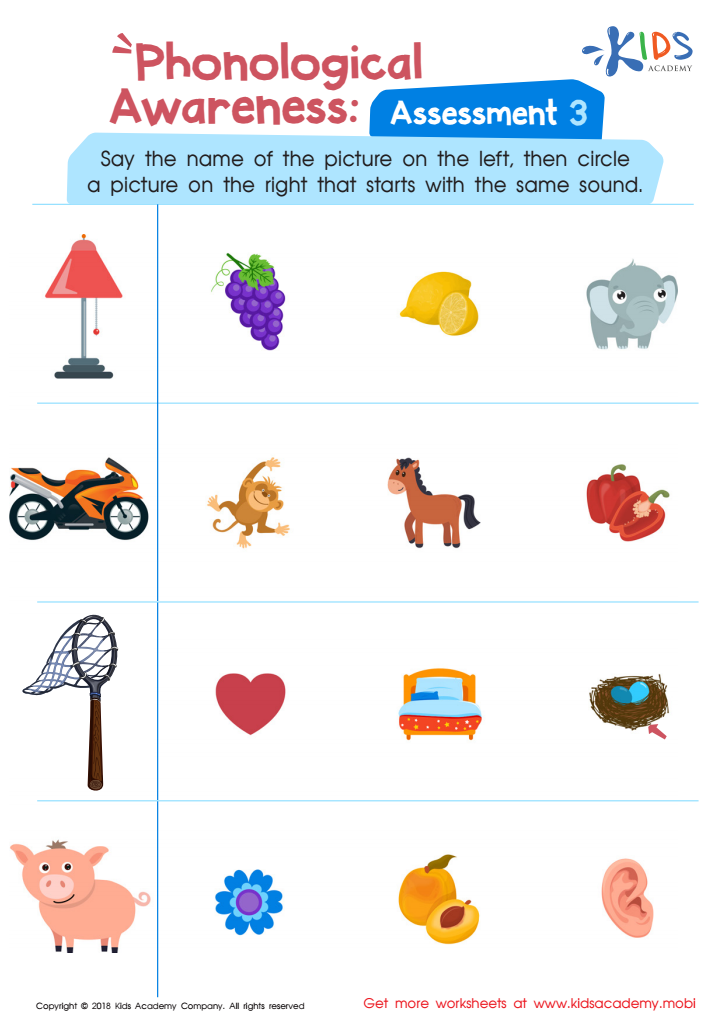
Phonological Awareness: Assessment 3 Worksheet
Test kids' reading readiness with a phonological awareness worksheet! With this PDF exercise, encourage children to name each picture aloud and match left to right. Help them learn to recognize word sounds at the start, middle and end of words. They'll be sure to remember that lamp doesn't sound like elephant!
Phonological Awareness: Assessment 3 Worksheet
Worksheet
Join Kids Academy for Free
Who is primarily going to use this learning content?




Reading skills, particularly phonics, are foundational for children's literacy development, especially for those ages 3-6. During this critical early stage, children establish essential cognitive and linguistic skills that will support their future learning. Teachers and parents should prioritize phonics because it helps young learners connect sounds with letters, which is crucial for decoding words and improving vocabulary.
Engaging with phonics at this age nurtures a child's confidence in reading, setting the stage for a lifelong love of books. Early immersion in phonics can significantly impact comprehension and fluency, enabling children to express themselves more clearly in writing, as well. For parents, participating in phonics activities at home fosters quality bonding time and encourages interactive learning.
Moreover, research shows that children who receive phonics instruction tend to perform better academically, preventing future literacy challenges. By cultivating phonics skills from an early age, kids develop better skills in spelling, grammar, and overall communication. Therefore, both parents and teachers play a pivotal role in ensuring these skills are prioritized, creating a strong literacy foundation that empowers children throughout their academic journey, ultimately promoting lifelong learning and success.







