Alphabet Learning Alphabet Worksheets for Ages 3-6
5 filtered results
-
From - To
Discover our engaging "Alphabet Learning Worksheets" designed specifically for children ages 3-6! These printable resources are perfect for nurturing early literacy skills through fun and interactive activities. With our worksheets, children will explore letter recognition, phonetics, and tracing, ensuring a solid foundation for future reading and writing. Each activity promotes fine motor skills and cognitive development in a playful manner. Whether at home or in the classroom, these worksheets are ideal for sparking a love of learning while preparing young learners to confidently navigate the alphabet. Start your child's educational journey today with our exciting alphabet resources!
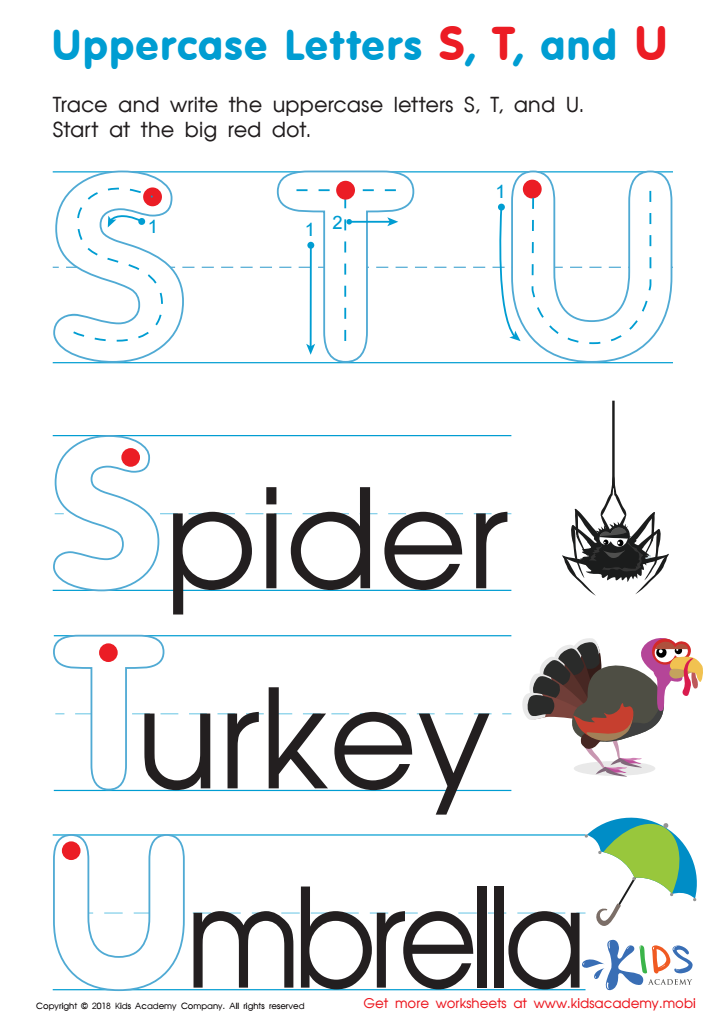
Uppercase Letters S, T, and U Worksheet
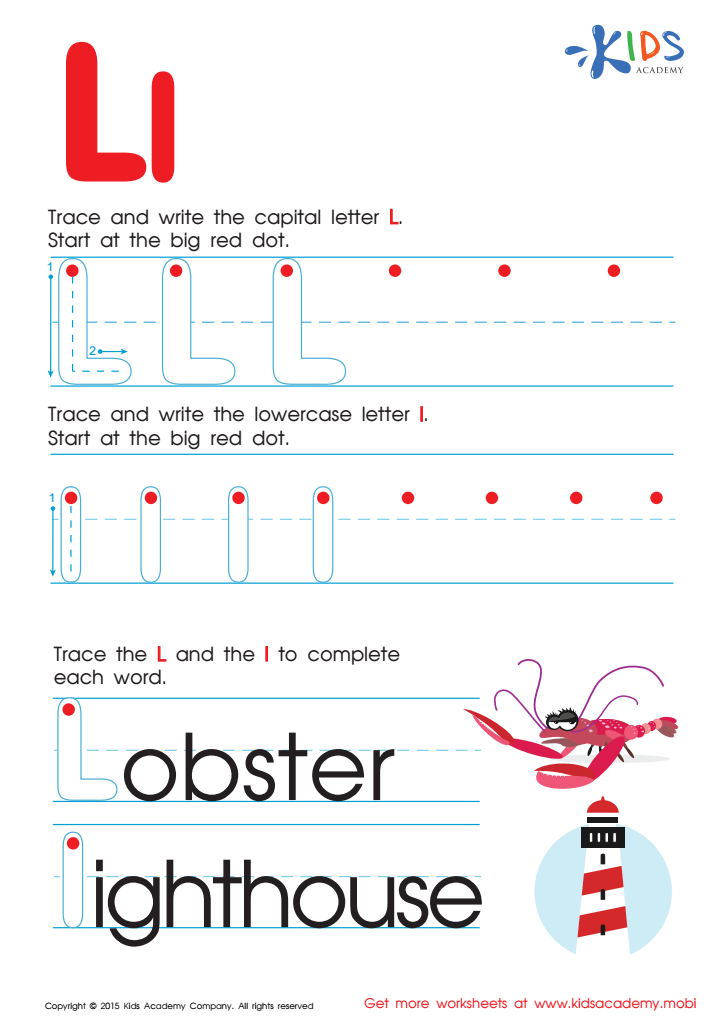
Letter L Tracing Page
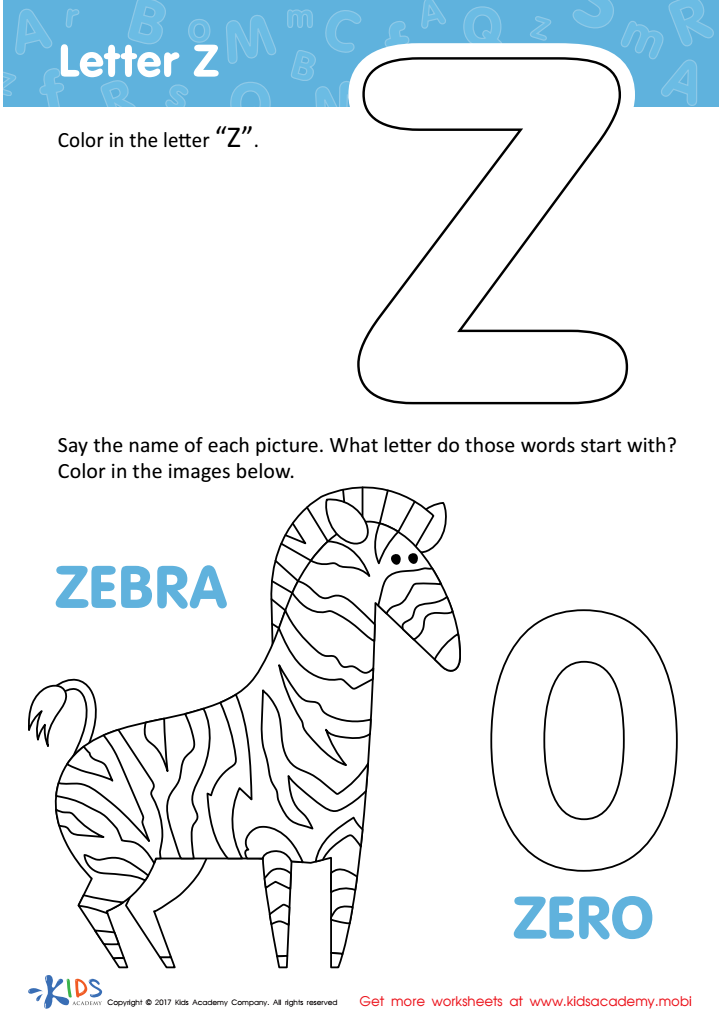
Letter Z Coloring Sheet
 Assign to My Students
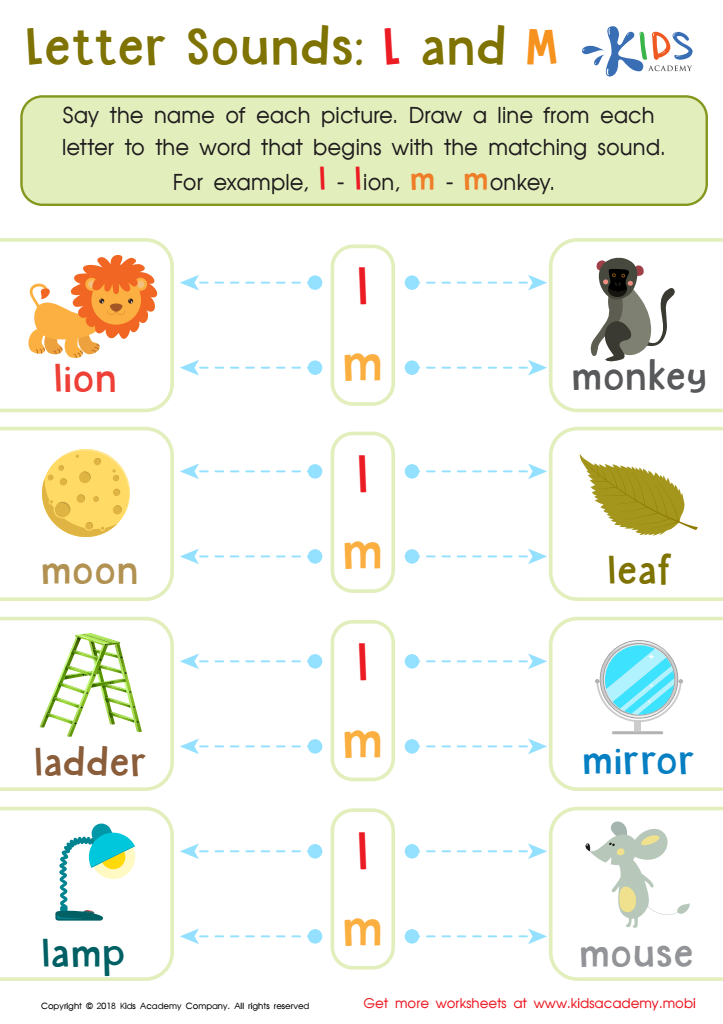
Letter l and M Sounds Worksheet
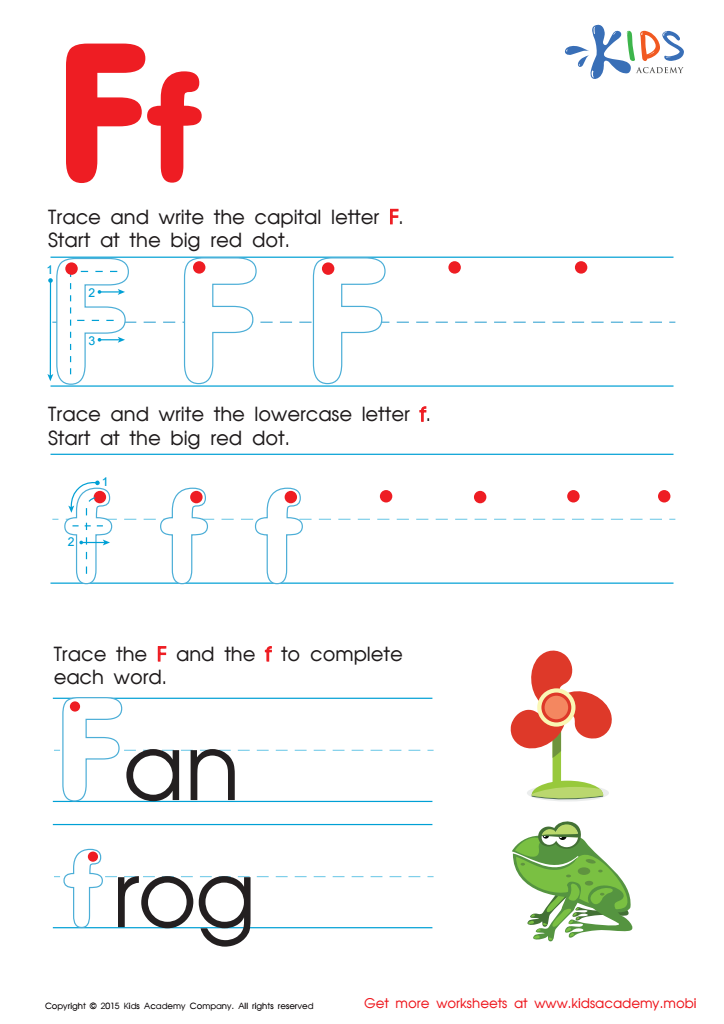
Letter F Tracing Page






Parents and teachers should prioritize alphabet learning for children aged 3-6 because it forms the foundation of literacy and language development. During these formative years, children are naturally curious and eager to explore their environment, making it the ideal time to introduce letters and sounds. Engaging with the alphabet not only helps children recognize and name letters but also connects them to the sounds they produce, aiding in phonemic awareness—a critical skill for reading proficiency.
Understanding the alphabet fosters cognitive development, as children learn to associate symbols with meanings, enhancing their overall communication skills. This learning also encourages fine motor skills when tracing letters or engaging in creative activities such as drawing and crafting.
Moreover, early alphabet exposure creates a love for reading, setting the stage for future academic success. Children who are introduced to letters and words early are often more confident readers and writers, which can positively impact their lifelong learning journey. By investing time in alphabet activities, parents and teachers can nurture a strong literary foundation, encourage imaginative thinking, and support children’s social interactions through shared reading experiences, ultimately preparing them for more complex language skills in the years to come.







