Word Recognition Alphabet Worksheets for Ages 3-6 - Page 2
26 filtered results
-
From - To
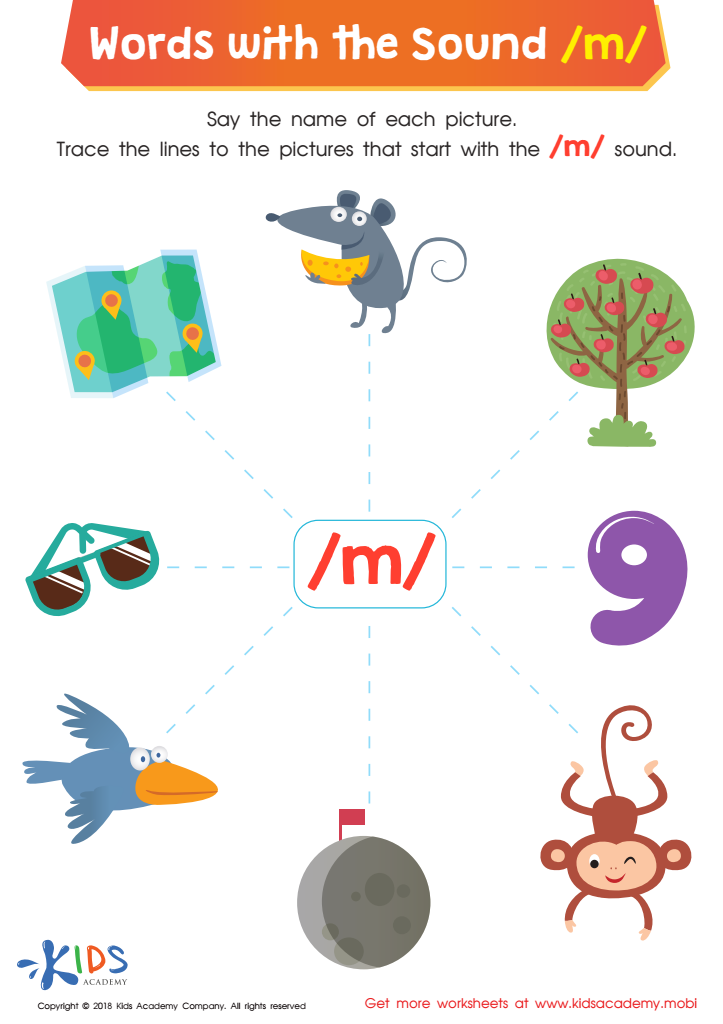
Words with Sound M Reading Worksheet
 Assign to My Students
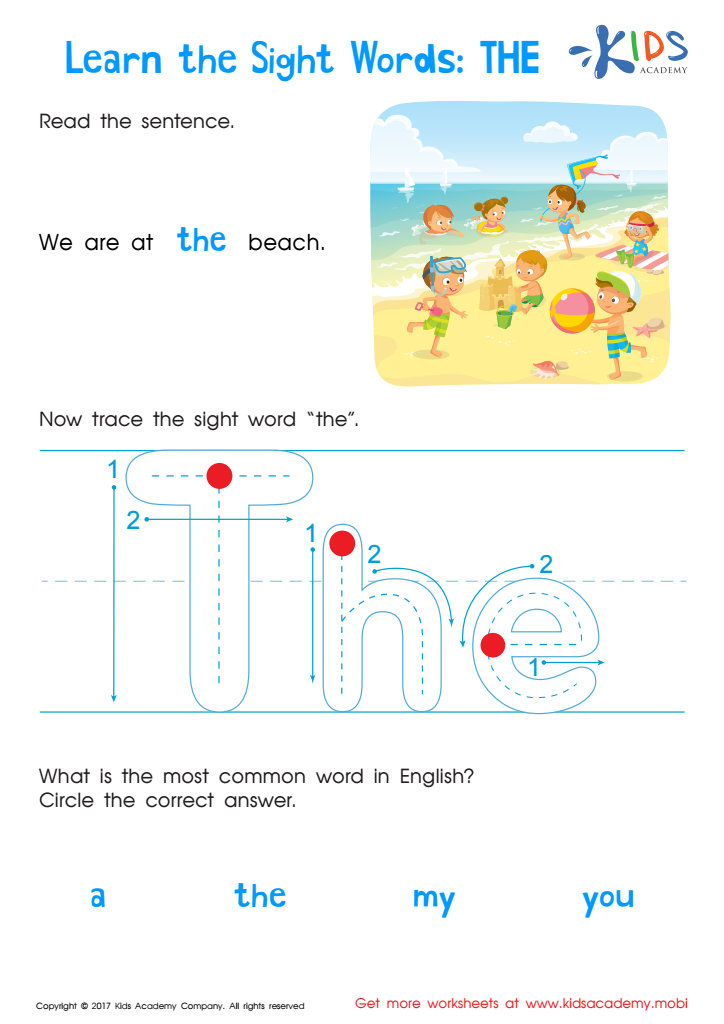
Sight Words: The Worksheet








Word Recognition Alphabet is crucial for young learners aged 3-6, as it forms the foundation of literacy development. Early exposure to letters and their associated sounds helps children decode written language, which is essential for reading proficiency. When parents and teachers emphasize the importance of word recognition, they enable children to build vocabulary, distinguish words, and develop comprehension skills.
At this age, children are highly receptive to learning through play and exploration. Introducing the alphabet in engaging ways, such as through games, songs, and interactive activities, cultivates a love for reading and nurtures cognitive development. Recognizing words early enhances children's confidence in their literacy skills, fostering a positive attitude toward reading and learning.
Additionally, children who grasp word recognition early on can better navigate their educational journeys, which benefits their overall academic success. It facilitates smoother transitions into more complex reading materials, ensuring they do not fall behind as they advance through their education.
By focusing on the Word Recognition Alphabet, parents and teachers invest in foundational skills that empower children to become proficient readers and communicators, establishing a lifelong appreciation for literacy and learning.







