Alphabet Recognition Letter Recognition Worksheets for Ages 3-6 - Page 2
45 filtered results
-
From - To

Letter E Tracing Worksheet
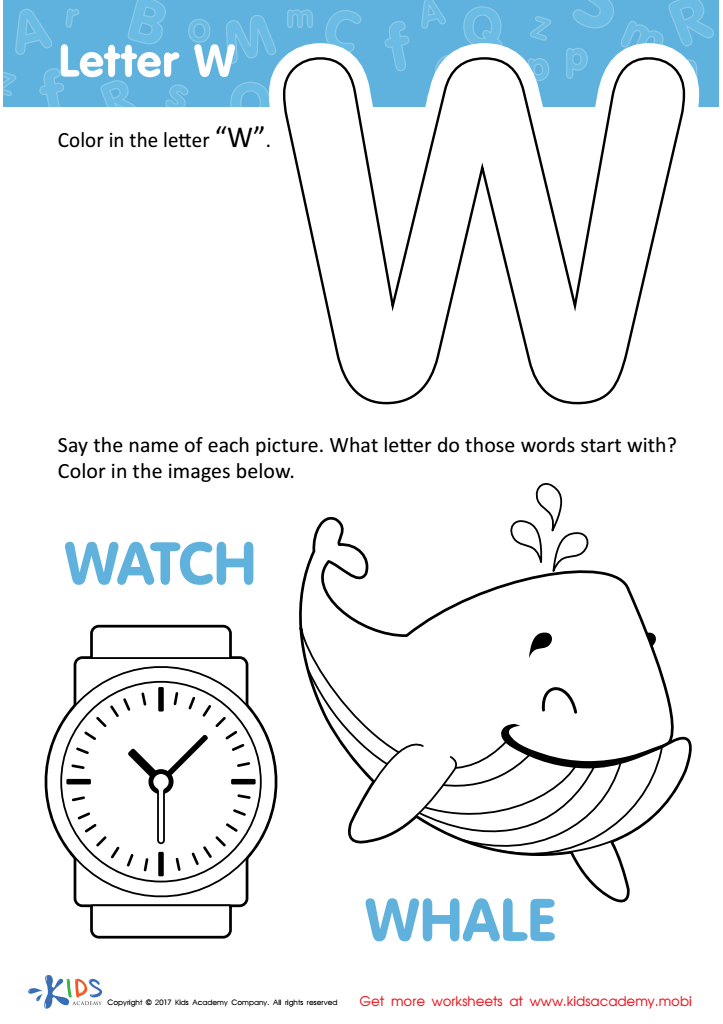
Letter W Coloring Sheet
 Assign to My Students
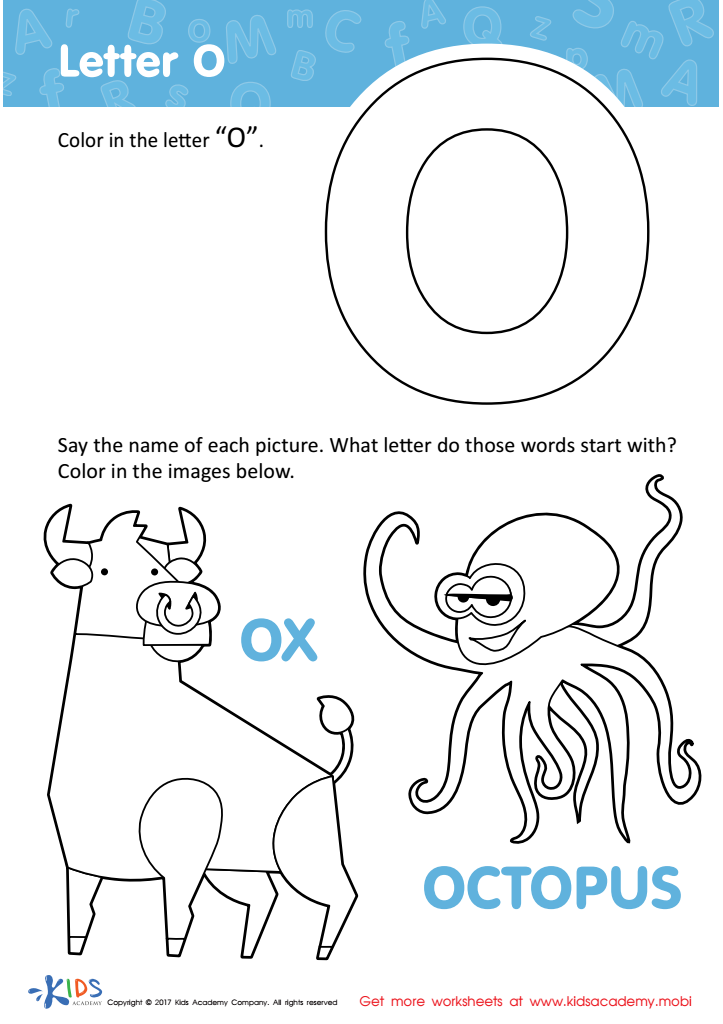
Letter O Coloring Sheet
Assign to My Students

Lowercase Letters m n o Worksheet
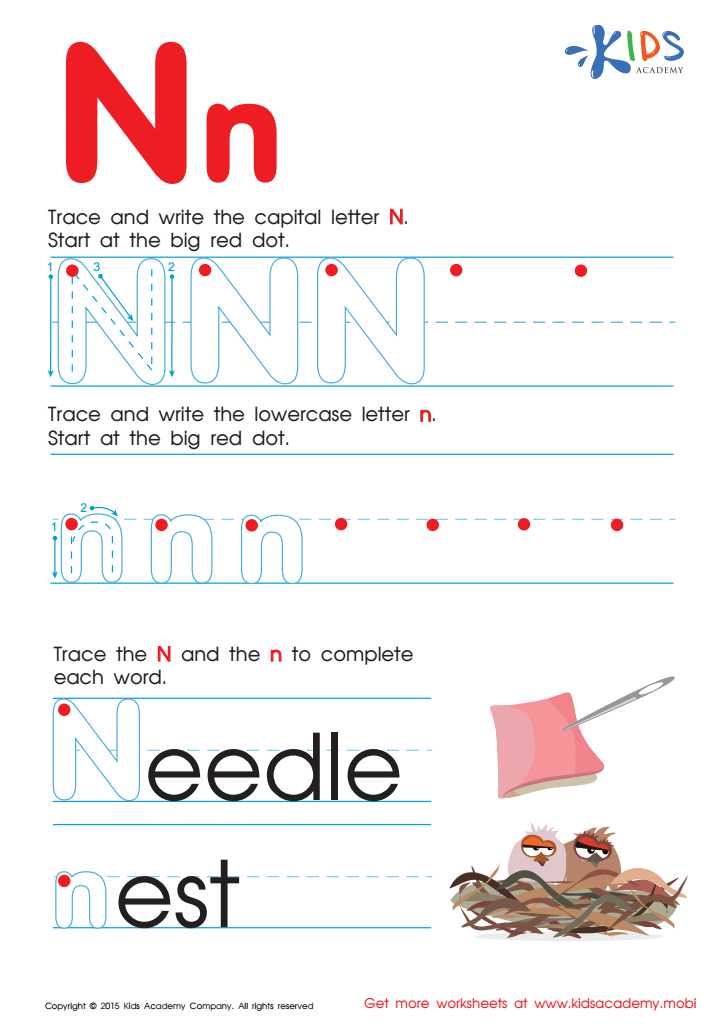
Letter N Tracing Page
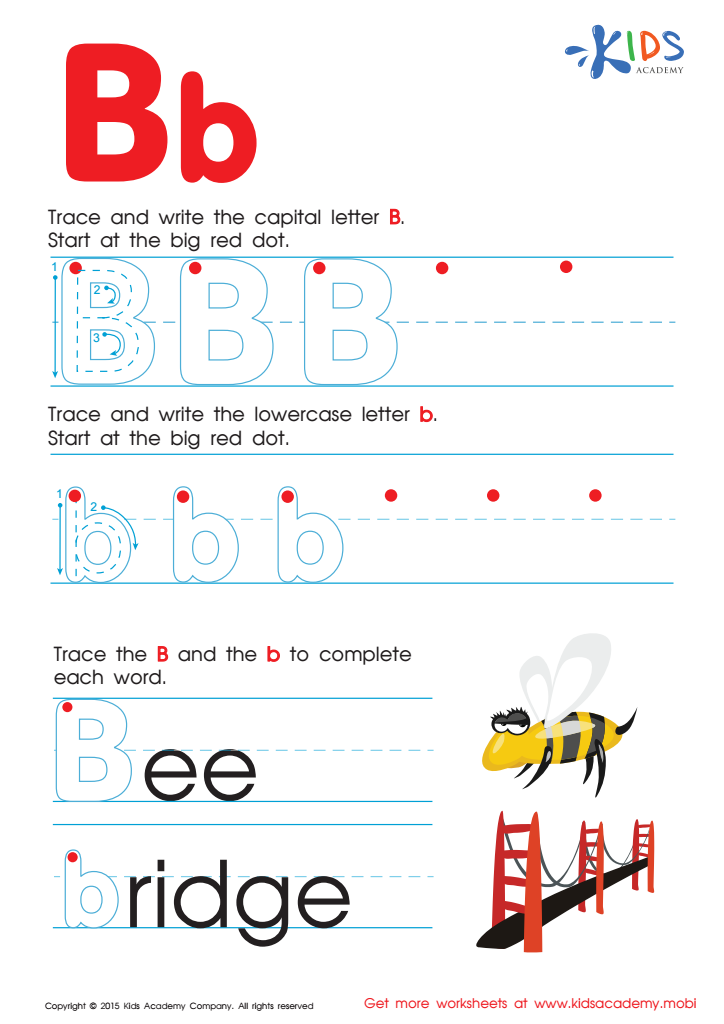
Letter B Tracing Page
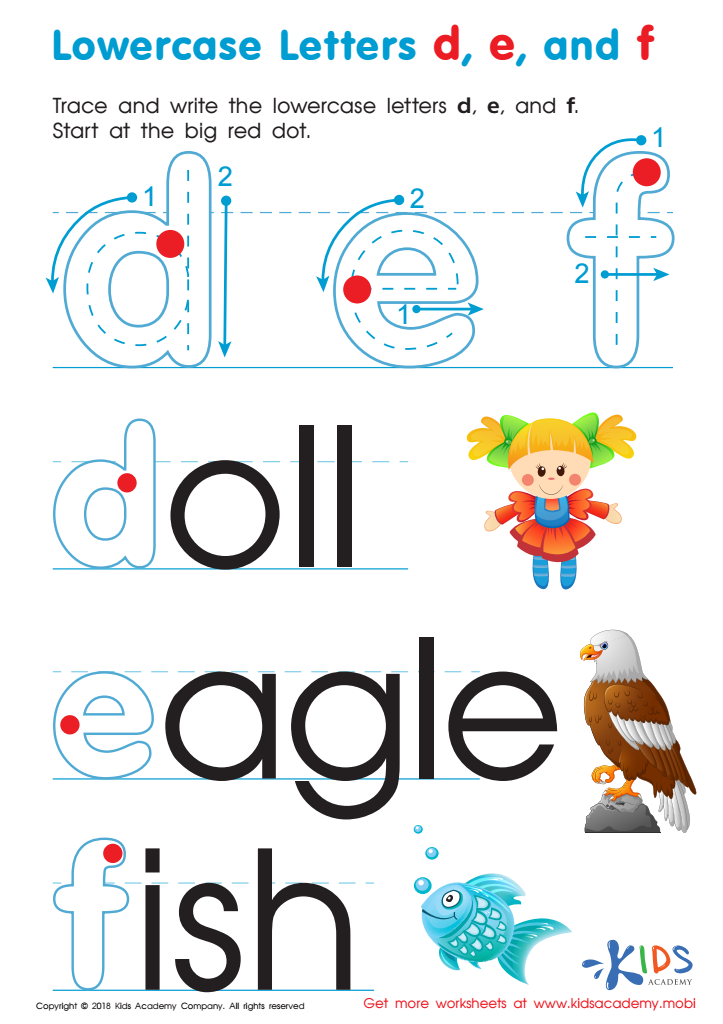
Lowercase Letters d e f Worksheet
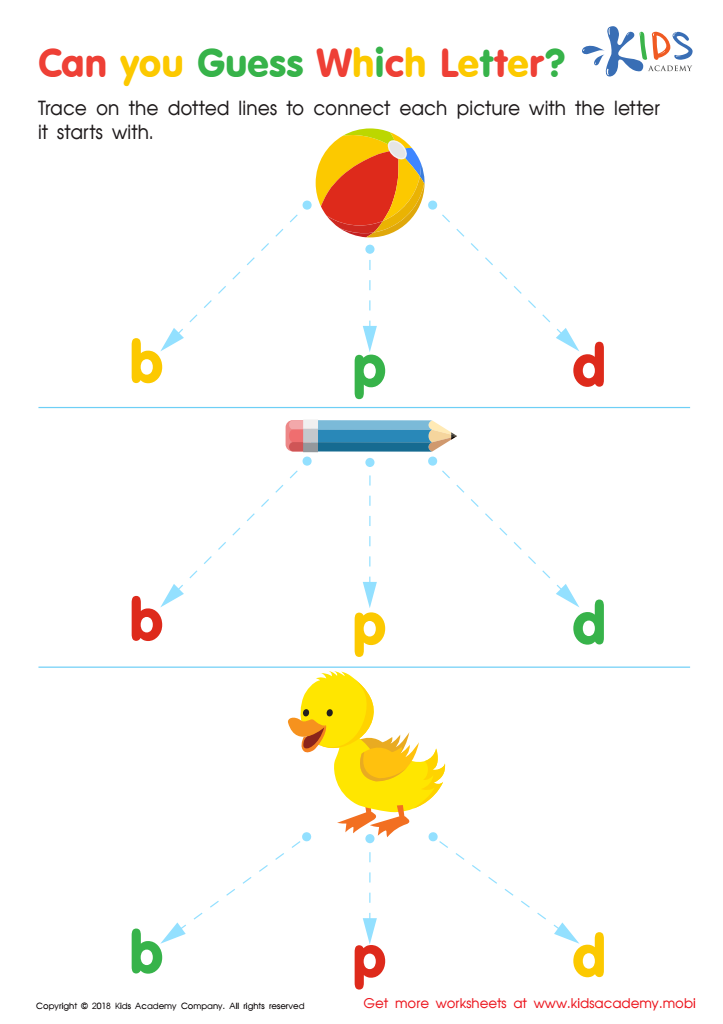
Can you Guess Which Letter? Worksheet
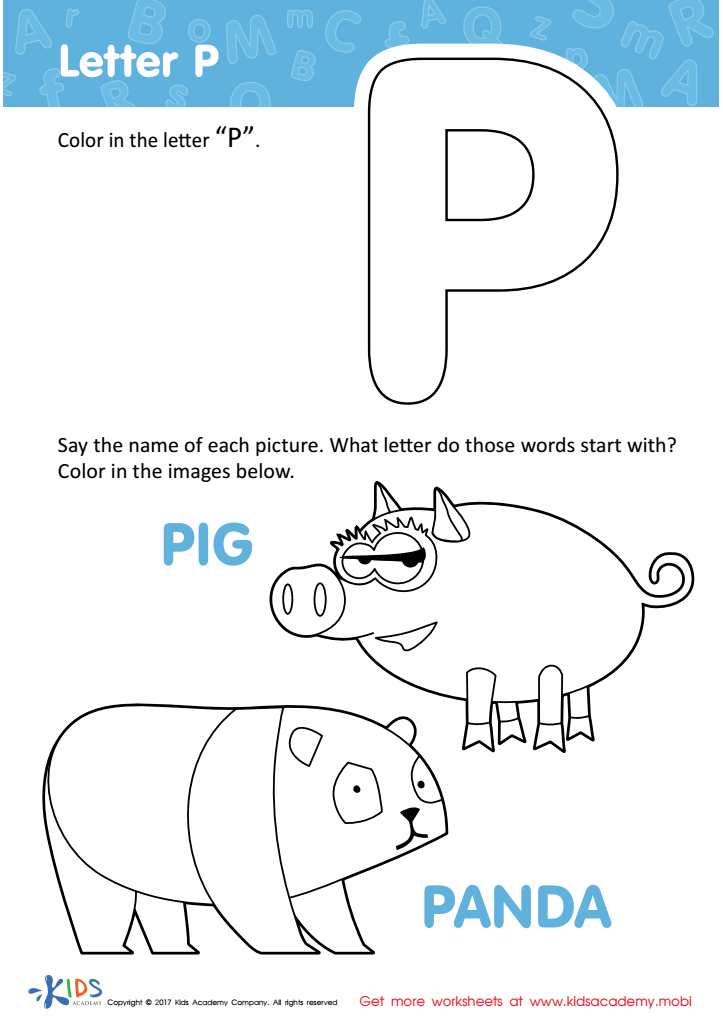
Letter P Coloring Sheet
Assign to My Students
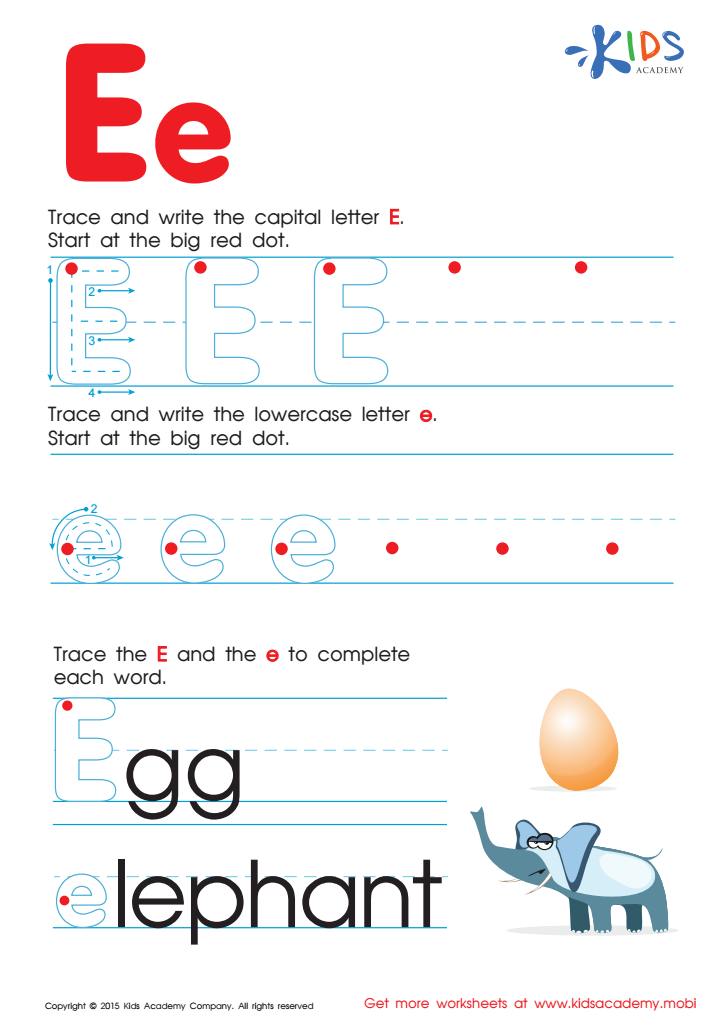
Letter E Tracing Page
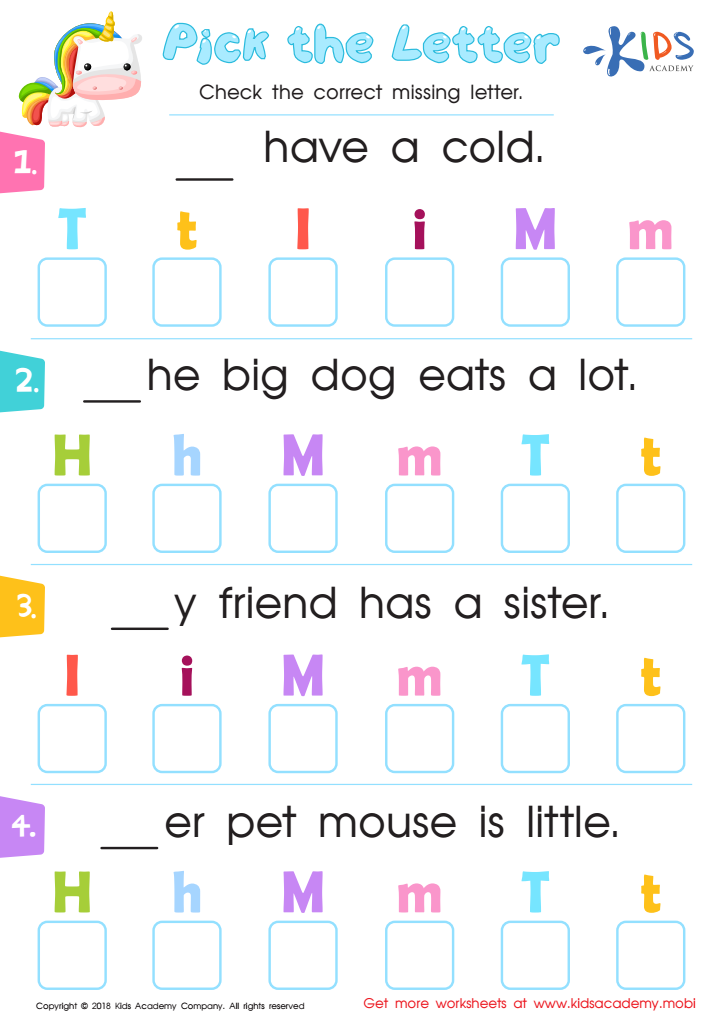
Pick the Letter Worksheet
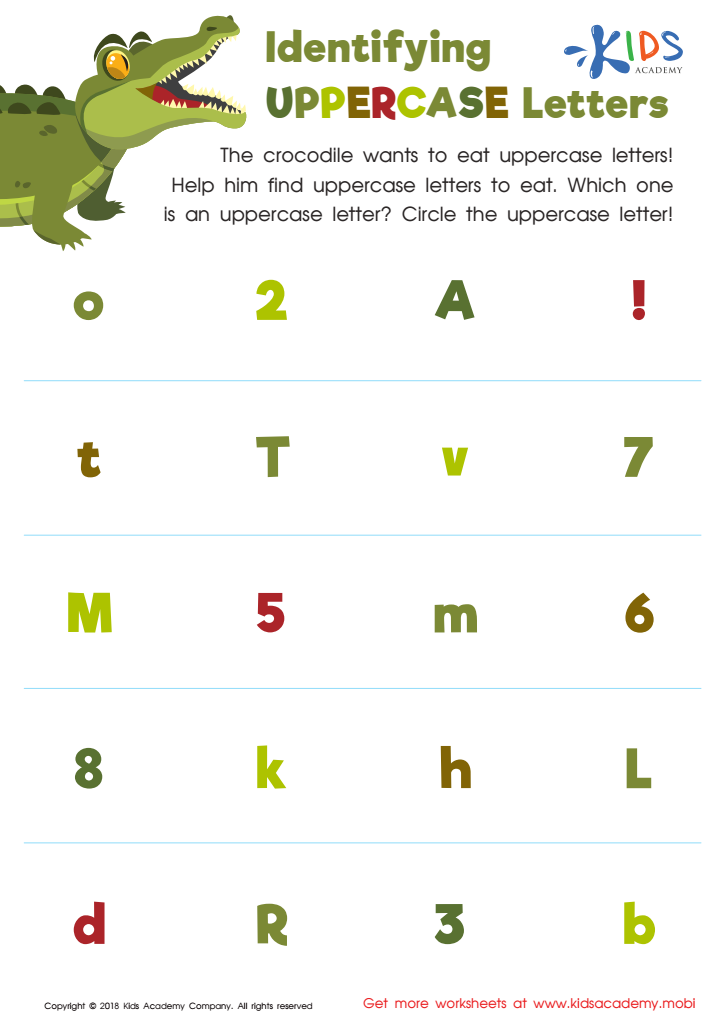
Identifying Uppercase Letters Worksheet
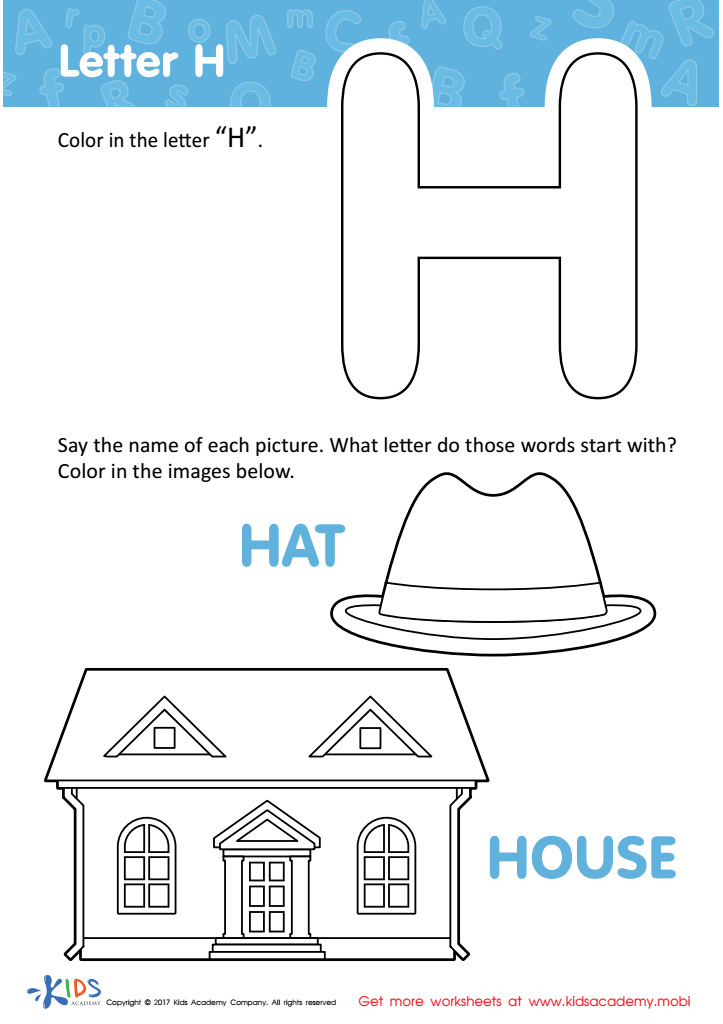
Letter H Coloring Sheet
Assign to My Students
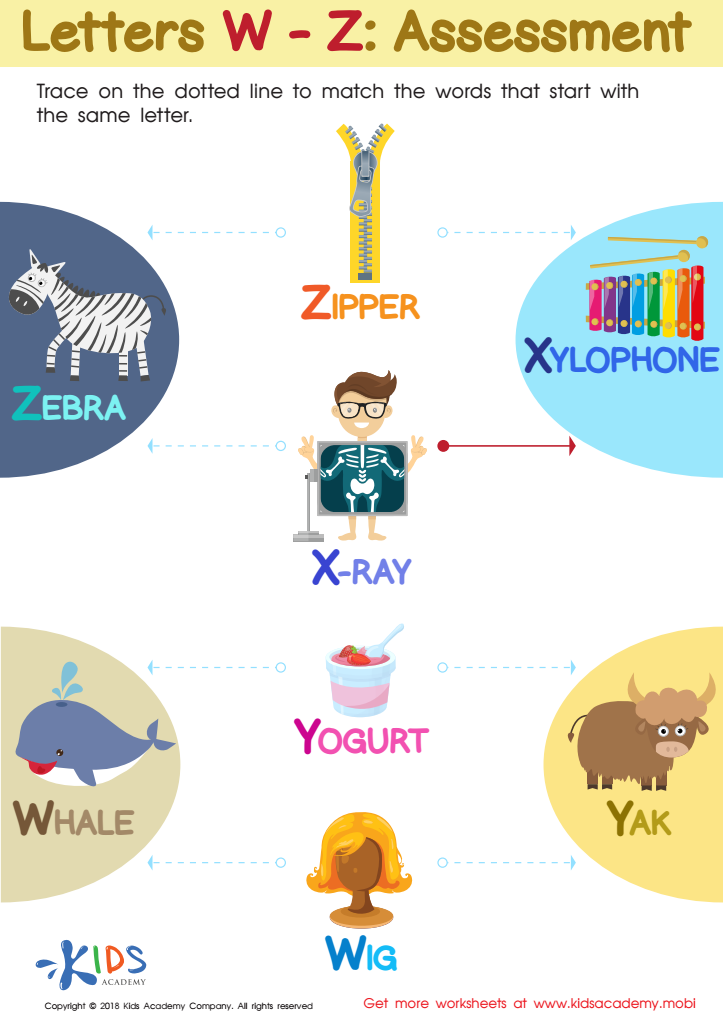
Letters W–Z Tracing Worksheet
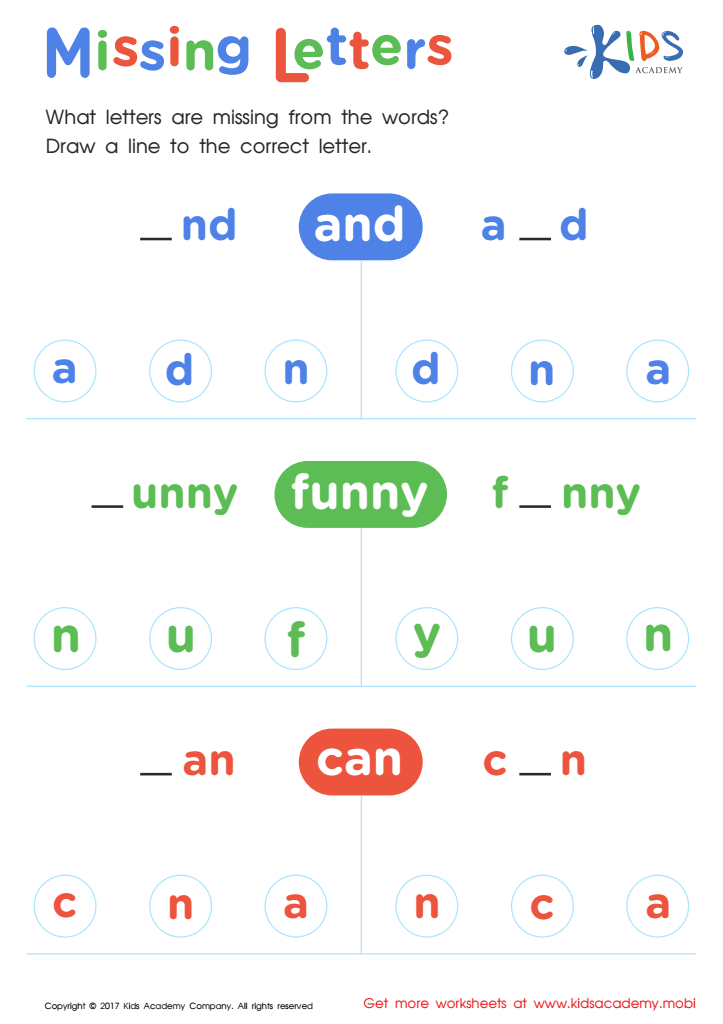
Missing Letters Worksheet
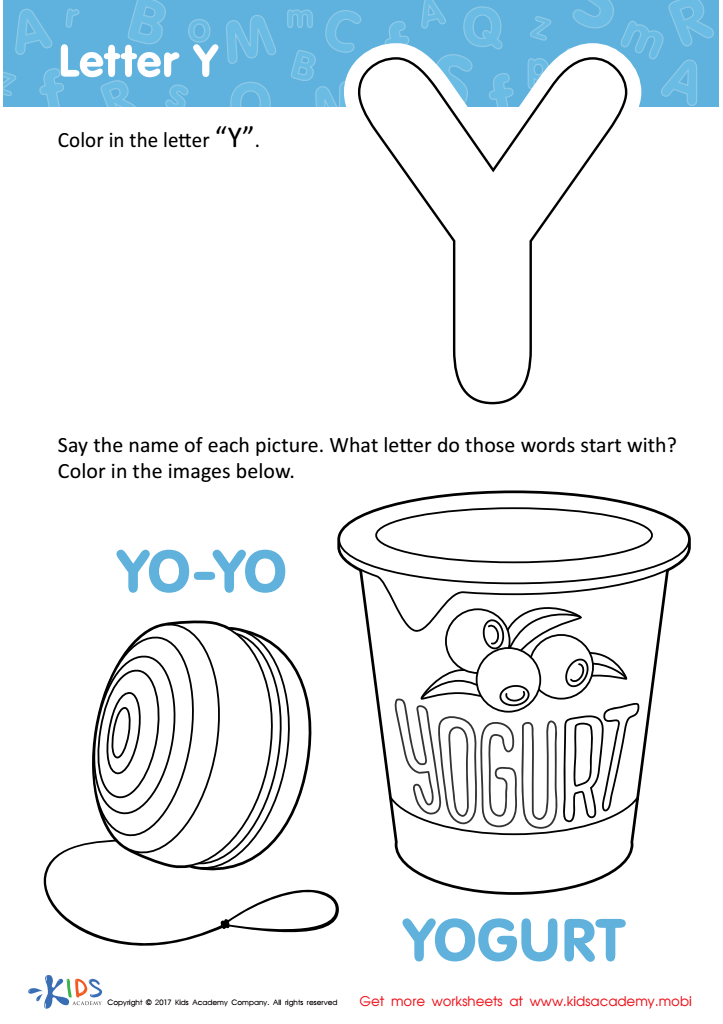
Letter Y Coloring Sheet
Assign to My Students
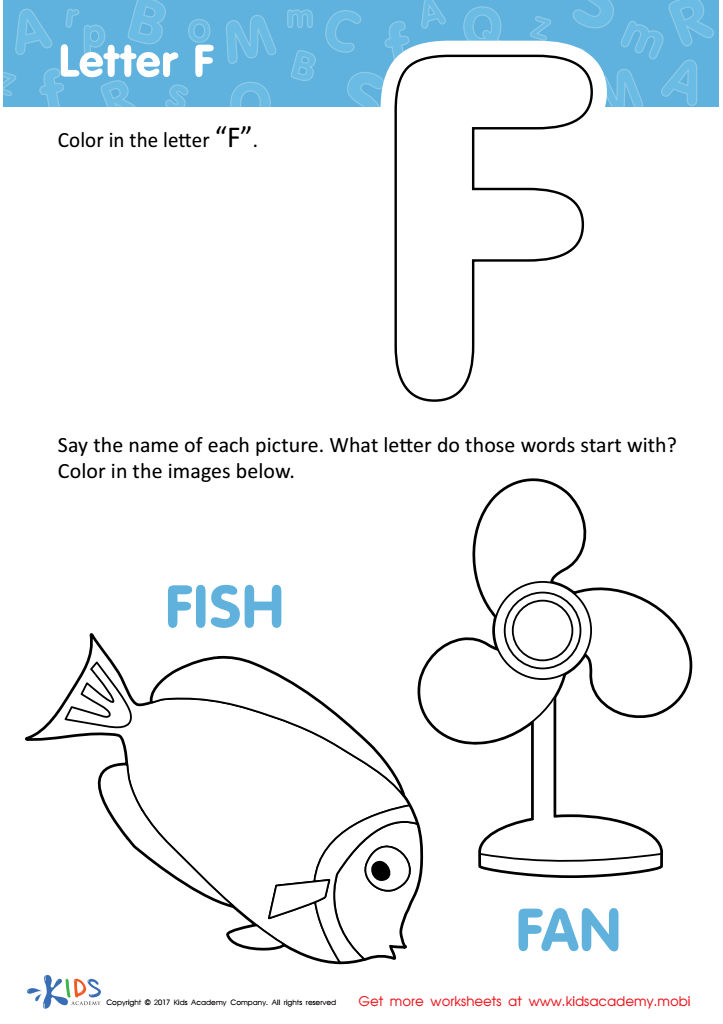
Letter F Coloring Sheet
Assign to My Students
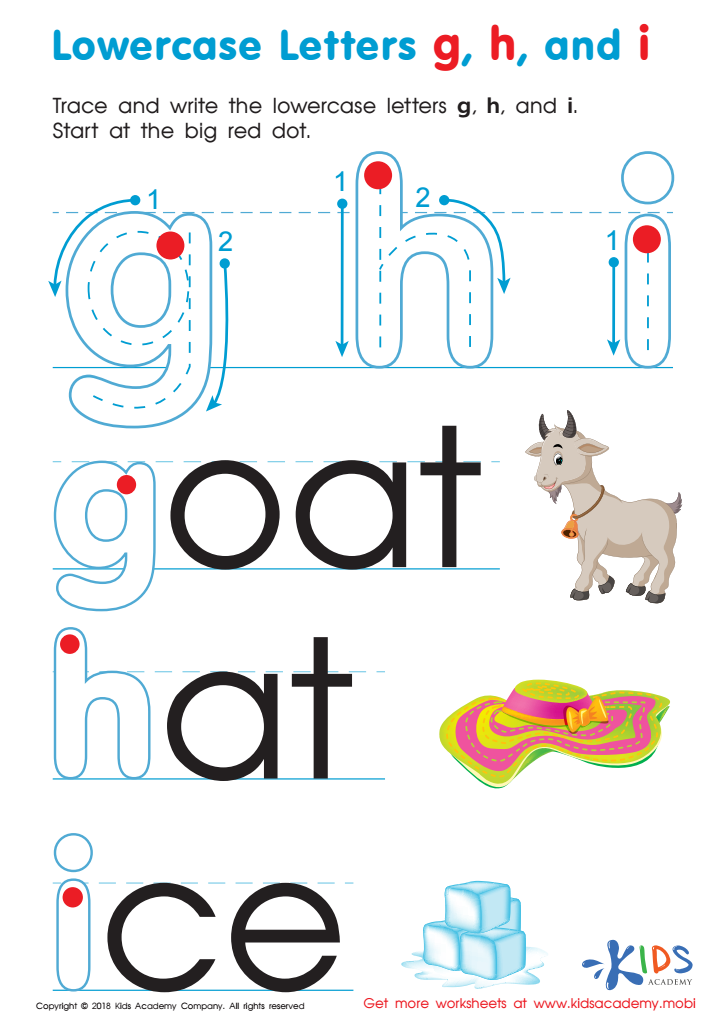
Lowercase Letters g h i Worksheet
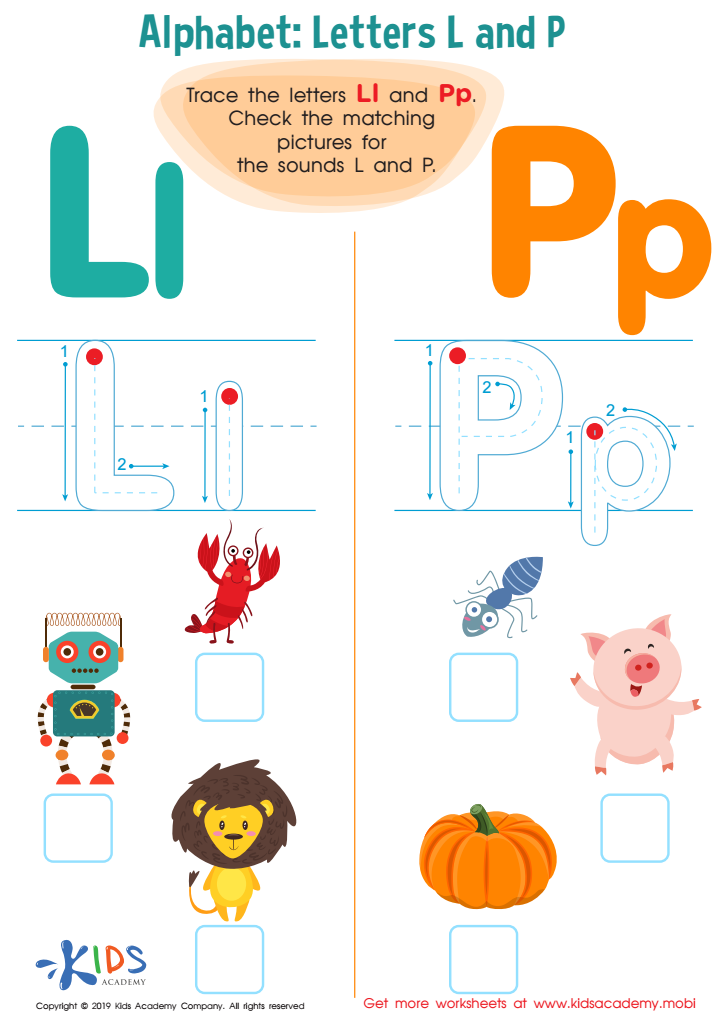
Letter L and P Tracing Worksheet
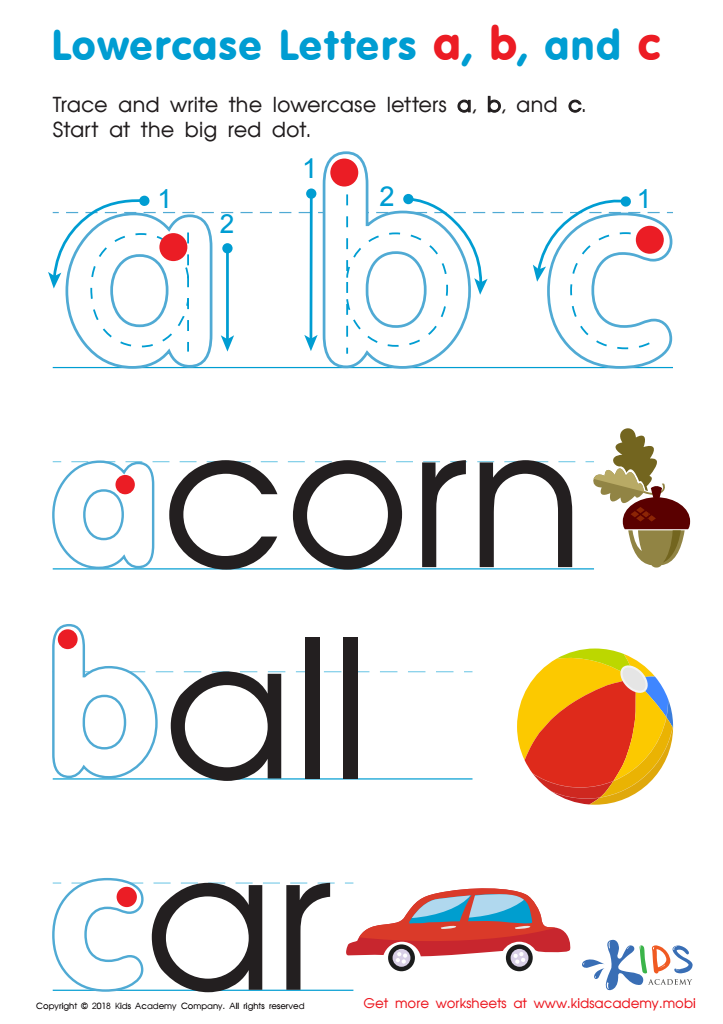
Lowercase Letters a b c Worksheet
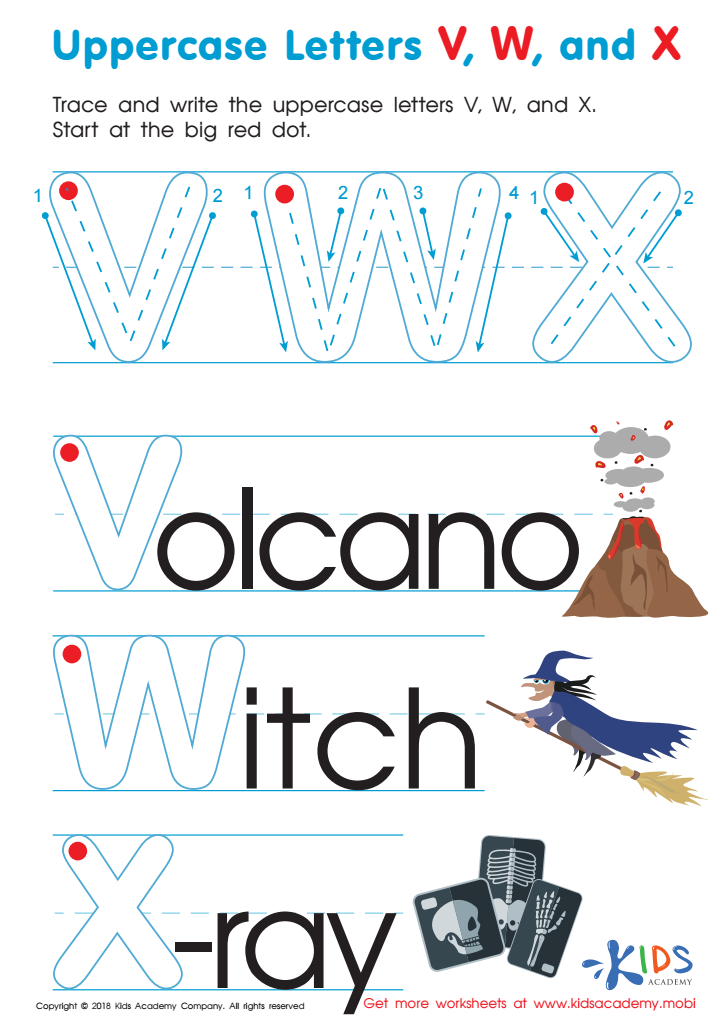
Uppercase Letters V, W, and X Worksheet








Alphabet recognition is a cornerstone of early childhood education, laying the foundation for future literacy and academic success. For children ages 3-6, understanding and identifying letters are crucial first steps toward becoming proficient readers and writers. When parents and teachers focus on alphabet recognition, they are helping children develop essential pre-reading skills, such as phonemic awareness and the ability to recognize letter sounds, which are critical for decoding words later on.
Besides basic reading skills, knowing the alphabet enhances a child's ability to communicate. Letter recognition activities strengthen memory and cognitive skills, promoting a connection between a child's visual memory and their verbal skills. Engaging in playful and creative alphabet learning—such as singing alphabet songs, playing matching games, or creating colorful letter art—makes learning enjoyable and encourages a lifelong love of reading.
Socially, being able to recognize and write letters can boost a child's confidence. Tasks like writing their name or identifying letters in books they read with parents and teachers allow young learners to participate more fully in classroom activities and daily conversations.
In summary, a strong foundation in alphabet recognition arms children with the skills they need for continued educational development, communication, and self-confidence. It's an investment in their future learning journey.







