Fine Motor Skills Letter Recognition Worksheets for Ages 3-6 - Page 3
63 filtered results
-
From - To
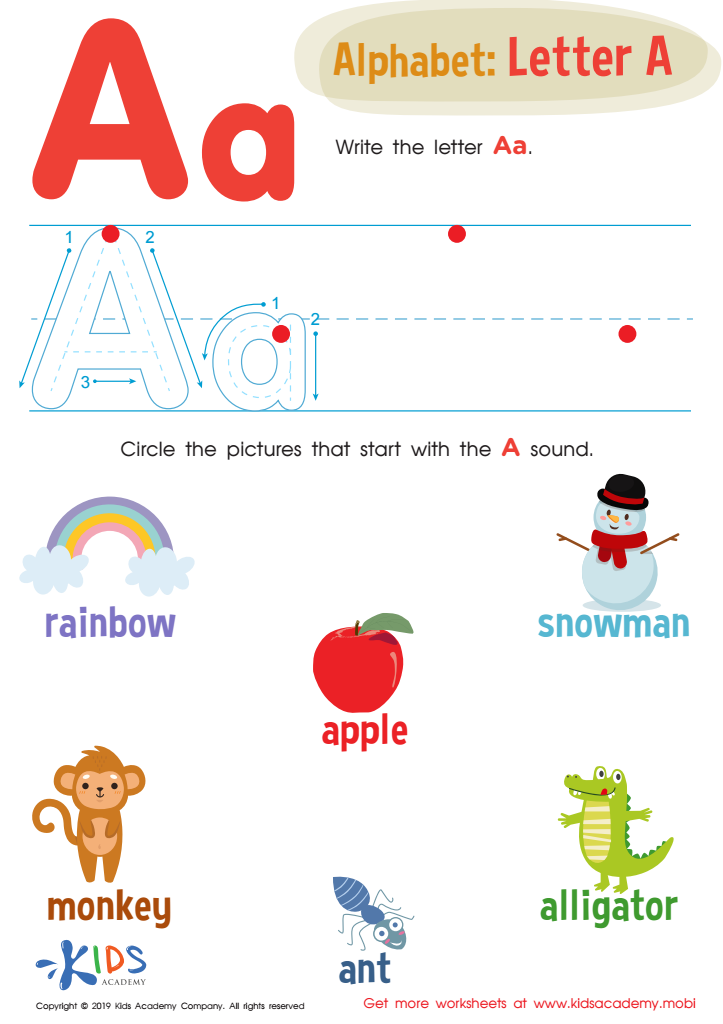
Letter A Tracing Worksheet
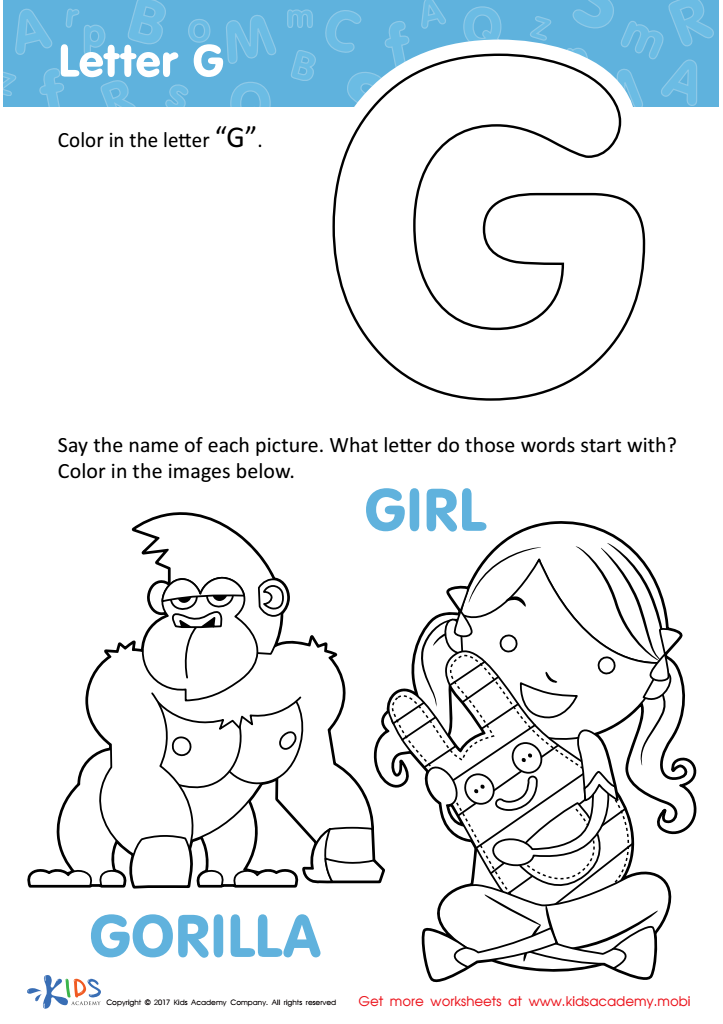
Letter G Coloring Sheet
 Assign to My Students
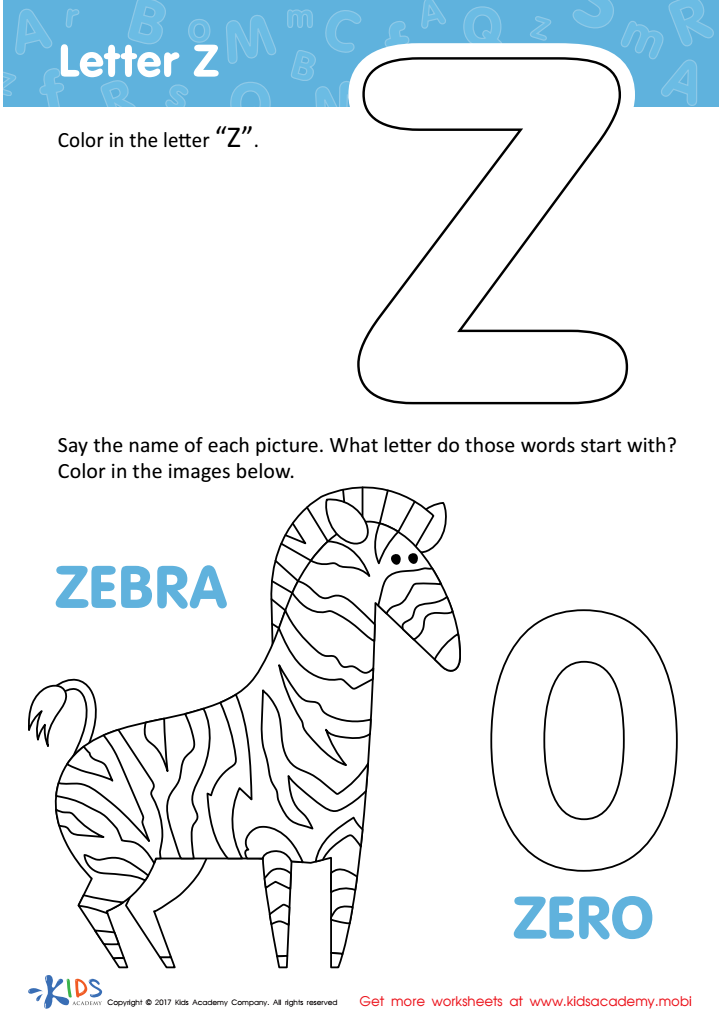
Letter Z Coloring Sheet
Assign to My Students
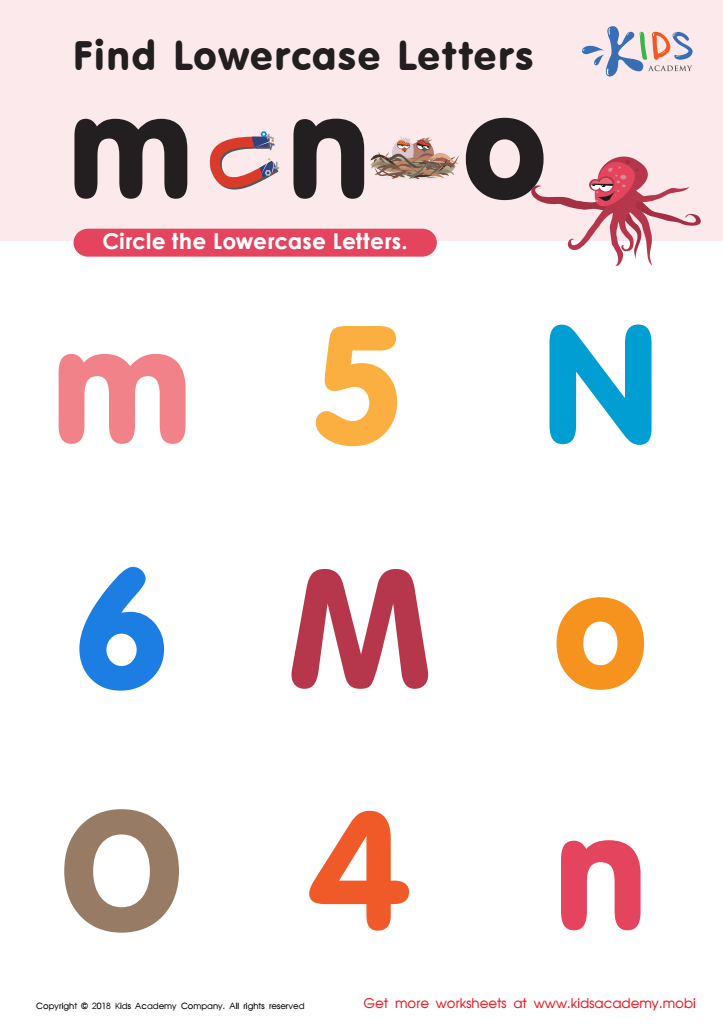
Find Lowercase Letters m n o Worksheet
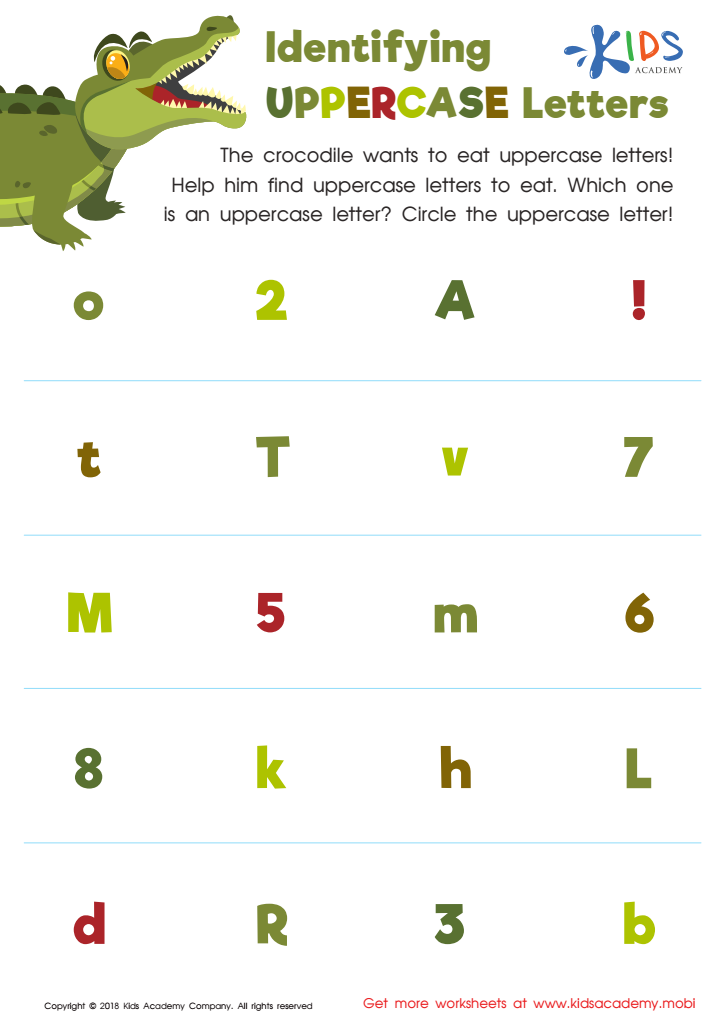
Identifying Uppercase Letters Worksheet
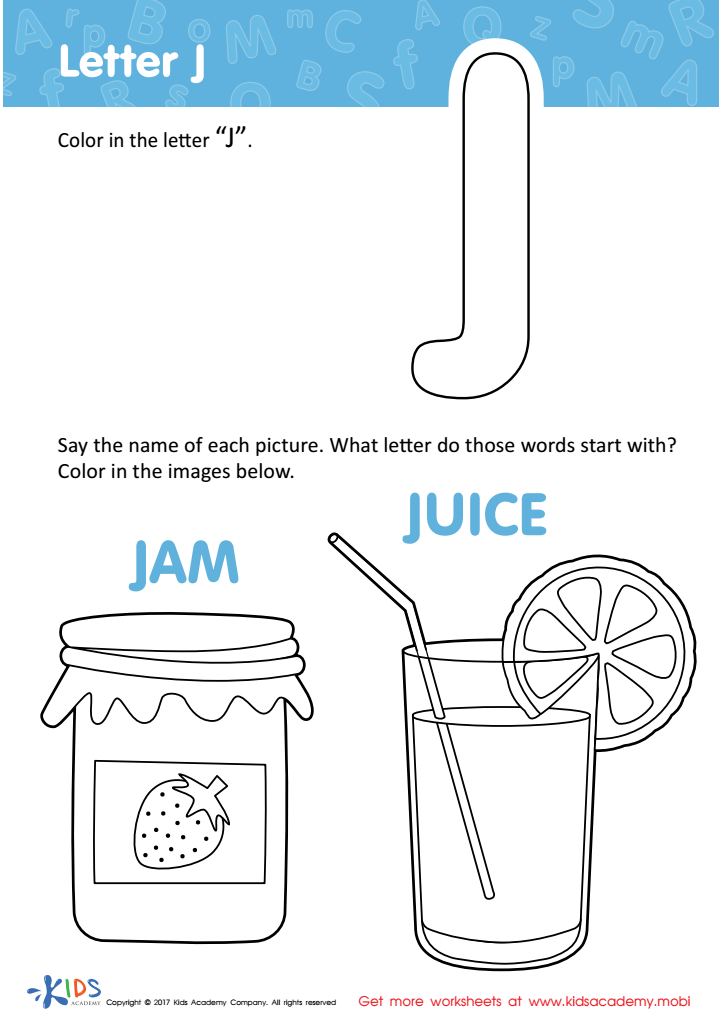
Letter J Coloring Sheet
Assign to My Students
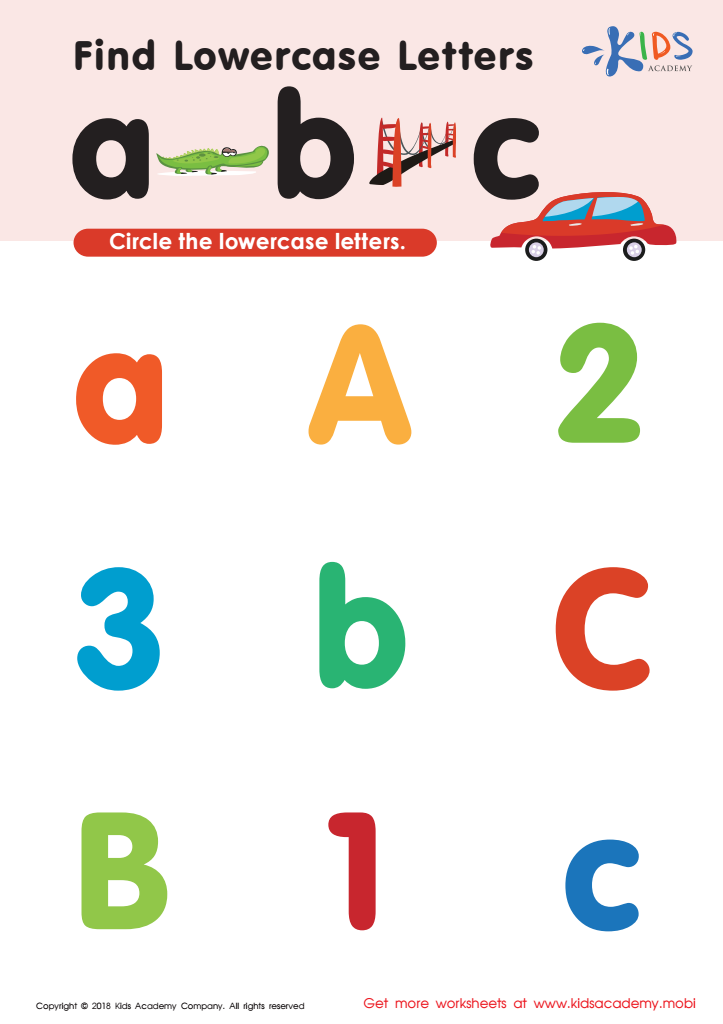
Find lowercase letters a b c Worksheet
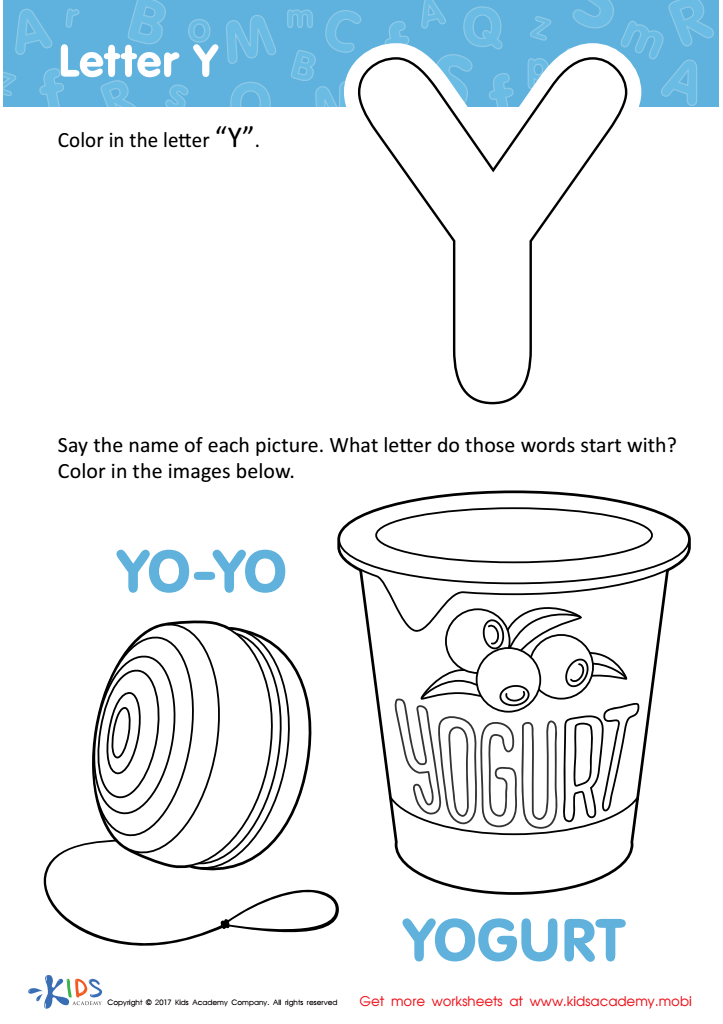
Letter Y Coloring Sheet
Assign to My Students
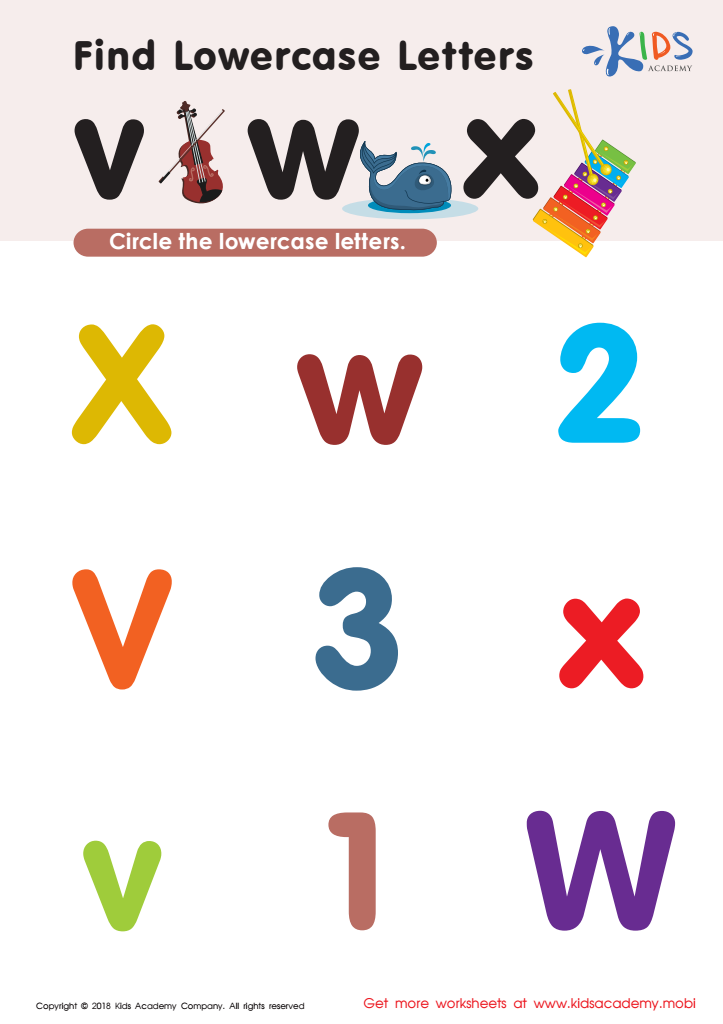
Find Lowercase Letters v w x Worksheet
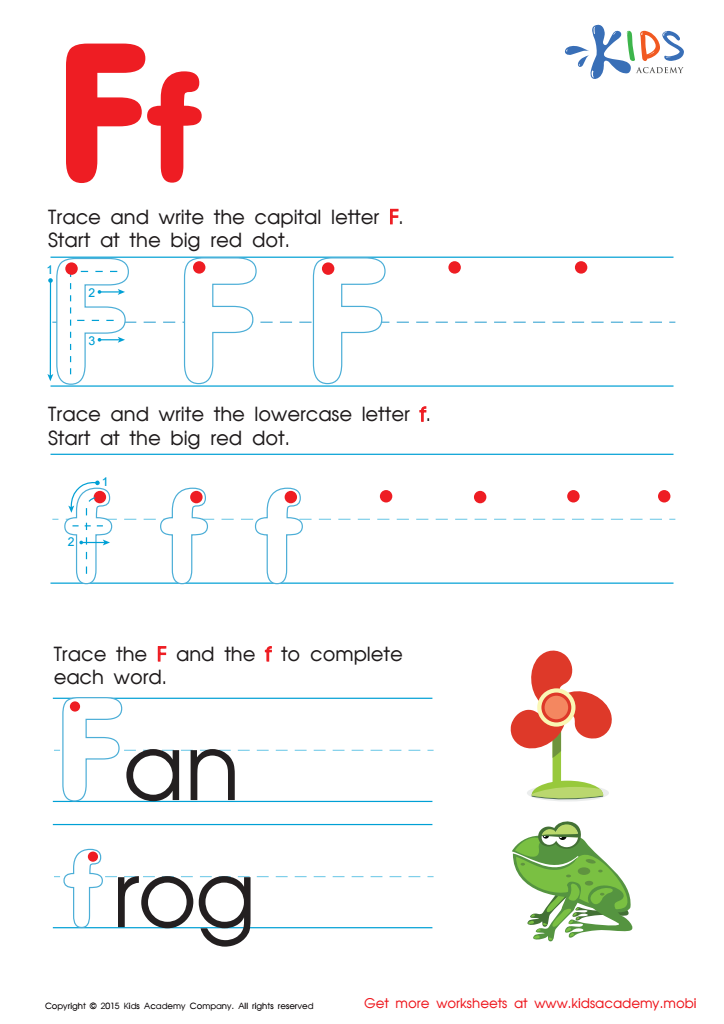
Letter F Tracing Page
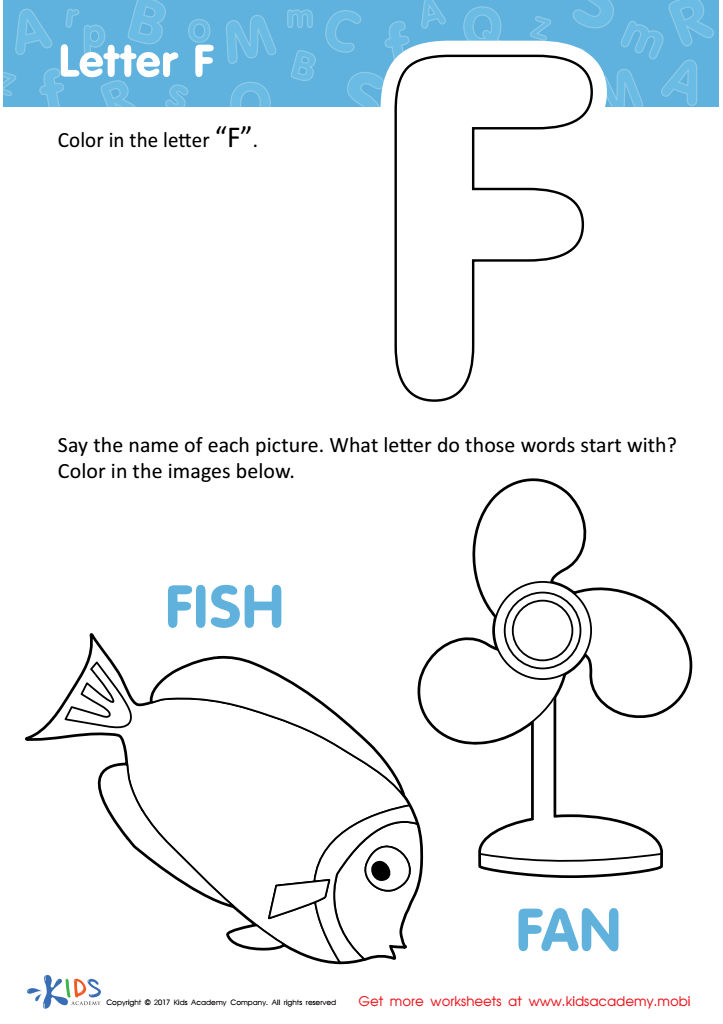
Letter F Coloring Sheet
Assign to My Students
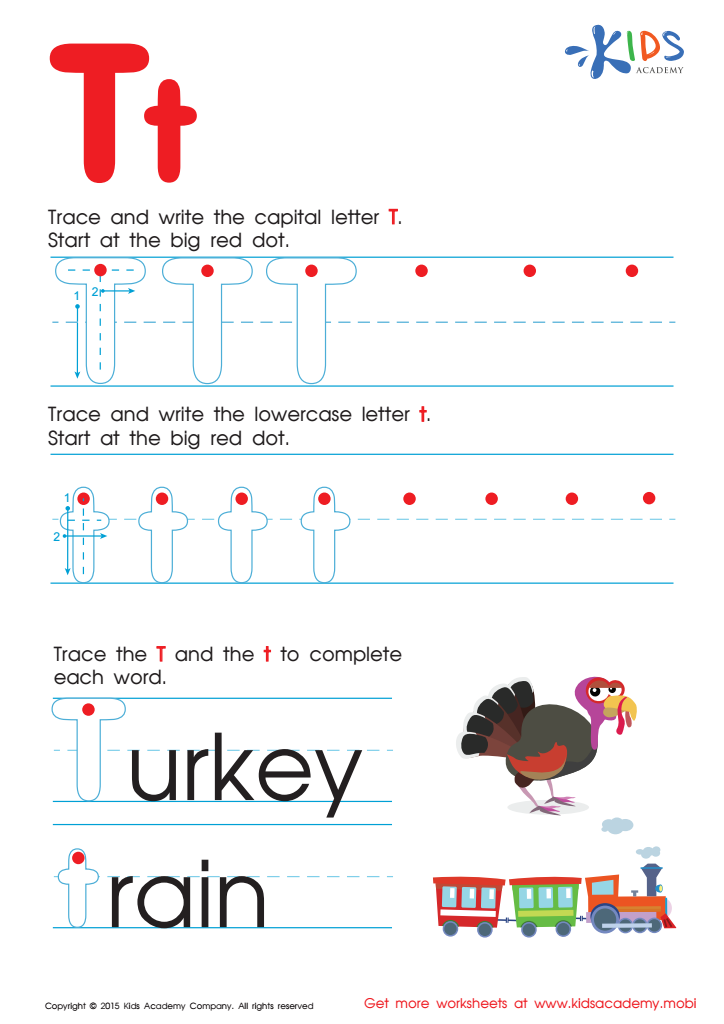
Letter T Tracing Page
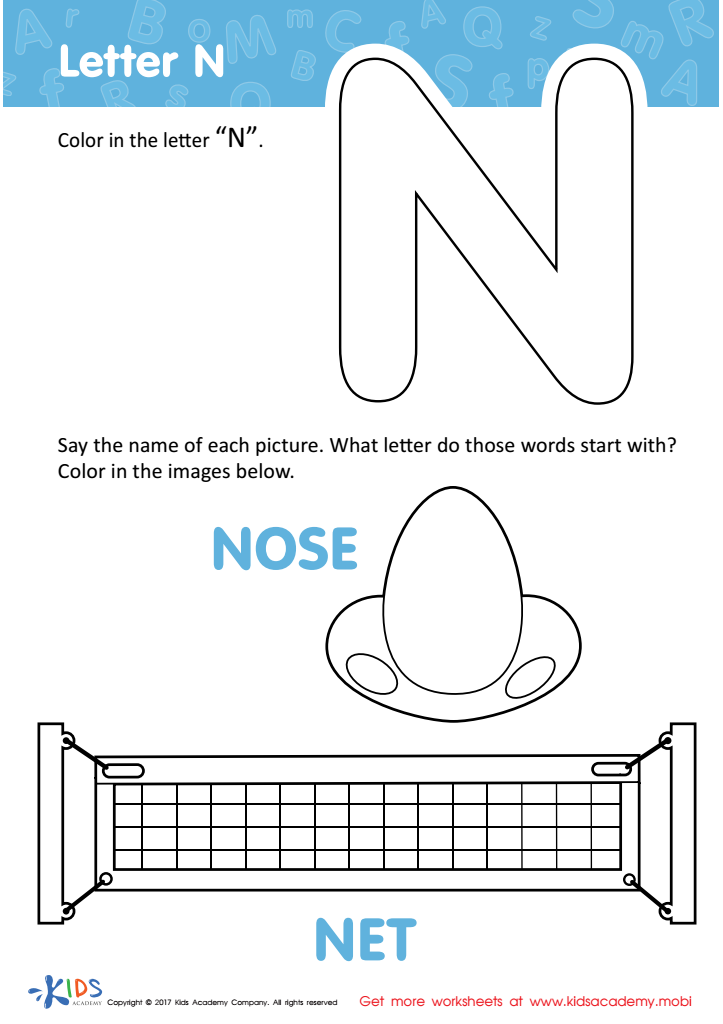
Letter N Coloring Sheet
Assign to My Students

Letter D Tracing Page
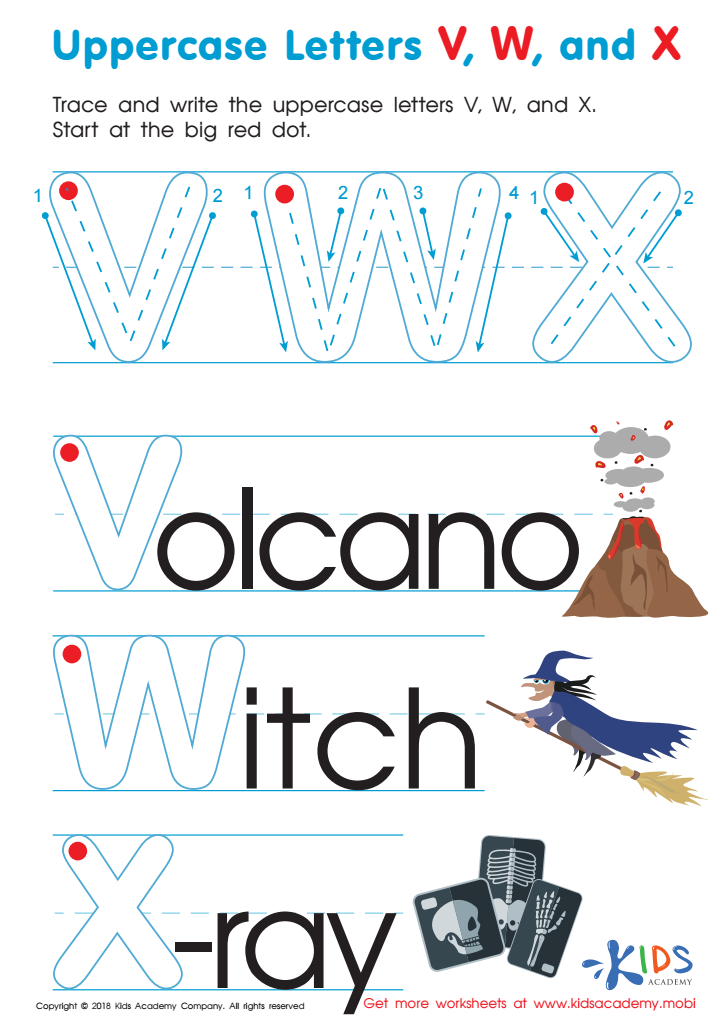
Uppercase Letters V, W, and X Worksheet








Fine motor skills and letter recognition are foundational abilities that serve as building blocks for a child's academic and personal success. Parents and teachers should prioritize the development of fine motor skills in children aged 3-6, as these skills are crucial for tasks such as writing, cutting with scissors, and buttoning clothes. Activities like drawing, coloring, and playing with small objects enhance hand-eye coordination, dexterity, and muscle control in children, making future tasks easier and more efficient.
Simultaneously, letter recognition is a key component of early literacy. Recognizing letters and understanding their corresponding sounds pave the way for reading and writing proficiency. Children who can identify letters accurately are more likely to develop strong reading skills, which are vital for academic performance across all subjects. Engaging children in letter recognition activities—such as tracing letters, playing alphabet games, and practicing phonics—helps to create a solid literacy foundation.
Together, the development of fine motor skills and letter recognition form a critical part of early childhood education. Investing time and effort into cultivating these abilities can boost a child's confidence, foster a love for learning, and ultimately lead to long-term educational benefits. Encouraging these skills provides children with the tools needed for both academic achievement and everyday tasks.







