Sound Association Letter Sounds Worksheets for Ages 3-6
19 filtered results
-
From - To
Explore "Sound Association Letter Sounds Worksheets for Ages 3-6", designed to make early literacy both fun and educational. Tailored for young learners, these engaging worksheets help children recognize and associate letters with corresponding sounds through interactive activities. Solidify foundational skills crucial for reading development by incorporating visually stimulating and age-appropriate exercises. Perfect for classroom use or homeschooling, these printables facilitate auditory discrimination and phonemic awareness while keeping children captivated. Strengthen your child's language abilities effortlessly with our expert-crafted resources, setting them on the path to successful reading and writing proficiency. Start your child’s phonics journey today!
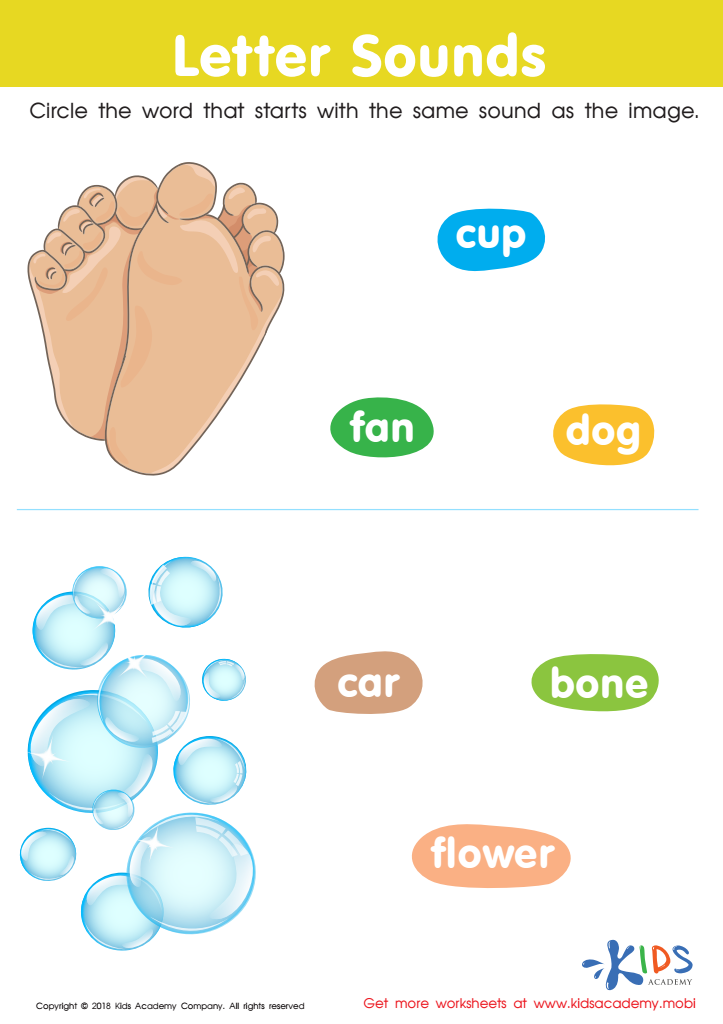
letter sounds Worksheet
 Assign to My Students
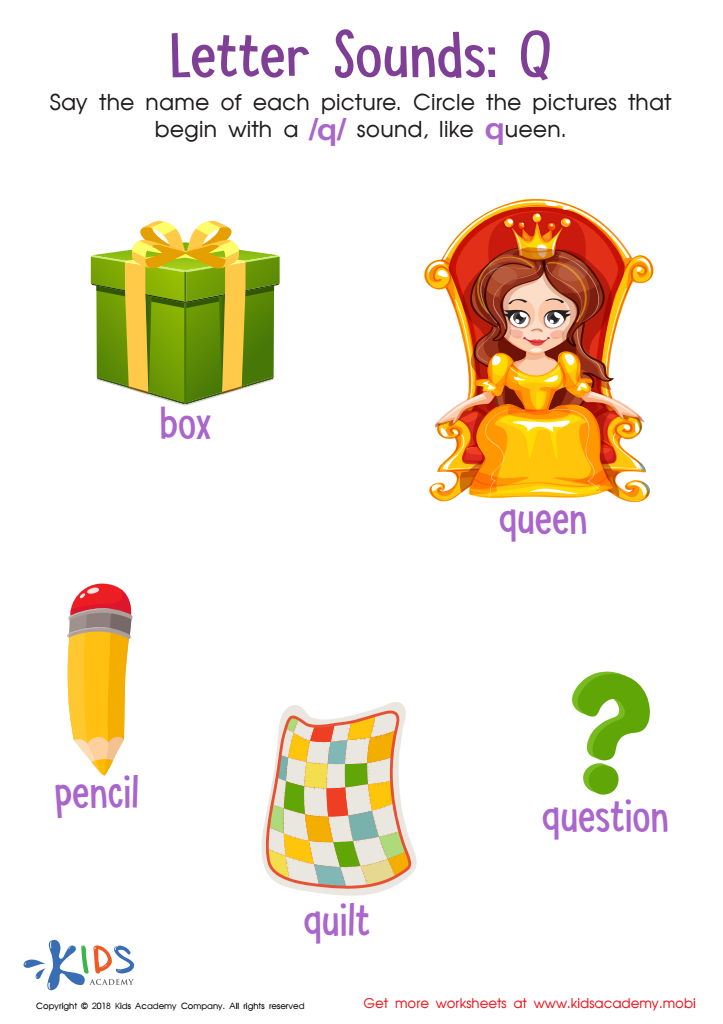
Letter Q Sounds Worksheet
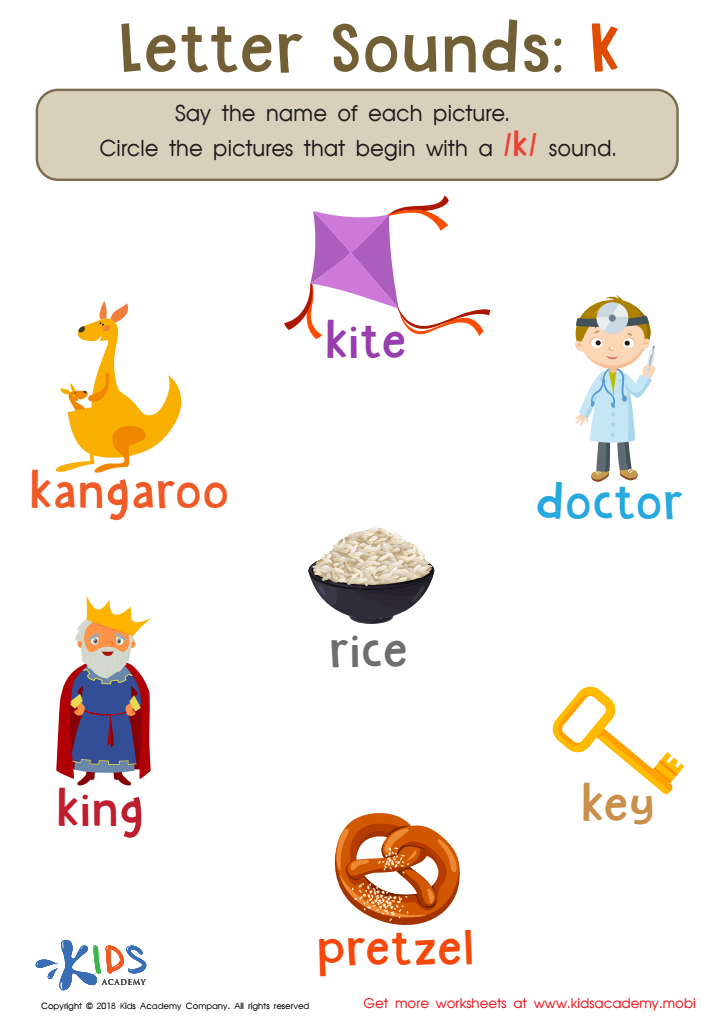
Letter K Sounds Worksheet
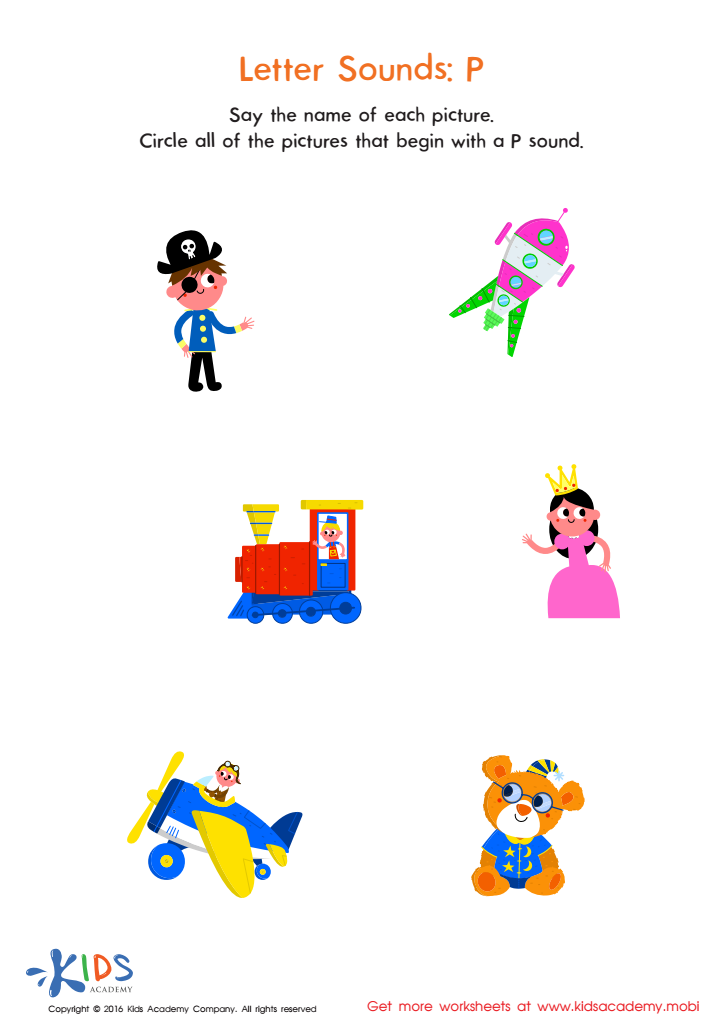
Letter P Sound Worksheet
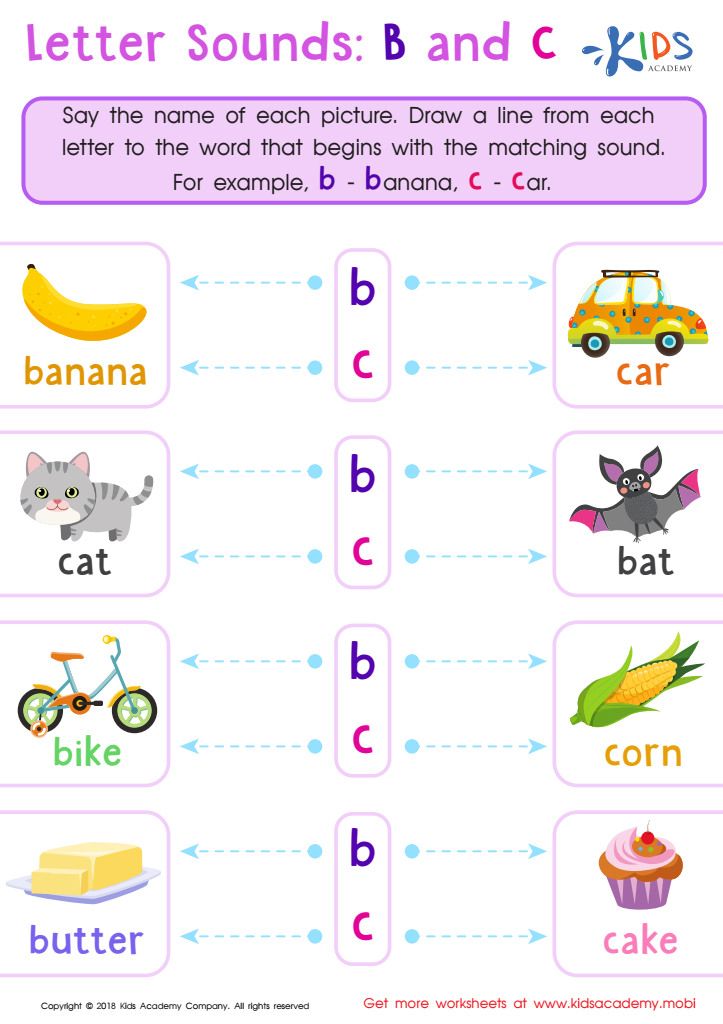
Letter B and C Sounds Worksheet
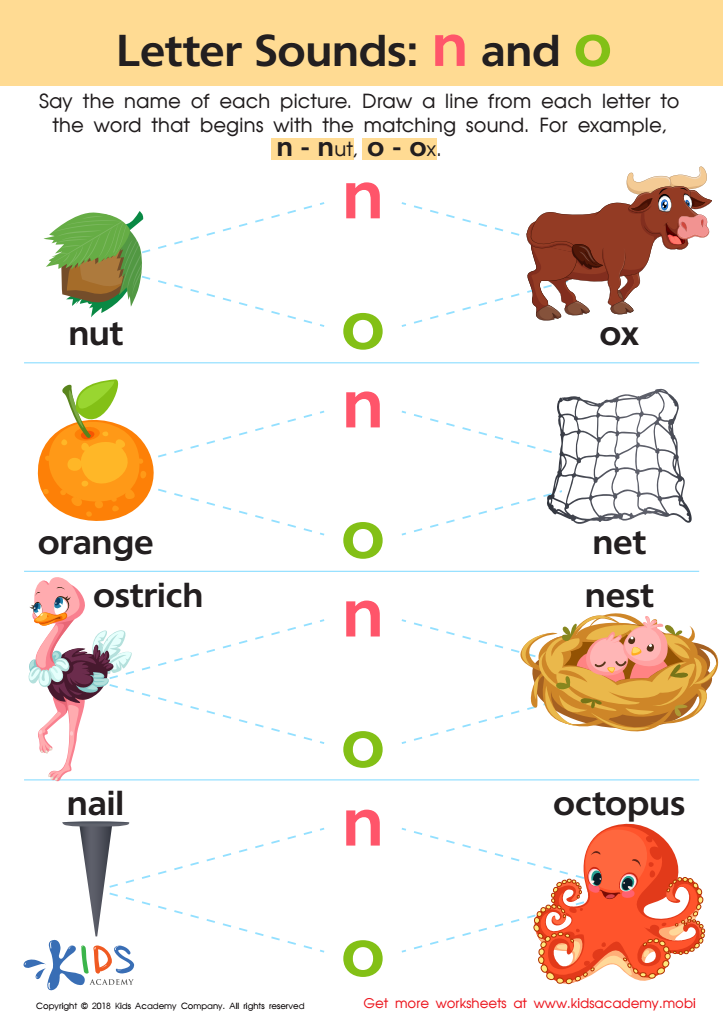
Letter N and O Sounds Worksheet
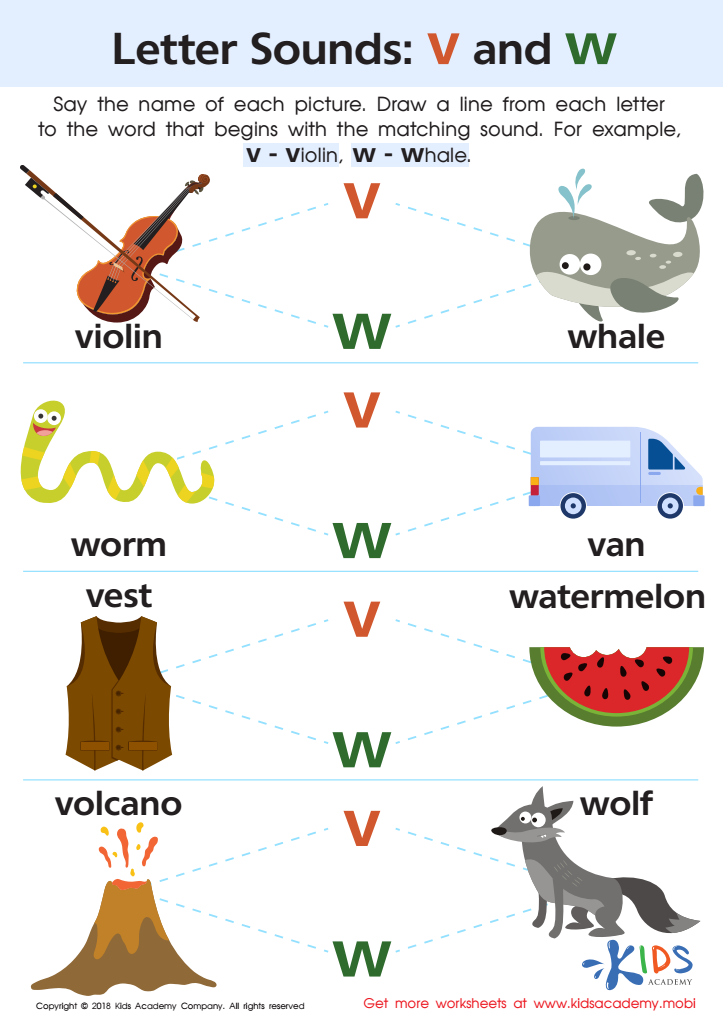
Letter V and W Sounds Worksheet
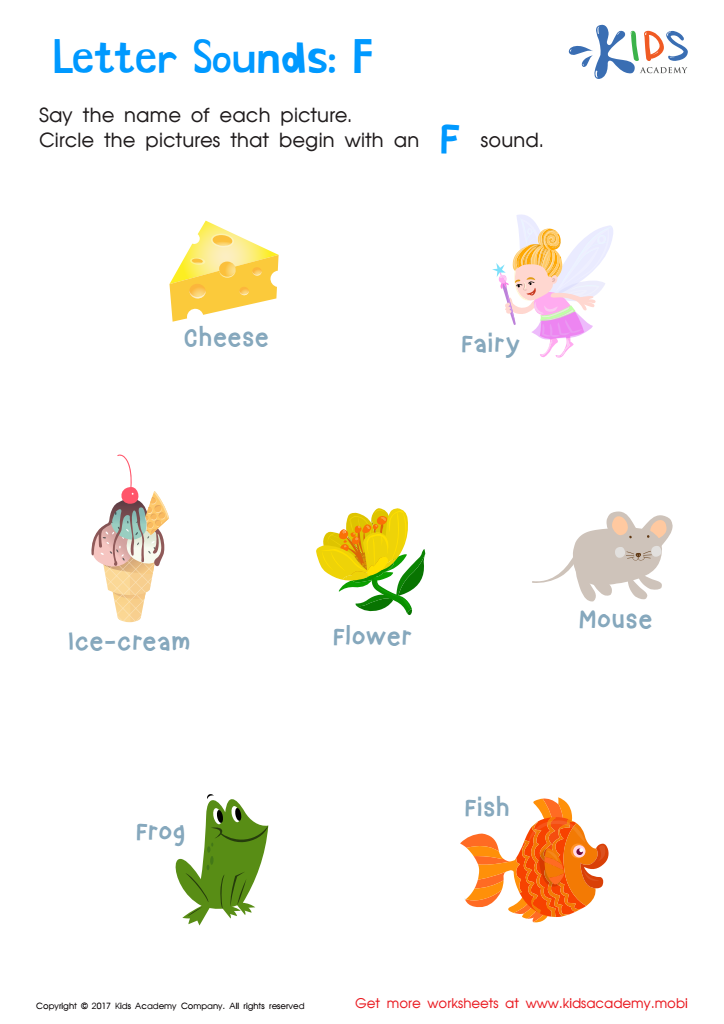
Letter F Sounds Worksheet
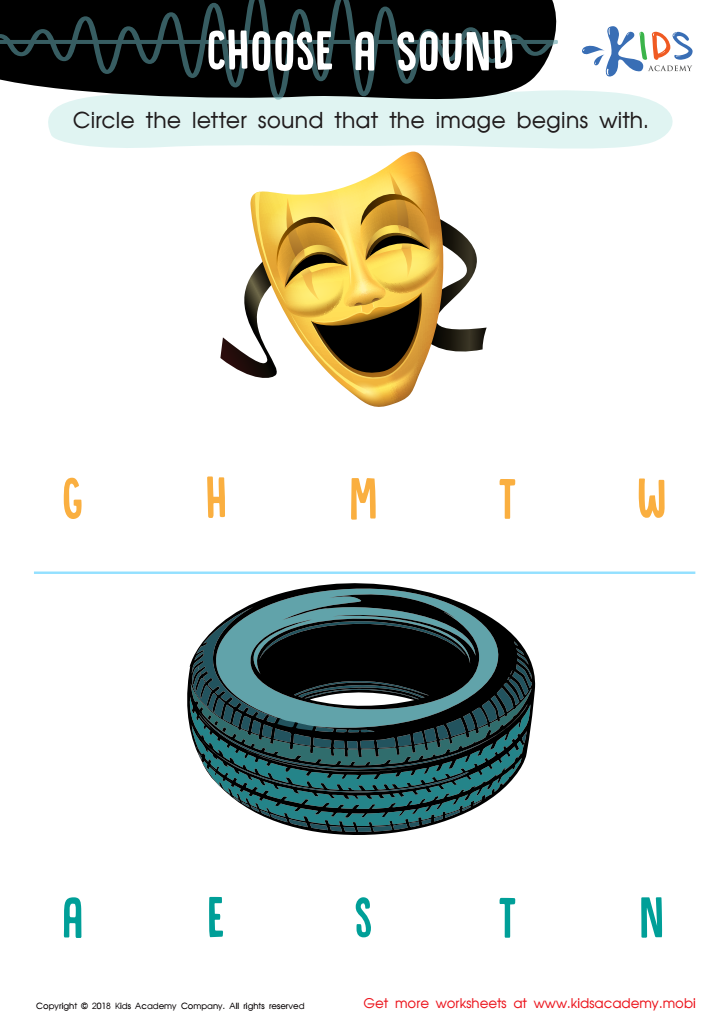
Choose a Sound Worksheet
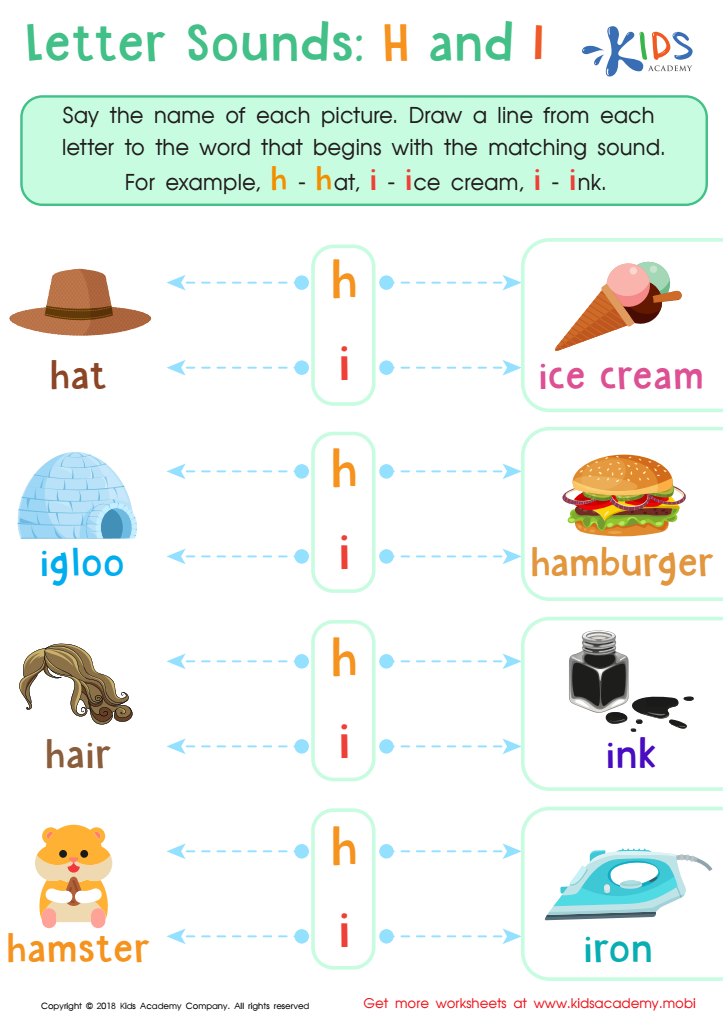
Letter H and I Sounds Worksheet
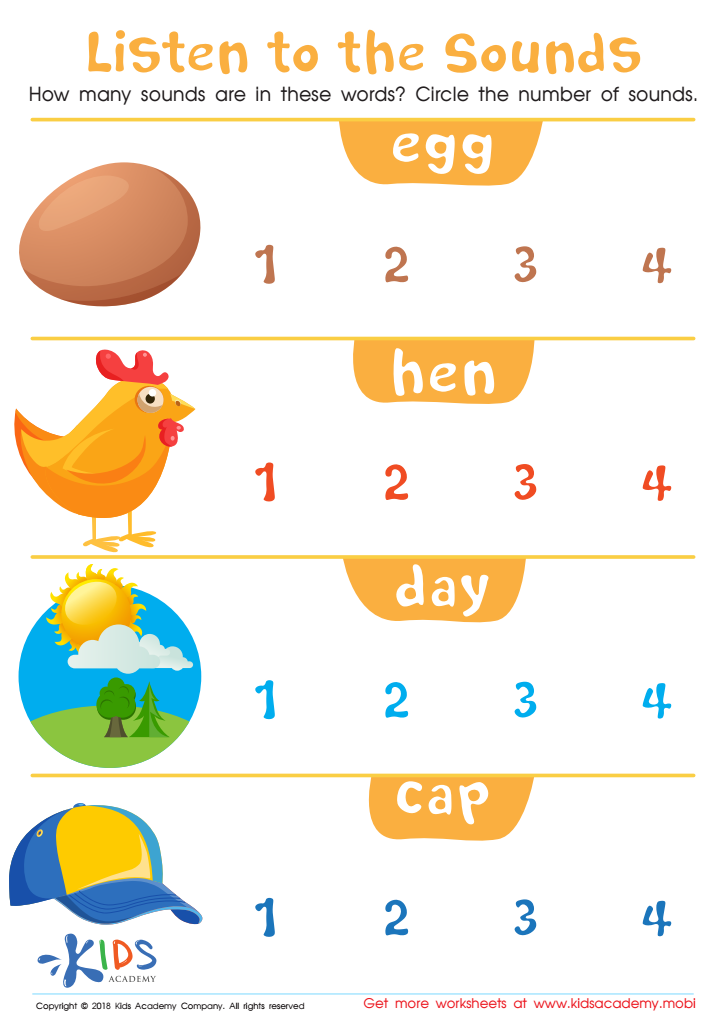
Listen to the Sounds Worksheet
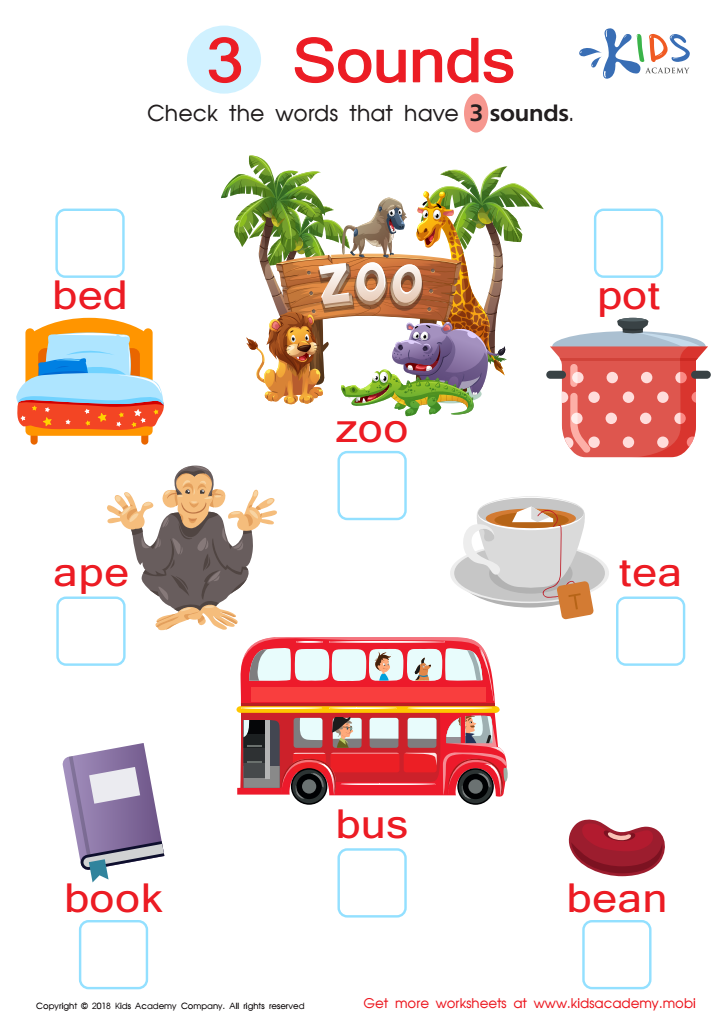
3 Sounds Worksheet
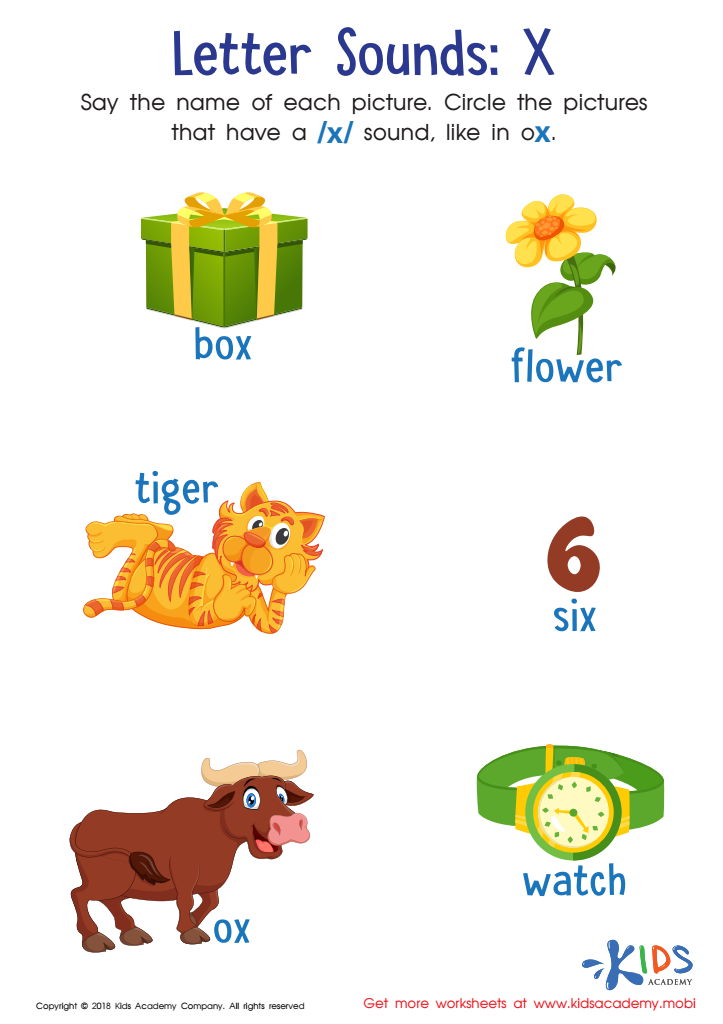
Letter X Sounds Worksheet
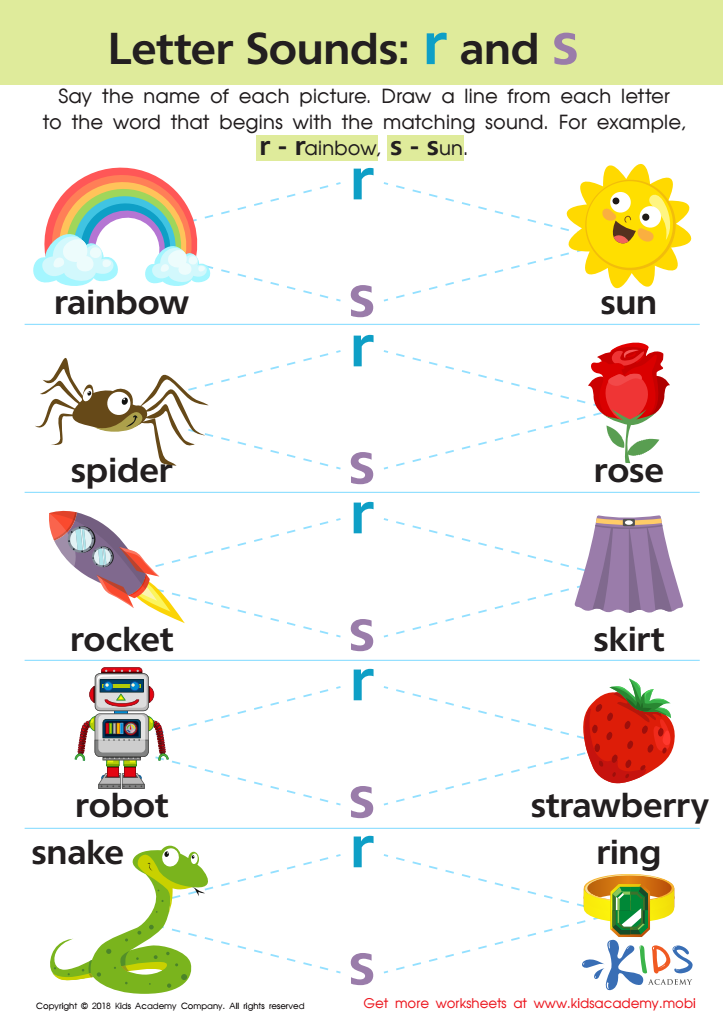
Letter R and S Sounds Worksheet
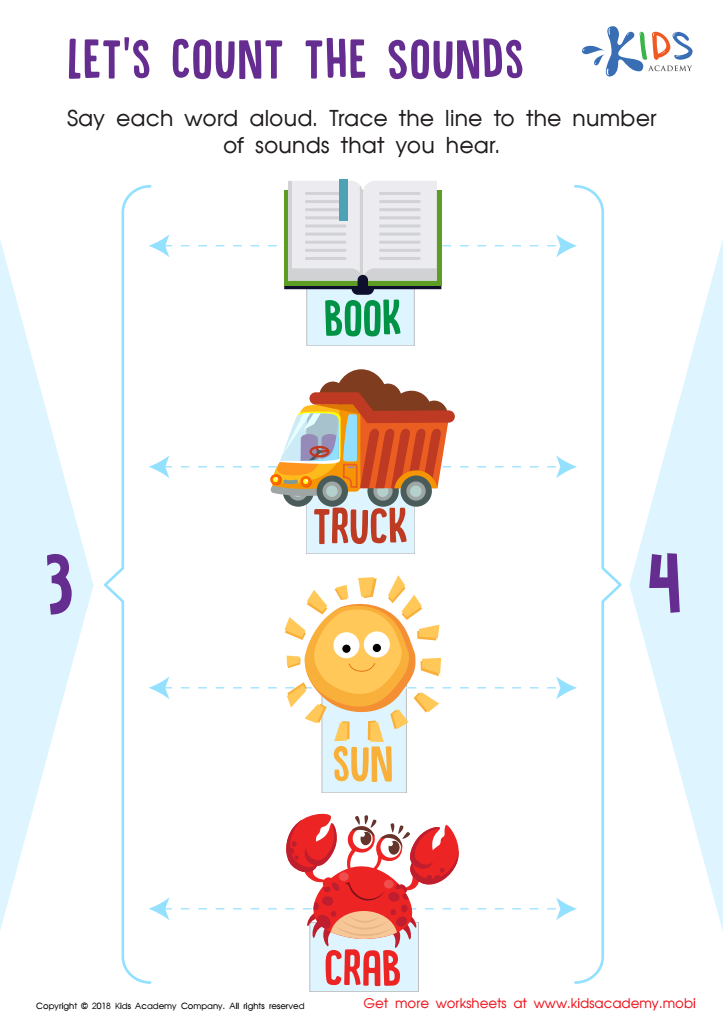
Let's Count the Sounds Worksheet
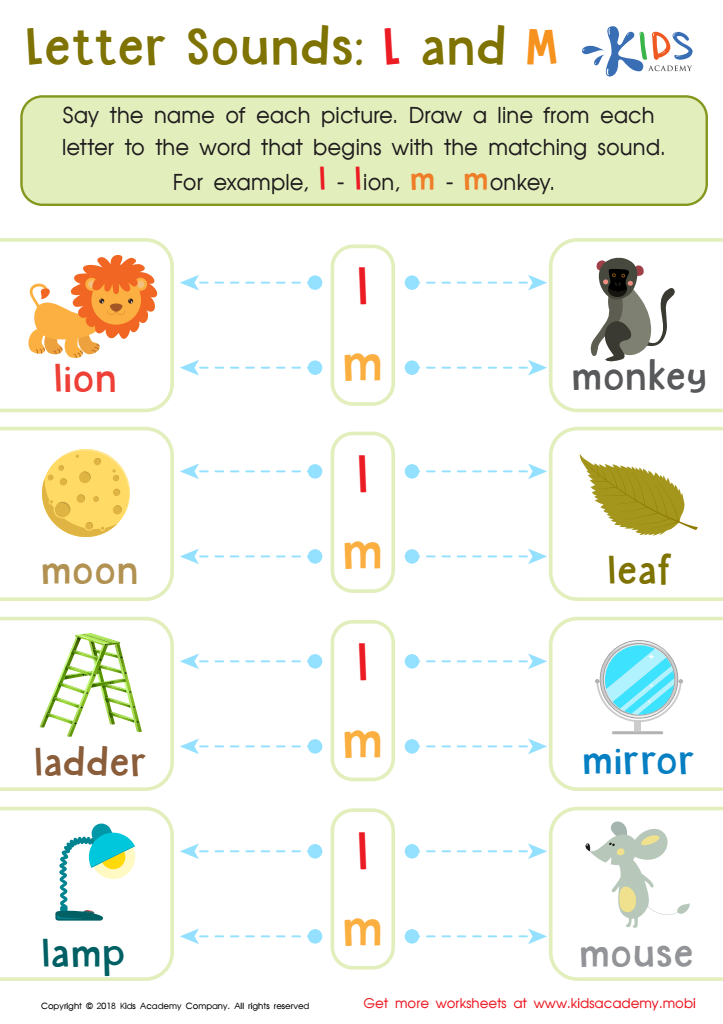
Letter l and M Sounds Worksheet
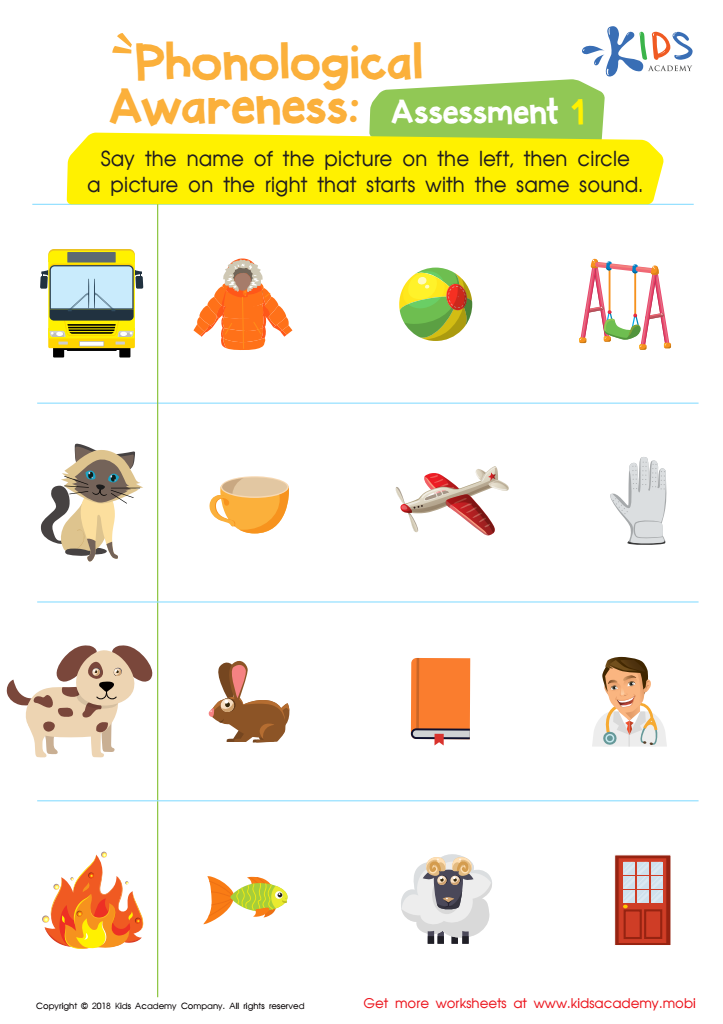
Phonological Awareness: Assessment 1 Worksheet
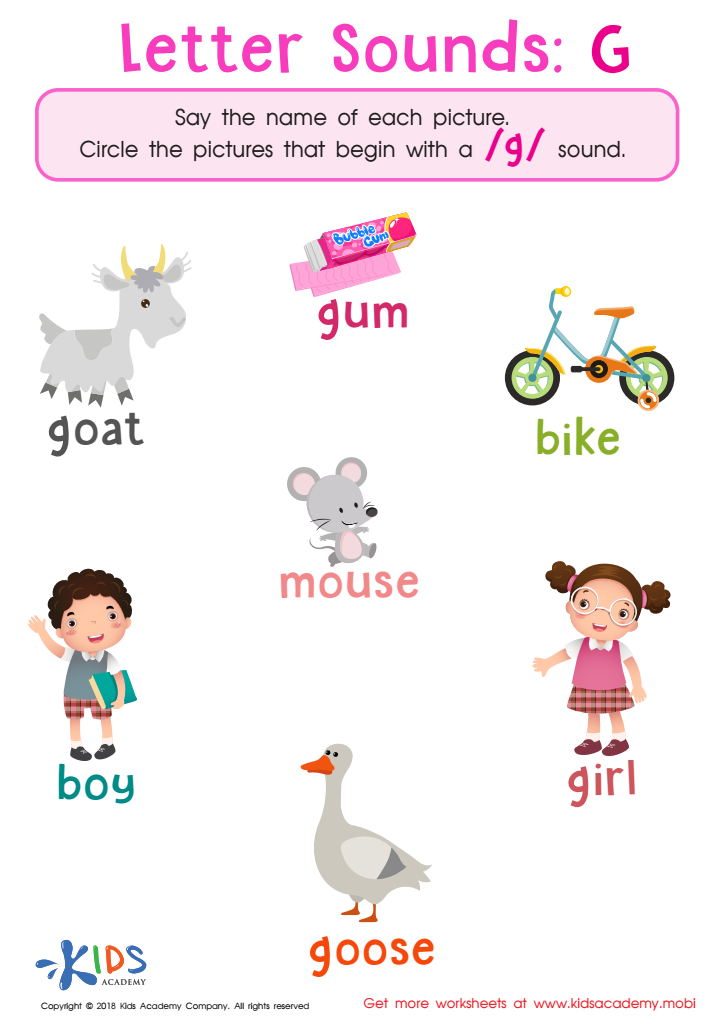
Letter G Sounds Worksheet
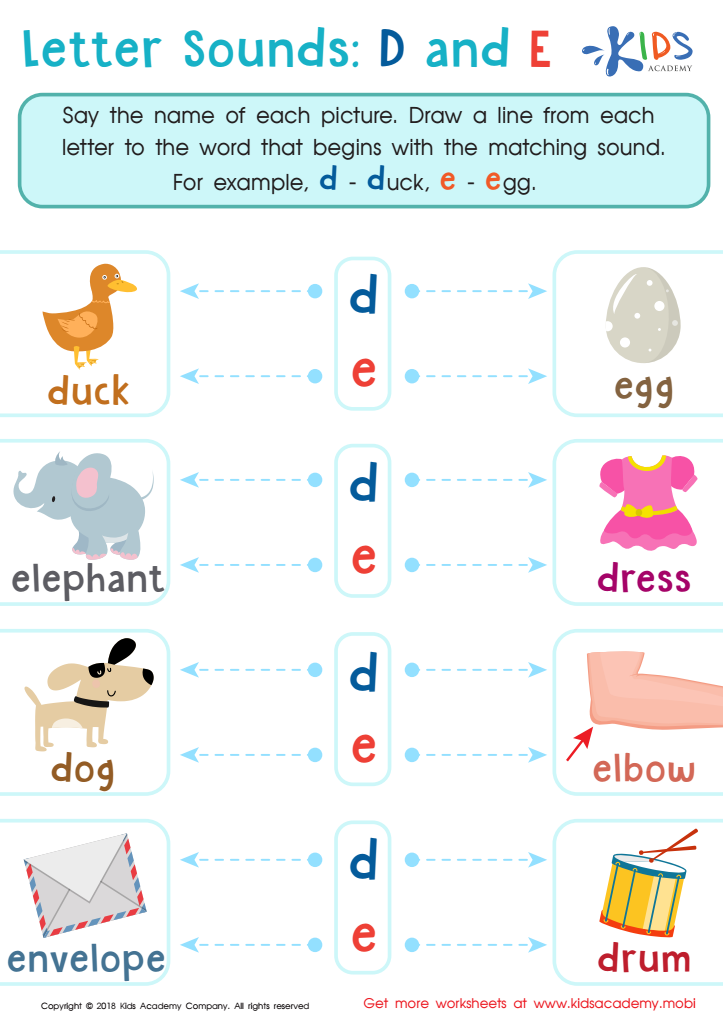
Letter D and E Sounds Worksheet








Sound association with letter sounds is crucial for children aged 3-6, as it forms the foundation of early literacy skills. During this developmental stage, young brains are highly receptive to learning language and phonetics. When parents and teachers prioritize sound-letter correspondence, they help children understand the basic building blocks of reading and writing.
First, recognizing letter sounds supports phonemic awareness, which is the ability to hear and manipulate individual sounds in words. Phonemic awareness is a critical predictor of future reading success. When children grasp that letters represent sounds, they can start to decode simple words, enhancing their reading fluency and comprehension.
Second, sound-letter association aids in vocabulary development. As children connect sounds to letters and words, they begin to build their lexicon, allowing them to communicate more effectively and understand written material better.
Additionally, early mastery of these skills boosts confidence and fosters a love of reading. Children who feel proficient in identifying letter sounds are more likely to engage in reading activities, thereby reinforcing their skills further.
In summary, incorporation of sound association letter sounds in early education is vital for developing essential reading skills, nurturing vocabulary growth, and cultivating a positive attitude towards learning, setting the stage for academic success.







