Letter recognition Letter V Worksheets for Ages 3-6
4 filtered results
-
From - To
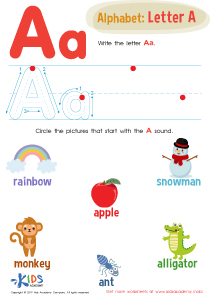
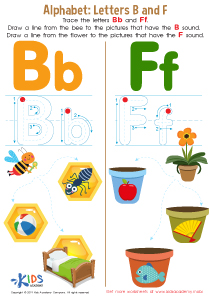
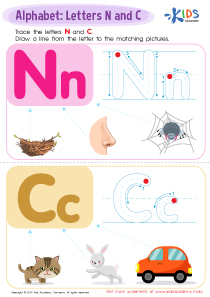
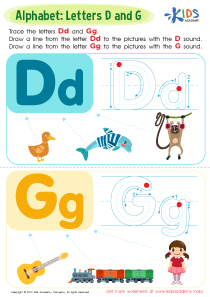
Discover our engaging Letter V worksheets designed specifically for children aged 3-6! These interactive resources foster letter recognition skills through fun activities that capture young learners' attention. Each worksheet features colorful illustrations and hands-on exercises, ensuring that kids can easily identify and learn about the letter V. From tracing and coloring to matching games, our versatile worksheets support early literacy development in an enjoyable way. Perfect for preschool and kindergarten classrooms, as well as at-home learning, these resources encourage creativity while reinforcing essential skills. Download our Letter V worksheets today and help your child embark on an exciting journey of letter exploration!
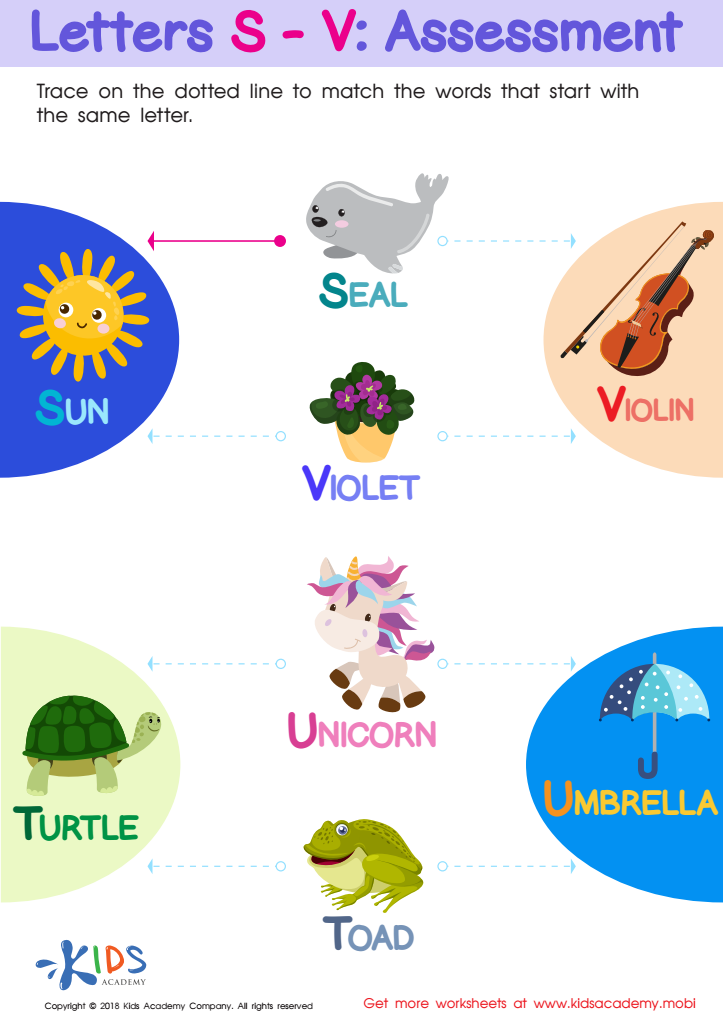
Letters S - V Tracing Worksheet
 Assign to My Students
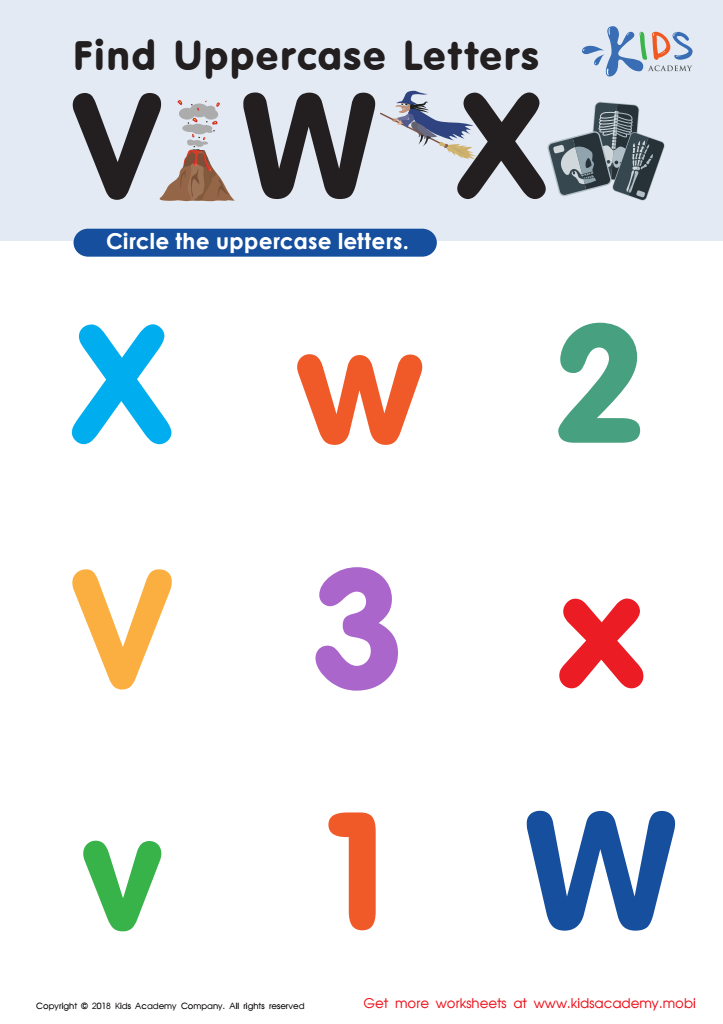
Find Uppercase Letters V, W, X Worksheet
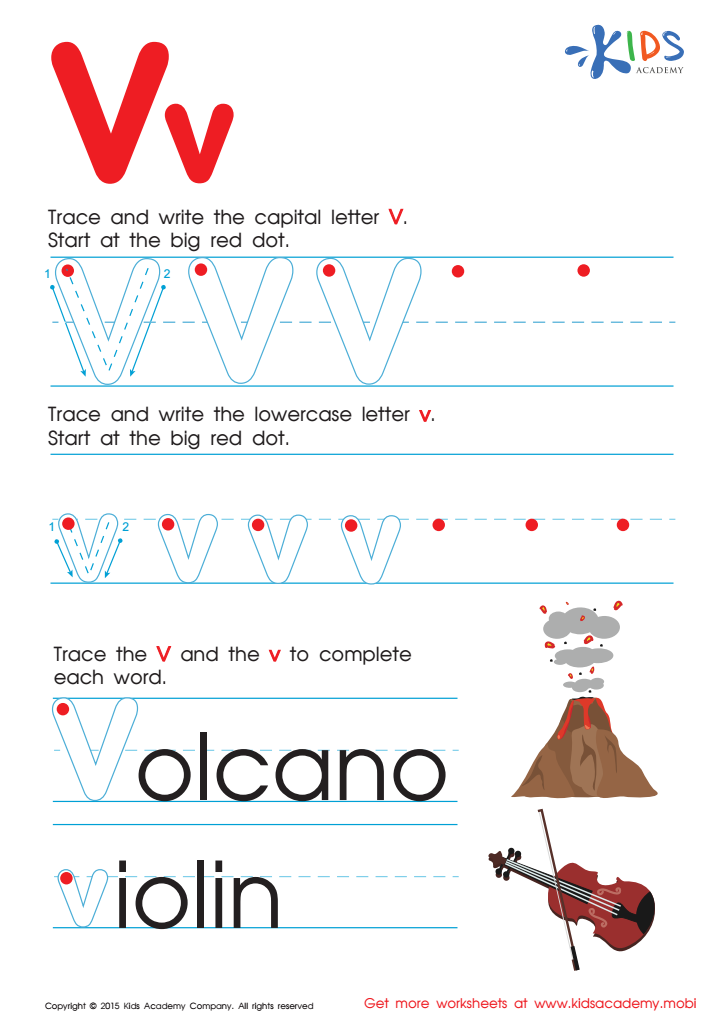
Letter V Tracing Page
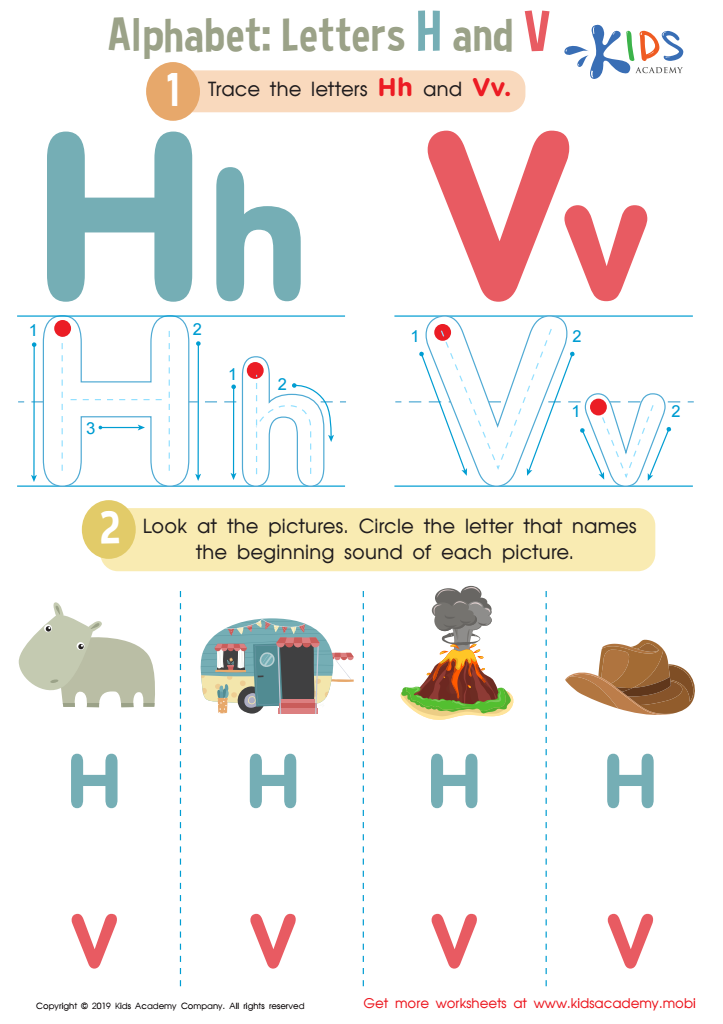
Letters H and V Tracing Worksheet




Letter recognition is a fundamental building block in early literacy development, and understanding the letter "V" is crucial for children aged 3-6. First, recognizing "V" contributes to phonemic awareness, allowing children to differentiate sounds crucial for reading. The letter "V" has a unique sound that can help in developing listening skills as children begin to recognize how it fits in words.
Second, learning the letter "V" encourages vocabulary expansion. By introducing words starting with "V," such as van, vest, and vibrant, parents and teachers can use playful activities to make learning engaging. Creating associations with familiar objects enhances retention and makes the learning experience meaningful.
Moreover, letter recognition fosters cognitive development. Recognizing "V" supports pattern recognition and categorization skills, which are important for problem-solving and critical thinking.
Finally, reinforcing letter recognition sets the stage for future reading and writing success. When children instinctively recognize letters, they can focus more easily on constructing words and sentences.
In conclusion, teaching and reinforcing letter recognition, specifically for "V," enables children to develop essential language skills, boosts their confidence, and creates a strong foundation for academic success. This makes it an important focus for parents and educators alike.