Phonics Skills Phonics Worksheets for Ages 3-6 - Page 3
50 filtered results
-
From - To
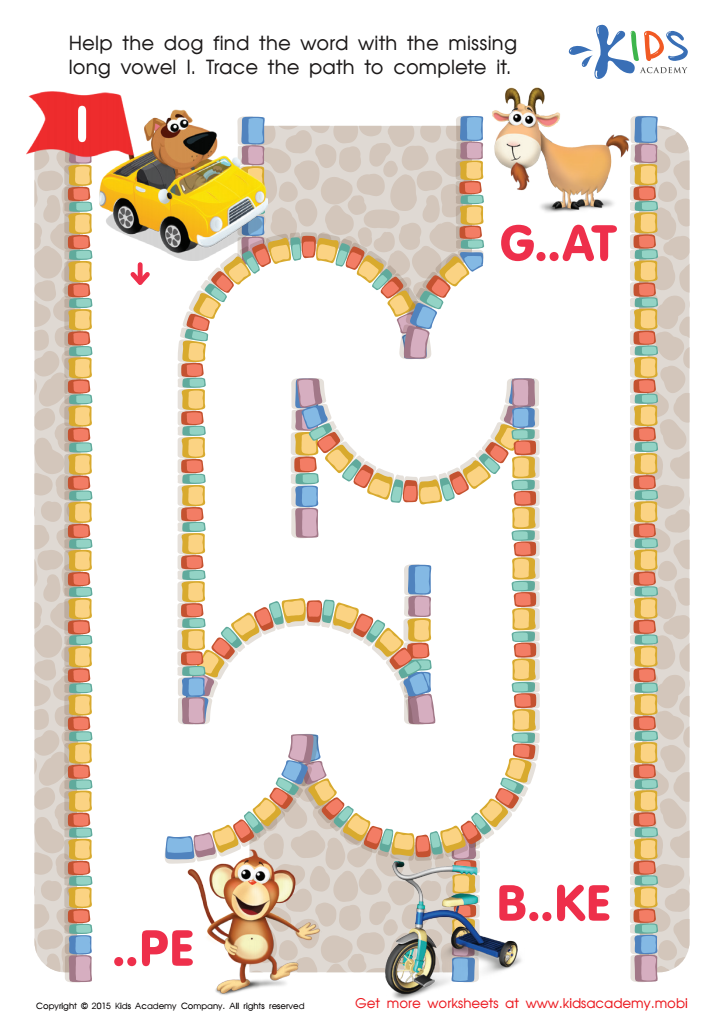
Long Vowel Sound I Worksheet
 Assign to My Students
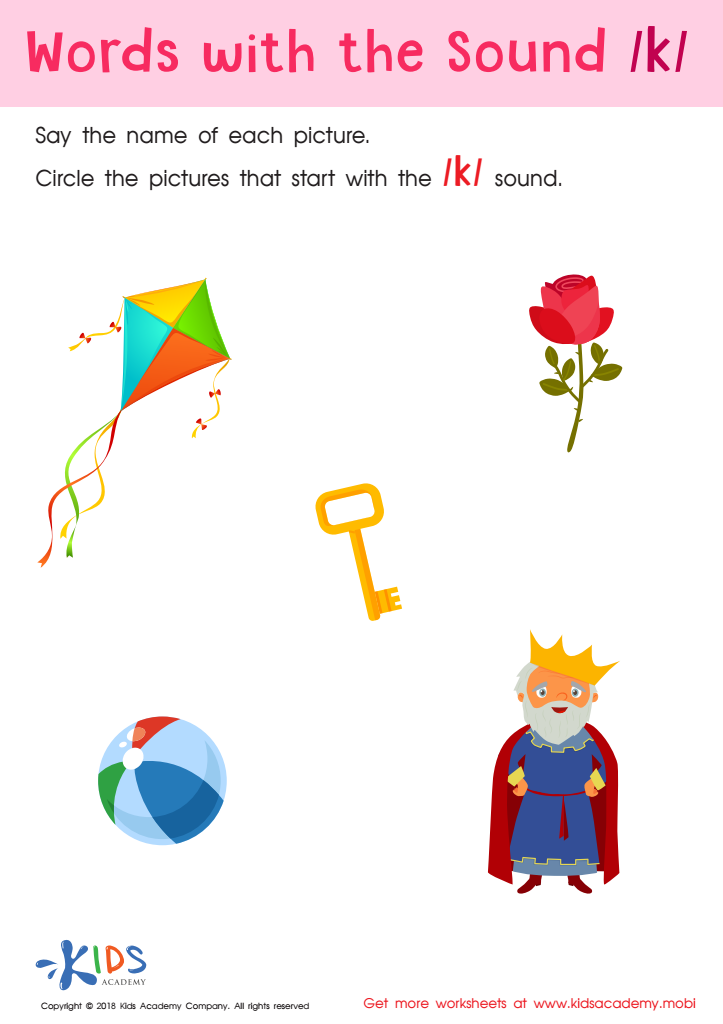
Words with sound k Reading Worksheet








Phonics skills are fundamental to early childhood education, particularly for children aged 3-6 years, as they lay the groundwork for effective reading and writing. Phonics involves connecting sounds to letters and understanding how these sounds form words. This skill is critical for young learners because it helps them decode new words by sounding them out, which is one of the primary building blocks of fluent reading.
For parents and teachers, emphasizing phonics from an early age can dramatically impact a child's literacy development. Research consistently shows that early literacy skills are strong predictors of long-term academic success. By mastering phonics, children gain confidence and proficiency in reading, which in turn fosters a love for books and continuous learning. This early boost in literacy not only enhances cognitive development but also improves vocabulary, comprehension, and expressive language skills.
Additionally, phonic skills are vital for helping children become independent learners. When children can decode words on their own, they are more likely to engage in reading activities without needing constant assistance, promoting autonomy. For both parents and teachers, investing time and resources in phonics education during these formative years creates a foundation that supports all aspects of a child’s future learning endeavors, leading to well-rounded, successful individuals.







