Reading comprehension Phonics Worksheets for Ages 3-6 - Page 3
60 filtered results
-
From - To
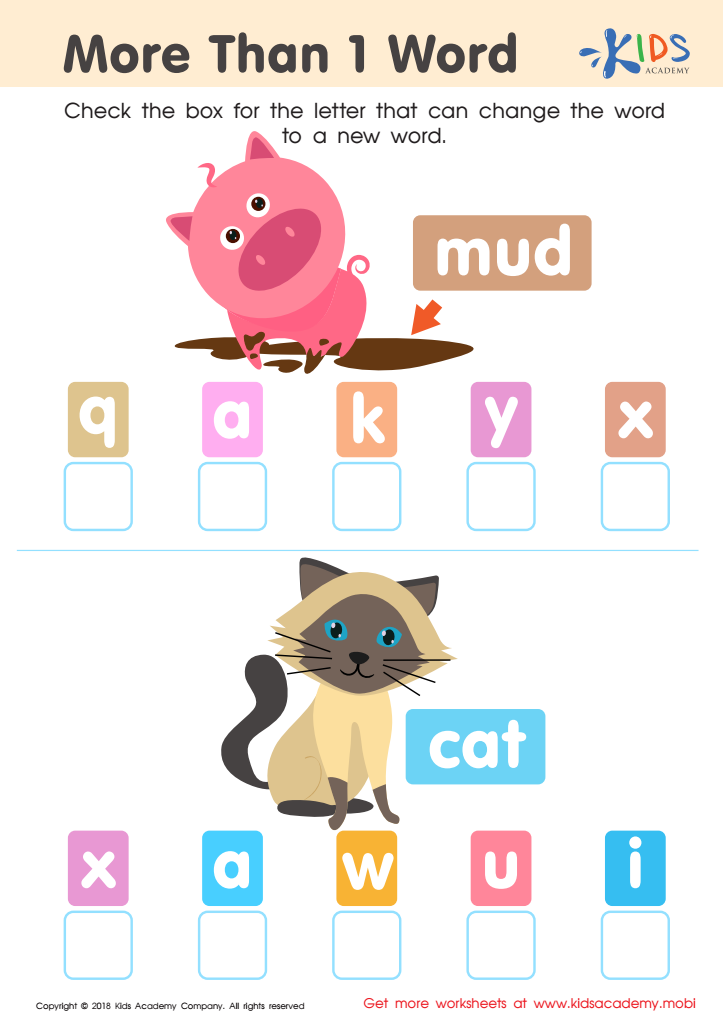
More than 1 word Worksheet
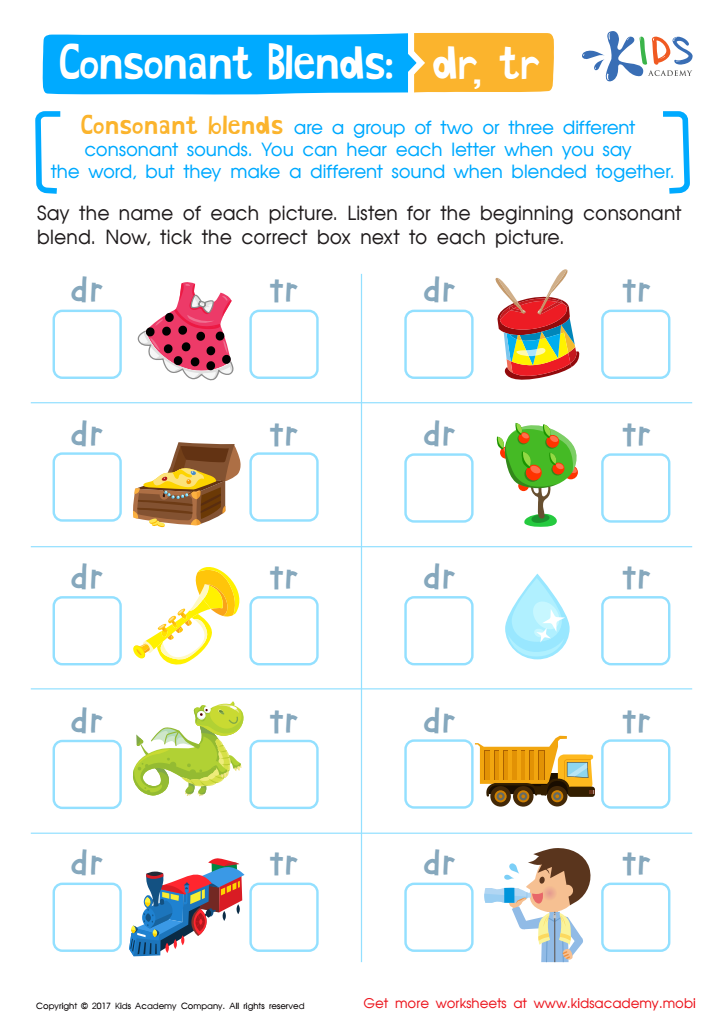
Consonant Blends: "Dr" and "Tr" Printable
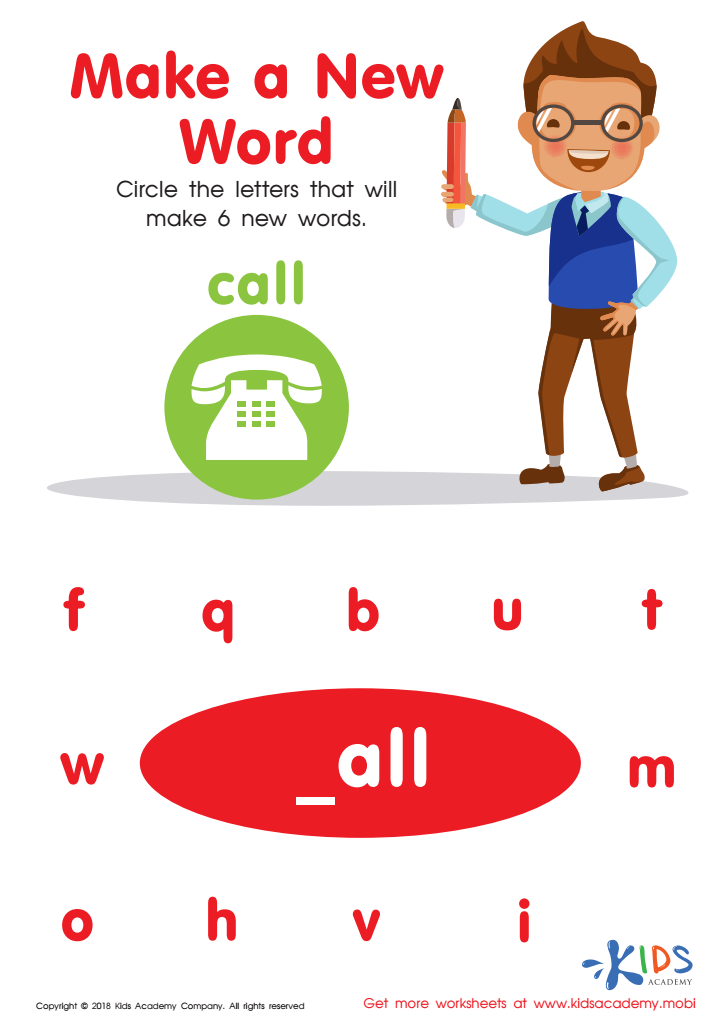
Make a New Word Worksheet
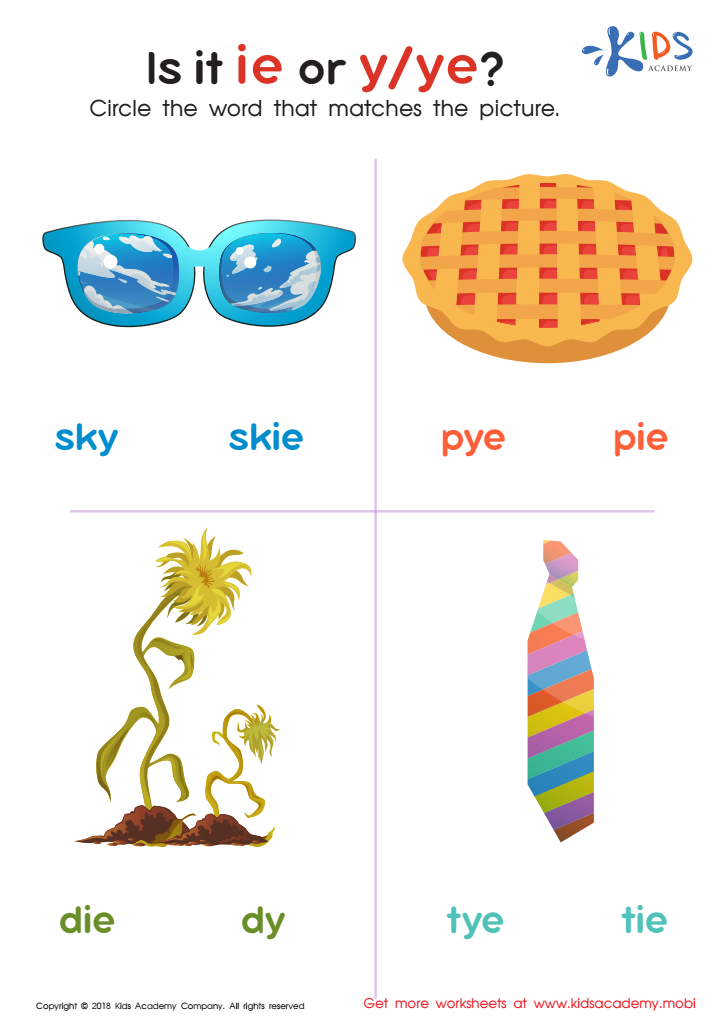
Is It IE or Y/Ye? Worksheet

Long and Short E Worksheet
 Assign to My Students
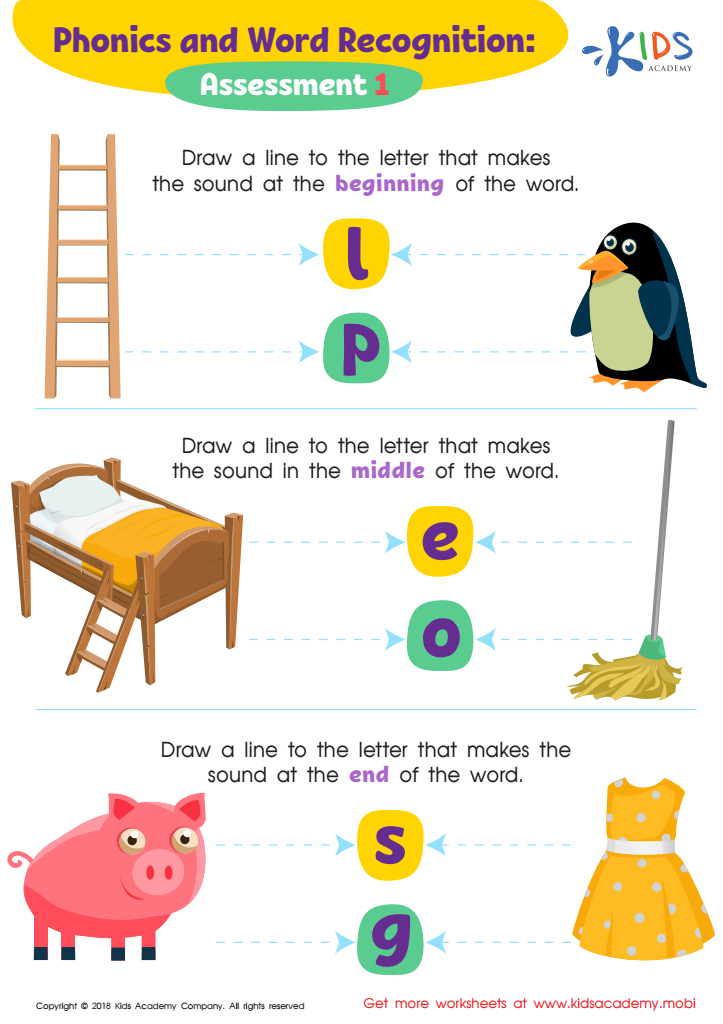
Phonics and Word Recognition: Assessment 1 ELA Worksheet
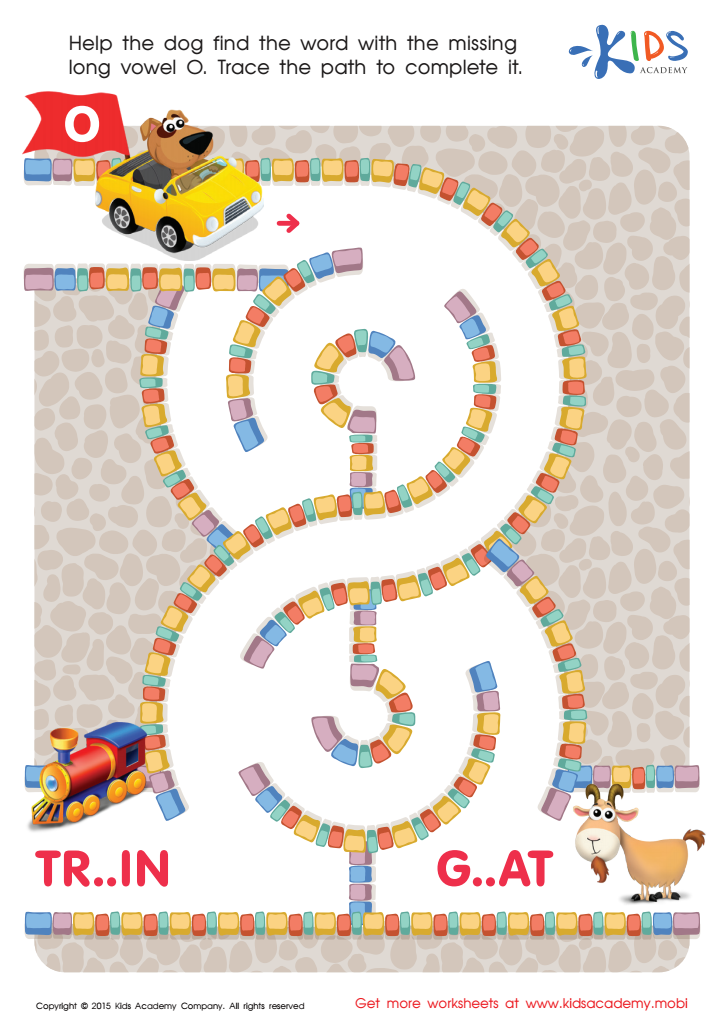
Long Vowel Sound O Worksheet
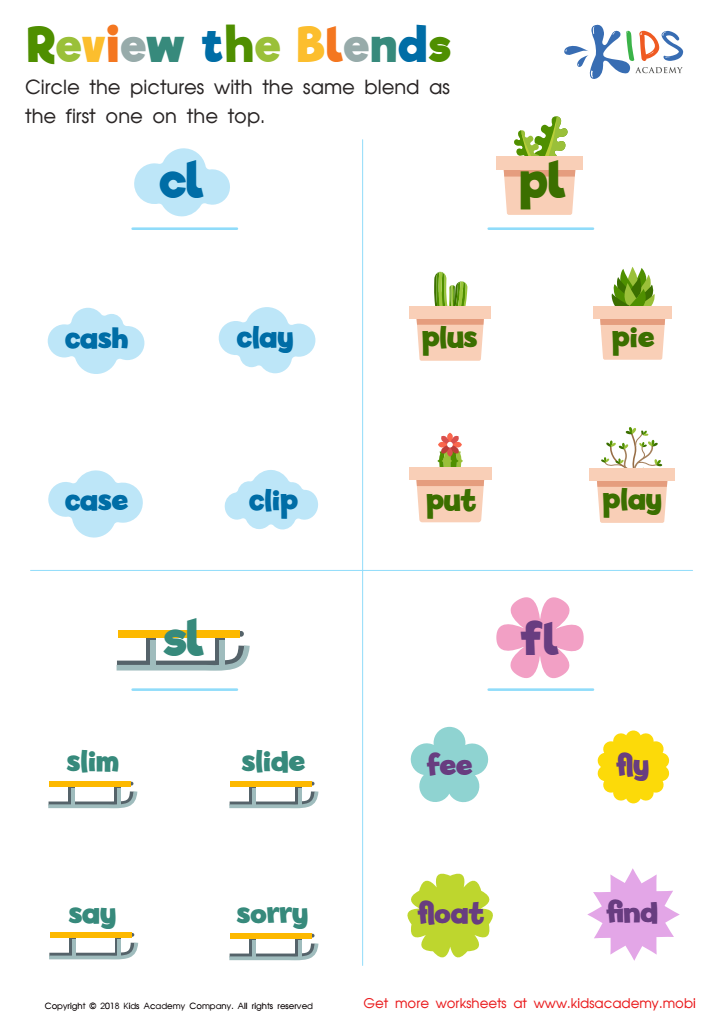
Review the Blends Worksheet
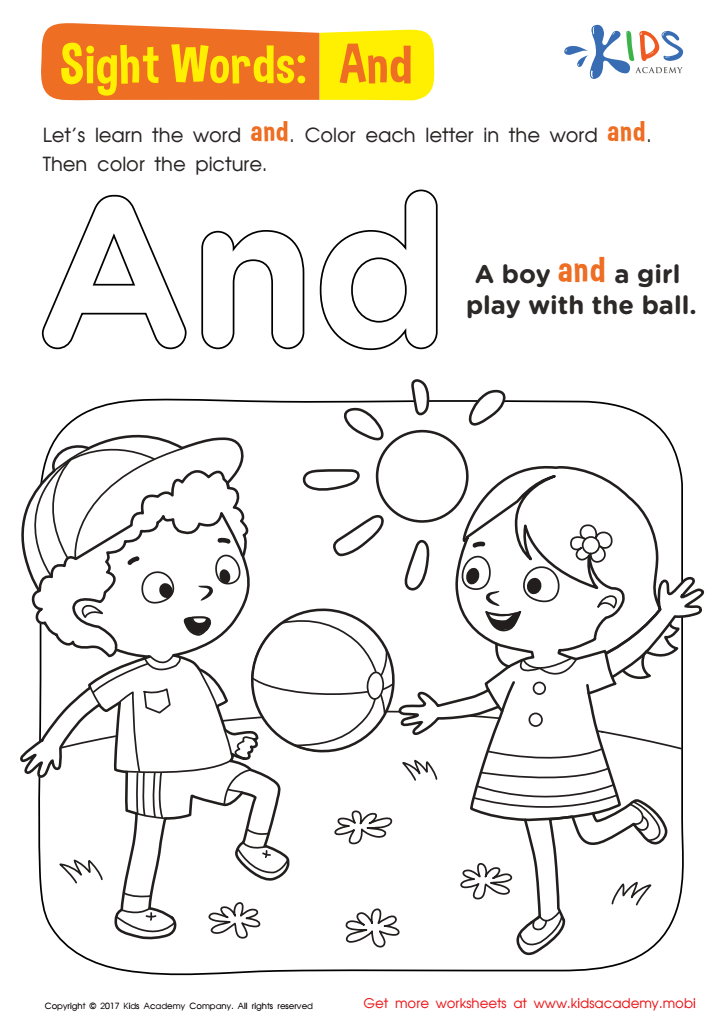
And Worksheet Sight Words Worksheet
Assign to My Students
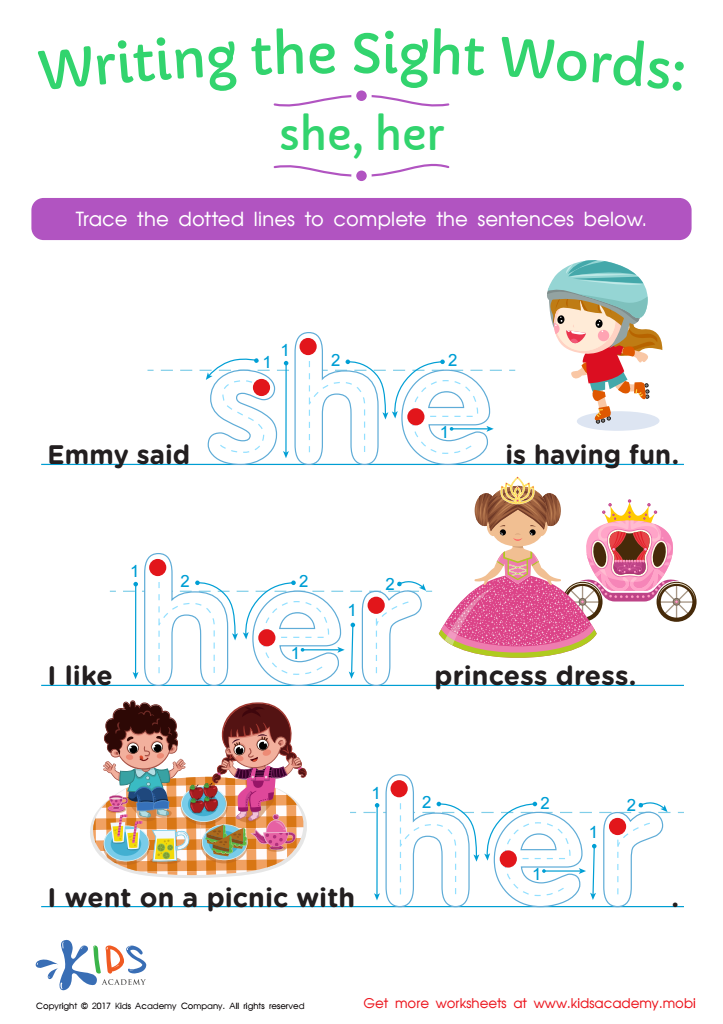
She, Her Printable Sight Words Worksheet
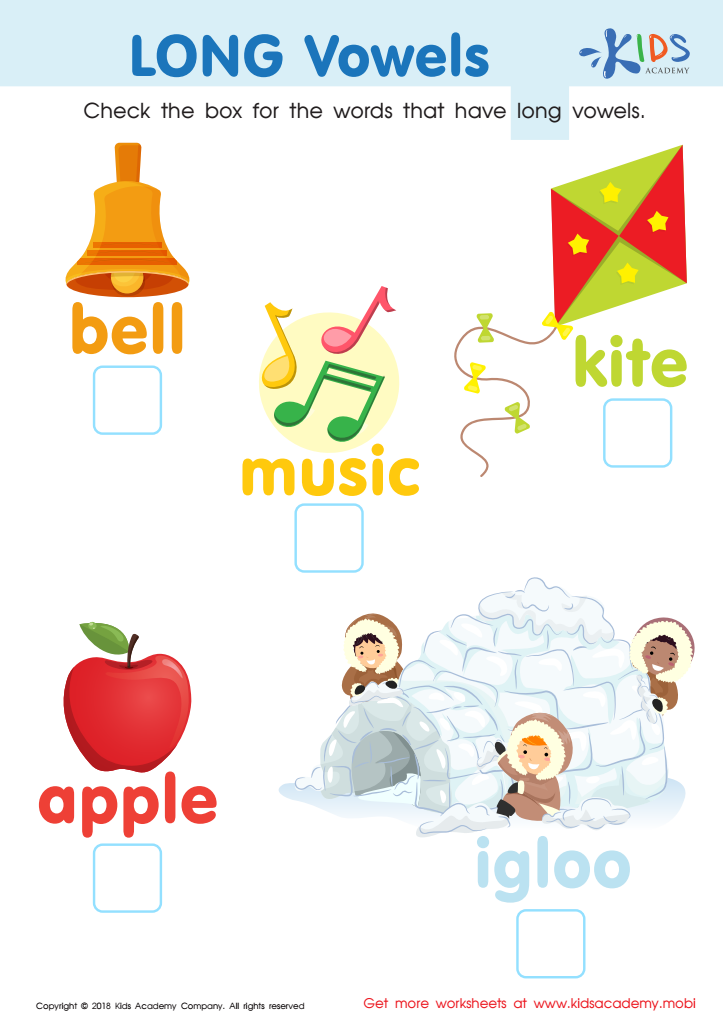
long vowels Worksheet
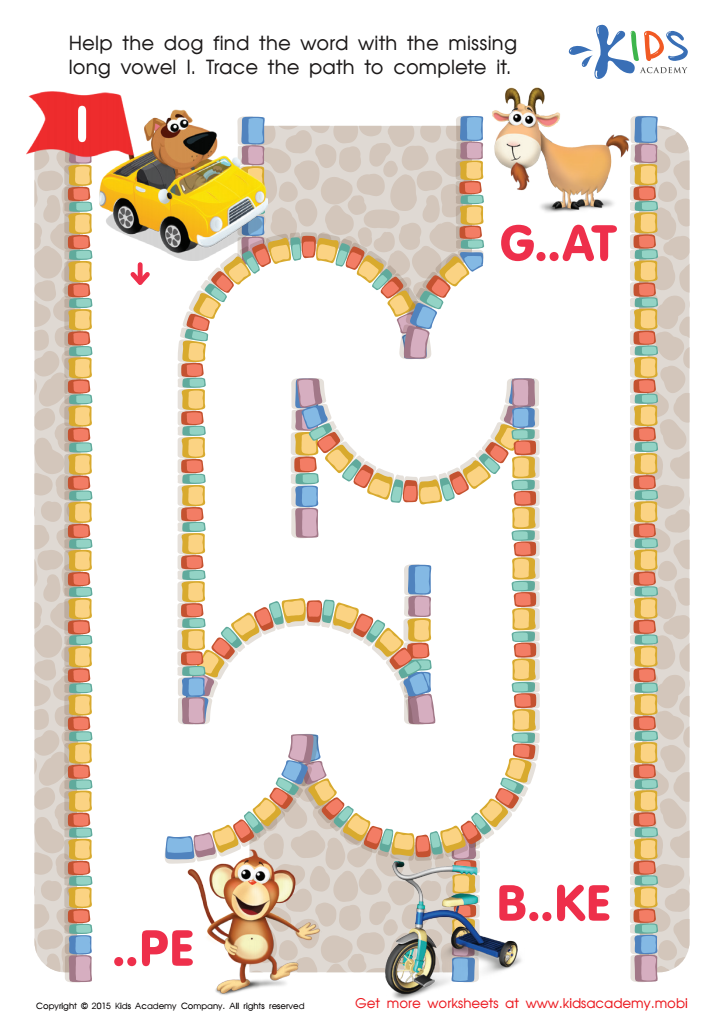
Long Vowel Sound I Worksheet








Reading comprehension and phonics are crucial for children aged 3-6 as they lay the foundational skills necessary for literacy development. During this formative stage, children are like sponge learners, absorbing language patterns and sounds that are integral to reading. Phonics, which involves the relationship between letters and sounds, helps children decode words, enabling them to read independently.
Effective phonics instruction ensures that children can sound out unfamiliar words, fostering confidence and reducing frustration. This decoding skill is essential for achieving good reading comprehension. When students understand the mechanics of how to read, they can focus on what the text means, rather than struggling with the words themselves.
Furthermore, strong reading comprehension skills enhance overall academic success, allowing students to better engage with content across subjects. For parents and teachers, cultivating these skills at an early age helps nurture a love for reading and instills critical thinking capabilities. Engaging children in phonics activities, such as rhymes and reading aloud, makes learning enjoyable while supporting cognitive growth.
In essence, prioritizing reading comprehension and phonics in early education sets children on a path towards lifelong learning and literacy appreciation. Empowering them now leads to confident, informed readers in the future.







