Spelling improvement Phonics Worksheets for Ages 3-6
6 filtered results
-
From - To
Boost your child's spelling skills early with our engaging Phonics Worksheets for Ages 3-6! Designed to make learning fun, these worksheets introduce young learners to foundational phonics concepts through colorful images, easy-to-follow instructions, and interactive exercises. Each worksheet is tailored to help children recognize sounds, master letter formations, and develop essential spelling abilities. Ideal for both classroom environments and at-home practice, our materials ensure consistent progress and confidence in young readers. Support your child's journey towards literacy with our expertly crafted resources - where spelling improvement begins with playful learning!
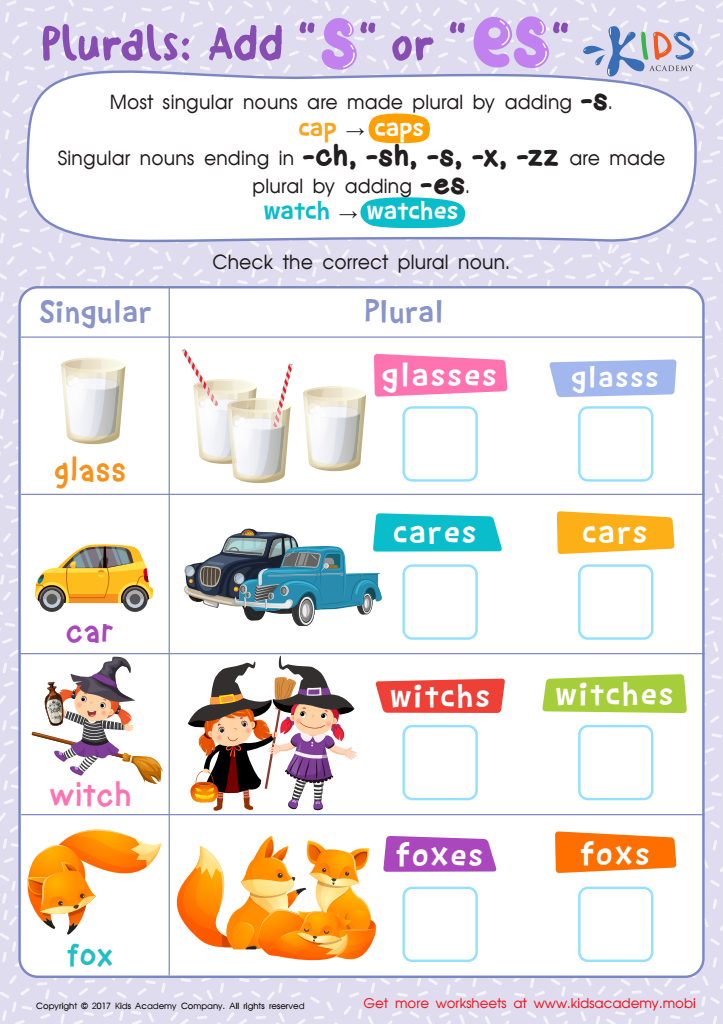
Plurals: "–es" or "–es"? Worksheet
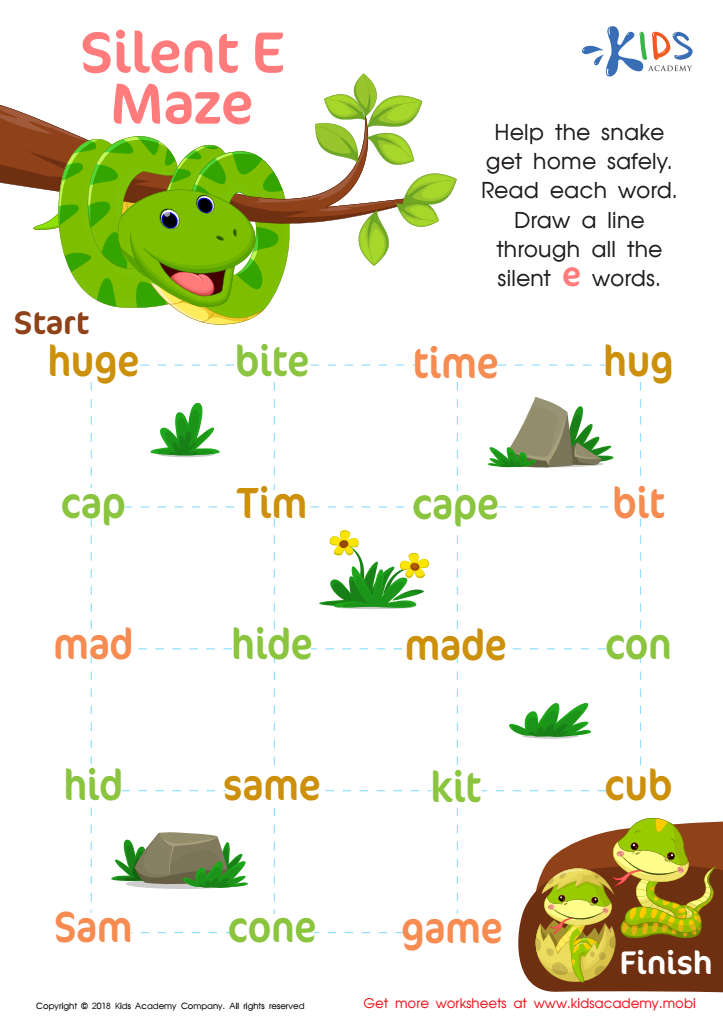
Silent E Maze Worksheet
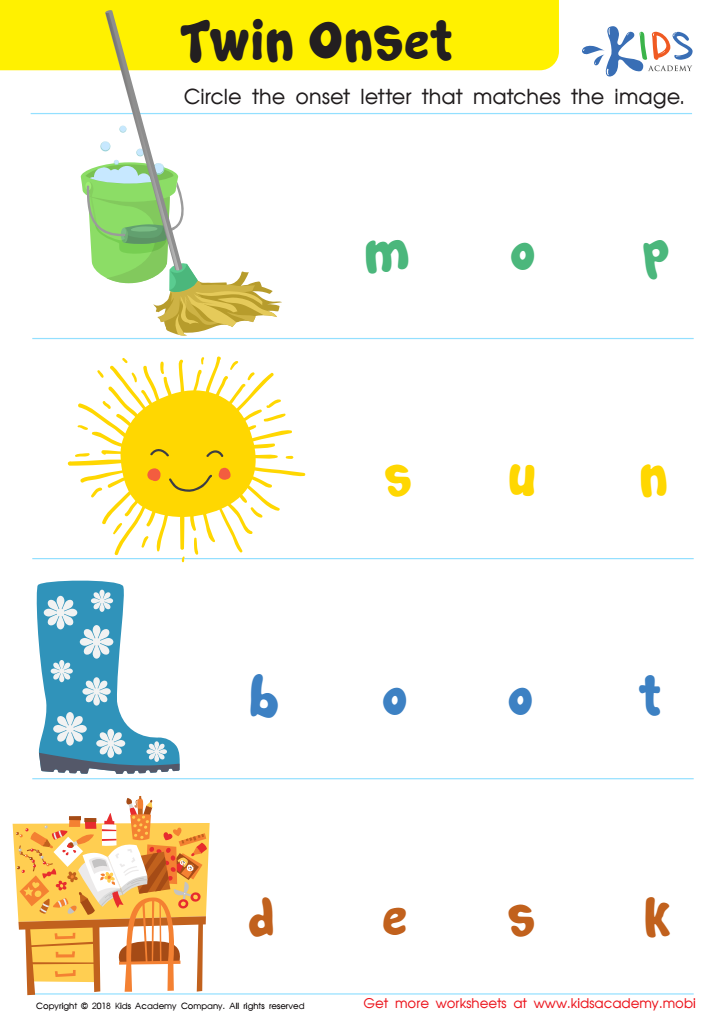
Twin Onset Worksheet
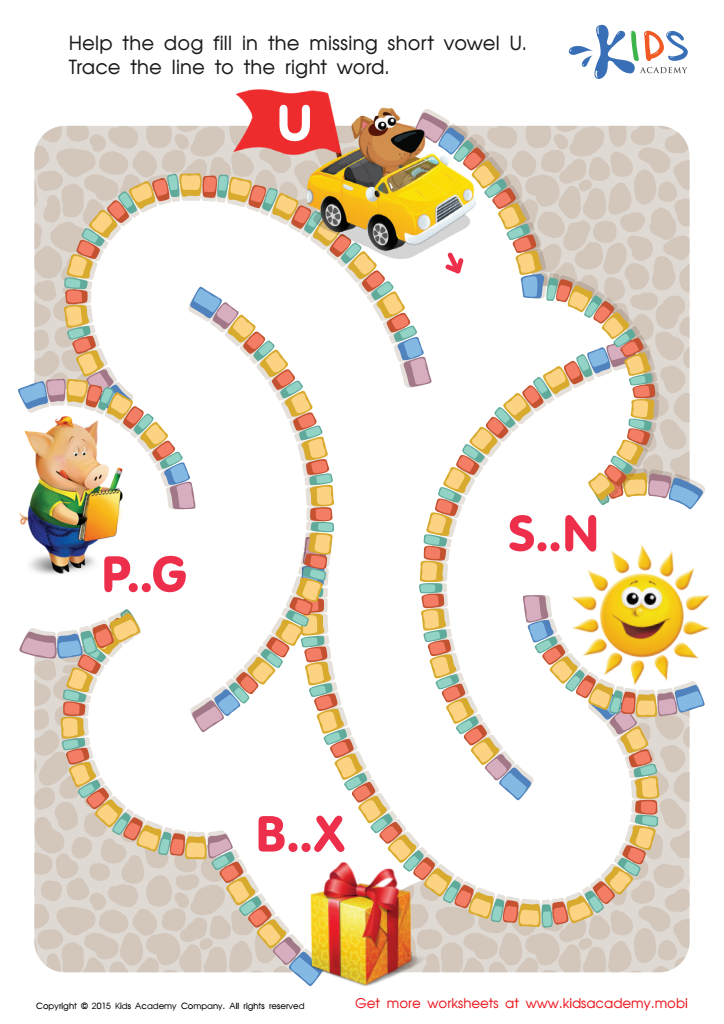
Short Vowel Sound U Worksheet
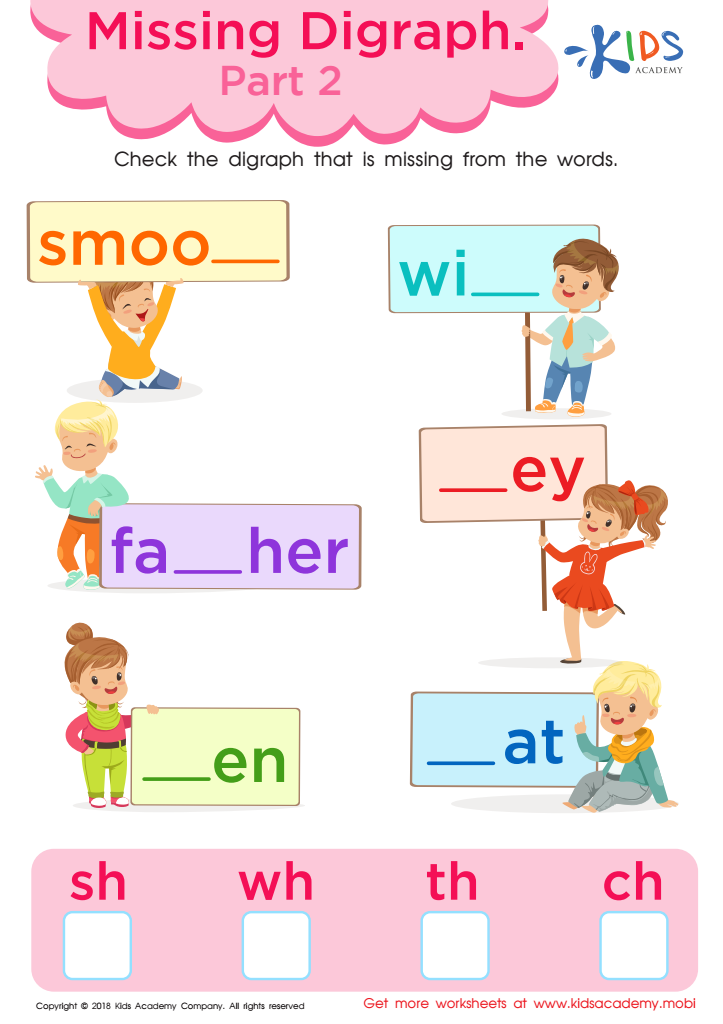
Missing Digraph: Part 2 Worksheet
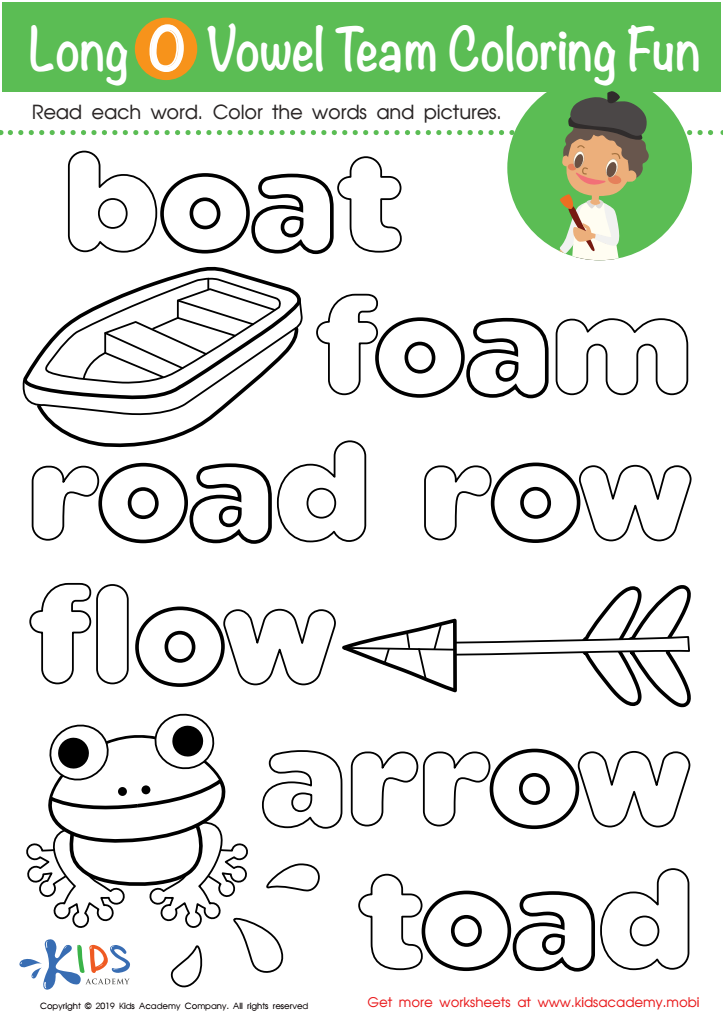
Long O Vowel Team Coloring Worksheet
 Assign to My Students








Parents and teachers should prioritize spelling and phonics improvement for children aged 3-6 because these skills are foundational to literacy development. During these formative years, children's brains are highly receptive to learning language patterns, sounds, and visual symbols. Phonics, which emphasizes the relationship between letters and their corresponding sounds, enables children to decode words systematically. This intrinsic understanding boosts their ability to pronounce new words, enhancing reading fluency and comprehension.
Spelling exercises reinforce these phonetic principles, helping children recognize standard letter patterns and correct word formats. Mastery in spelling not only aids in accurate writing but also reinforces memory retention and cognitive associations across different subjects. Early proficiency in these areas significantly contributes to a child's academic confidence and motivation. A strong literacy foundation supports future learning, making it easier for children to grasp more complex language and subject matter as they advance in school.
Moreover, literacy impacts social skills and self-expression. Children who read well tend to perform better in social settings, able to follow instructions and express themselves more clearly in both oral and written communication. Therefore, emphasizing spelling and phonics improvements at a young age equips children with crucial tools for success in all aspects of life.







