Vocabulary Enrichment Phonics Worksheets for Ages 3-6
6 filtered results
-
From - To
Introducing our "Vocabulary Enrichment Phonics Worksheets" designed specifically for children ages 3-6! These engaging worksheets foster early literacy by combining phonics practice with vocabulary building. Your little learner will explore exciting themes and diverse words while enhancing their reading and comprehension skills. Each worksheet is crafted to captivate young minds with colorful illustrations and interactive activities, making learning fun and effective. Perfect for homeschooling, classroom activities, or supplemental learning, our worksheets provide tailored exercises that support young readers on their journey. Boost your child's confidence and spark their love for language with our enriching phonics resources today!
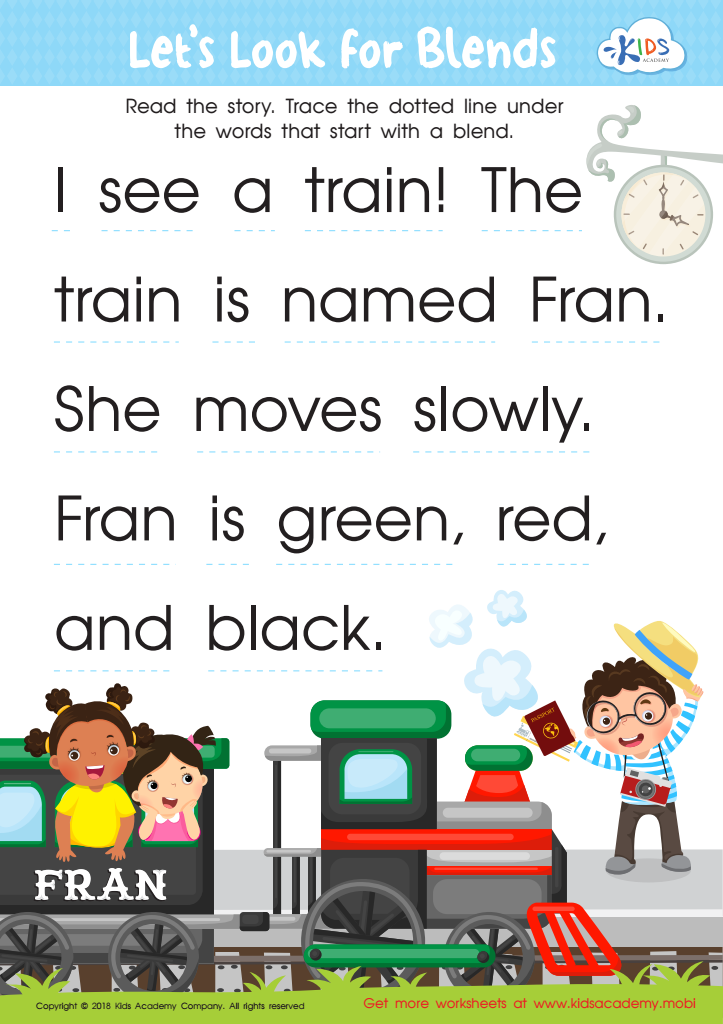
Let's Look for Blends Worksheet
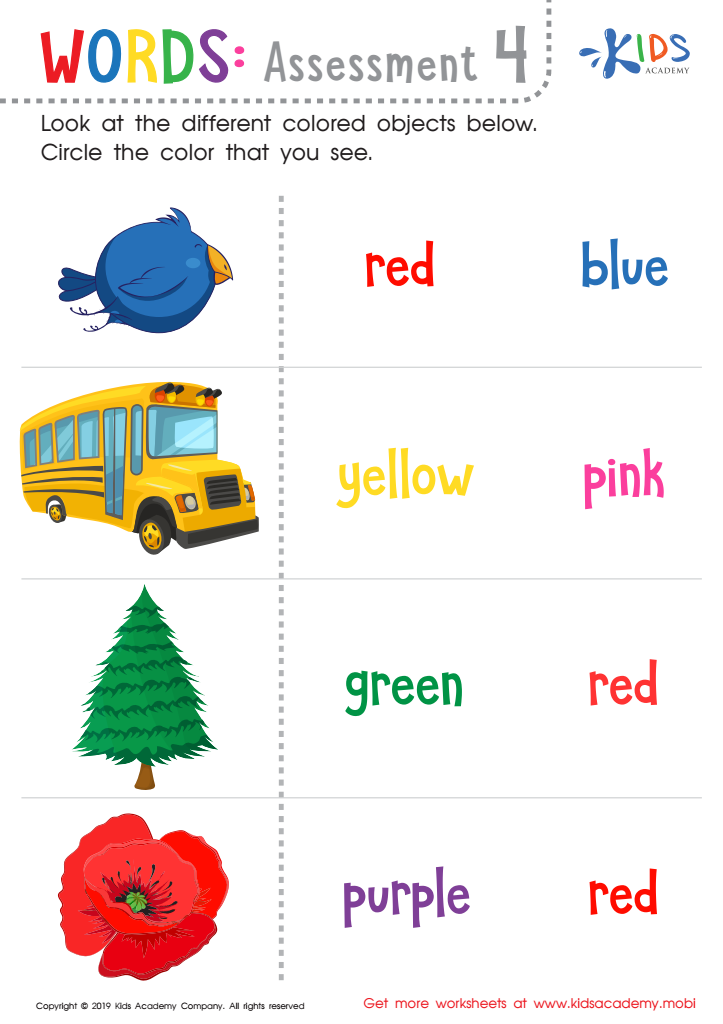
Words: Assessment 4 Worksheet
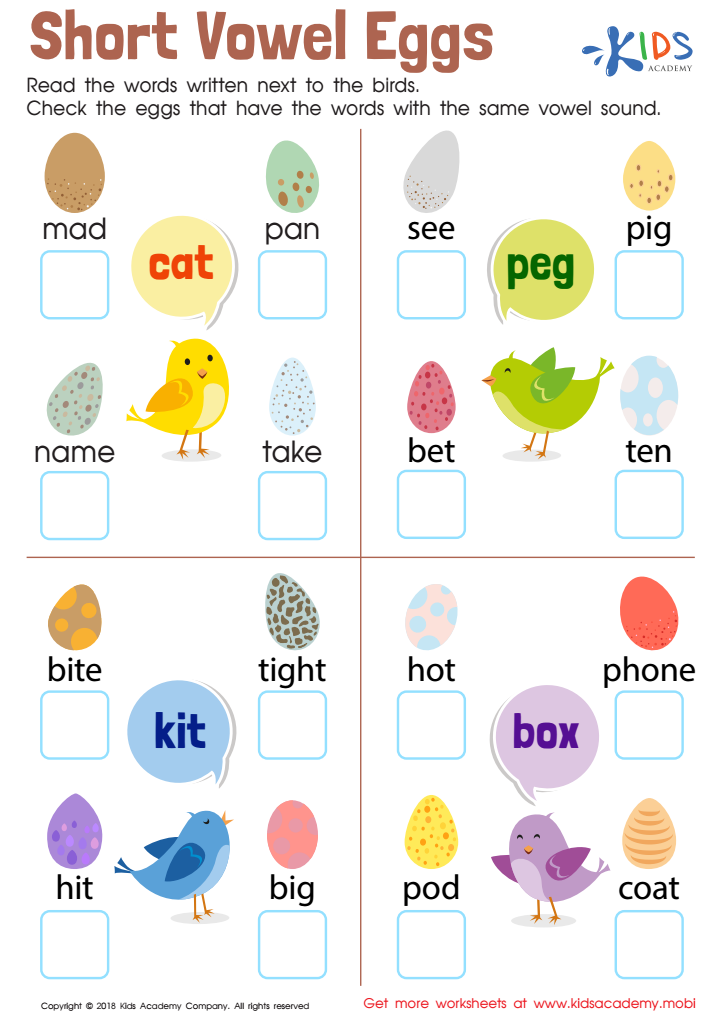
Short Vowel Eggs Worksheet
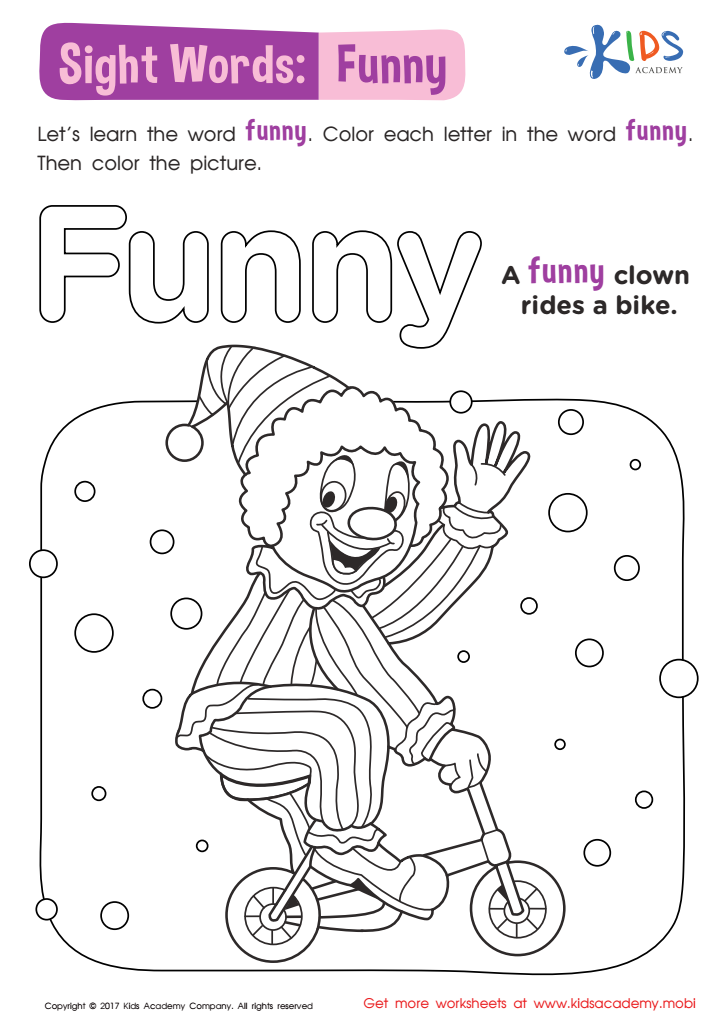
Funny Worksheet Sight Words Worksheet
 Assign to My Students
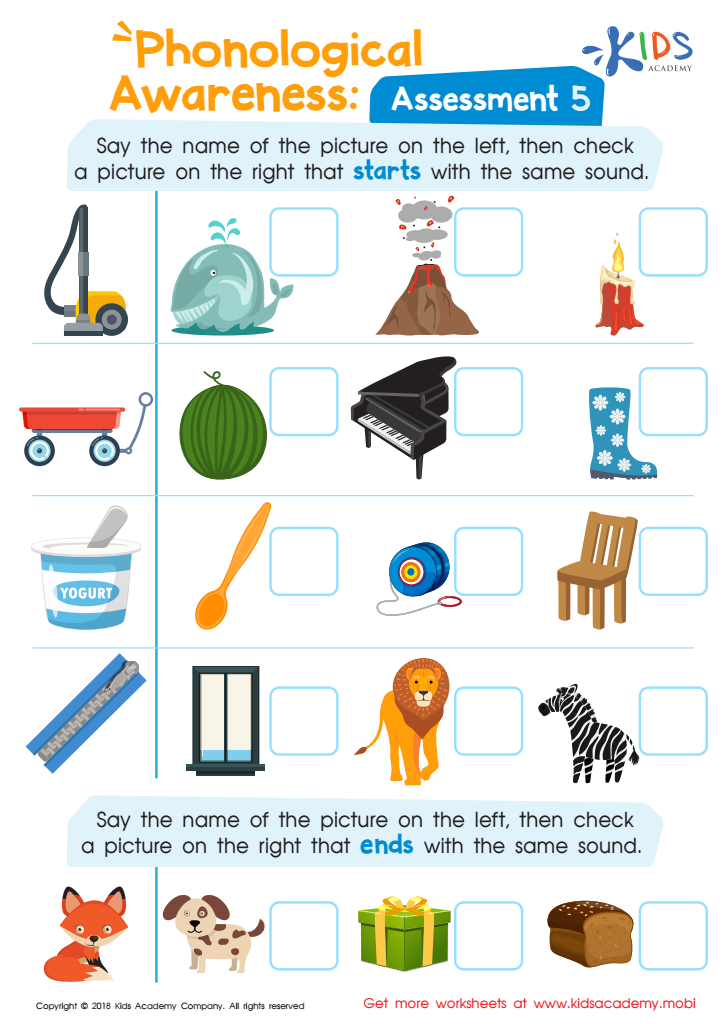
Phonological Awareness: Assessment 5 Worksheet
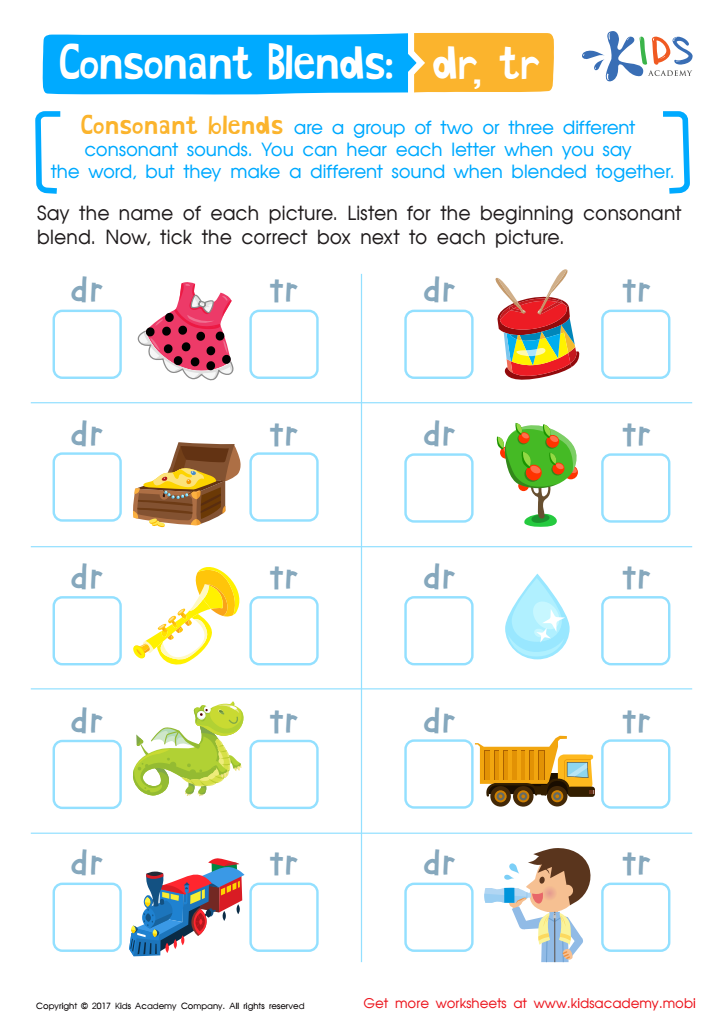
Consonant Blends: "Dr" and "Tr" Printable








Vocabulary Enrichment and Phonics are crucial components in the early literacy development of children aged 3-6. At this age, children are in a rapid phase of cognitive and linguistic growth, and a strong foundation in vocabulary and phonics can significantly impact their future academic success.
Parents and teachers should care about vocabulary enrichment because rich vocabulary exposure enhances children's comprehension, expression, and critical thinking skills. It empowers them to articulate thoughts clearly, interact with peers and adults confidently, and navigate different contexts effectively. Enhanced vocabulary also aids in understanding more complex texts in later years.
Phonics, on the other hand, lays the groundwork for reading proficiency. Teaching phonemic awareness—the ability to hear, identify, and manipulate sounds—ensures that children can decode words, recognize spelling patterns, and develop fluency in reading. These skills are critical as children progress into more advanced literacy tasks.
Incorporating vocabulary enrichment and phonics into early education cultivates a joy for reading and lifelong learning. It gives children the tools they need to face academic challenges and fosters a positive attitude toward literacy that can shape their future. Ultimately, investing in these areas during early childhood is fundamental for developing competent and confident learners.







