Alphabet Recognition Upper & Lowercase Letters Worksheets for Ages 3-6
19 filtered results
-
From - To
Enhance your child's alphabet recognition skills with our comprehensive Upper & Lowercase Letters Worksheets, designed for ages 3-6. These engaging printables from Kids Academy are tailored to create a fun and interactive learning experience. Each worksheet helps young learners distinguish between uppercase and lowercase letters, improving their reading confidence. Through a variety of activities, children will develop essential pre-reading skills, hand-eye coordination, and fine motor skills. Ideal for both parents and teachers, these easy-to-use worksheets make early literacy an exciting adventure. Unlock your child's potential with our expertly crafted alphabet recognition resources.
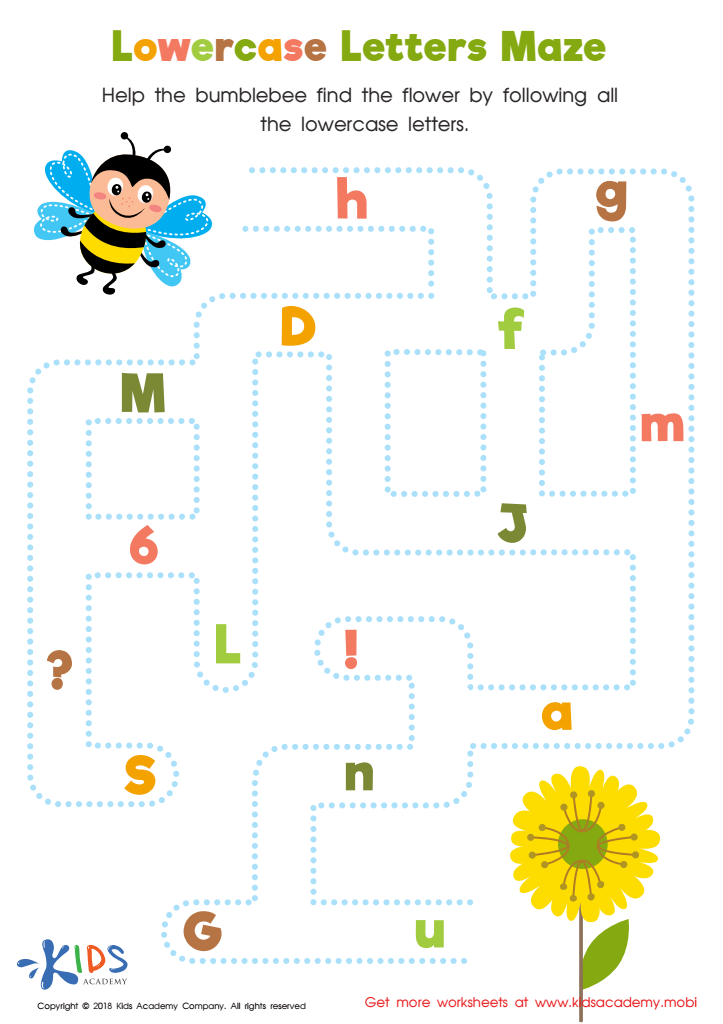
Lowercase Letters Maze Worksheet
 Assign to My Students

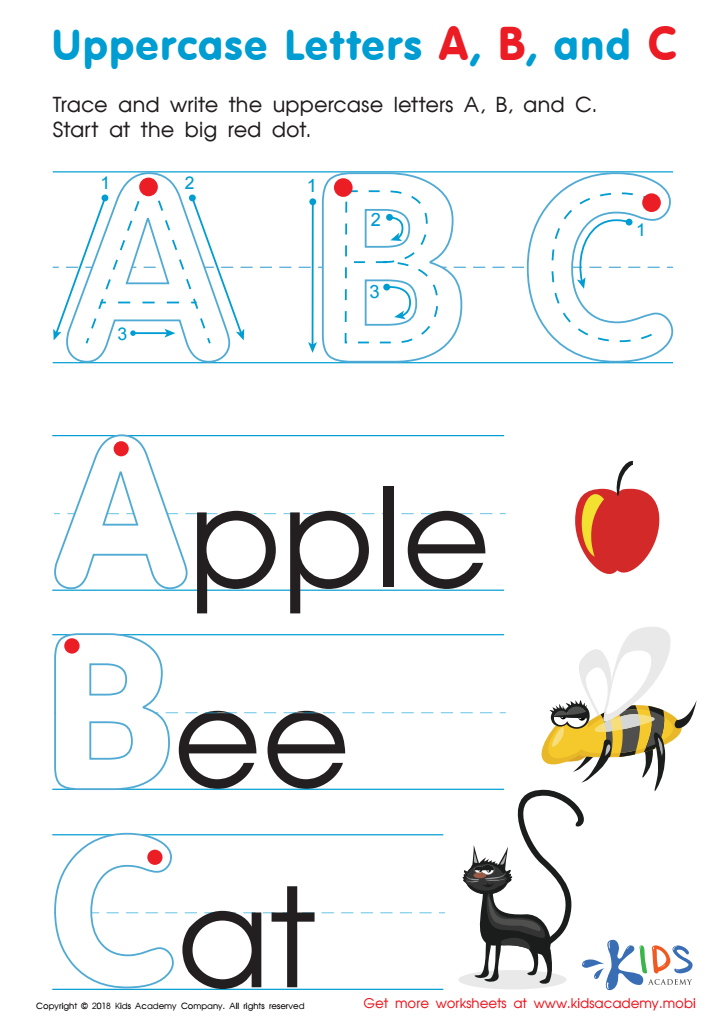
Uppercase Letters A, B, and C Worksheet
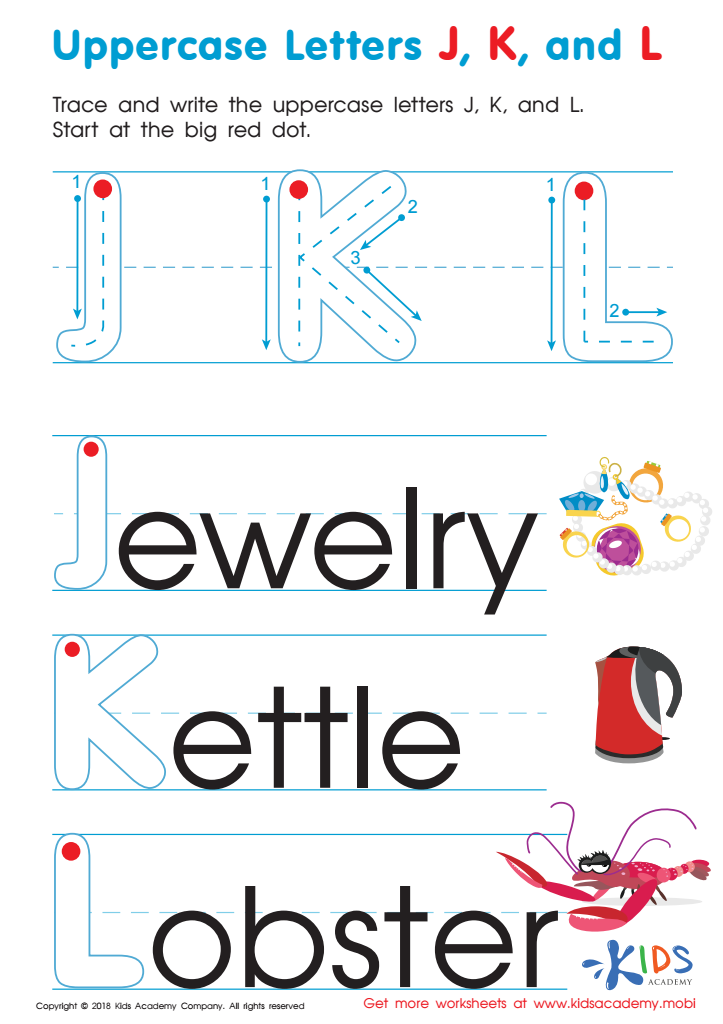
Uppercase Letters J, K, and L Worksheet
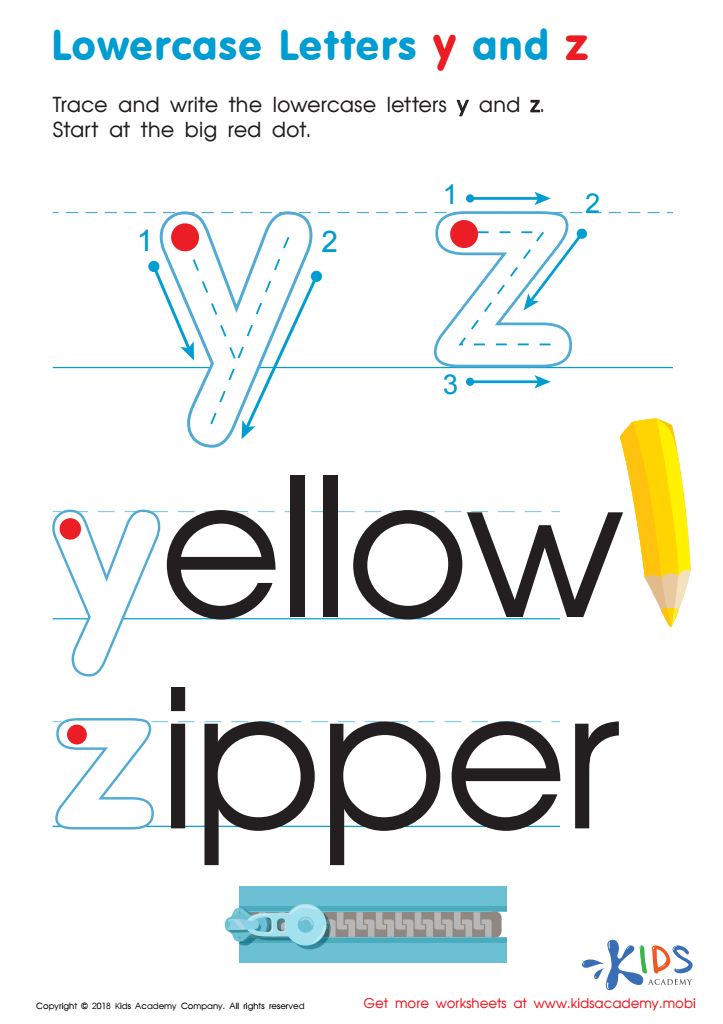
Lowercase Letters y z Worksheet
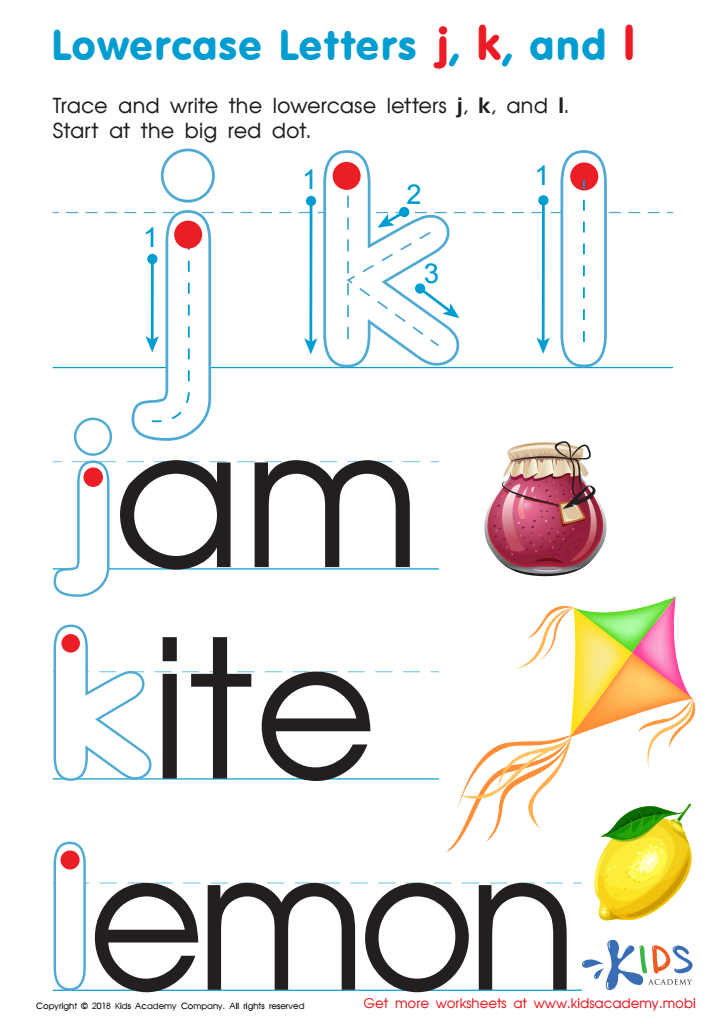
Lowercase Letters j k l Worksheet
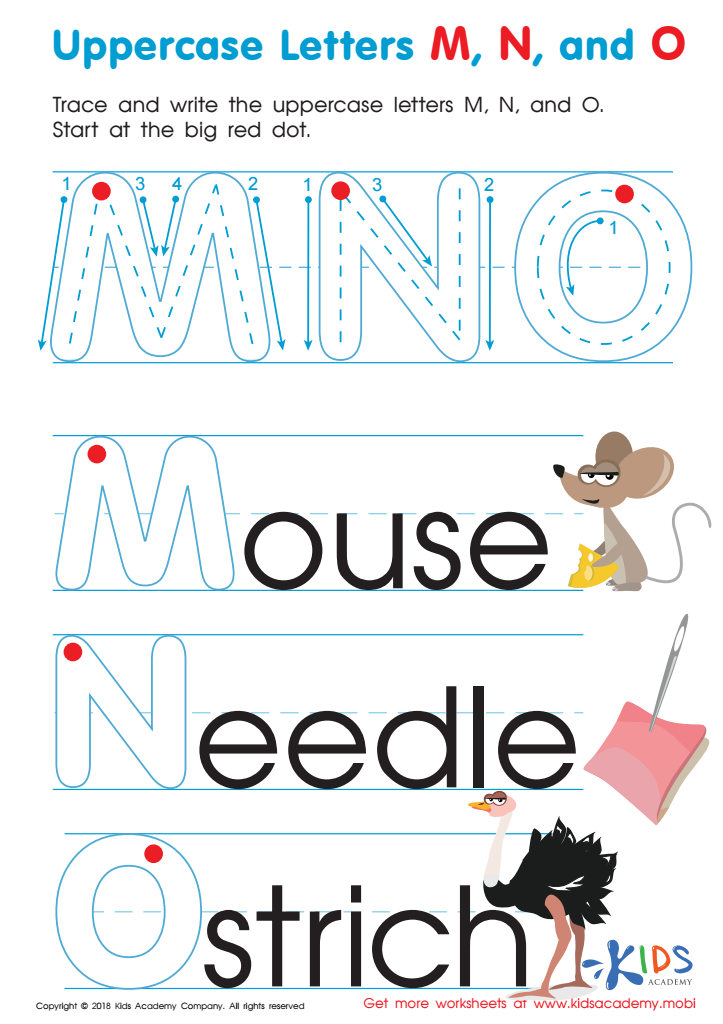
Uppercase Letters M, N, and O Worksheet
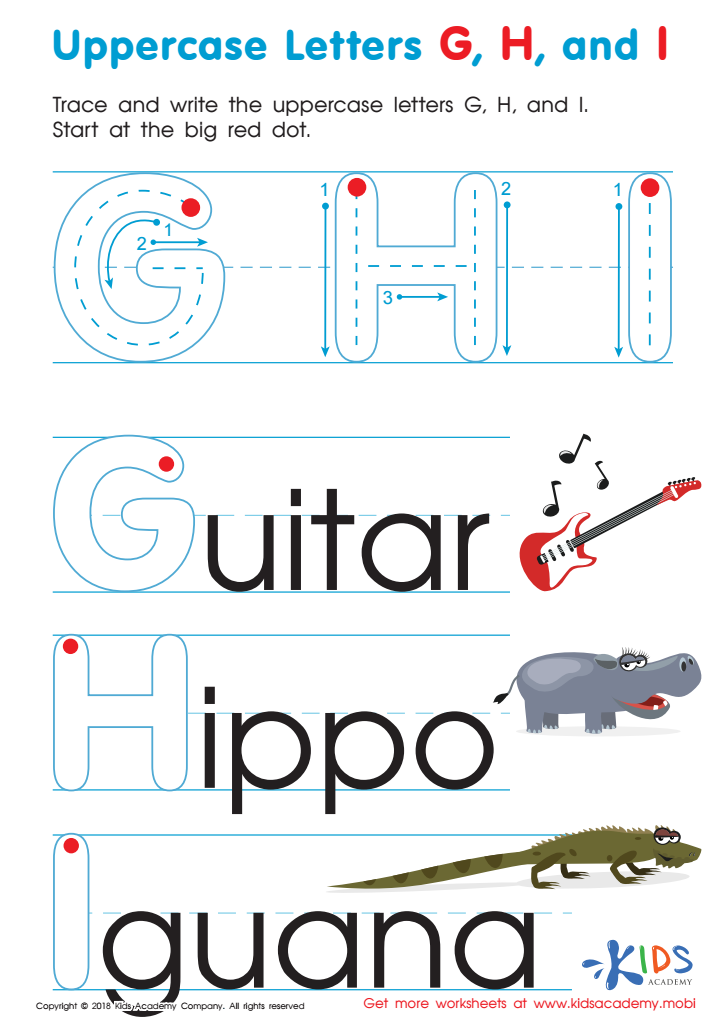
Uppercase Letters G, H, and I Worksheet
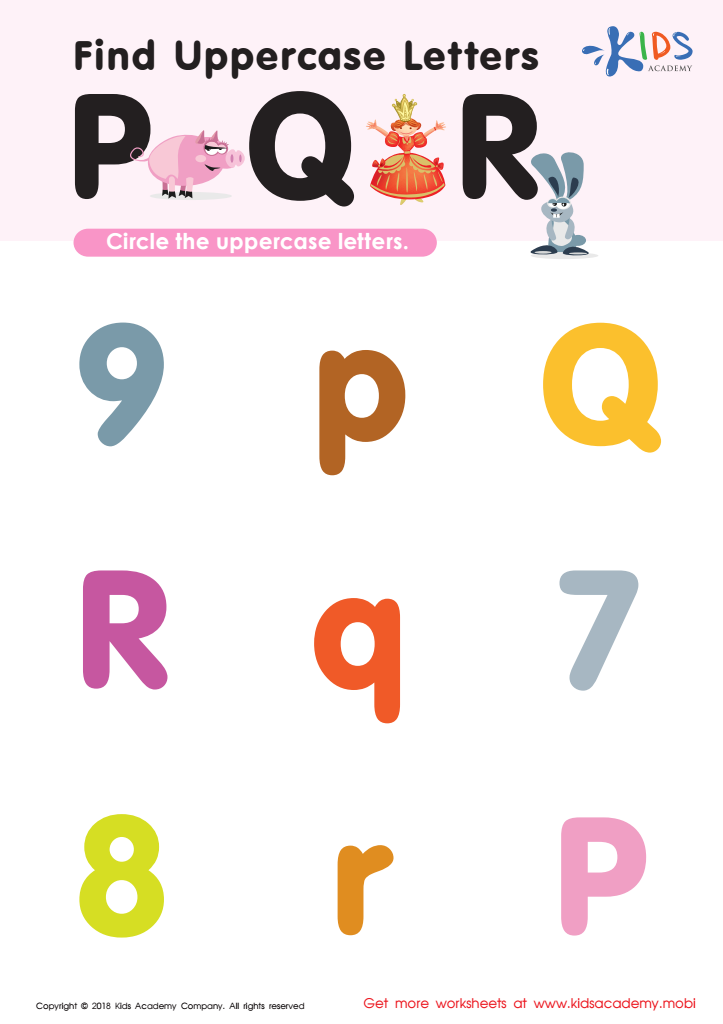
Find Uppercase Letters P, Q, and R Worksheet
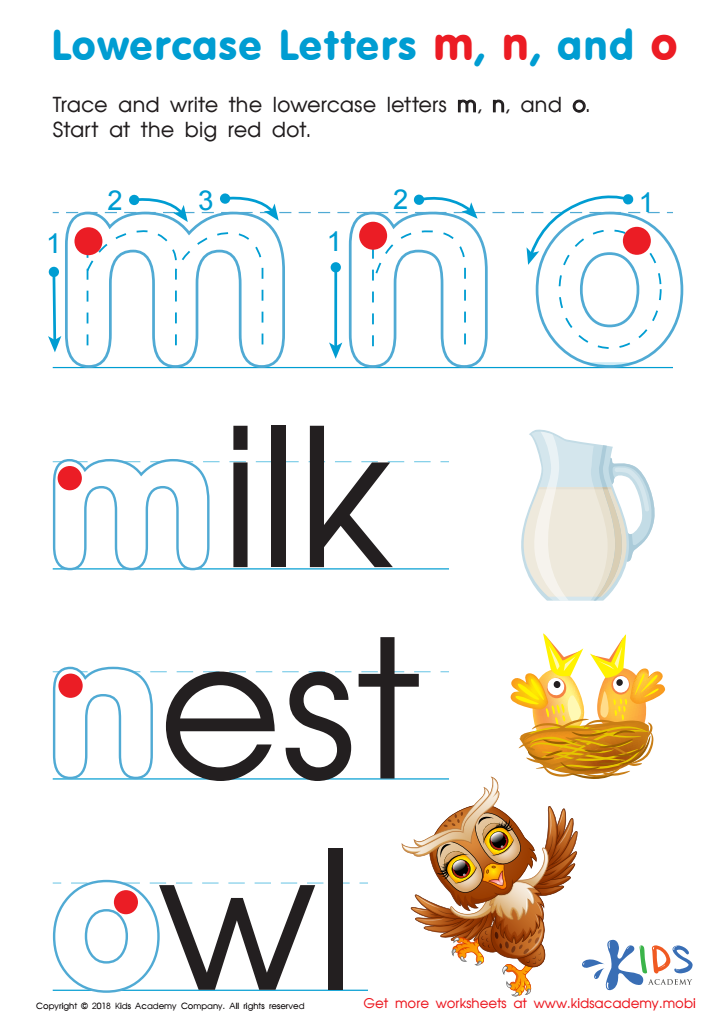
Lowercase Letters m n o Worksheet
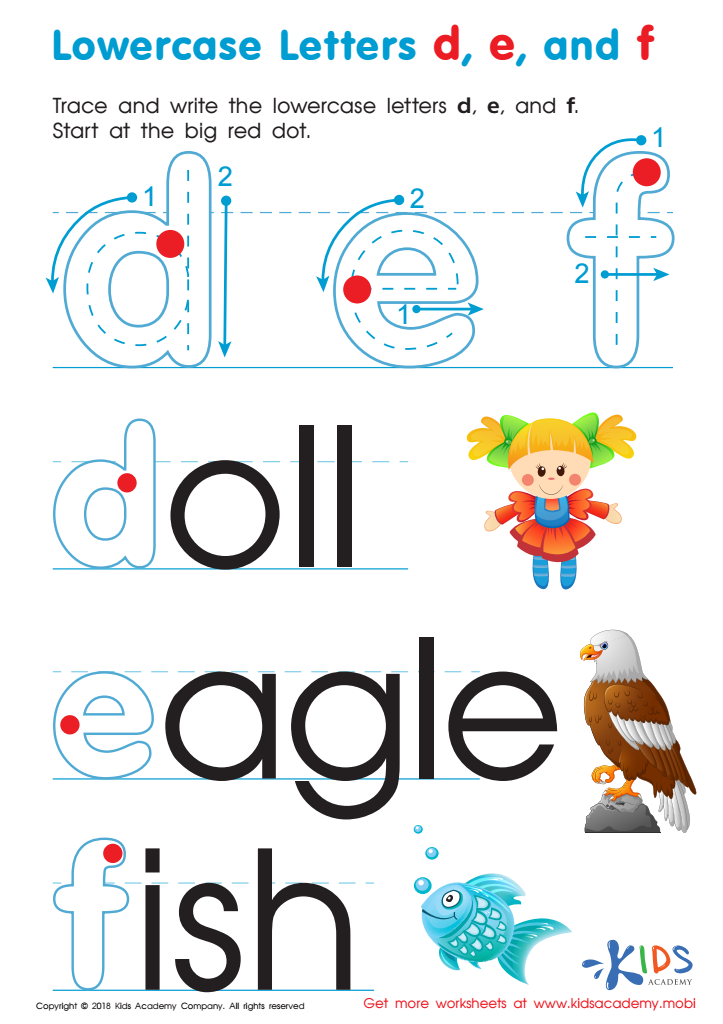
Lowercase Letters d e f Worksheet
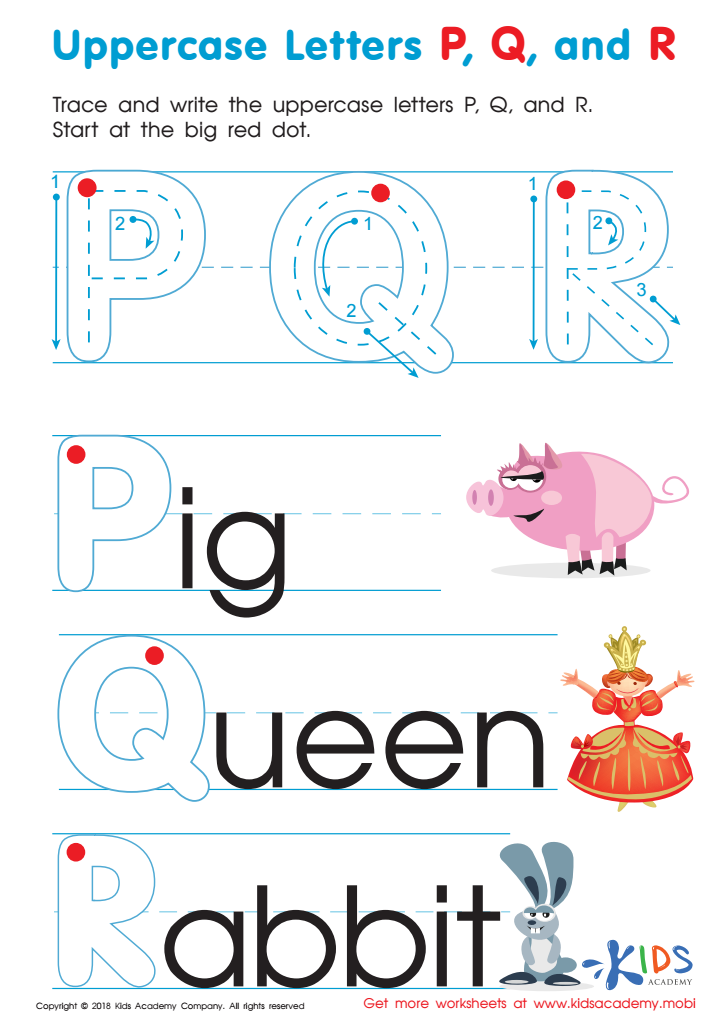
Uppercase Letters P, Q, and R Worksheet
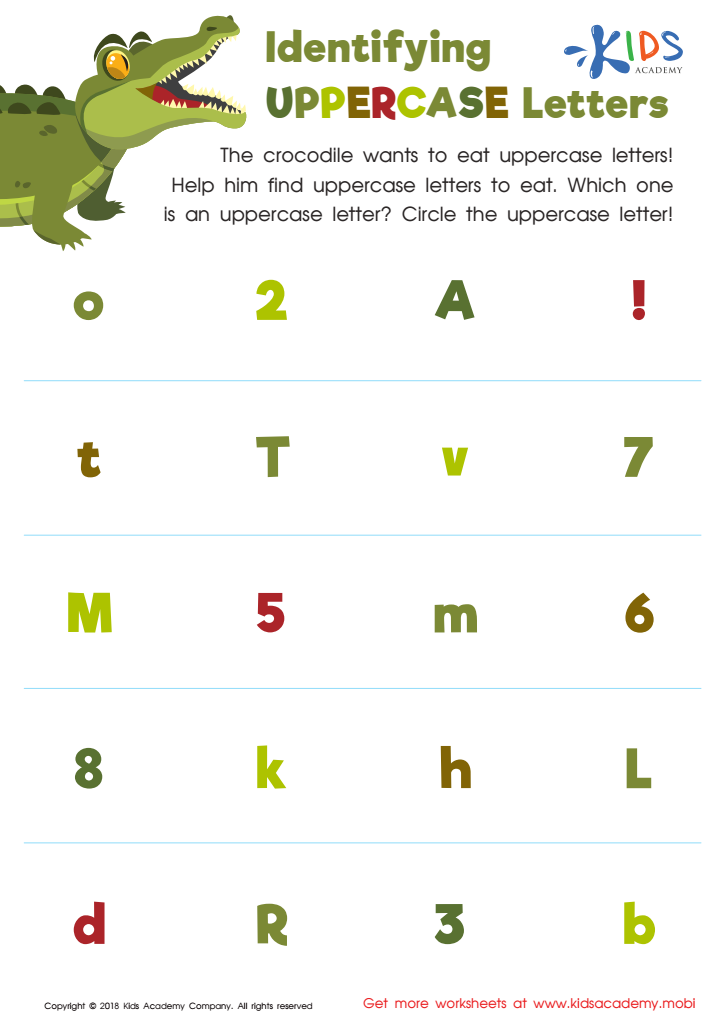
Identifying Uppercase Letters Worksheet
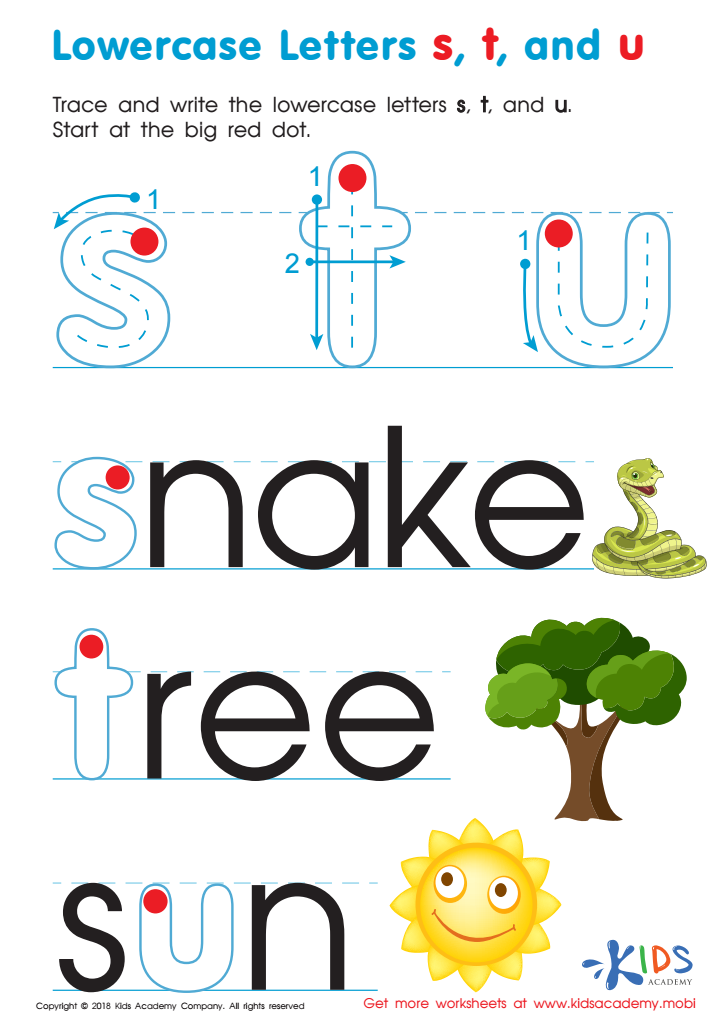
Lowercase Letters s t u Worksheet
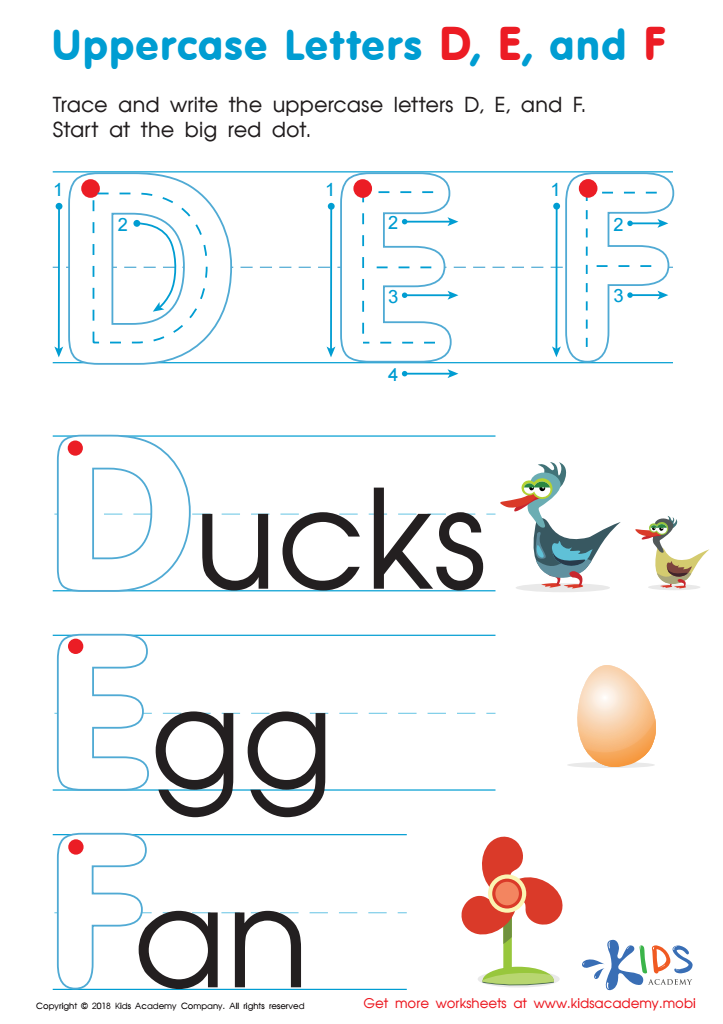
Uppercase Letters D, E, and F Worksheet

Uppercase Letters Y Z Worksheet
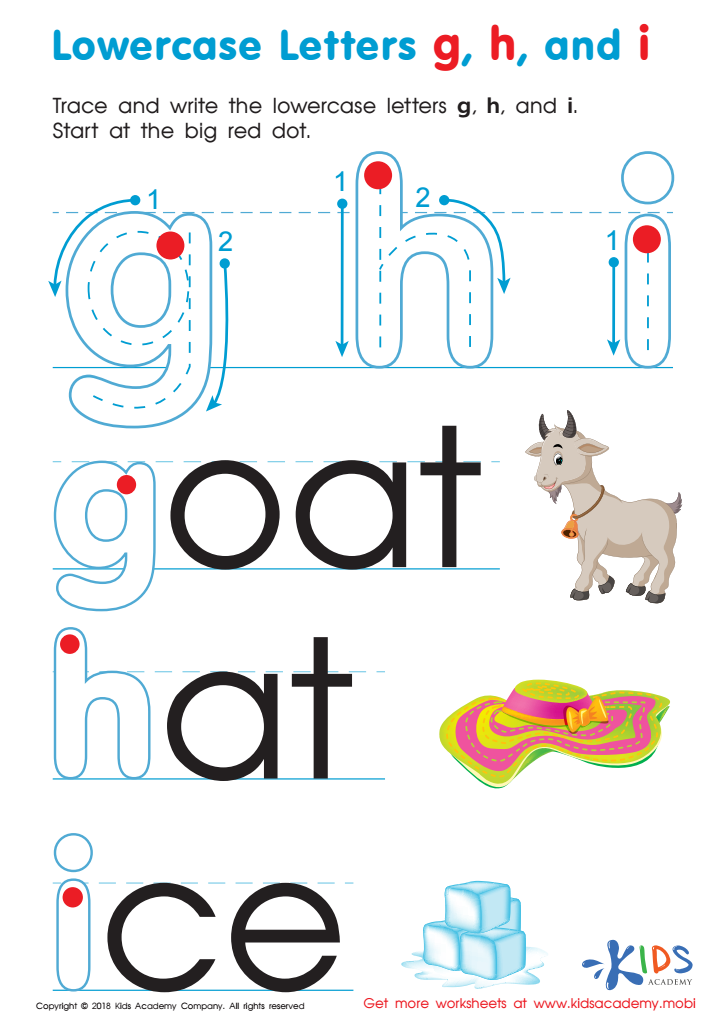
Lowercase Letters g h i Worksheet
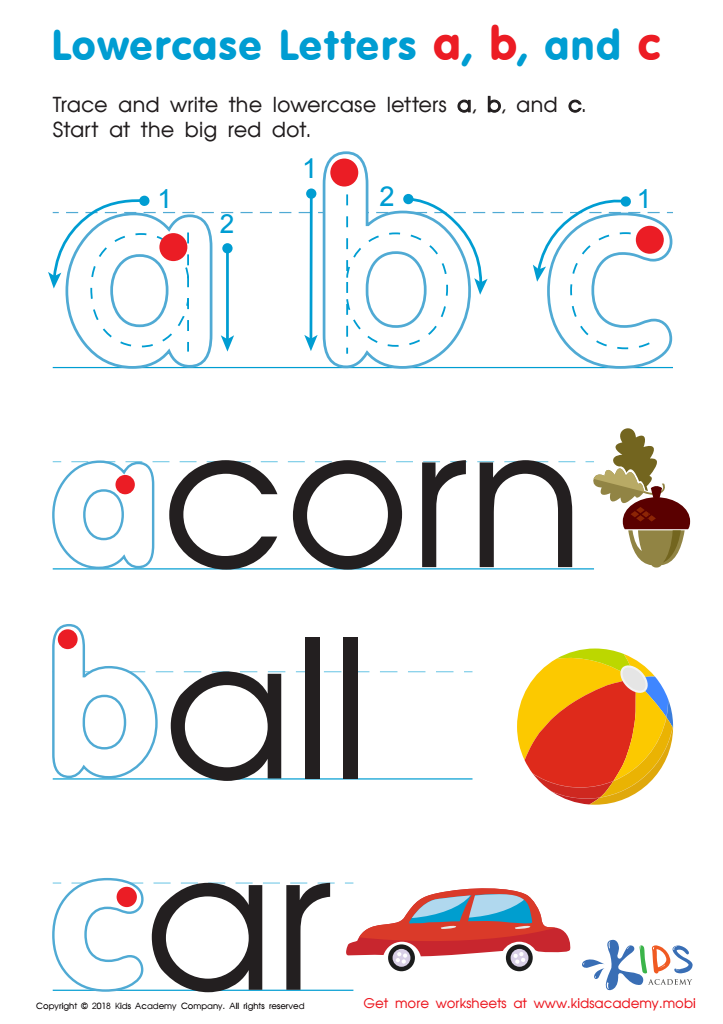
Lowercase Letters a b c Worksheet
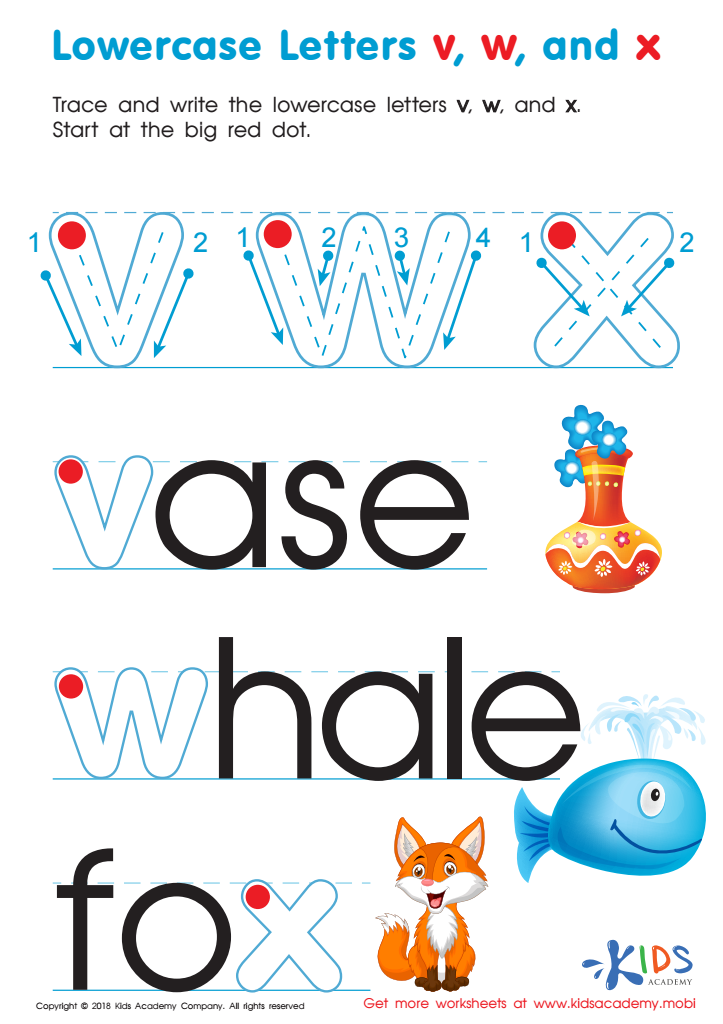
Lowercase Letters v w x Worksheet
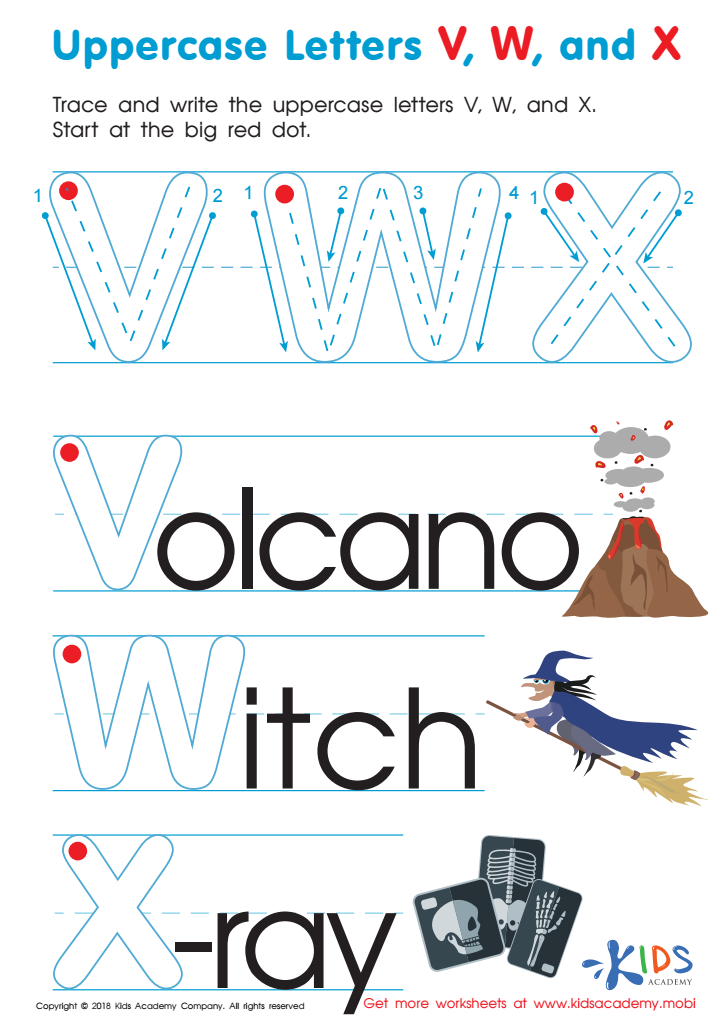
Uppercase Letters V, W, and X Worksheet






Alphabet recognition, encompassing both upper and lowercase letters, plays a crucial role in early childhood development for children ages 3-6. This fundamental skill is the building block for literacy, which is essential for all future learning. When children recognize alphabet letters, they start to understand the relationship between letters and sounds, paving the way for reading and writing skills.
For parents and teachers, fostering alphabet recognition can significantly enhance children's language development. Recognizing both uppercase and lowercase letters helps children understand that the same letter can appear in different forms, aiding their comprehension in various contexts, such as books, signs, and instructions. This dual recognition lays a solid foundation for decoding words they might encounter.
Early proficiency in alphabet recognition boosts a child's confidence and enthusiasm for learning. It can lead to proficiency in spelling and word formation, which are critical skills in the early educational journey. Moreover, it assists in the fine motor control required for writing, as children learn to replicate the shapes of both uppercase and lowercase letters accurately.
Parents and teachers who emphasize alphabet recognition in both its forms provide an early educational advantage, setting children up for success in an increasingly literacy-dependent world. Through engaging activities and consistent reinforcement, children can develop these essential skills in an enjoyable and effective manner.







