Handwriting practice Upper & Lowercase Letters Worksheets for Ages 3-6
16 filtered results
-
From - To
Welcome to our Handwriting Practice Worksheets, designed specifically for children ages 3-6! Our engaging and interactive resources help young learners master both uppercase and lowercase letters through fun activities that promote fine motor skills and letter recognition. Each worksheet is thoughtfully crafted to support handwriting development, featuring traceable letters and vivid illustrations that captivate young minds. Ideal for home or classroom use, these worksheets enable children to practice letter formation at their own pace while building confidence in their writing abilities. Start your child's literacy journey today with our comprehensive and enjoyable handwriting practice worksheets!
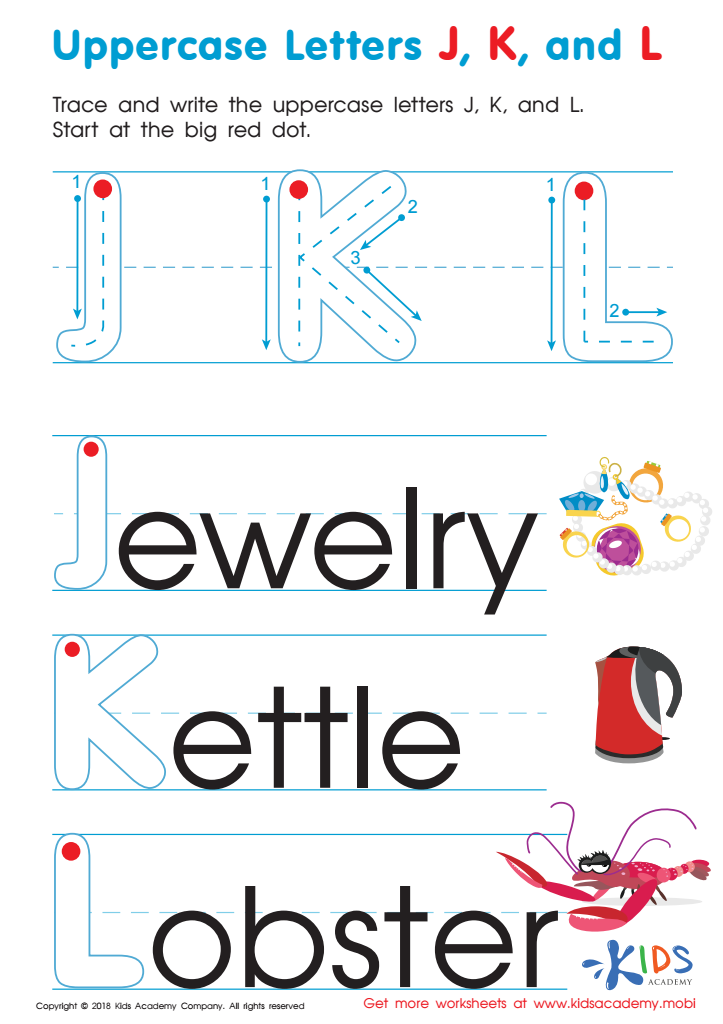
Uppercase Letters J, K, and L Worksheet
 Assign to My Students
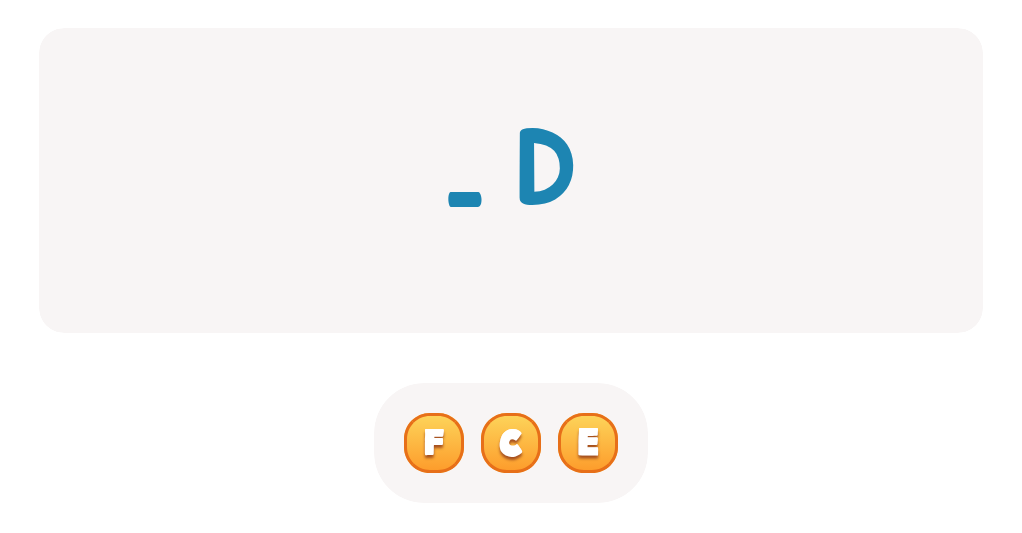


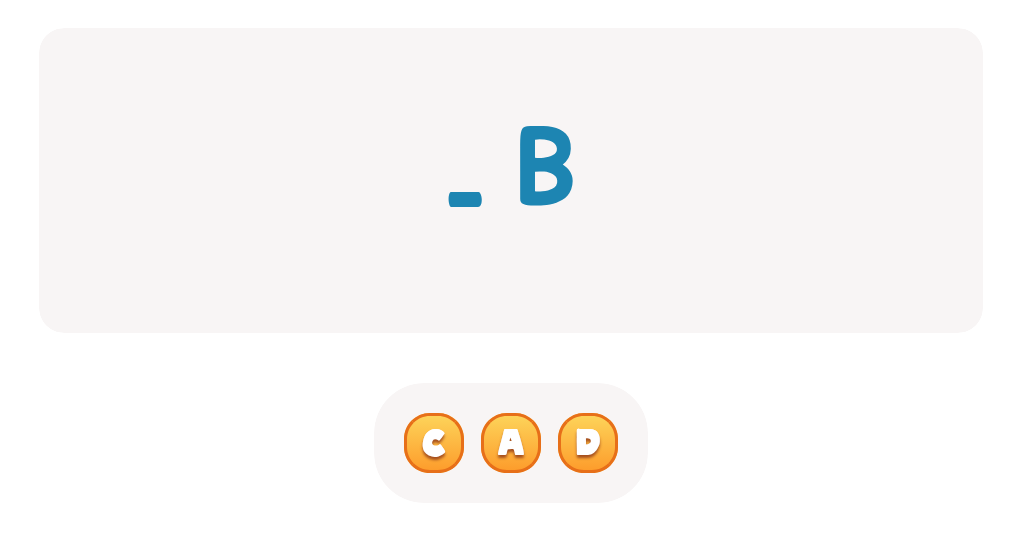
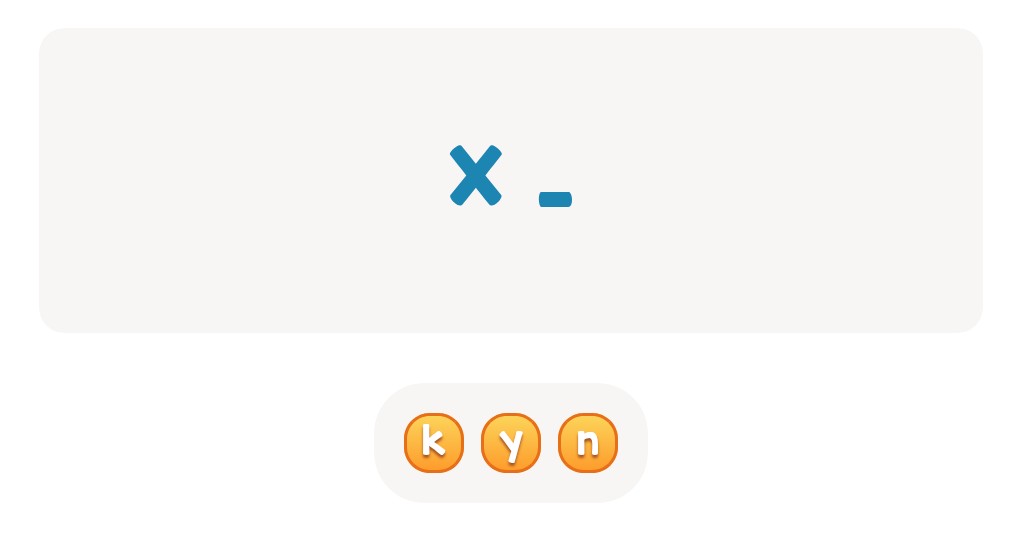



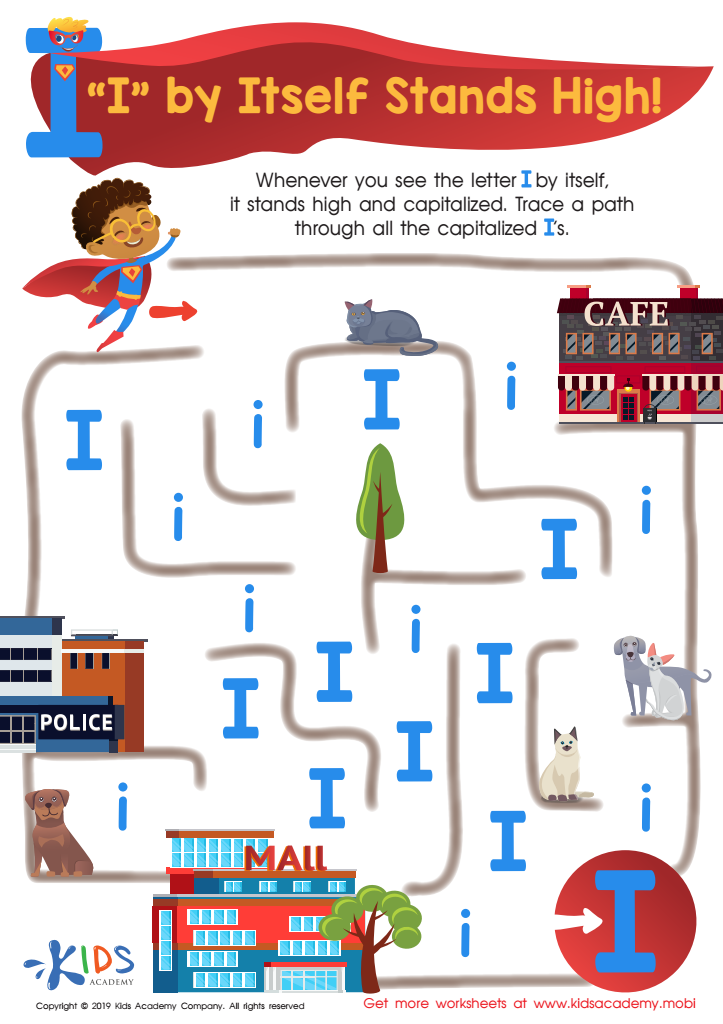
I Stands High Worksheet
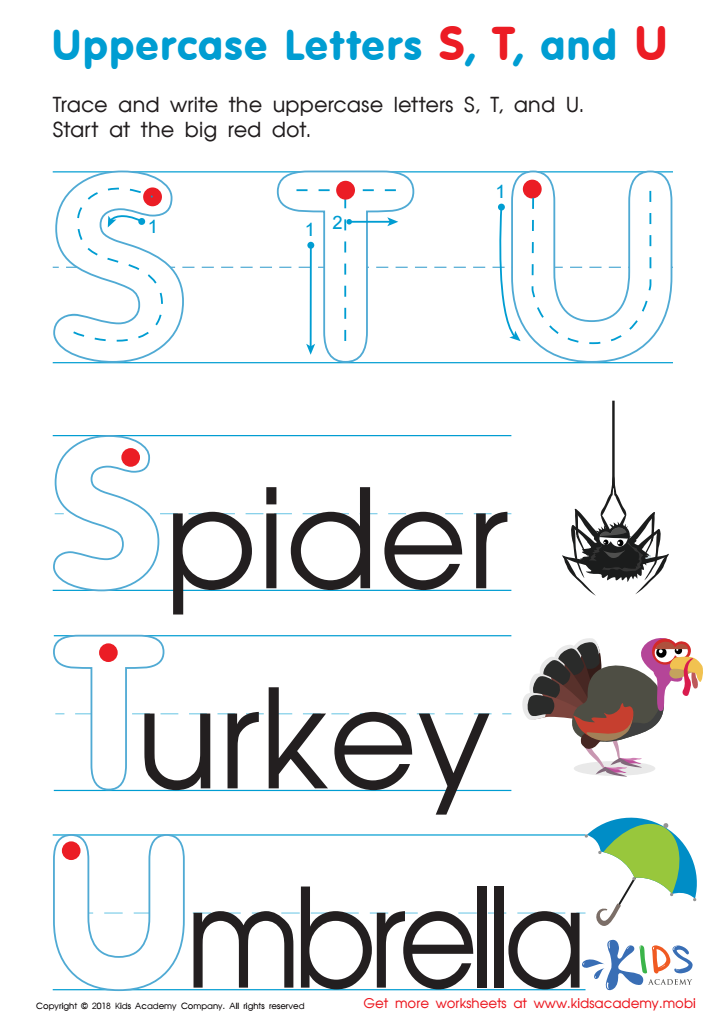
Uppercase Letters S, T, and U Worksheet
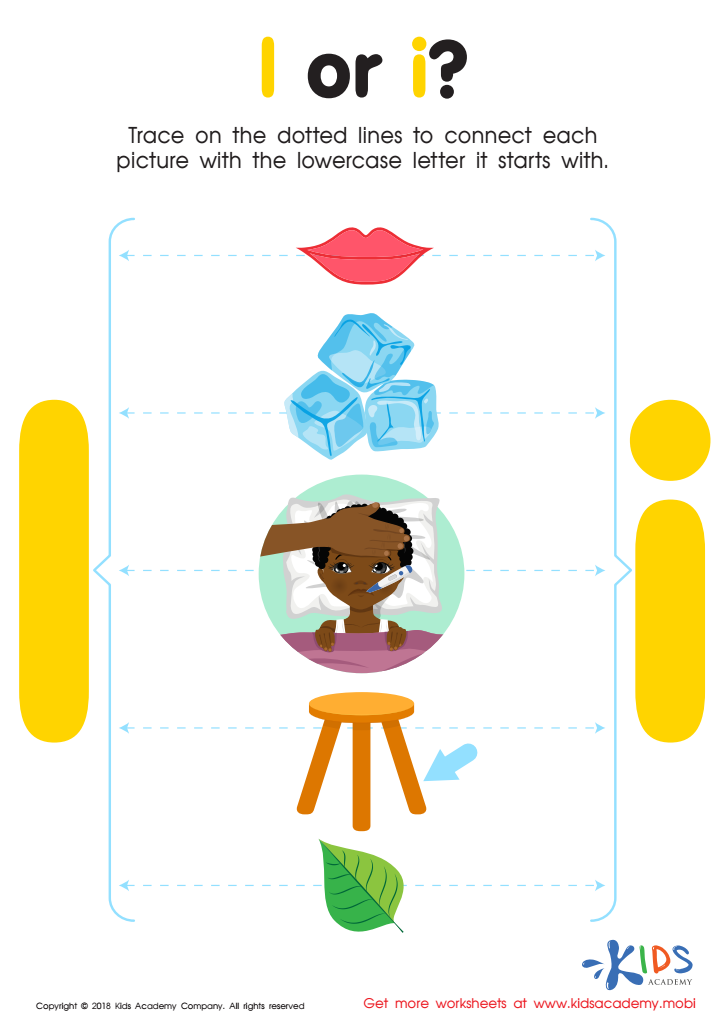
l or i? Worksheet
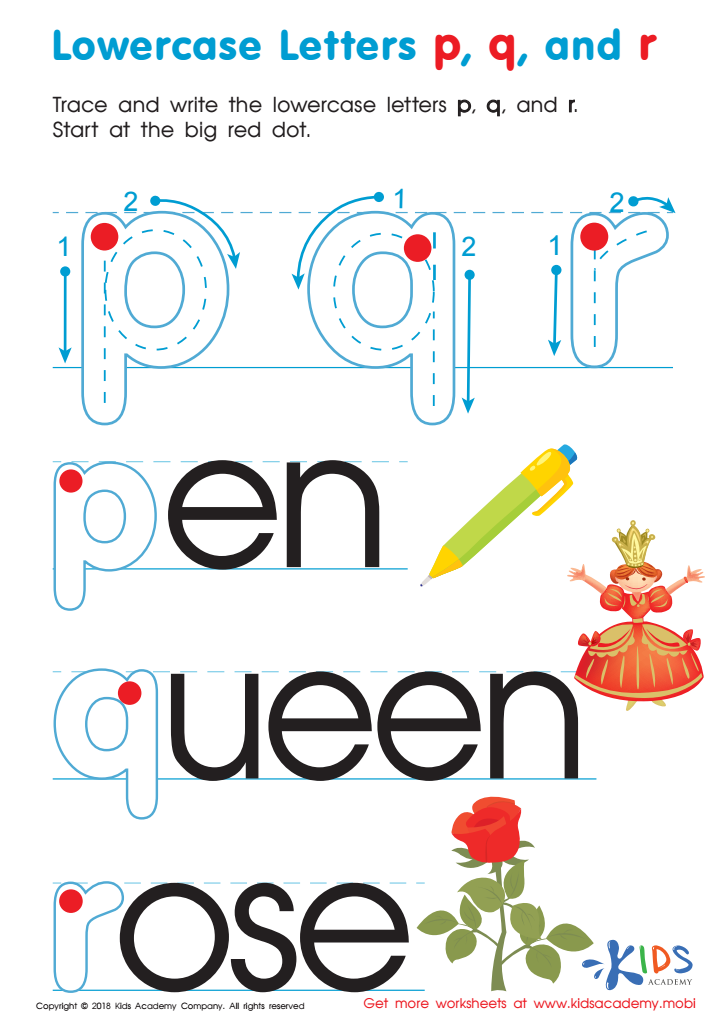
Lowercase Letters p q r Worksheet
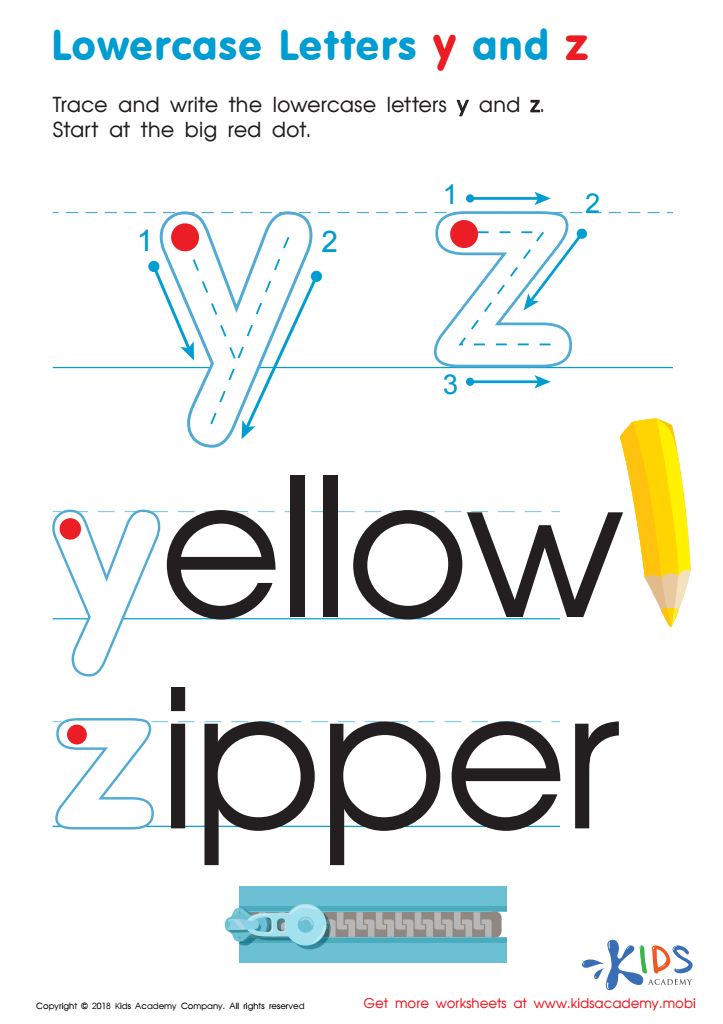
Lowercase Letters y z Worksheet
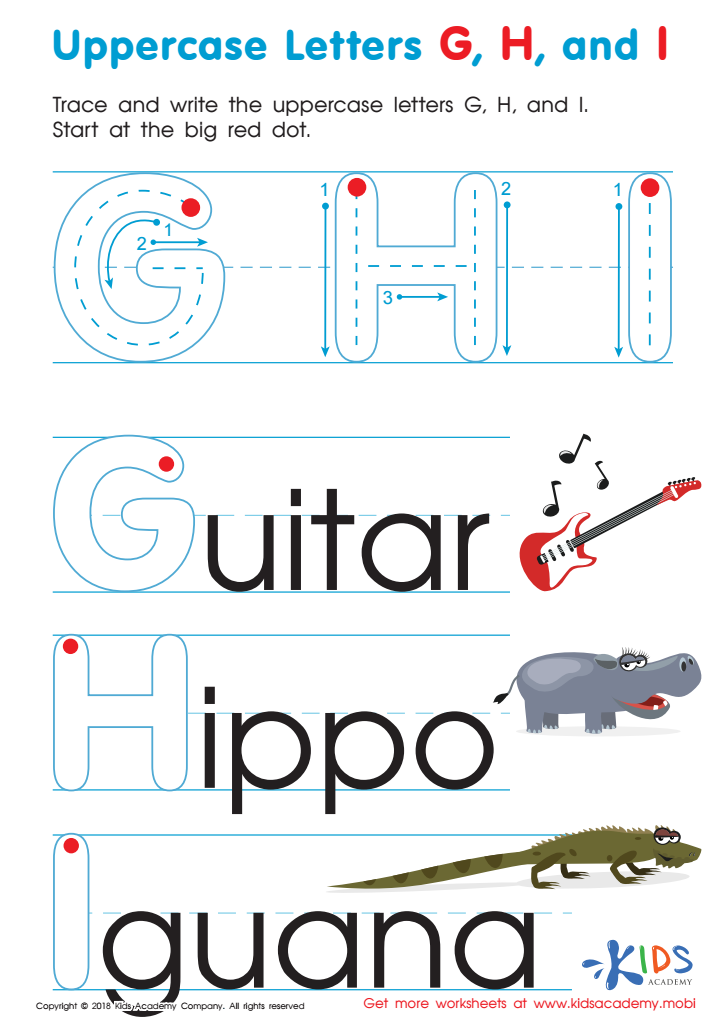
Uppercase Letters G, H, and I Worksheet
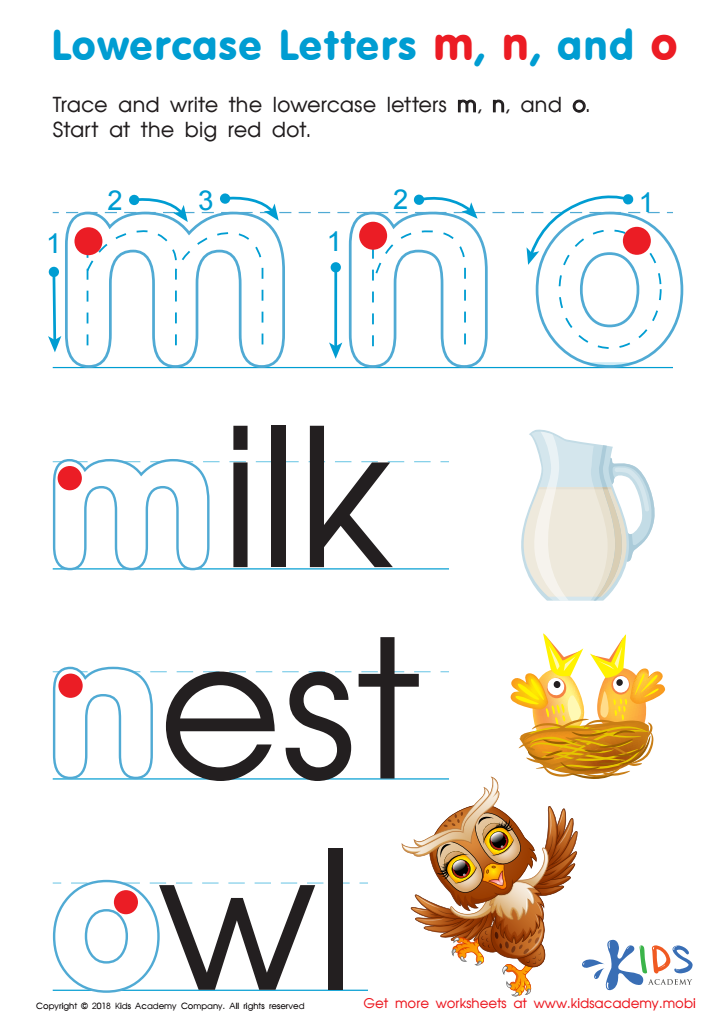
Lowercase Letters m n o Worksheet
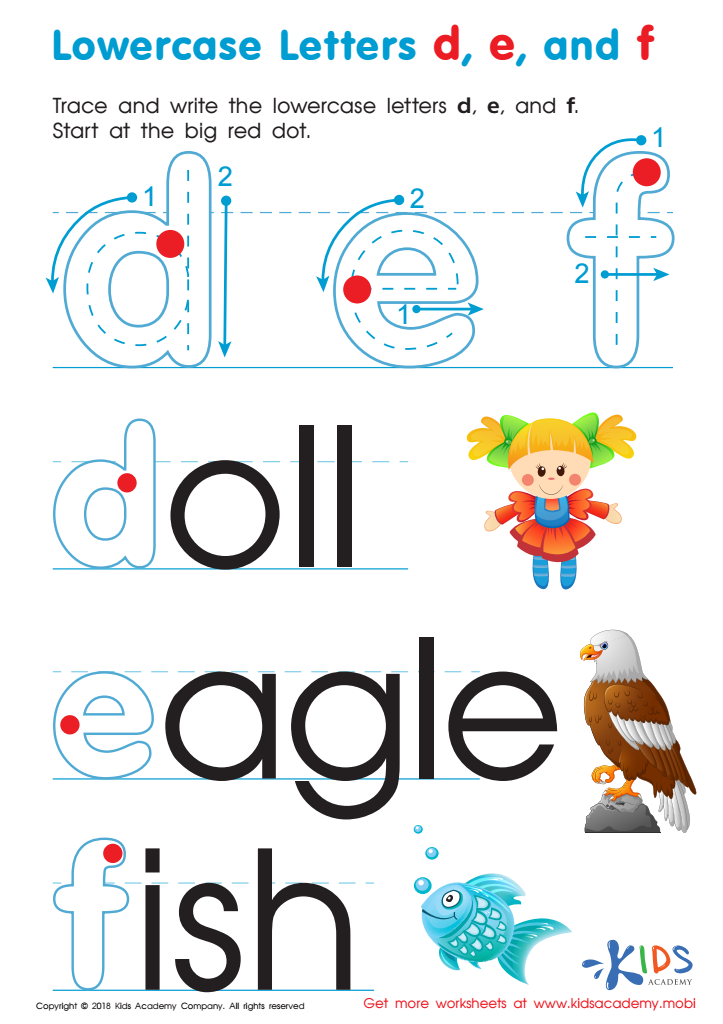
Lowercase Letters d e f Worksheet
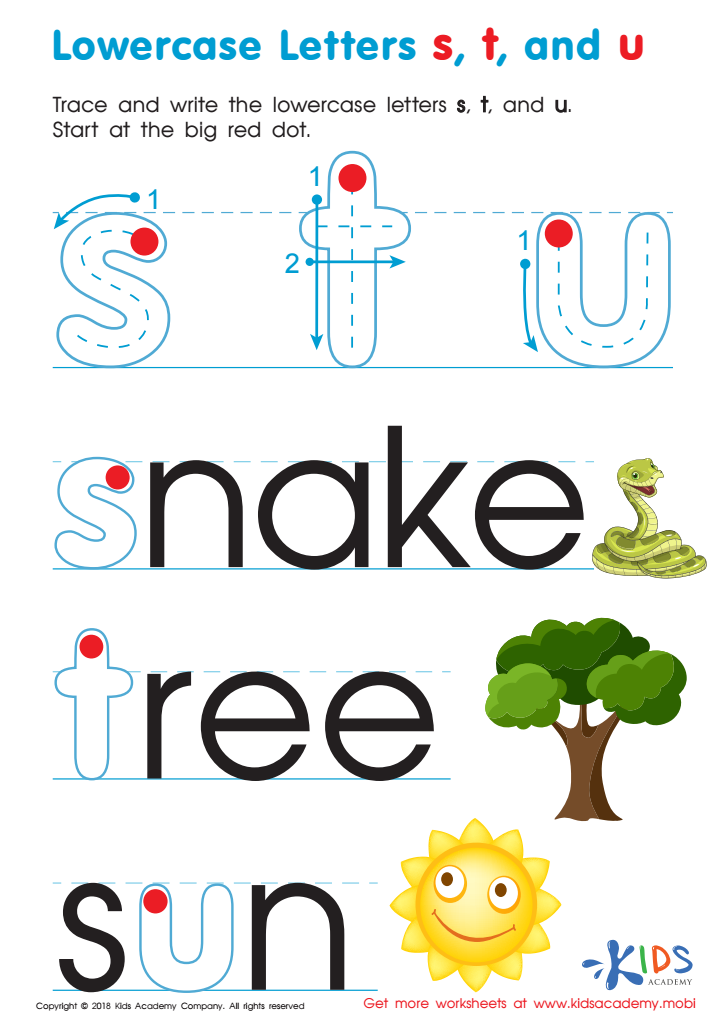
Lowercase Letters s t u Worksheet
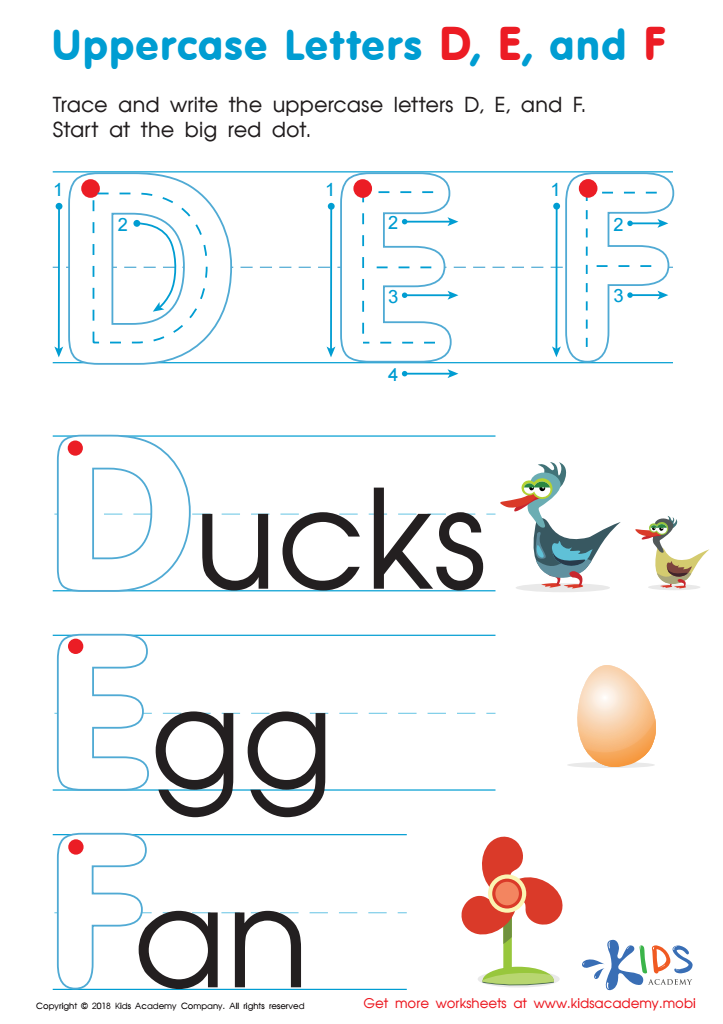
Uppercase Letters D, E, and F Worksheet
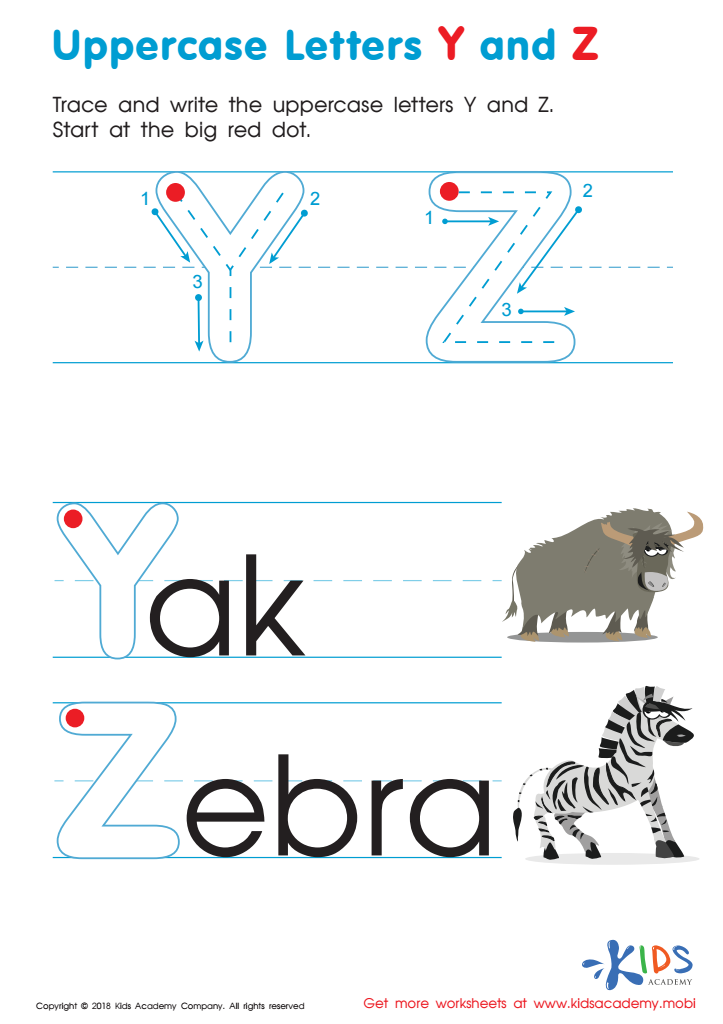
Uppercase Letters Y Z Worksheet
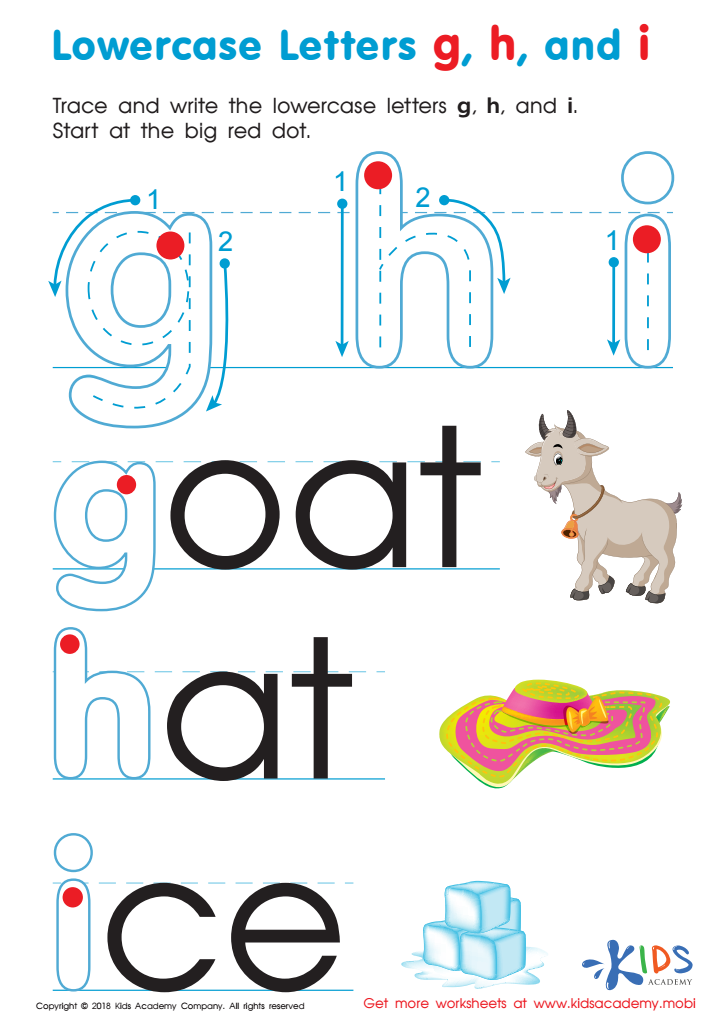
Lowercase Letters g h i Worksheet
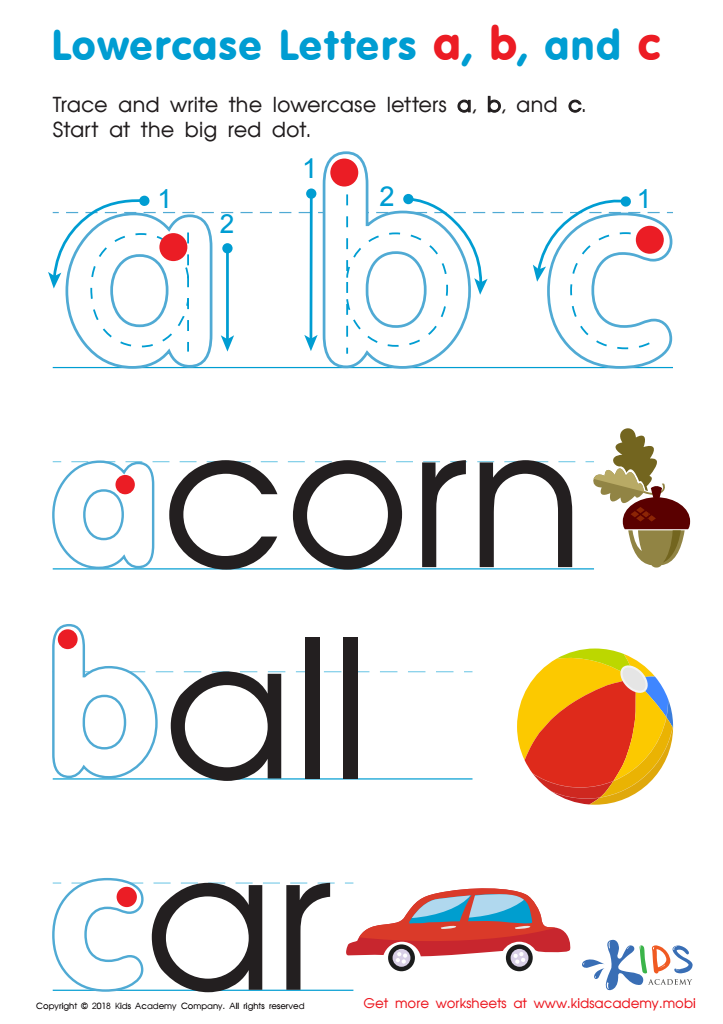
Lowercase Letters a b c Worksheet
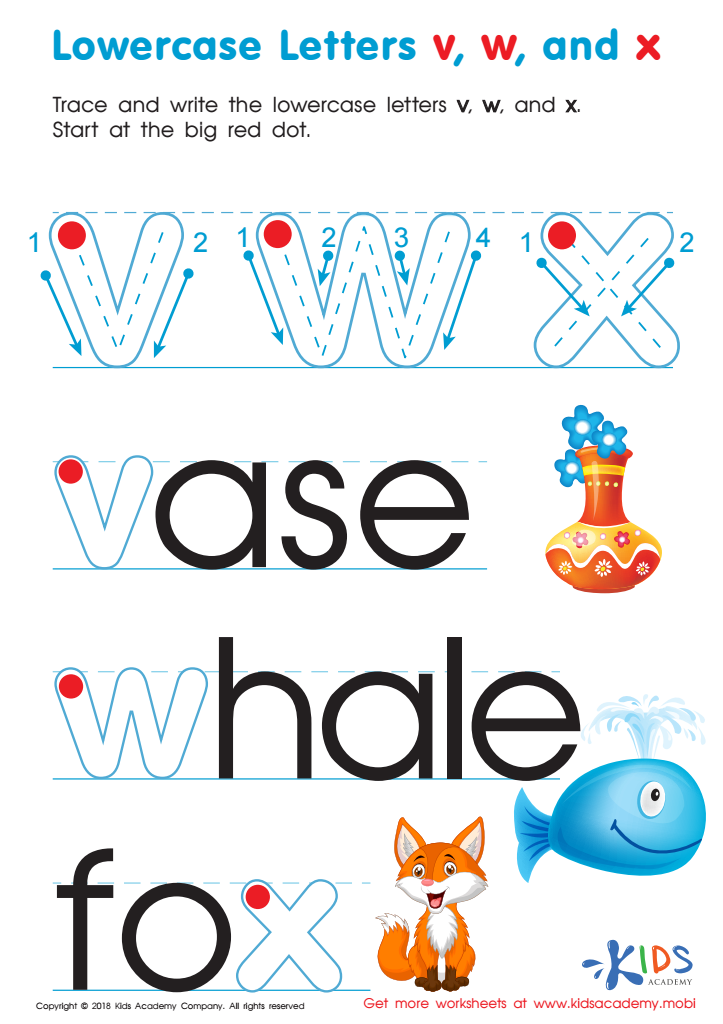
Lowercase Letters v w x Worksheet

Uppercase Letters V, W, and X Worksheet






Handwriting practice for uppercase and lowercase letters is crucial for children aged 3 to 6, as it lays the foundation for essential literacy skills. At this age, children are developing fine motor skills, hand-eye coordination, and cognitive abilities. Mastering letter formation not only helps them write but also strengthens their ability to recognize and understand letters, which is fundamental in reading and communication.
Moreover, practicing handwriting encourages concentration and patience, teaching children the importance of effort and perseverance. This formative activity fosters confidence as they witness their progress and express their ideas through writing. Additionally, handwriting engages various parts of the brain, enhancing memory and cognitive development.
Parents and teachers should prioritize this practice as it also facilitates crucial transitions to formal schooling. Children who can confidently write their letters are more likely to participate actively in classroom activities, fostering a positive learning environment. Furthermore, developing good handwriting habits early on can prevent later struggles with legibility and fluency, easing their educational journey. Ultimately, emphasizing handwriting is not just about writing letters; it's about nurturing young minds and helping them build their future pathways in literacy and learning.







