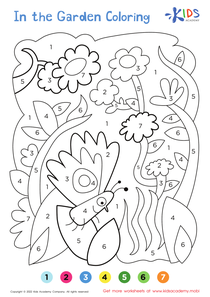
Color Identification Animals Worksheets for Ages 3-6
4 filtered results
Difficulty Level
Grade
Age
-
From - To
Subject
Activity
Standards
Enhance your child's learning journey with our engaging Color Identification Animals Worksheets designed for ages 3-6. These worksheets provide a fun way to teach young learners about colors while exploring the fascinating world of animals. Through vibrant illustrations and interactive activities, children will easily recognize and name different colors as they color in various animal images. These worksheets not only support color recognition but also promote fine motor skills and creativity. Perfect for parents and educators alike, our resources create a delightful and educational experience that helps lay a strong foundation for early learning. Explore our collection today!
Favorites
With answer key
Interactive
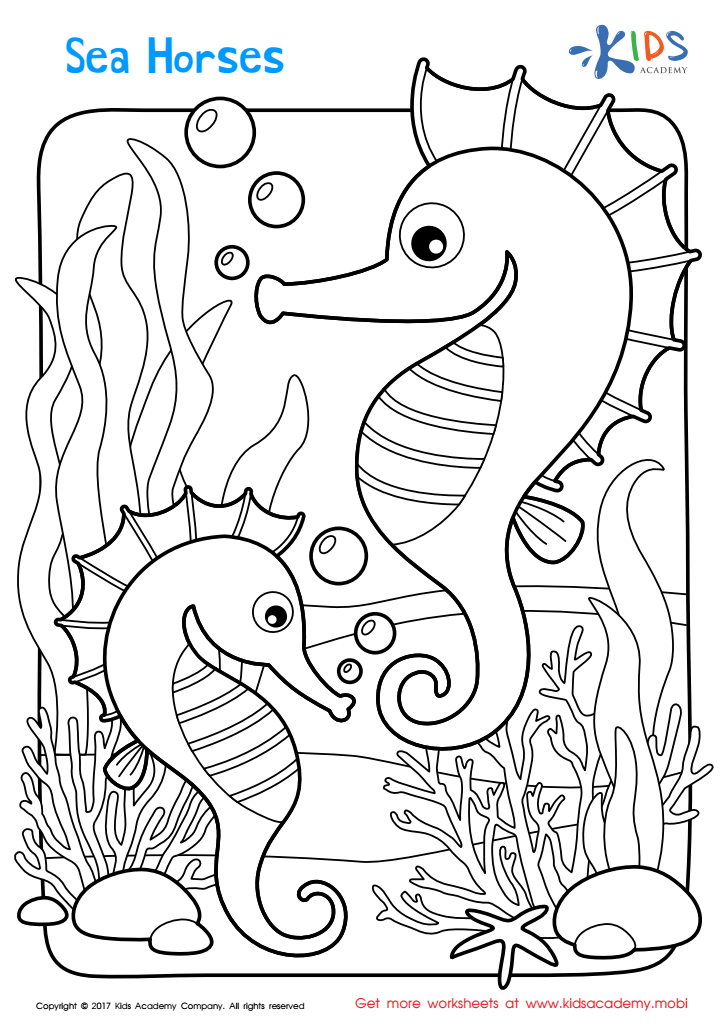
Sea Horses Printable
Let your child explore the deep blue sea with this sea horses coloring page! They'll have fun picking colors, then discover more with a book about this fascinating creature.
Download (PDF)
 Assign to My Students
Assign to My Students
Sea Horses Printable
Worksheet
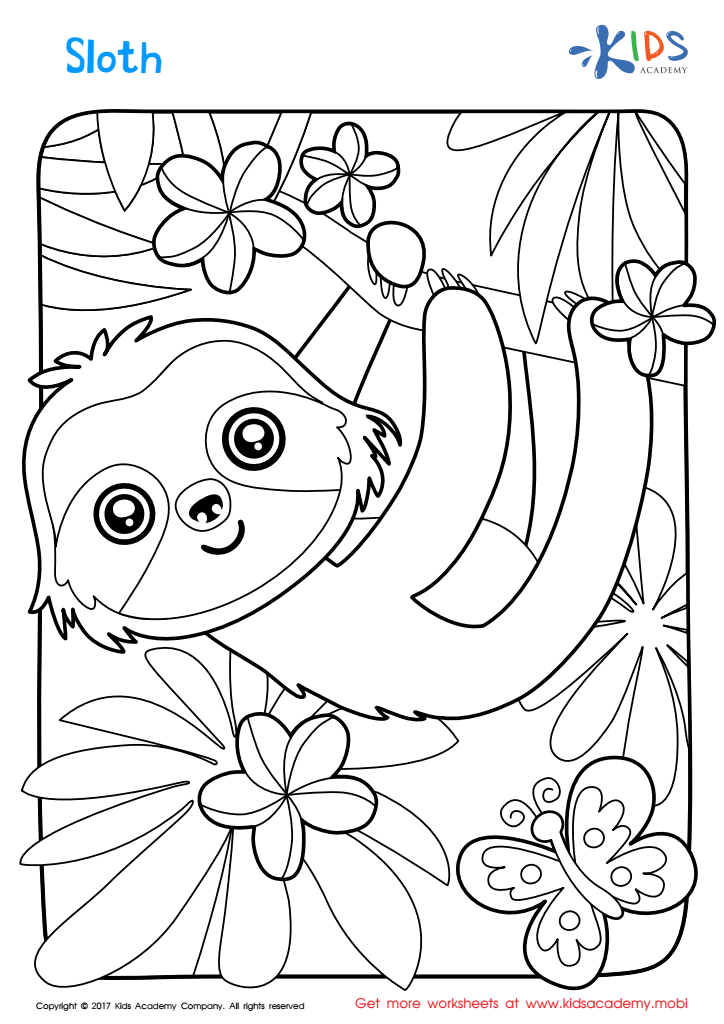
Sloth Worksheet
Get your kid excited to color the sloth coloring page! Explain to them the fascinating details of this slow-moving animal. Once complete, show it off on the fridge! For an extra lesson, look up more sloth pics and facts!
Download (PDF)
Assign to My Students
Assign to My Students
Sloth Worksheet
Worksheet
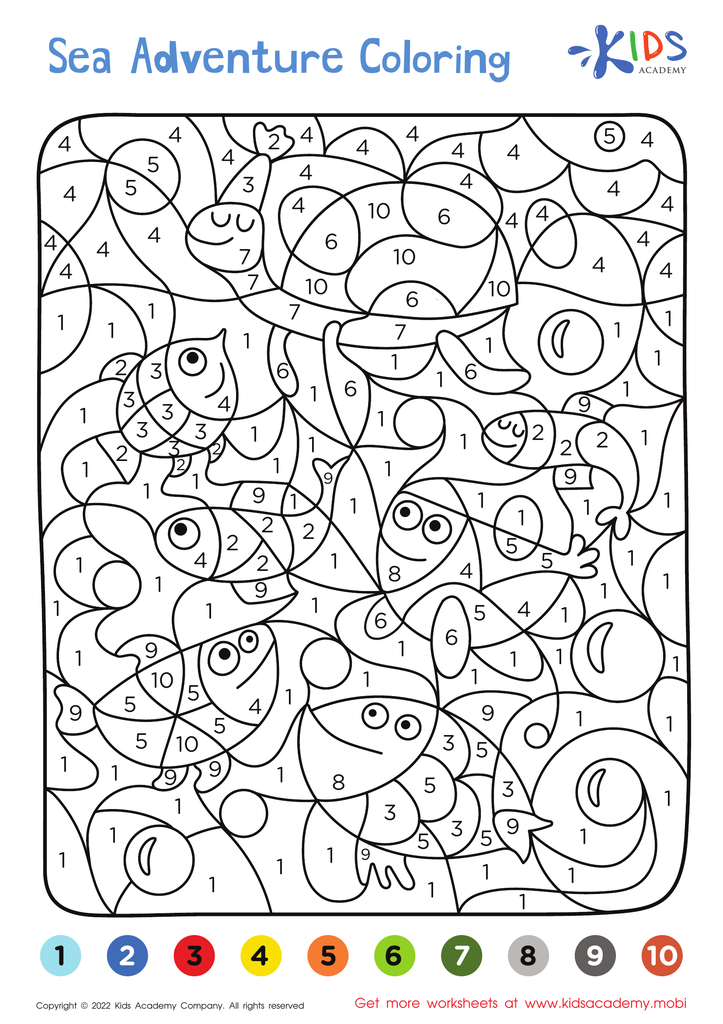
Sea Adventure – Coloring by Numbers
Unlock a sea adventure with a free coloring by numbers PDF page! Download now to get creative and fill the page with vibrant colors.
Sea Adventure – Coloring by Numbers
Worksheet
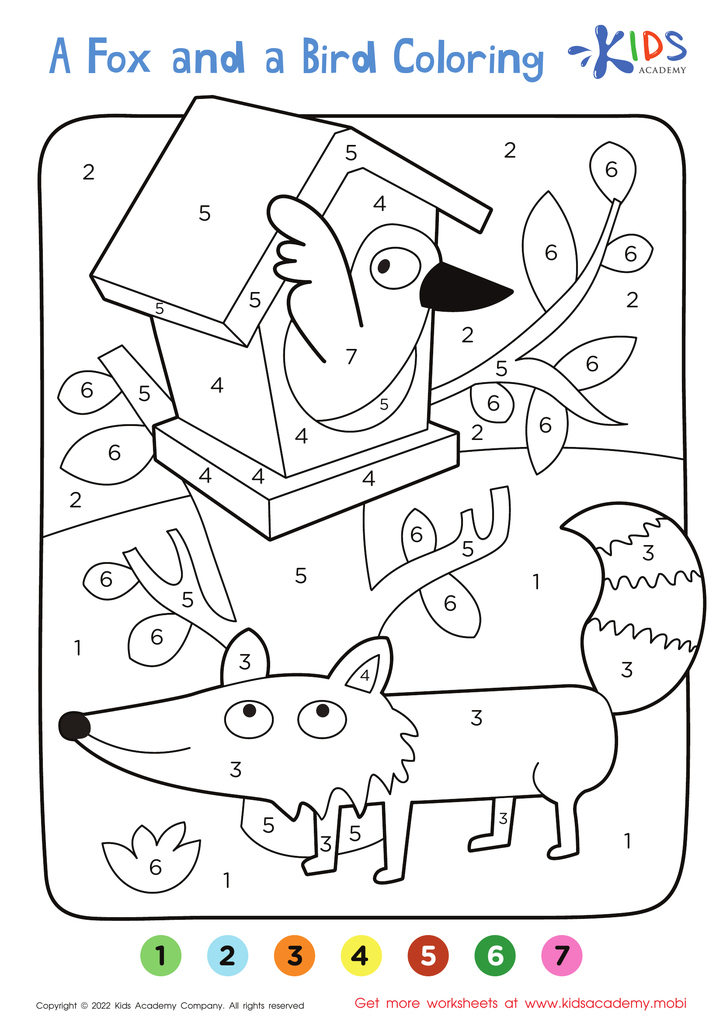
A Fox and a Bird – Coloring by Numbers
Download this free PDF page and color the fox and bird using numbers. Fun and easy way to be creative with the whole family! Spend quality time together and create something unique.
A Fox and a Bird – Coloring by Numbers
Worksheet
Join Kids Academy for Free
Who is primarily going to use this learning content?







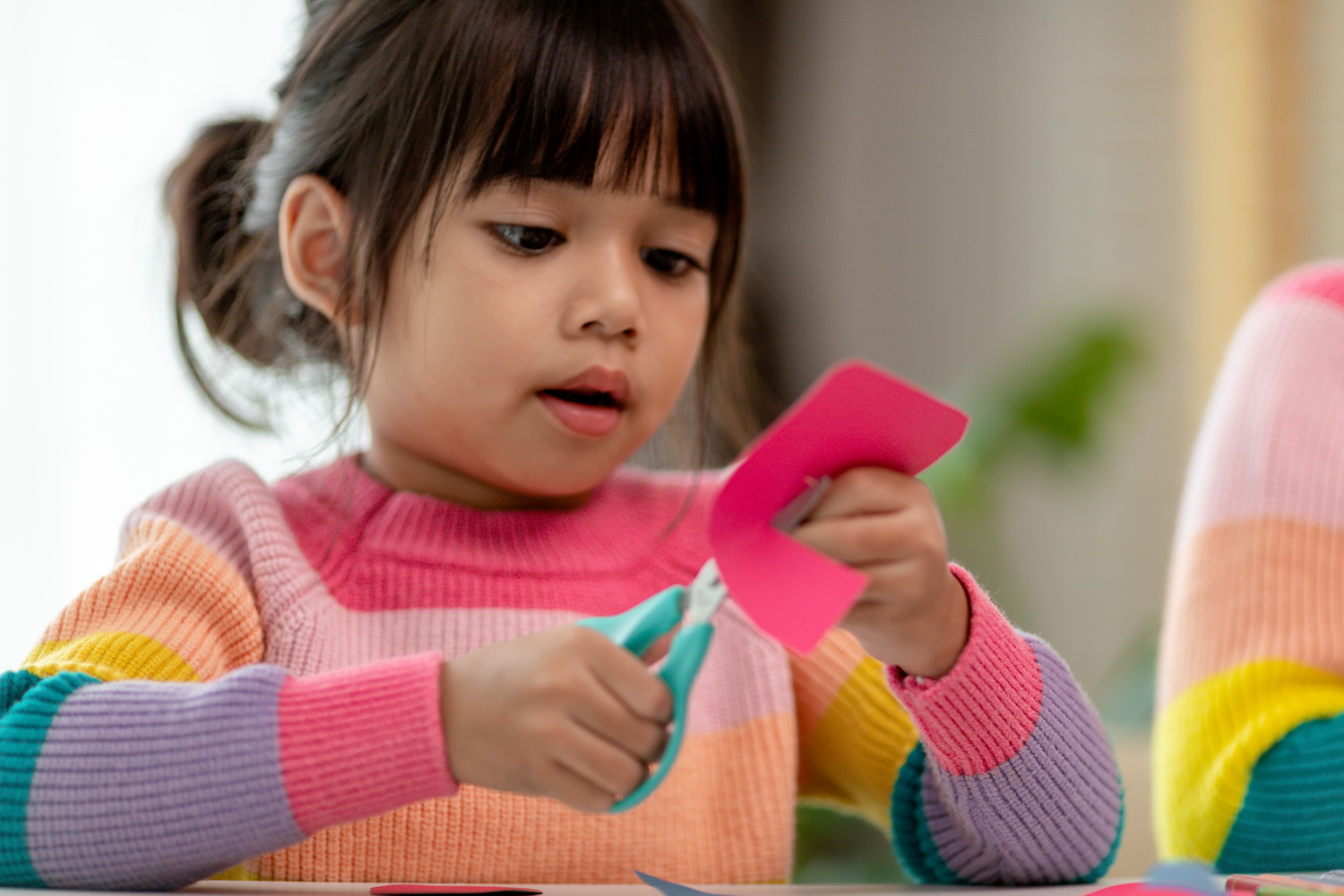
Color Identification Animals for ages 3-6 is vital for early childhood development as it integrates learning with play, enhancing children’s cognitive, social, and sensory skills. Identifying colors through animals—vibrant and familiar creatures—makes the learning process engaging, promoting curiosity and encouraging exploration of the world around them. This age group is crucial for foundational learning, where color recognition aids in developing language skills; children learn the names of colors while also verbalizing names and characteristics of animals, enriching their vocabulary.
Additionally, color identification facilitates immediate connections in their environment; recognizing that a lion is often depicted as yellow aligns with visual learning principles, making retention easier. It fosters creativity, as children often engage in activities like art and storytelling that involve colors, substances, and contexts related to different animals.
Moreover, collaborative learning opportunities arise when children explore colors together, promoting social skills such as cooperation and communication. These activities provide opportunities for parents and teachers to bond; playing color identification games or crafts that involve animals can culminate in meaningful interactions. In essence, integrating Color Identification Animals into educational activities can dramatically enrich young learners' intellectual, emotional, and social development, laying a foundation for their continuing educational journey.