Flora and Fauna Worksheets for Ages 3-6 - Page 2
32 filtered results
-
From - To
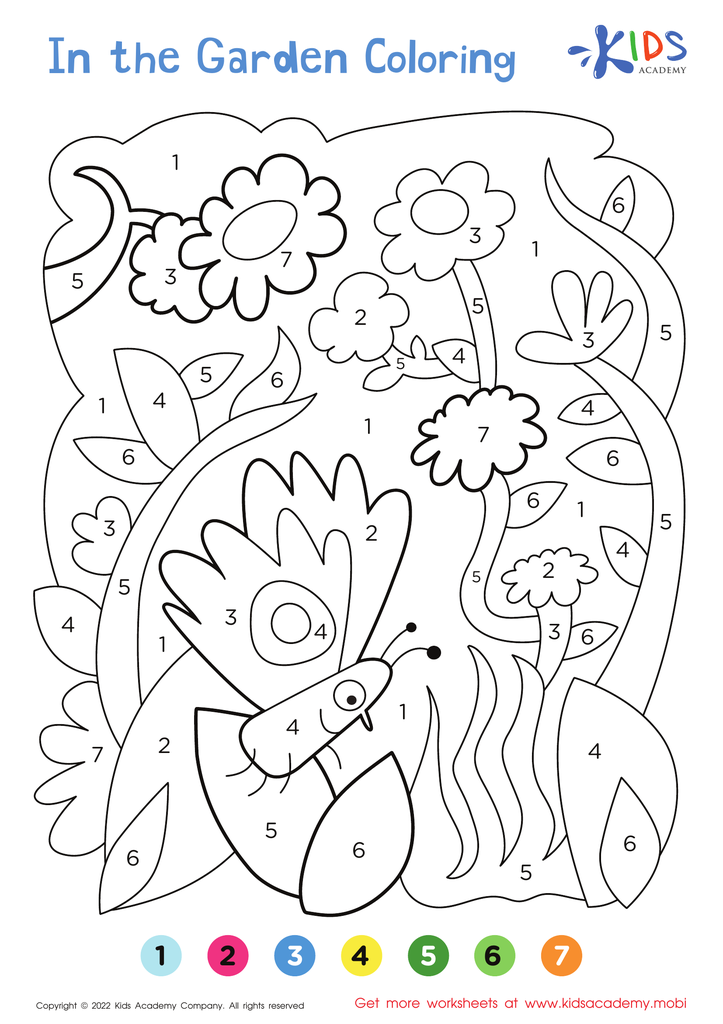
In the Garden – Coloring by Numbers


Understanding flora and fauna is vital for children aged 3-6 as it lays the foundation for environmental awareness and appreciation of nature. At this stage, children are incredibly curious about their surroundings, making it an ideal opportunity to teach them about plants and animals. Engaging with flora and fauna fosters a sense of wonder, encouraging exploration and observation.
Learning about different species can enhance cognitive skills as children categorize and describe their findings, promoting critical thinking and vocabulary development. Activities such as garden planting or nature walks allow for hands-on experiences that are crucial for sensory development. These activities also emphasize the importance of biodiversity and the ecosystem, instilling values of respect and responsibility toward nature.
Moreover, exposure to plants and animals can improve emotional well-being, as being in nature has been linked to reduced stress and increased happiness in individuals of all ages. Lastly, teaching about flora and fauna supports the principles of health and nutrition, helping children understand the value of eating a variety of fruits and vegetables. By caring about flora and fauna, parents and teachers can cultivate environmentally-conscious, curious children who are eager to explore and protect the world around them.